
Airport Layover Guide: Complete Strategy to Make the Most of Your Connection Time
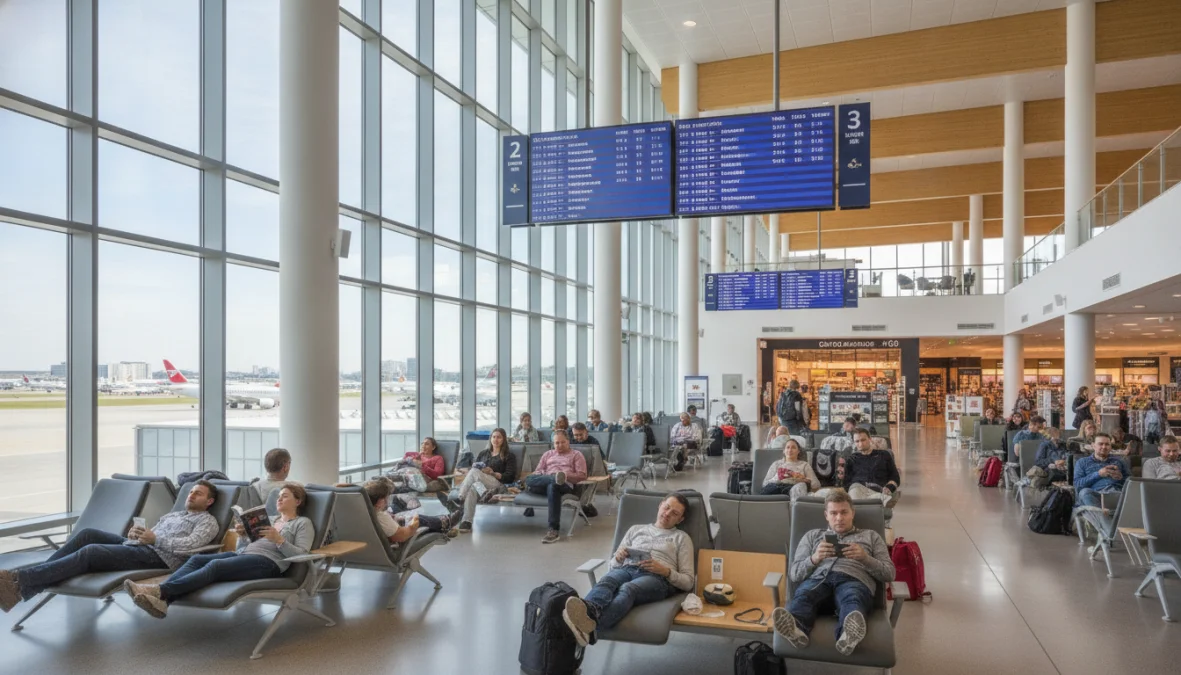
Stuck in an airport for hours between flights? Don’t just slump in a hard plastic chair staring at departure boards. A layover doesn’t have to be dead time—with the right approach, it can be productive, relaxing, or even adventurous. This airport layover guide will show you how to transform waiting time into an experience worth having, whether you’ve got two hours or twelve. Let’s turn that connection into something more than just a necessary evil.
Understanding Your Layover: Time Categories and Planning Essentials
Not all layovers are created equal, and your strategy should match your transit time planning reality. Here’s how to think about different connecting flight time windows:
- Short layover (under 3 hours): This is survival mode. Focus on making your connection, grabbing food, and maybe a quick bathroom refresh. No time for adventures.
- Medium layover (3-6 hours): Now you’re talking. Enough time to explore airport amenities, hit a lounge, enjoy a proper meal, or catch up on work.
- Long layover (6-12 hours): Perfect for leaving the airport if visa requirements allow, or for experiencing premium airport facilities like spas and sleep pods.
- Overnight layover (12+ hours): Definitely worth exploring the city or booking airport hotel/sleeping facilities for proper rest.
Here’s the crucial airport connection tips reality check: your actual available time is less than the total layover. For international flights, subtract at least 90-120 minutes for deplaning, immigration procedures, potential terminal changes, security screening, and boarding. For domestic connections, plan for 60-90 minutes of transition time. A six-hour layover realistically gives you about 3-4 hours of usable time.
Before making any plans, verify whether you need to go through customs, collect checked baggage, or change terminals. International connections at different carriers often require full re-check procedures. Download your specific airport’s app for real-time terminal maps and walking time estimates between gates.

Maximizing Your Airport Layover Experience
Once you’ve calculated your real available time, it’s time to build your layover itinerary. The best layover activities depend entirely on your duration, but here’s a comprehensive menu of options organized by time commitment.
For layover entertainment and relaxation, consider transit lounge access—even if you’re flying economy, day passes typically run $25-60 and include comfortable seating, food, drinks, showers, and WiFi. Many airports now offer premium experiences like the spa at Frankfurt Airport, the butterfly garden at Singapore Changi, or the ice skating rink at Seoul Incheon. Airport sleeping pods like Minute Suites or YOTELAIR provide quiet spaces to nap, typically priced by the hour.
If you’re wondering what to do during a long layover, productivity can be your friend. Most major airports offer free WiFi, dedicated workspaces, and business centers with printing facilities. Pack your chargers and power bank (keep them accessible in your carry-on as recommended in proper packing organization). Some airports like Amsterdam Schiphol have libraries, while others feature art exhibitions or museum branches.
For those asking how to spend 6 hours at airport, combine activities: start with a lounge visit for shower and snacks (1.5 hours), explore unique airport features like rooftop terraces or observation decks (45 minutes), enjoy duty free shopping strategically—not just browsing but targeting items genuinely cheaper than home (1 hour), grab a quality meal at a sit-down restaurant rather than fast food (1 hour), then settle near your gate with a book or entertainment downloaded to your device (remaining time).
Don’t overlook wellness options. Many airports now feature gyms, yoga rooms, or walking paths with distance markers. Munich Airport has a Christmas market seasonally, while Vancouver offers an aquarium. These unique touches transform connecting passengers from stressed travelers into engaged explorers.
Leaving the Airport During Long Layovers
The question of leaving airport during layover requirements comes down to three factors: time, visa eligibility, and proximity to attractions. The general rule? Don’t attempt it with less than 6-8 hours total layover time, and only if your luggage is checked through to your final destination.
First, verify visa requirements. Many countries offer transit visas or visa-free transit for certain nationalities. Singapore, South Korea, Japan, and UAE are particularly generous with transit policies. Check your specific citizenship requirements before booking if you’re hoping to explore.
Cities with excellent airport connectivity include: Singapore (20 minutes to downtown via MRT), Tokyo Narita (60 minutes via express train but worth it—consider a quick sakura viewing spot in season), Amsterdam (15 minutes to city center), Hong Kong (25 minutes via Airport Express), and Dubai (accessible metro system). Some airports offer organized layover tours—Singapore and Seoul both provide free city tours for transit passengers with sufficient layover time.
If your bags aren’t checked through, most major airports offer left luggage facilities. Always leave a minimum 2-hour buffer before your departure time—more if you’re unfamiliar with the airport layout. Set multiple alarms, and have the airport map downloaded offline.

Essential Airport Connection Tips for Stress-Free Layovers
Even the best-planned airport stopover guide needs practical execution. Here’s your short layover survival guide checklist for connecting passengers:
Before your layover: Download the airport’s official app, note your arrival and departure terminals, check if airlines are in the same alliance (affects baggage handling), and verify whether you need to collect and recheck bags. Pre-book lounge access or special facilities if desired. Keep all travel documents, including boarding passes and any required transit visas, in an easily accessible pocket.
Upon arrival: Check flight information displays immediately for your departure gate—gates can change. If you have a tight connection, ask airline staff if priority transfer assistance is available. Many airports offer fast-track services for connecting flight time crunches.
During your layover: Stay within reasonable distance of your departure area, especially in unfamiliar airports. Enable flight status notifications through your airline app. Keep your phone charged with a portable battery. Avoid heavy meals that might make you drowsy if you have an overnight connection. If you’re looking for overnight layover sleeping options, research in advance whether your airport has comfortable sleeping zones, 24-hour lounges, or nearby transit hotels.
Smart packing for layovers: Keep essentials in your personal item, not overhead bin—phone charger, medications, snacks, travel documents, headphones, eye mask, and a light jacket (airports can be freezing). A change of underwear and basic toiletries can make a 12-hour layover infinitely more comfortable. This is where organized packing systems prove invaluable for quick access.
Consider currency strategy: many airports accept multiple currencies, but exchange rates are typically poor. Credit cards usually offer better rates than airport exchange counters. For phone connectivity, check if your carrier offers affordable roaming or if airport WiFi is sufficient for your needs.
FAQ
How long should a layover be for international flights?
For international connections, aim for a minimum of 2-3 hours if staying airside in the same terminal, 3-4 hours if changing terminals or airlines, and 4-5 hours if you need to go through immigration and customs. This accounts for potential arrival delays, long walks between gates, and security procedures. Larger airports like London Heathrow or New York JFK may require even more buffer time.
Can I leave the airport during a layover?
Yes, if you meet three criteria: sufficient time (generally 6+ hours recommended), appropriate visa or visa-waiver eligibility for that country, and either no checked baggage or luggage checked through to your final destination. Always verify specific country entry requirements and leave at least a 2-hour return buffer before your departure.
What can I do during a 3-hour layover?
After accounting for transition time, you’ll have roughly 60-90 minutes of usable time. Best options: visit an airport lounge for refreshments and WiFi, enjoy a sit-down meal, explore duty-free shopping, freshen up in airport restrooms or pay-per-use showers, or find a quiet spot to work or rest while staying within easy reach of your departure gate.
Do I need to collect my luggage during a layover?
It depends on your ticket type and routing. If you booked a single ticket with one or partner airlines, bags are typically checked through to your final destination. If you booked separate tickets, changed countries (requiring customs), or are flying with different airline alliances, you’ll likely need to collect and recheck baggage. Always confirm with check-in staff at your origin airport.
Are airport lounges worth it for layovers?
Absolutely, especially for layovers over 3 hours. Day passes ($25-60) provide comfortable seating, complimentary food and beverages, showers, WiFi, and quiet workspace. The comfort and amenities easily justify the cost compared to wandering terminals eating overpriced airport food. Many premium credit cards include lounge access as a benefit.
What happens if I miss my connecting flight?
If booked on a single ticket, the airline must rebook you on the next available flight at no charge, even if the delay wasn’t their fault. If you booked separate tickets, you’re responsible for rebooking and any additional costs. This is why booking connections through a single airline or alliance offers better protection. Always notify airline staff immediately if you realize you’ll miss your connection.
Layovers don’t have to be the worst part of travel—they can be opportunities to reset, recharge, or even explore a new city. With strategic transit time planning and the right mindset, that five-hour connection can become a highlight rather than a hassle. Whether you’re catching up on sleep in a pod, enjoying international cuisine in a terminal restaurant, or taking a quick city tour, make your layover work for you. Safe travels, and may all your connections be smooth and your layovers be productive!