
Best Travel Shoes: Complete Guide to Choosing the Perfect Footwear for Every Trip
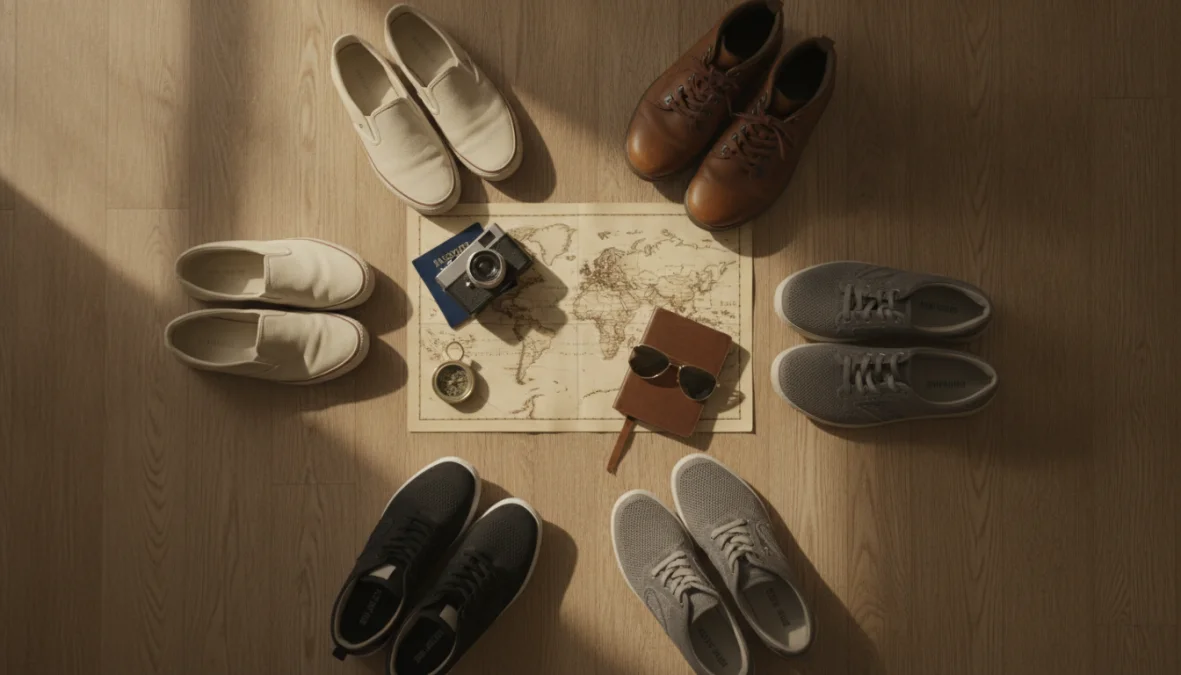
We’ve all been there: halfway through an amazing trip, your feet are screaming for mercy, covered in blisters, and suddenly every cobblestone street feels like a personal attack. The truth is, choosing the best travel shoes can make or break your adventure. Whether you’re navigating ancient ruins, pounding city pavements, or hiking mountain trails, your footwear is arguably the most important item you’ll pack. Let’s dive into everything you need to know about selecting the perfect travel shoes for your next journey.
What Makes the Best Travel Shoes: Essential Features to Look For
Not all shoes are created equal, and what works for your daily commute might leave you hobbling on vacation. The best travel shoes combine several crucial characteristics that transform them from ordinary footwear into your travel companion.
Comfort tops the list—you’ll likely walk 15,000 to 20,000 steps daily while traveling, far more than your typical routine. Look for cushioned insoles, proper arch support, and a fit that accommodates slight foot swelling after long days. Versatility matters because luggage space is precious; ideal travel footwear transitions seamlessly from daytime exploration to evening dining without looking out of place.
Durability ensures your shoes survive various terrains without falling apart mid-trip, while packability means they won’t consume half your suitcase. Speaking of space, as detailed in The Complete Packing Cubes Guide, efficient packing is essential for modern travelers.
Weight is critical—heavy boots might offer support but will tire your feet faster. Breathability prevents that swampy feeling and reduces odor (your travel companions will thank you). Finally, water resistance protects against unexpected rain or puddle-jumping adventures. The magic lies in balancing these features with style; nobody wants to look like they’re perpetually prepared for a mountaineering expedition when sipping espresso in Rome.
Best Travel Shoes by Trip Type and Destination
Your destination dictates your footwear needs. A beach resort requires different shoes than a backpacking trek through Patagonia. Here’s how to match your travel footwear to your adventure style.
Urban Exploration and City Breaks
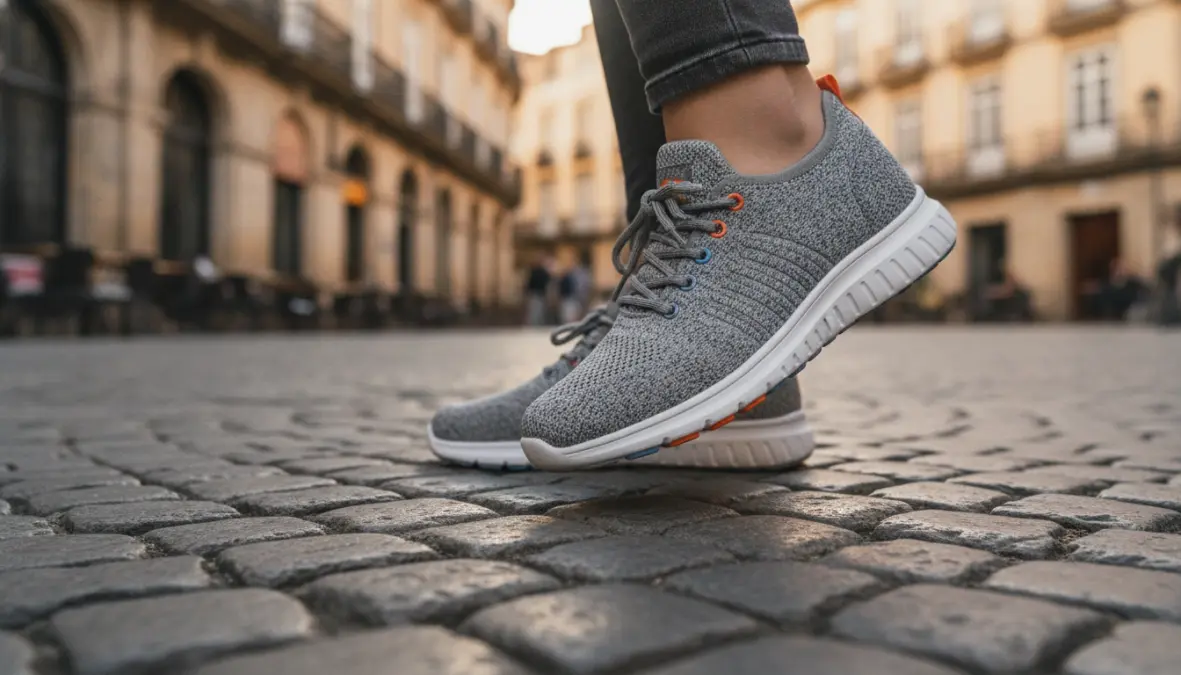
City travel means serious mileage on hard surfaces. The best walking shoes for urban exploration feature cushioned midsoles designed for pavement pounding, flexible outsoles that move naturally with your foot, and a style that doesn’t scream “tourist.”
Travel sneakers are the ultimate city companion—they’re comfortable enough for museum marathons yet presentable for restaurants. Look for leather or canvas options in neutral colors like black, grey, or navy that coordinate with multiple outfits. Slip-on styles offer airport security convenience and easy on-off when visiting temples or homes.
For destinations like Cape Town where you’ll mix city sightseeing with light trails, choose sneakers with some grip. When exploring islands like Santorini, remember those Instagram-famous stairs—comfortable walking shoes with good traction are essential. Memory foam insoles work wonders for all-day comfort, and shoes with a slightly wider toe box prevent pinching after hours of exploration.
Adventure and Outdoor Travel
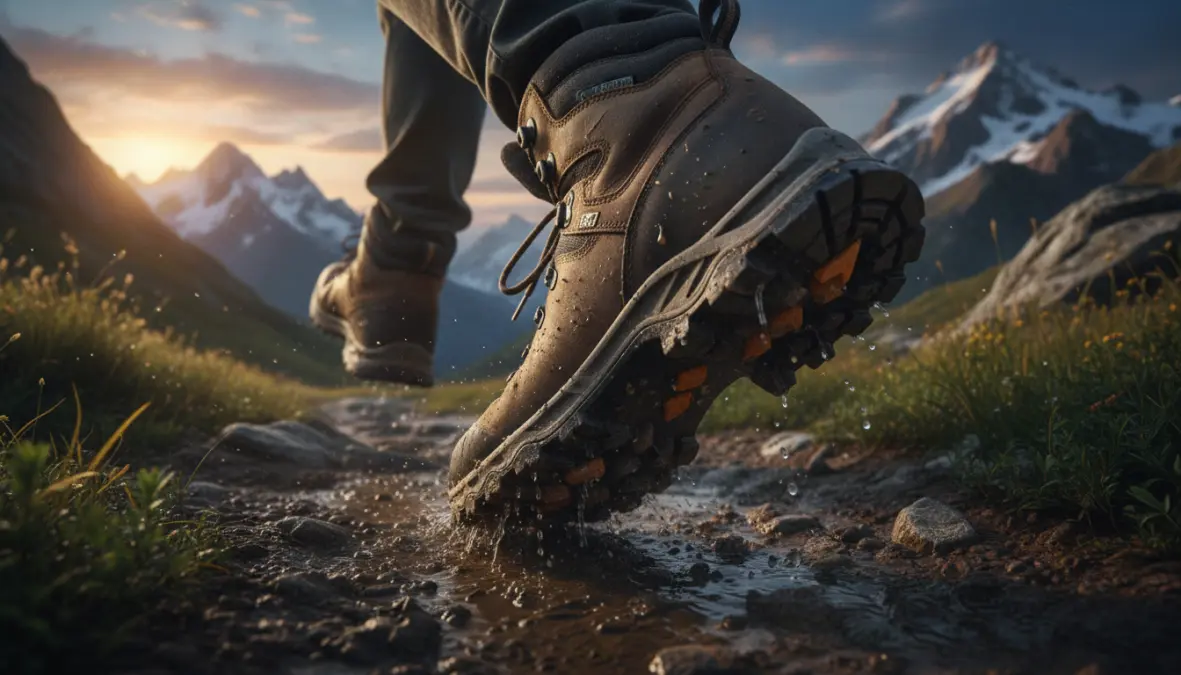
When your itinerary includes trails, mountains, or wilderness, your footwear requirements change dramatically. Hiking shoes provide ankle support and aggressive tread patterns for uneven terrain, essential for adventures like the journey to Machu Picchu.
The boots-versus-trail-runners debate depends on your specific needs. Trail runners offer lightweight agility perfect for well-maintained paths and fast-paced hiking. They dry quickly and pack smaller—ideal for multi-destination trips. However, boots provide superior ankle support for rough terrain, heavy backpacks, or unstable surfaces. Mid-height boots offer a compromise, protecting ankles without the bulk of full hiking boots.
Waterproof features are non-negotiable for rainforest destinations, stream crossings, or unpredictable weather. Look for Gore-Tex or similar membranes that keep water out while allowing sweat to escape. For beach and tropical destinations, pack quick-dry sandals with good arch support and sturdy straps—they’re perfect for water activities and casual evening wear. Consider footwear as part of your overall travel preparation, similar to arranging proper travel insurance—it’s essential protection for your journey.
FAQ: Common Questions About Choosing Travel Shoes
How many pairs of shoes should I pack?
Two to three pairs is the sweet spot for most trips. Pack one versatile walking shoe, one dressier option or sandal, and potentially a specialized pair (hiking boots, water shoes) if your activities demand it. Wear your bulkiest pair during travel to save luggage space.
Can one pair work for everything?
Possibly, but it’s risky. While hybrid shoes exist, they often compromise—not quite supportive enough for serious hiking, not quite stylish enough for nicer venues. For short city breaks, yes, one excellent pair of travel sneakers might suffice. For diverse itineraries, two pairs provide better coverage without excessive packing.
How do I break in travel shoes?
Never debut new shoes on your trip. Wear them for at least two weeks before departure, gradually increasing walking duration. Wear them with the socks you’ll travel with, and simulate trip conditions—walk on similar surfaces to your destination. This prevents the nightmare of breaking in shoes while exploring Cuba’s colonial streets or anywhere else.
What about dress codes?
Research your destinations. Some religious sites, upscale restaurants, or cultural venues require covered shoes. Dark leather sneakers or loafers often satisfy smart-casual requirements while remaining comfortable. For formal occasions, consider packable ballet flats or thin-soled dress shoes that compress easily.
Are expensive travel shoes worth it?
Quality footwear is an investment in comfort and health. Premium brands often provide better arch support, superior materials, and longer lifespan. However, expensive doesn’t automatically mean better—focus on fit and features over price tags. A $200 shoe that causes blisters is worthless compared to a $80 pair that fits perfectly.
Choosing the best travel shoes requires honest assessment of your travel style, destinations, and personal comfort needs. Your feet carry you through every adventure—treat them well, and they’ll take you anywhere. Consider footwear part of mindful travel planning, aligned with practices like sustainable travel—investing in quality reduces waste from disposable shoes. Download helpful travel apps to track your daily steps and find the best walking routes, then let your perfect travel shoes carry you toward unforgettable experiences. Happy trails!