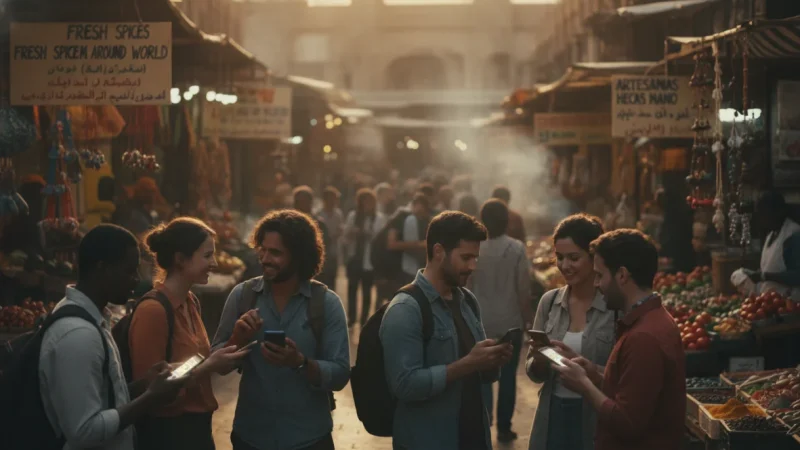
Travel During Ramadan: Complete Guide to Visiting Muslim Countries
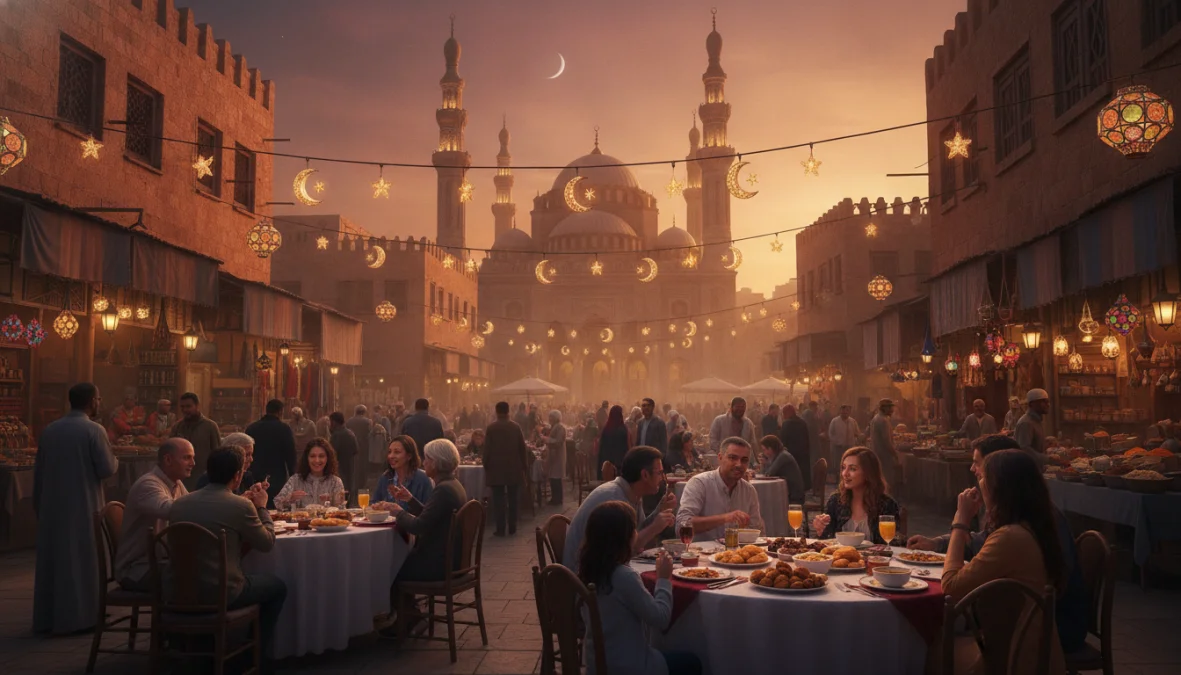
Picture this: the sun sets over a bustling Middle Eastern city, and suddenly the streets come alive with the aroma of grilled meats, fresh dates, and spiced tea. Lanterns illuminate outdoor tables where families gather, and the energy shifts from quiet contemplation to joyful celebration. This is travel during Ramadan—a time that offers adventurous travelers a window into one of Islam’s most sacred and culturally rich periods. While some might hesitate to visit Muslim countries during this holy month, those who do often discover unforgettable experiences that go far beyond typical tourism.
Understanding Ramadan and What It Means for Travelers
Ramadan is the ninth month of the Islamic lunar calendar, when Muslims worldwide fast from dawn to sunset, abstaining from food, drink, and other physical needs. For travelers interested in ramadan tourism, understanding this sacred practice is essential. The dates shift approximately 10-11 days earlier each year because the Islamic calendar follows lunar cycles, meaning Ramadan can fall in any season.
During fasting hours, which typically last 12-16 hours depending on location and season, observant Muslims refrain from eating and drinking. But don’t let this deter you from visiting. The atmosphere in Muslim countries during Ramadan is absolutely special—cities transform into vibrant cultural hubs after sunset, with streets filled with festive decorations, special night markets, and communal iftar meals that break the daily fast.
There are genuine advantages to travel during ramadan. Hotels and flights often offer lower prices, tourist attractions are less crowded during daytime hours, and you’ll experience authentic cultural traditions that aren’t available any other time of year. The month culminates in Eid al-Fitr, a joyous celebration marking the end of Ramadan with feasts, gifts, and festivities that rival any holiday celebration worldwide.
Essential Ramadan Travel Tips and Cultural Etiquette
Successfully navigating visiting muslim countries during ramadan requires cultural sensitivity and awareness. This comprehensive ramadan travel guide will help you respect local customs while enjoying your journey.
First and foremost, avoid eating, drinking, or smoking in public during daylight hours. While muslim countries ramadan rules vary by destination, public consumption during fasting hours is generally considered disrespectful and can even be illegal in some conservative areas. Many tourists wonder can tourists eat during ramadan in dubai—the answer is yes, but only in designated spaces like hotel restaurants, shopping mall food courts, or private areas.
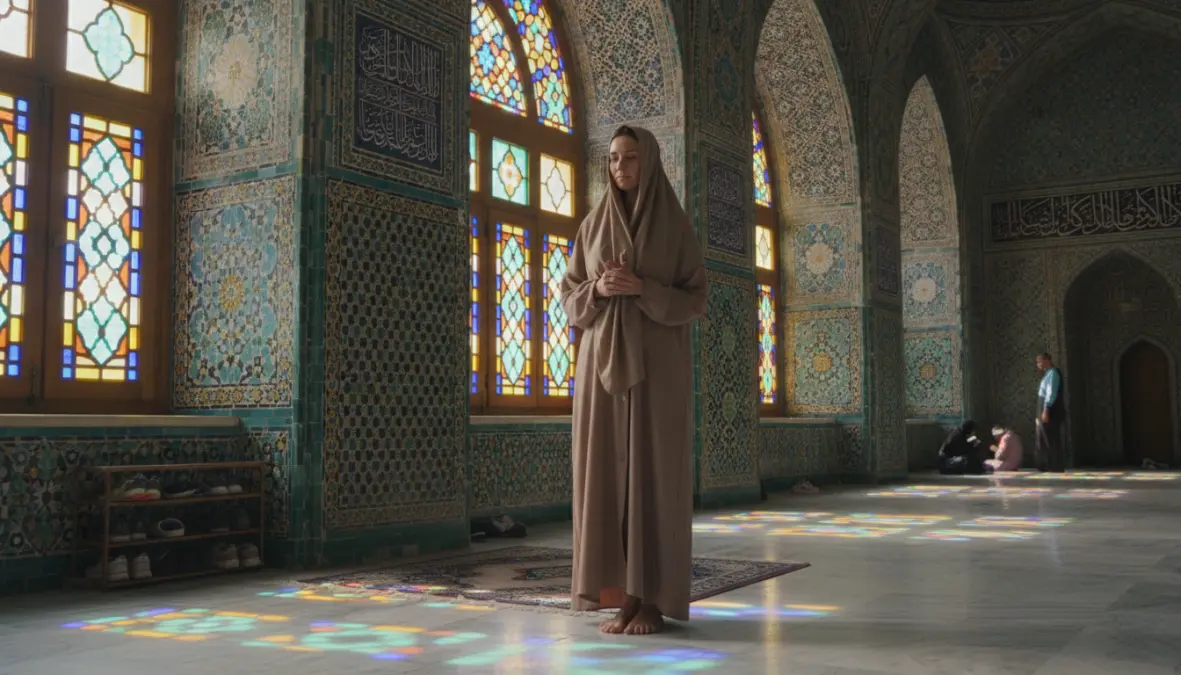
Modest clothing becomes even more important during Ramadan. Women should cover shoulders and knees at minimum, while men should avoid sleeveless shirts. When visiting mosques—which often hold special prayer times and Taraweeh prayers during Ramadan—proper mosque etiquette requires removing shoes, women covering their hair, and everyone dressing conservatively. Many mosques welcome respectful visitors outside of prayer times.
Expect modified schedules everywhere. Government offices, shops, and tourist attractions often operate on reduced hours, typically opening late morning and closing in the afternoon, then reopening after iftar until late evening. Restaurants serving the public may be closed during the day or have curtained-off sections for non-fasting diners. Planning ahead and checking opening times daily will save frustration.
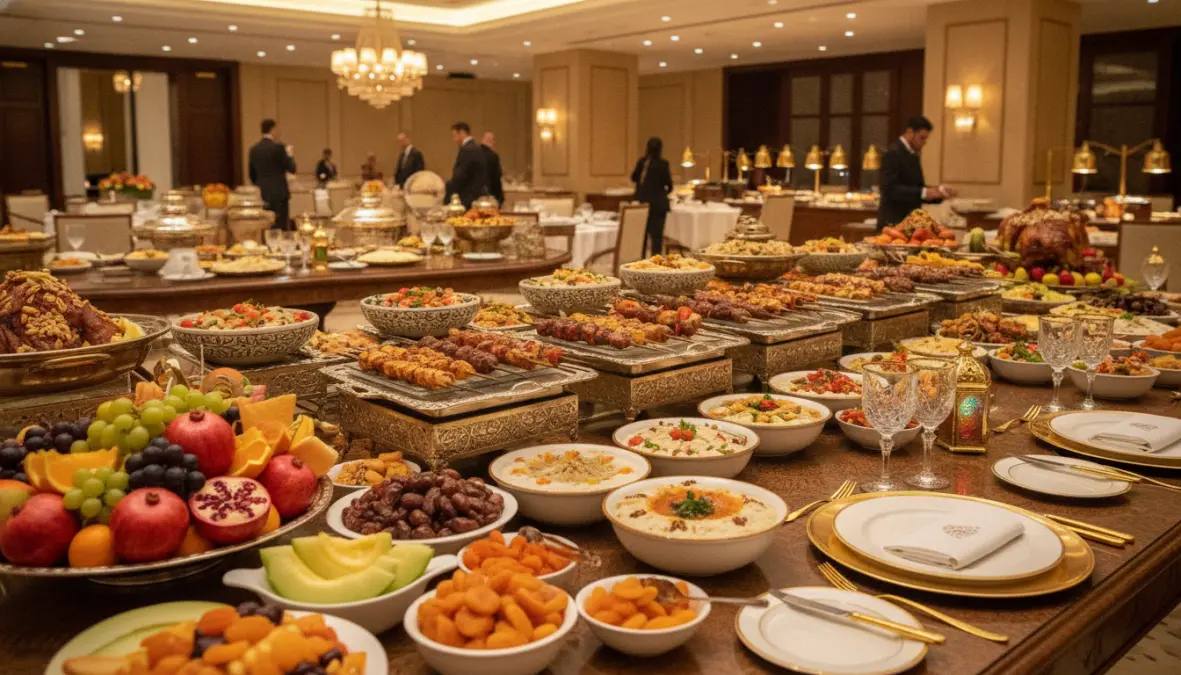
One of the most rewarding experiences is participating in iftar. Many hotels offer lavish iftar buffets, while mosques and charitable organizations provide free community meals. Accepting an invitation to break fast with locals offers incredible cultural insight. Just remember to wait for the call to prayer before eating, and don’t photograph people eating without permission—asking respectfully first shows proper etiquette.
If you’re concerned about finding halal food, rest assured it’s abundantly available. Even during the day, room service at hotels continues, and many tourist areas maintain discreet dining options. Pack snacks in your bag and eat privately if needed. Similar to how you’d organize your travel essentials efficiently, planning your daily eating strategy makes everything smoother.
Popular Destinations: Country-Specific Ramadan Travel Insights
Understanding what to expect when traveling during ramadan depends heavily on your destination. The experience of traveling to dubai during ramadan differs vastly from traveling to more conservative countries.
Dubai and the UAE represent perhaps the most tourist-friendly Ramadan experience. The emirate strikes a balance between respecting religious traditions and accommodating international visitors. Hotels, mall restaurants, and tourist areas continue serving food during daylight hours, though often behind screens. Dubai even hosts the famous Ramadan Night Market and shopping festivals with extended evening hours and special discounts. The city’s cosmopolitan nature means enforcement is relatively relaxed in tourist zones, though public respect is still expected.
Turkey offers a festive Ramadan atmosphere, particularly in Istanbul. The city’s mosques illuminate beautifully, and the historic Sultanahmet area comes alive with street vendors selling traditional Ramadan pide (flatbread) and other specialties after sunset. Turkish culture embraces the celebratory aspects of Ramadan, with evening concerts and events. Restaurants in tourist areas generally remain open, and Turkey’s secular traditions mean travelers face fewer restrictions.
For those interested in traveling to morocco during ramadan tips, expect one of the most authentic experiences. Cities like Marrakech and Fes transform dramatically—Jemaa el-Fna square becomes a massive open-air iftar venue with food stalls appearing at sunset. If you’re planning to explore beyond the medinas, our Chefchaouen travel guide offers insights into this stunning blue city. Morocco’s approach is traditional but welcoming; finding daytime dining requires seeking hotel restaurants, but the evening energy is unmatched.
Egypt maintains traditional Ramadan observance while keeping major tourist sites like the Pyramids and Luxor temples open. Cairo’s Khan el-Khalili bazaar becomes especially atmospheric with Ramadan decorations and special evening shopping hours. Be prepared for slower daytime service as fasting affects energy levels, but appreciate the unique cultural immersion.
Indonesia and Malaysia take more relaxed approaches, especially in tourist areas like Bali (Hindu-majority) or Kuala Lumpur’s international districts. These countries among the best muslim countries to visit during ramadan for first-timers, offering cultural experiences without strict enforcement. Street food continues in many areas, and the festive Ramadan bazaars (Pasar Ramadan) offer incredible culinary adventures.
FAQ: Common Questions About Traveling During Ramadan
Can I eat in public during Ramadan?
In most Muslim countries, eating, drinking, or smoking in public during daylight hours is discouraged and sometimes illegal. However, hotels, designated tourist areas, and private spaces typically allow non-fasting visitors to eat discreetly.
Are restaurants open during the day?
This varies by country and location. Tourist-focused restaurants in hotels and major attractions often remain open but may screen dining areas. Local restaurants typically close until sunset. Always check ahead or ask your hotel for recommendations.
Is it safe to travel during Ramadan?
Absolutely. Is it safe to travel during ramadan is a common concern, but the answer is yes—in many ways, it’s safer. Crime rates often drop during the holy month, and the atmosphere is peaceful and family-oriented. Just exercise normal travel precautions as you would anywhere, similar to being aware of common tourist scams worldwide.
Will tourist attractions be open?
Most major tourist sites remain open but with modified hours—often shorter daytime hours and extended evening hours. Some museums and government-run attractions may close entirely during the last few days before Eid. Always verify current schedules.
Can non-Muslims travel during Ramadan?
Definitely. The question of can non muslims travel during ramadan has a clear answer: visitors of all faiths are welcome. Understanding how to respect ramadan while traveling simply means being culturally aware and considerate—dressing modestly, avoiding public eating during fasting hours, and showing respect during prayer times.
Traveling during Ramadan isn’t just possible—it’s an opportunity to experience Muslim cultures at their most vibrant and welcoming. The initial concerns about restrictions fade quickly when you witness the generosity, hospitality, and joyful spirit that characterize this sacred month. Whether you’re breaking fast with strangers who become friends, exploring quieter-than-usual tourist sites, or simply observing the beautiful transformation of cities at sunset, Ramadan travel offers something truly special. Approach it with respect, flexibility, and an open heart, and you’ll return home with stories and experiences that typical tourism simply cannot provide. So pack your bags (don’t forget to pack smart!), adjust your expectations, and prepare for an unforgettable cultural journey.