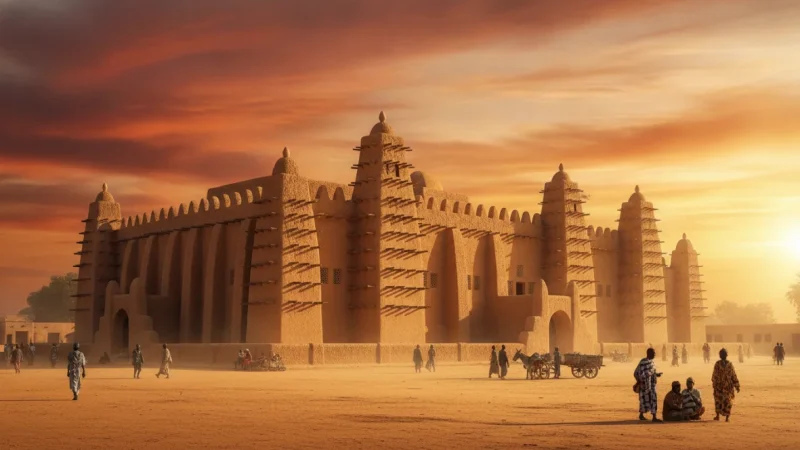
Fes Medina Guide: Complete Walking Tour Through Morocco’s Ancient Tanneries
Stepping into the Fes medina is like walking through a portal to medieval times. The air fills with the scent of spices, leather, and centuries of history packed into a maze of over 9,000 alleyways. This fes medina guide will help you navigate one of the world’s most fascinating urban labyrinths, with special focus on the legendary tanneries that have been producing moroccan leather using the same techniques for over a thousand years. Whether you’re planning a self guided walking tour fes medina or just want to know what to see in fes medina morocco, this complete guide has you covered.
Navigating Fes el Bali: Essential Tips for Your Walking Tour
The fes old medina, officially known as Medina Fes el Bali, is the largest car-free urban area in the world and a UNESCO World Heritage site. With its 9,400 winding alleyways spread across 300 hectares, getting lost isn’t a possibility—it’s a certainty. But that’s part of the adventure when you embark on a walking tour fes.
Start your exploration at Bab Boujloud, the iconic blue gate that serves as the main entrance to the fes ancient city. This ornate gateway, adorned with stunning tilework, is easily accessible and offers a logical starting point. Alternatively, Bab Rcif provides access closer to the tanneries if that’s your primary destination. Most visitors spend 4-6 hours exploring the medina, though you could easily fill an entire day.
The best time for your fes morocco walking tour is early morning (8-10am) when the maze of alleyways is less crowded and the light is perfect for photography. Locals are setting up their shops, and you’ll experience authentic daily life before the tourist groups arrive. Avoid Friday mornings when many businesses close for prayers.
Regarding guides versus solo exploration: official guides cost around 150-200 dirhams for a half-day tour and can provide valuable historical context while helping you avoid common travel scams like fake “students” offering to show you around for a fee. However, if you’re comfortable with getting lost and finding your way, solo exploration offers more flexibility and spontaneity.
Dress modestly out of cultural respect—shoulders and knees covered for both men and women. Wear comfortable, closed-toe shoes as the ancient stones can be slippery and uneven. Keep valuables secure but don’t be overly paranoid; the medina is generally safe during daylight hours. Be polite but firm with persistent vendors, and remember that “no thank you” (“la shukran”) is a complete sentence.
The Legendary Fes Tanneries: A Complete Visitor’s Guide
The fes tanneries tour represents the absolute highlight for most visitors to fes morocco medina. These fes leather tanneries have been operating continuously since medieval times, using techniques that would be recognizable to craftsmen from the 11th century. If you’re wondering how to visit fes tanneries medina, here’s everything you need to know.
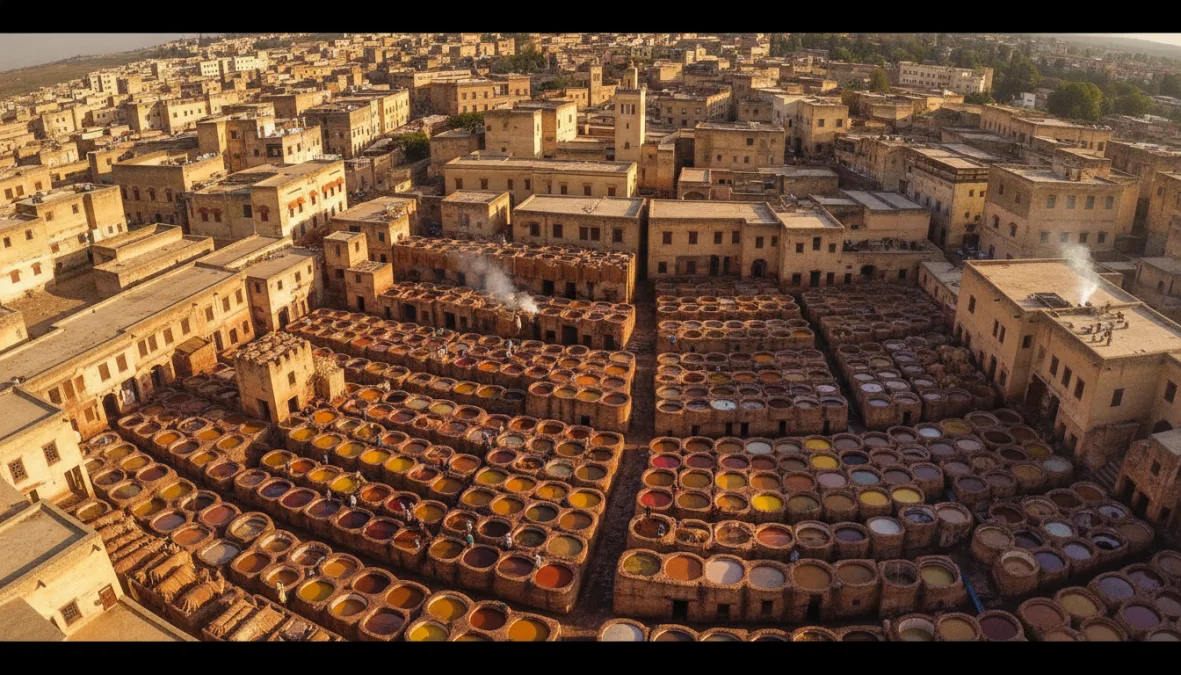
Chouara Tannery is the largest and most photographed of the tanneries in Fes el Bali. The iconic view of dozens of stone vessels filled with rainbow-colored dyes has graced countless magazine covers and Instagram feeds. The tannery processes hundreds of animal hides daily—primarily cow, sheep, and goat—transforming them into the high-quality moroccan leather sold throughout the souks.
The complete guide to fes morocco tanneries must explain the fascinating process. First, hides are soaked in a mixture of cow urine, quicklime, water, and salt for softening—this takes 2-3 days. Workers then scrape away remaining hair and fat before transferring the hides to the traditional dyeing pits. The vibrant colors come from natural sources: red from poppies, yellow from saffron, blue from indigo, orange from henna, and brown from cedar bark.
The best viewpoints are the leather shop terraces surrounding the tannery. Shop owners invite visitors to their rooftops for free, though there’s an expectation you’ll browse their merchandise afterward. The optimal time for photography is mid-morning (10am-noon) when sunlight illuminates the colorful vats without harsh shadows.
Let’s address the elephant in the room: the smell. The mixture of decomposing organic matter, pigeon droppings (used for softening), and chemicals creates an overwhelming odor. Vendors offer fresh mint sprigs to hold under your nose—accept them! The scent is intense but manageable with the mint, and you’ll acclimate after 10-15 minutes.
Regarding purchases, leather goods range from 200-2,000 dirhams depending on quality and size. Jackets, bags, and babouches (traditional slippers) are popular items. Always negotiate—starting prices are typically 3-4 times the final amount. Quality varies tremendously, so examine stitching, leather suppleness, and finishing before committing. Be aware that not all “leather” sold near the tanneries is genuine or locally produced.
Beyond the Tanneries: Must-See Stops in Your Fes Medina Walking Route
The best walking tour through fes medina connects multiple landmarks in a logical route. After the tanneries, head to Bou Inania Madrasa, a 14th-century Quranic school featuring breathtaking tilework, carved cedar, and intricate stucco. Entry costs 20 dirhams and it’s one of the few religious buildings non-Muslims can enter.
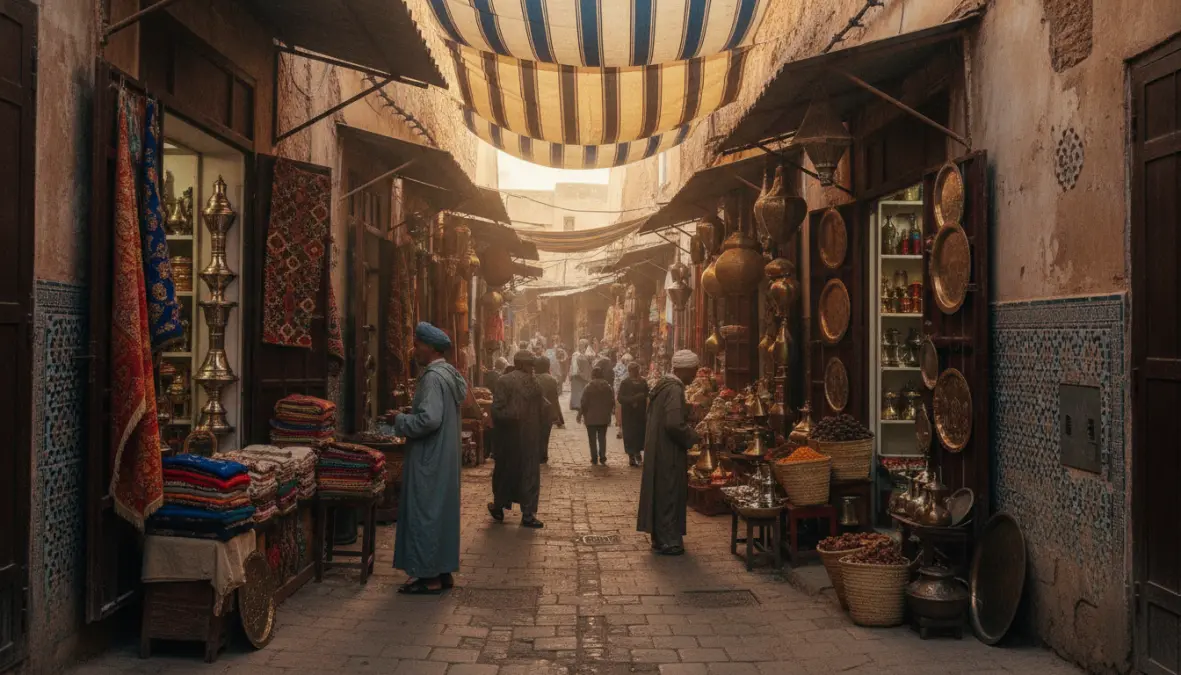
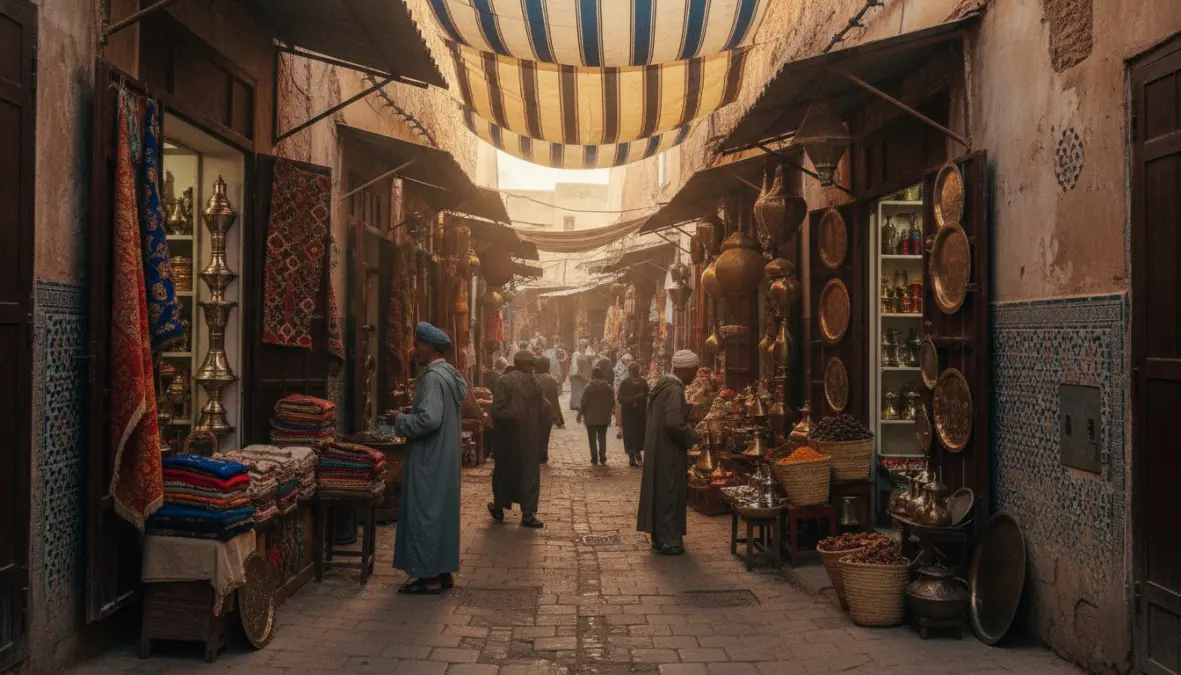
Continue to the nearby Madrasa Al-Attarine, smaller but equally stunning, then wind through the medina souks specializing in spices, textiles, and metalwork. Place Seffarine, the coppersmiths’ square, offers a sensory overload of craftsmen hammering brass and copper vessels—the rhythmic metallic ringing has echoed here for centuries.
The Al-Qarawiyyin University and Mosque complex, founded in 859 AD and recognized by UNESCO as the world’s oldest continuously operating university, anchors the medina spiritually and intellectually. While non-Muslims cannot enter, you can peek through the doorways at the magnificent courtyard.
The Nejjarine Museum of Wooden Arts and Crafts, housed in a beautifully restored funduq (caravanserai), showcases traditional artisan workshops techniques. The rooftop café provides a peaceful respite with excellent views. For a truly immersive fes medina tanneries walking route, allow 5-6 hours to connect these highlights without rushing.
Practical Information for Your Fes Medina Experience
This section covers the nuts and bolts of your fes morocco walking tour. Taxis cannot enter the medina, so you’ll be dropped at one of the gates. The Bab Boujloud parking area charges 10-20 dirhams for the day. Official guides with government certification cost 200-300 dirhams for a full day, while unofficial guides charge 100-150 dirhams but may take you to shops where they earn commissions.
Budget 500-800 dirhams per person for a full day including entry fees, lunch, purchases, and guide. For meals, Restaurant Nejjarine near the museum offers traditional Moroccan cuisine in a beautiful setting (80-120 dirhams per person). Café Clock serves fusion dishes and hosts cultural events. For authentic street food, try the stalls near Bab Boujloud serving harira soup and fresh bread for 20-30 dirhams.
Public toilets are scarce and often require 2-5 dirhams. Cafés and restaurants allow restroom use for customers. Essential items for your daypack include comfortable walking shoes, bottled water (available throughout the medina for 5-10 dirhams), your camera, sunscreen, and plenty of cash—many vendors don’t accept cards. Similar to planning any major travel adventure like visiting Machu Picchu, organization is key to maximizing your experience.
Apps like Maps.me offer offline navigation, though GPS accuracy can be spotty in the narrow alleyways. Download the map before arriving. Accessibility is extremely limited—the medina’s uneven surfaces, steps, and narrow passages make wheelchair access nearly impossible. Consider comprehensive travel insurance that covers medical emergencies.
If time permits, combine your fes ancient city exploration with a visit to Fes el Jdid (the “new” medina from the 13th century), home to the Royal Palace gates and the mellah (Jewish quarter). This adds 2-3 hours but provides valuable historical context.
The fes medina guide experience will challenge and delight you in equal measure. You’ll negotiate with shrewd merchants, witness centuries-old crafts, get hopelessly lost in the maze of alleyways, and emerge with stories, photographs, and perhaps some beautiful leather goods. The key is embracing the chaos, respecting the culture, and allowing yourself to be transported to a world where time moves differently. Just like any great adventure, preparation enhances the experience without diminishing the magic. Now grab your comfortable shoes, charge your camera, and prepare for one of travel’s most unforgettable urban adventures.