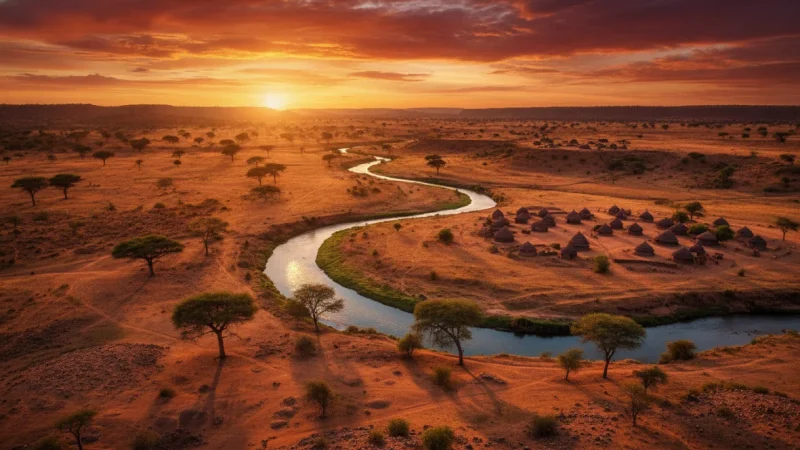
South Luangwa Walking Safari: Complete Guide to Zambia’s Best Wildlife Park
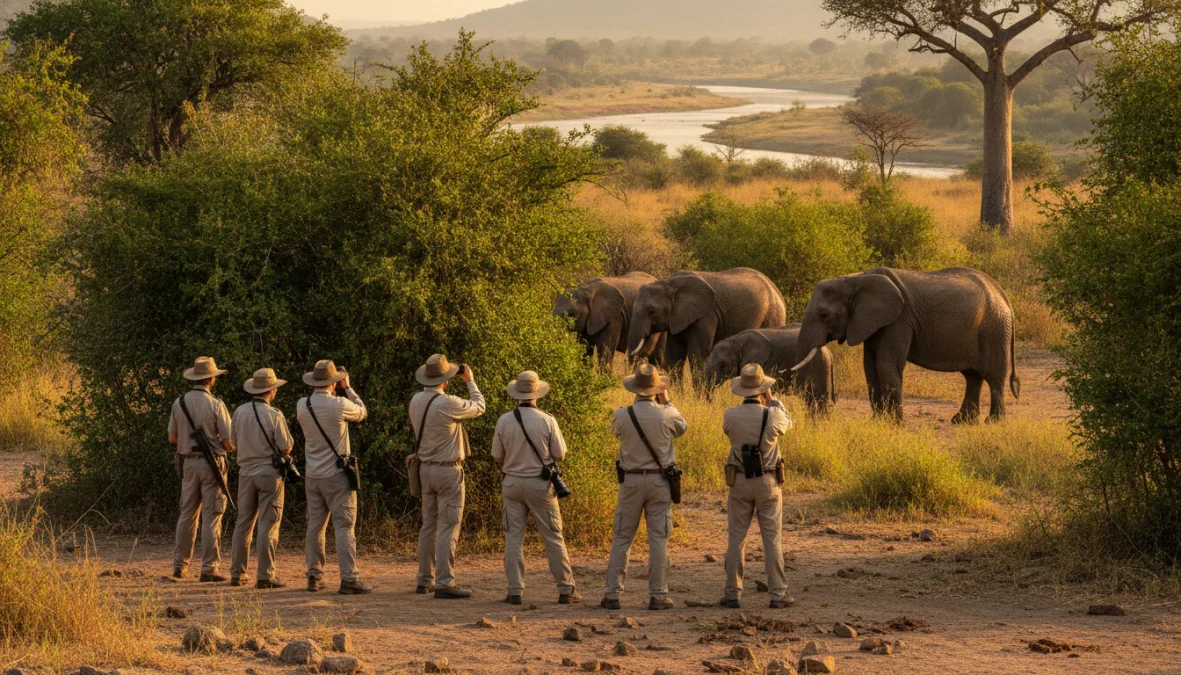
Picture this: you’re walking through the African bush, no engine noise, no vehicle barrier—just you, an armed professional safari guide, and the raw wilderness of the Luangwa Valley. A herd of elephants crosses your path 30 meters ahead, and your heart races as a leopard’s tracks appear fresh in the sand beneath your feet. This is what a south luangwa walking safari offers, and it’s an experience that transforms how you understand wildlife and your place in nature.
Why South Luangwa Is Africa’s Best Walking Safari Destination
South Luangwa National Park isn’t just another wildlife reserve—it’s the birthplace of the walking safari concept. Back in the 1950s, pioneering conservationist Norman Carr introduced the first guided bush walks here, forever changing how travelers experience African wildlife. His legacy lives on through Norman Carr Safaris and the park’s exceptional guiding standards that set the benchmark for walking safari Zambia experiences continent-wide.
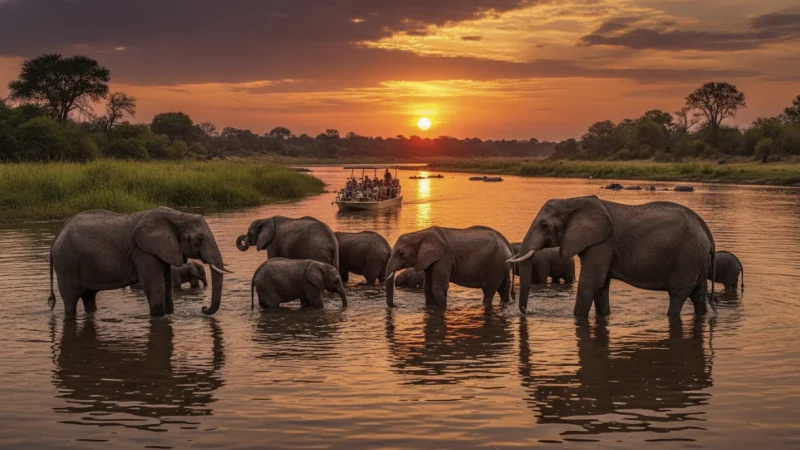
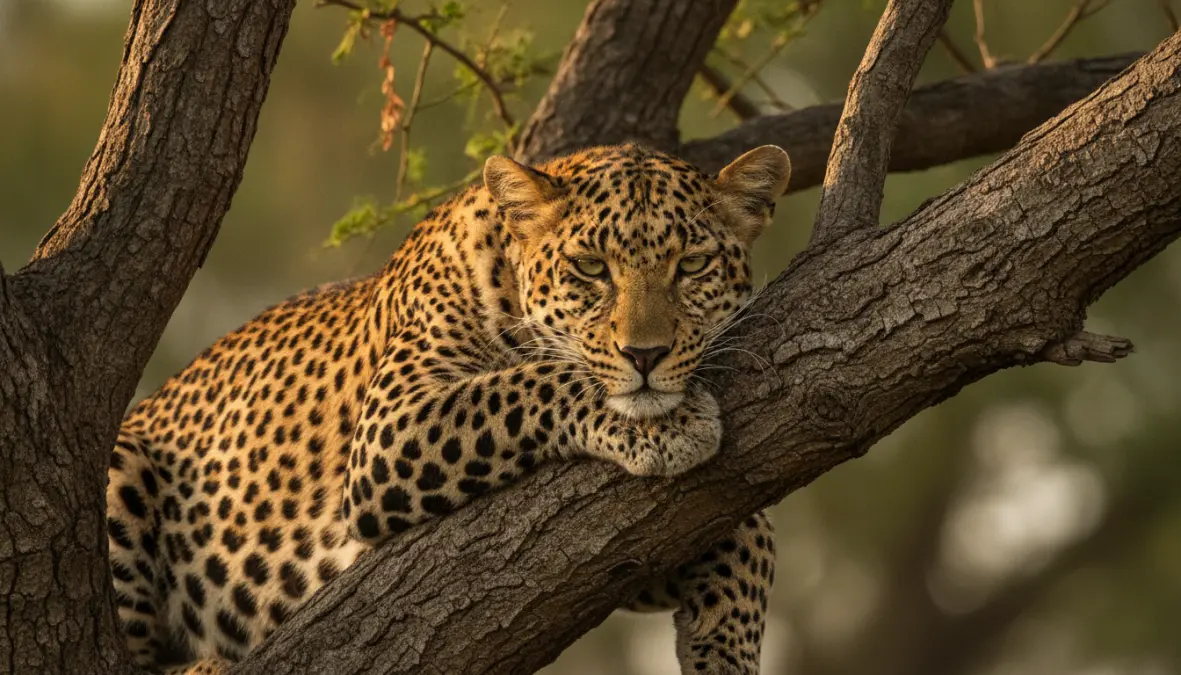
What makes this the best walking safari Africa destination? The numbers speak volumes. South Luangwa boasts one of the highest concentrations of leopards anywhere on the planet, alongside substantial populations of elephants, hippos, buffalo, and the endemic Thornicroft giraffe found nowhere else on Earth. During the dry season (June through October), wildlife congregates along the Luangwa River in staggering densities, creating unparalleled viewing opportunities.
Unlike the vehicle-dominated safaris of Tanzania’s Serengeti or Kenya’s Masai Mara, South Luangwa’s ecosystem and regulations actively favor walking experiences. The terrain—a mix of mopane woodland, riverine forest, and open floodplains—is perfect for foot exploration. The Luangwa Valley‘s remoteness and lower tourist numbers compared to East African parks mean you’ll encounter wildlife in genuine solitude, often spending entire days without seeing another safari group. This remote wilderness experience simply can’t be replicated in more commercialized destinations.
Planning Your Luangwa Walking Safari Experience
Getting your luangwa walking safaris right requires understanding seasons, safari formats, and what a typical day actually involves. The planning phase determines whether you’ll have a good safari or an extraordinary one.
Best Time to Visit and Safari Types
The best time for walking safari south luangwa depends on what you’re after. The dry season (June-October) offers prime conditions: animals concentrate around permanent water sources, vegetation thins out for better visibility, and walking conditions are comfortable with minimal mud and cooler temperatures. September and October see the highest wildlife densities but also peak temperatures reaching 35-40°C.
The emerald season (November-April) presents a different proposition. While many camps close and walking can be limited during heavy rains, the shoulder months of November and April offer lush landscapes, incredible birdlife, and dramatically lower prices. However, for classic zambia wildlife walking tours, stick to June through October.
Safari formats vary considerably. Day walks typically last 2-4 hours and return you to your lodge or camp. Multi day walking safari south luangwa experiences are where the magic intensifies—you’ll trek between mobile bush camps, covering 10-15km daily, sleeping under canvas in truly remote areas. Most operators recommend a minimum 5-night stay to combine multiple walking safaris with game drives, creating the perfect balance many travelers seek when comparing south luangwa walking safari vs game drive options.
What to Expect on Your Walking Safari
A typical walking safari day starts early—around 6am with coffee and rusks before setting off into the cool morning air. Your professional safari guide, armed and extensively trained, leads a group of 4-6 guests maximum. You’ll cover 5-10km depending on the terrain and encounters, moving slowly and stopping frequently to examine tracks, discuss ecology, and observe wildlife.
The fitness requirement is moderate—if you can comfortably walk 2-3 hours with occasional stops, you’ll manage fine. It’s more about mental alertness than physical prowess. Leopard sightings, elephant encounters, and the big five wildlife (minus rhinos, which are absent from the park) are genuine possibilities, though walking safaris prioritize quality over quantity. You might spend 20 minutes observing a single carmine bee-eater colony or tracking a pride of lions based on fresh spoor.
Safety protocols are stringent. Guides carry rifles but use them as last-resort deterrents—professional knowledge and reading animal behavior keep situations from escalating. You’ll learn proper etiquette: stay in single file, no talking when approaching animals, follow guide instructions immediately. What to pack for south luangwa walking safari essentials include neutral-colored clothing (khaki, olive, brown), lightweight long pants for thorn protection, broken-in walking boots, sun hat, and quality binoculars. Leave the bright colors and fragrances at home.
Choosing Your South Luangwa Safari Base and Operators
Where you base yourself significantly impacts your south luangwa walking safari experience. The Mfuwe area in the southern section offers easier access, more accommodation options, and excellent general game viewing but sees higher visitor numbers. The remote northern sectors—Nsefu, Tena Tena, Chikoko—deliver that authentic remote wilderness experience with specialized bushcamp accommodation and fewer tourists.
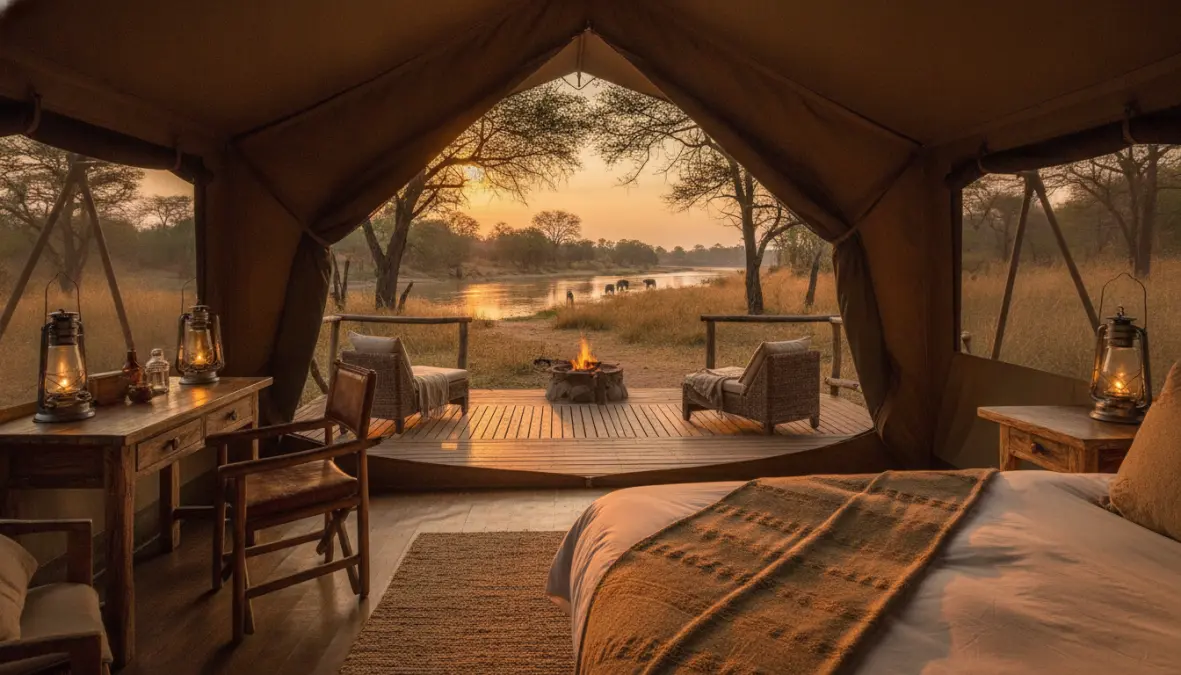
Accommodation ranges from luxury lodges with plunge pools to authentic mobile camps where canvas and kerosene lamps are your only amenities. For dedicated walking enthusiasts, bushcamps operated by specialists offer the most immersive experience. South luangwa walking safari operators like Norman Carr Safaris, Remote Africa Safaris, and Robin Pope Safaris pioneered the concept and maintain the highest guiding standards with extensively certified guides.
Access involves flying to Mfuwe Airport from Lusaka (1-hour flight) or undertaking the 10-hour road transfer—most international visitors choose flights. The south luangwa walking safari cost ranges from $400-800 per person per night depending on season and accommodation level, typically all-inclusive of meals, activities, park fees, and local transfers. This represents exceptional value compared to premium East African safari destinations, particularly when you consider the quality of guiding and exclusivity. If you’re budget-conscious but seeking African adventure, you might also enjoy our guide to Kruger Self Drive Safari, though nothing quite matches walking among wildlife.
Frequently Asked Questions
How safe are walking safaris in south luangwa? Extremely safe when conducted with qualified guides. Serious incidents are remarkably rare—your guide’s training and experience in reading animal behavior prevents dangerous situations before they develop.
Do I need to be very fit? Moderate fitness suffices. If you can walk comfortably for 2-3 hours with rest breaks, you’re fine. Terrain is generally flat with some sandy sections.
Can children participate? Most operators require participants to be 12-16+ years depending on the safari type. Multi-day mobile safaris typically have higher age minimums (16+) than day walks from lodges.
What’s the real difference between walking and game drives? Walking engages all your senses—you smell, hear, and experience the bush at ground level. Game drives cover more ground and offer better photographic opportunities, but walking creates deeper connection and understanding. The ideal safari combines both.
Which operator should I choose? For authentic walking experiences, stick with specialists: Norman Carr Safaris (the original), Remote Africa Safaris, Robin Pope Safaris, or Bushcamp Company. All maintain exceptional guiding standards and intimate camps.
There’s something profoundly transformative about experiencing Africa on foot—about being a participant rather than an observer, about understanding your place in the food chain, about reading the bush as our ancestors once did. A south luangwa walking safari delivers this and more, combining world-class wildlife encounters with genuine wilderness immersion in a park that literally invented the concept. Whether you’re an experienced safari-goer seeking something deeper or a first-timer wanting the most authentic African experience possible, the Luangwa Valley awaits your footprints. For those who catch the adventure bug, you might also explore our Rwanda Gorilla Trekking guide for another unforgettable African walking experience.