Mount Toubkal Trek: Complete Summit Guide and Berber Villages Experience
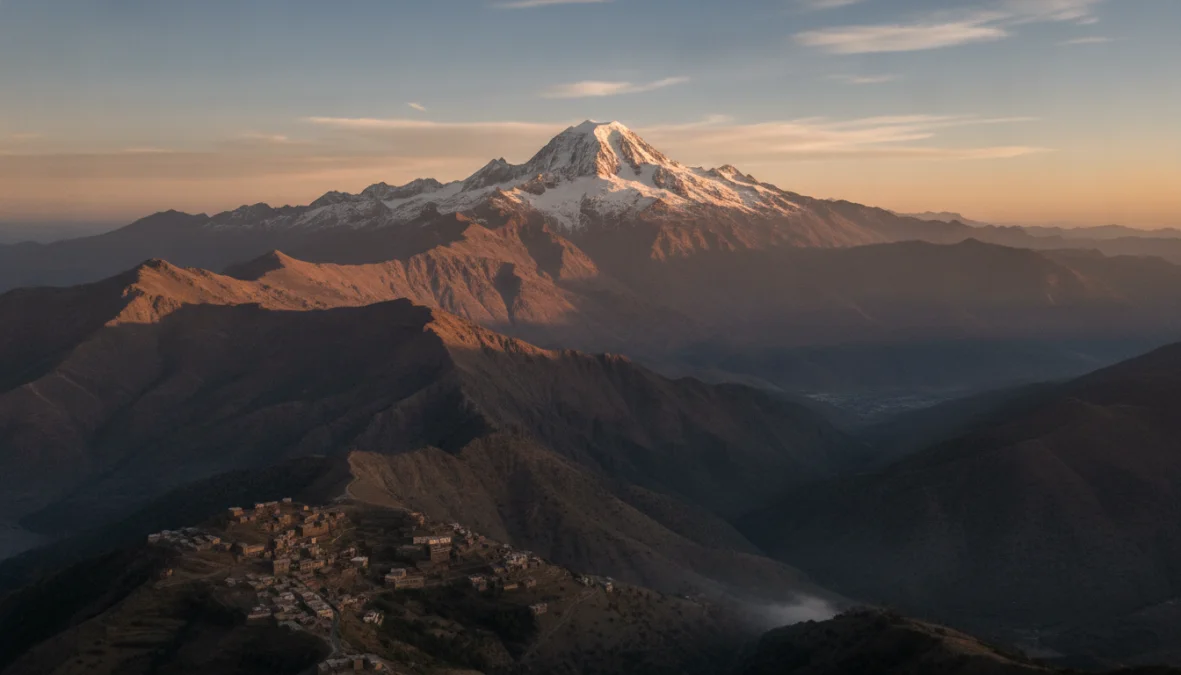
Standing at 4,167 meters above sea level, Mount Toubkal isn’t just the highest peak in the Atlas Mountains—it’s the crown jewel of North Africa. This challenging yet accessible mount toubkal trek combines spectacular mountain scenery with authentic Berber culture, taking you through ancient villages clinging to terraced hillsides and up to a summit that offers views stretching across Morocco and even to the Sahara on clear days. Whether you’re an experienced trekker looking for your next adventure or someone dreaming of their first high-altitude summit, Toubkal delivers an unforgettable experience that’s far more achievable than you might think.
Planning Your Mount Toubkal Trek: What You Need to Know
The mount toubkal trek begins in the charming village of Imlil, located about 90 minutes south of Marrakech. Getting there is straightforward—you can arrange shared taxis from Marrakech or book private transport through local agencies. Toubkal National Park doesn’t require advance permits for the standard route, making logistics refreshingly simple compared to many other morocco mountain trekking destinations.
The best time to trek mount toubkal depends on your experience level. Summer months (May through October) offer the most accessible conditions, with clear trails and minimal technical difficulty. Winter treks (December through March) transform the mountain into a serious alpine challenge requiring crampons, ice axes, and winter mountaineering skills. Spring and autumn provide pleasant temperatures and fewer crowds, though weather can be unpredictable.
Most trekkers complete a mount toubkal 2 day trek itinerary, though adding a third day allows for better acclimatization and a more relaxed pace. The toubkal trek difficulty level is considered moderate to challenging—you’ll gain roughly 1,500 meters of elevation on summit day, and the altitude affects everyone differently. Good cardiovascular fitness is essential, but technical climbing skills aren’t required for the standard summer route. Anyone comfortable with long hiking days and steep ascents can realistically reach the summit with proper preparation. Similar to other high-altitude treks like climbing Kilimanjaro, respecting the altitude is crucial for success.
The Toubkal Summit Route: Day-by-Day Itinerary and Trail Details
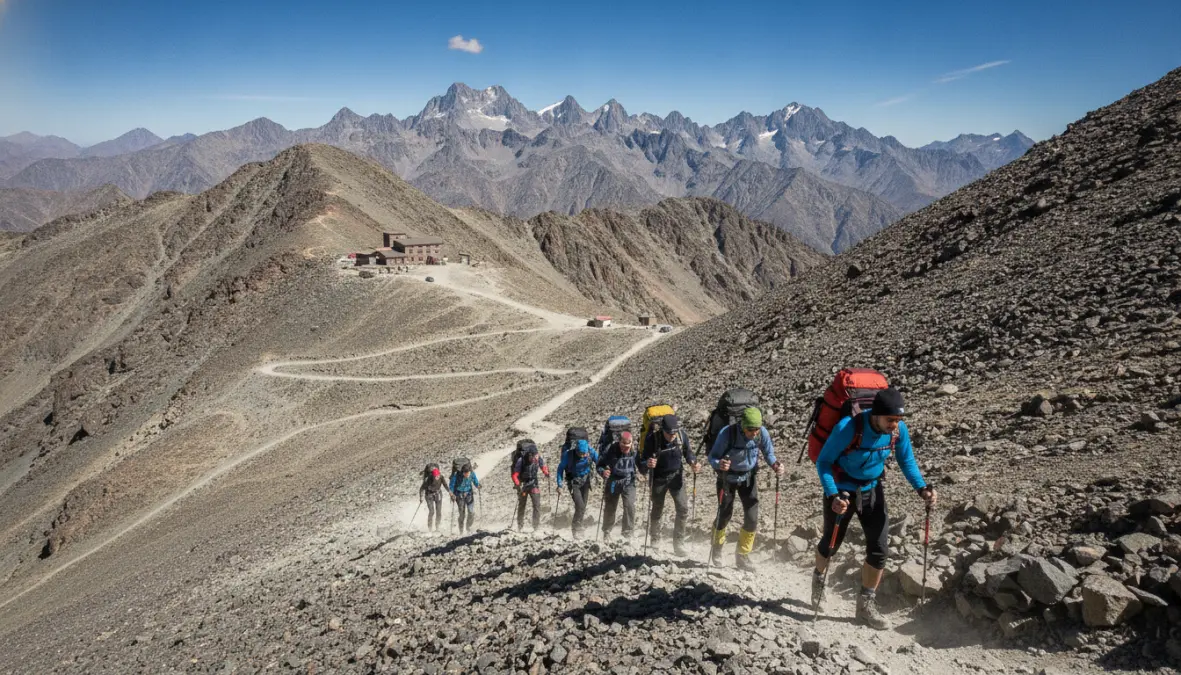
The classic toubkal summit guide follows a well-established path that thousands of trekkers complete annually. Day one typically begins in Imlil village (1,740m), where you’ll register and start the 5-6 hour trek to Refuge du Toubkal (3,207m), also known as Toubkal Refuge or Les Mouflons. The trail winds through the picturesque village of Aremd, then continues up the valley past the shrine village of Sidi Chamharouch, a pilgrimage site that adds spiritual dimension to your mount toubkal hiking experience. The toubkal base camp trek distance covers approximately 10 kilometers with steady elevation gain.
The refuge provides basic dormitory accommodation with meals included—think hearty tagines and mint tea. Beds are simple mattresses with blankets, so many trekkers bring sleeping bag liners for extra warmth and hygiene. The atmosphere is communal, with hikers from around the world sharing stories and anticipation for the summit push ahead.
Summit Day: What to Expect on Your Jebel Toubkal Climb
Your jebel toubkal climb begins before dawn, typically around 4-5am. Headlamps illuminate the rocky trail as you begin the 3-4 hour ascent to the summit. The path switchbacks steadily upward through scree fields, becoming steeper and more exposed as you gain elevation. In summer, the route is a straightforward scramble requiring no technical equipment. Winter conditions tell a different story—a mount toubkal winter trek guide will equip you with crampons and potentially rope up for icy sections that transform the mountain into a genuine alpine challenge.
The final push to the summit tests your determination as altitude makes every step more laborious. Understanding how to manage altitude sickness becomes critical at this elevation. Reaching the triangulation pillar at the top rewards you with breathtaking 360-degree views across the High Atlas Mountains, with valleys dropping dramatically away and neighboring peaks stretching to the horizon. On exceptional days, you can spot the Anti-Atlas ranges and even glimpse the Sahara’s golden edge. After soaking in the views and obligatory summit photos, you’ll descend back to the refuge (2-3 hours), collect your belongings, and continue down to Imlil, completing the circuit in one long but satisfying day.
Exploring Berber Villages and Cultural Experiences Along the Trek
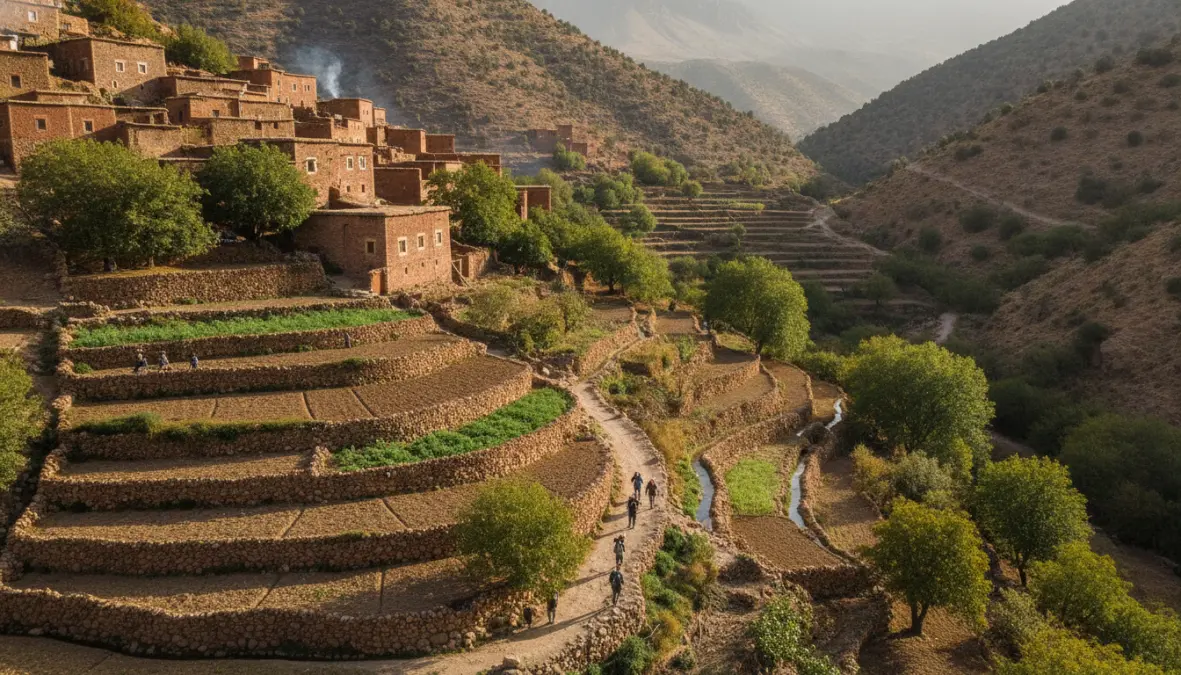
The berber villages trek component of your Toubkal journey offers something many mountain adventures lack—genuine cultural immersion. The High Atlas Mountains have been home to Berber communities for centuries, and their traditional way of life continues largely unchanged in villages like Imlil, Aremd, and Around. Stone and mud-brick houses cascade down steep hillsides, surrounded by terraced fields where barley, walnuts, and vegetables grow in the thin mountain soil.
Berber culture revolves around hospitality, and you’ll experience this firsthand as locals greet you with smiles and offers of mint tea. Many families supplement agricultural income through tourism, working as mountain guides, muleteers, or refuge staff. The economic relationship is symbiotic—your trek dollars directly support these remote communities while they share their homeland and heritage with you.
Walking through villages offers glimpses into daily mountain life: women baking bread in communal ovens, children herding goats, men tending irrigation channels that have flowed for generations. Some trekkers choose homestay experiences in Imlil village before or after their summit attempt, sleeping in family homes and sharing traditional meals. This responsible tourism approach ensures your adventure benefits local communities directly.
Hiring local Berber guides isn’t mandatory—many wonder how to climb mount toubkal without guide—and the route is well-marked enough for experienced, well-prepared trekkers to navigate independently. However, engaging a local guide enriches your experience immeasurably. They’ll share stories about the mountains, point out medicinal plants, explain cultural traditions, and ensure you stay on track. Plus, it directly supports the local economy in a meaningful way.
Essential Gear, Packing List, and Practical Tips
Your atlas mountains trekking packing list varies significantly by season. Summer trekkers need sturdy hiking boots, layered clothing for temperature swings (hot valleys, cold summits), sun protection, and warm layers for the chilly refuge. Winter expeditions require full mountaineering gear: insulated boots, crampons, ice axe, warm sleeping bag, and potentially rope. The refuge provides blankets and meals, so you’re not carrying full camping equipment.
Budget approximately $300-500 for a guided two-day trek including transport from Marrakech, guide services, refuge accommodation, and meals. Independent trekkers can do it cheaper, paying around $50 per night at the refuge with meals included. Mules cost extra if you want your main pack carried—highly recommended for conserving energy for summit day.
Physical preparation is non-negotiable. Train with long hikes carrying a weighted pack, focus on cardiovascular fitness, and if possible, practice at elevation. Arrive in Marrakech a day or two early to begin acclimatizing before heading to higher altitudes. Stay hydrated, ascend gradually, and listen to your body—summit success means nothing if you compromise your health or safety. Just as with other challenging treks like reaching Machu Picchu, smart preparation makes all the difference.
After your mountain adventure, many trekkers head north to explore Morocco’s other treasures. The blue streets of Chefchaouen offer a perfect contrast to the rugged Atlas peaks—a gentle, colorful recovery destination where you can rest tired legs while reflecting on your summit achievement. The mount toubkal trek isn’t just about reaching North Africa’s highest point; it’s about connecting with dramatic landscapes, ancient cultures, and your own capabilities in one unforgettable mountain journey.