Red Sea Diving Egypt: Ultimate Guide to Best Dive Sites from Hurghada to Marsa Alam
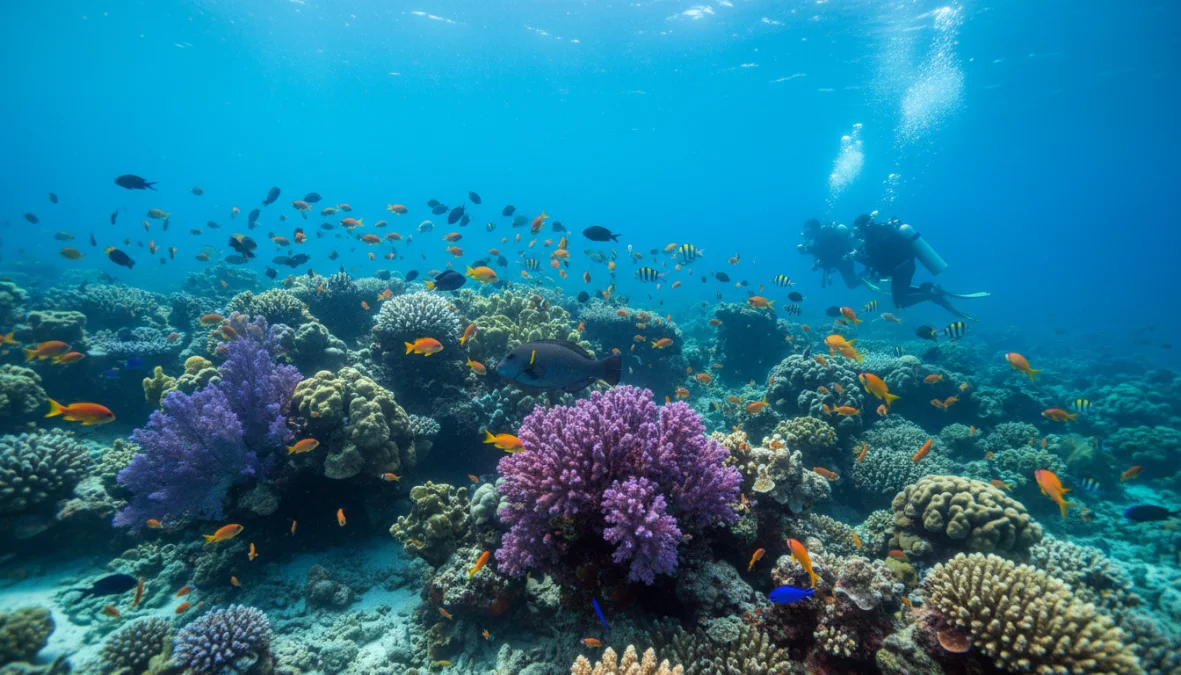
Picture this: you’re floating weightlessly above a kaleidoscope of coral gardens, surrounded by schools of technicolor fish, while a curious turtle glides past. Welcome to red sea diving egypt, where some of the planet’s most spectacular underwater landscapes await just beneath the surface. From the vibrant reefs of Hurghada to the remote southern treasures near Marsa Alam, Egypt’s Red Sea coast offers diving experiences that rival anywhere on Earth—without the long-haul flight to the Pacific.
Whether you’re planning your first underwater adventure or you’re a seasoned diver chasing hammerhead sharks at legendary offshore pinnacles, the Egyptian Red Sea delivers year-round diving that’s accessible, affordable, and absolutely unforgettable.
Why the Red Sea is Egypt’s Premier Diving Destination
What makes red sea diving egypt so special? Start with underwater visibility that regularly exceeds 30 meters—imagine crystal-clear views stretching further than you can swim. Add water temperatures that hover between 22-28°C depending on the season, meaning you can dive comfortably year-round without thick wetsuits. Then factor in some of the healthiest coral reefs in the world, protected by national parks and marine reserves that have preserved their pristine condition.
The biodiversity is staggering. Over 1,000 species of fish call these waters home, from tiny anthias creating living clouds of color to massive Napoleon wrasse and even occasional manta rays. Marine life encounters are virtually guaranteed on every dive, whether you’re exploring shallow gardens perfect for beginners or deep walls where pelagic predators patrol. The Red Sea’s unique geography—a narrow body of water between Africa and Asia—creates conditions where tropical coral ecosystems thrive alongside nutrient-rich currents that attract larger species.
Accessibility is another huge advantage. Unlike remote diving destinations requiring multiple flights and boat transfers, egypt scuba diving is surprisingly easy to reach. Direct flights connect major European cities to Hurghada, Sharm El Sheikh, and Marsa Alam, and you can literally be underwater within hours of landing. Dive centers dot the entire coastline, offering everything from PADI certification hurghada egypt courses for absolute beginners to technical diving expeditions for experts. Just as you might plan a relaxing getaway to Budapest’s thermal baths, a Red Sea diving trip offers its own form of therapeutic immersion—just underwater.
Top Dive Sites Along Egypt’s Red Sea Coast
The Egyptian Red Sea stretches over 800 kilometers of coastline, and the diving varies dramatically from north to south. Here’s your geographic guide to the absolute must-dive locations, organized from the northern resorts down to the pristine southern sites.
Sharm El Sheikh and Ras Mohammed National Park
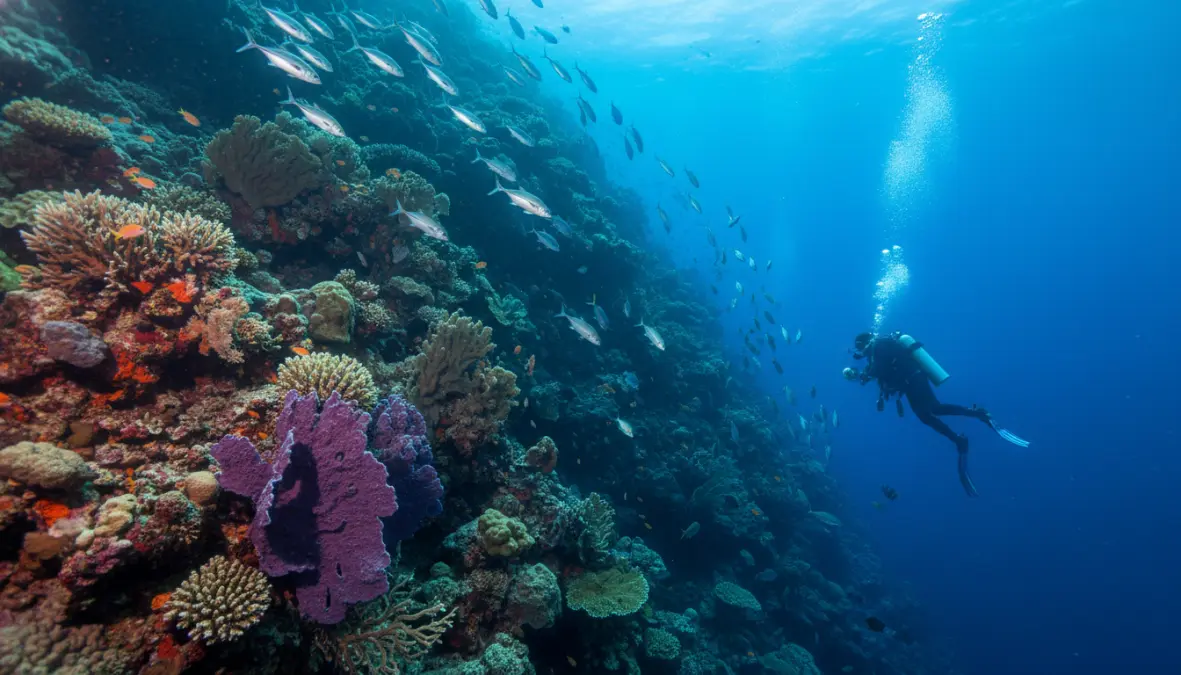
At the southern tip of the Sinai Peninsula, ras mohammed national park represents the crown jewel of sharm el sheikh diving. Established as Egypt’s first marine reserve, Ras Mohammed protects some of the most dramatic underwater topography in the region. The park’s signature sites—Shark Reef and Yolanda Reef—feature sheer walls plunging into the blue, decorated with soft corals and patrolled by barracuda, jackfish, and occasionally reef sharks.
The current-swept channels here deliver nutrients that support extraordinary coral growth and attract pelagic visitors. Diving Ras Mohammed typically involves boat diving from Sharm, with operators running daily trips to multiple sites within the park. For wreck enthusiasts, the legendary SS Thistlegorm—a British WWII cargo ship sunk in 1941—sits nearby and ranks among the world’s top wreck dives. This site works for both intermediate and advanced divers, though the Thistlegorm’s depth (around 30 meters to the deck) requires appropriate certification.
Hurghada: Gateway to Diverse Diving Experiences
As the Red Sea’s largest resort town, Hurghada serves as the perfect base for exploring varied hurghada diving sites. The protected Giftun Island area offers sheltered reefs ideal for beginner diving sites hurghada, with shallow coral gardens teeming with life and calm conditions most of the year. These sites are easily accessible via short boat diving trips from Hurghada’s marina, making them perfect for day excursions.
For something different, the Abu Nuhas reef system—nicknamed the “ship graveyard”—holds at least four diveable wrecks at recreational depths. Carnatic, Giannis D, and Chrisoula K offer atmospheric wreck penetrations surrounded by coral encrustation. Carless Reef provides wall diving with excellent coral coverage, while the El Gouna area north of Hurghada features additional sites accessible from boutique dive resorts. The variety means you can spend a week diving from Hurghada without repeating sites, choosing between shore diving at house reefs, day boat trips, or even starting a red sea liveaboard from Hurghada’s harbor.
Marsa Alam and the Deep South
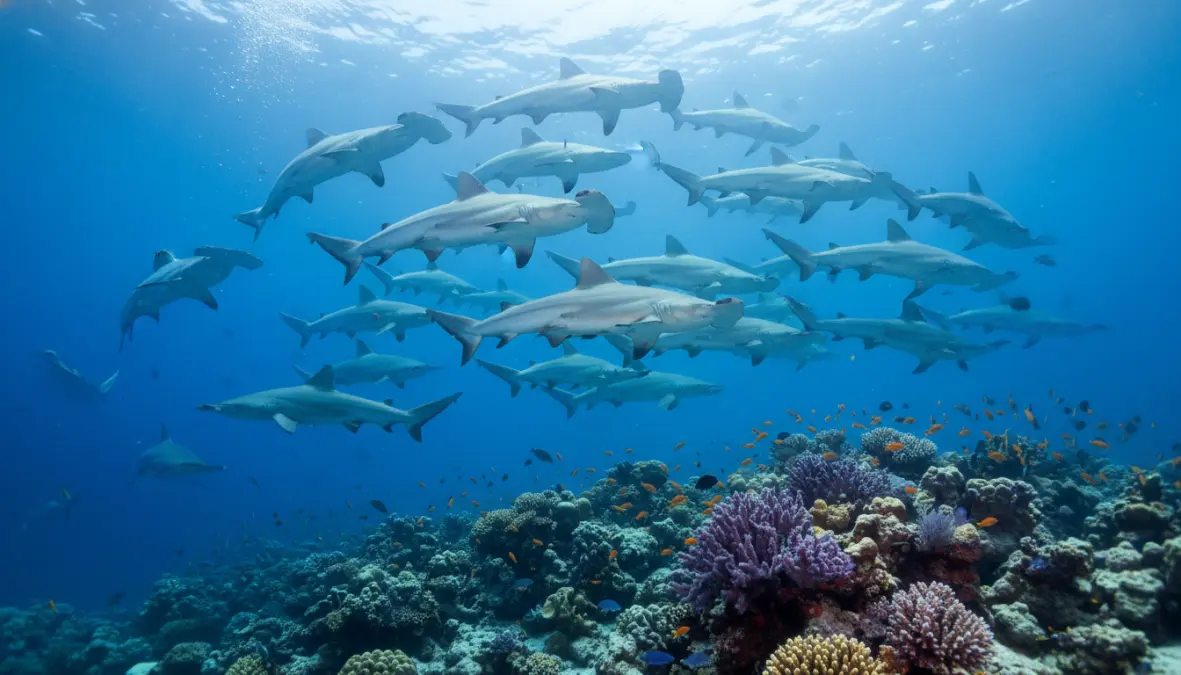
Head south to Marsa Alam and you’ll discover marsa alam dive spots that feel genuinely remote and untouched. The legendary Elphinstone Reef—a 300-meter-long pinnacle rising from deep water—is famous for oceanic whitetip shark encounters and seasonal hammerhead sightings. This is advanced diving territory, with strong currents and depth, but the rewards include some of the Red Sea’s most thrilling pelagic action.
For something more accessible, Dolphin House (Sha’ab Samadai) delivers exactly what the name promises: diving with dolphins red sea in a protected lagoon where resident spinner dolphins frequently interact with divers and snorkelers. The southern reefs of St. John’s offer pristine coral gardens in a remote setting, typically accessed via multi-day liveaboard trips.
Then there are the offshore legends: the brothers islands diving sites (Big Brother and Little Brother) feature dramatic walls, resident sharks, and historic wrecks, but they’re exposed to weather and require liveaboard access. Daedalus Reef, another remote pinnacle, attracts hammerhead sharks, thresher sharks, and schools of barracuda. These advanced dive sites marsa alam represent the pinnacle of red sea diving egypt experiences—challenging, remote, and absolutely spectacular.
Choosing Between Shore Diving, Day Trips, and Red Sea Liveaboards
Your choice of diving style will dramatically shape your Red Sea experience, and each approach has distinct advantages depending on your budget, experience level, and goals.
Shore diving offers maximum flexibility and minimum cost. Many dive resorts feature house reefs accessible directly from the beach, allowing unlimited diving for guests. You can dive at your own pace, perfect for beginners building confidence or photographers seeking specific subjects. The limitation? Shore-accessible reefs represent a tiny fraction of available sites, and you’ll miss the Red Sea’s most spectacular offshore locations.
Day boat trips strike the ideal balance for most divers. Operating from Hurghada, Sharm, and Marsa Alam, daily boats visit 2-3 sites, providing variety while you sleep in comfortable resort accommodation. This works perfectly for red sea diving packages all inclusive that combine hotel, diving, and meals. Day trips access excellent sites like Giftun Island, Ras Mohammed, and even some wreck sites, though truly remote locations remain out of reach. For travelers who’ve enjoyed island hopping experiences like Croatia’s Dalmatian Coast, day boat diving offers similar variety.
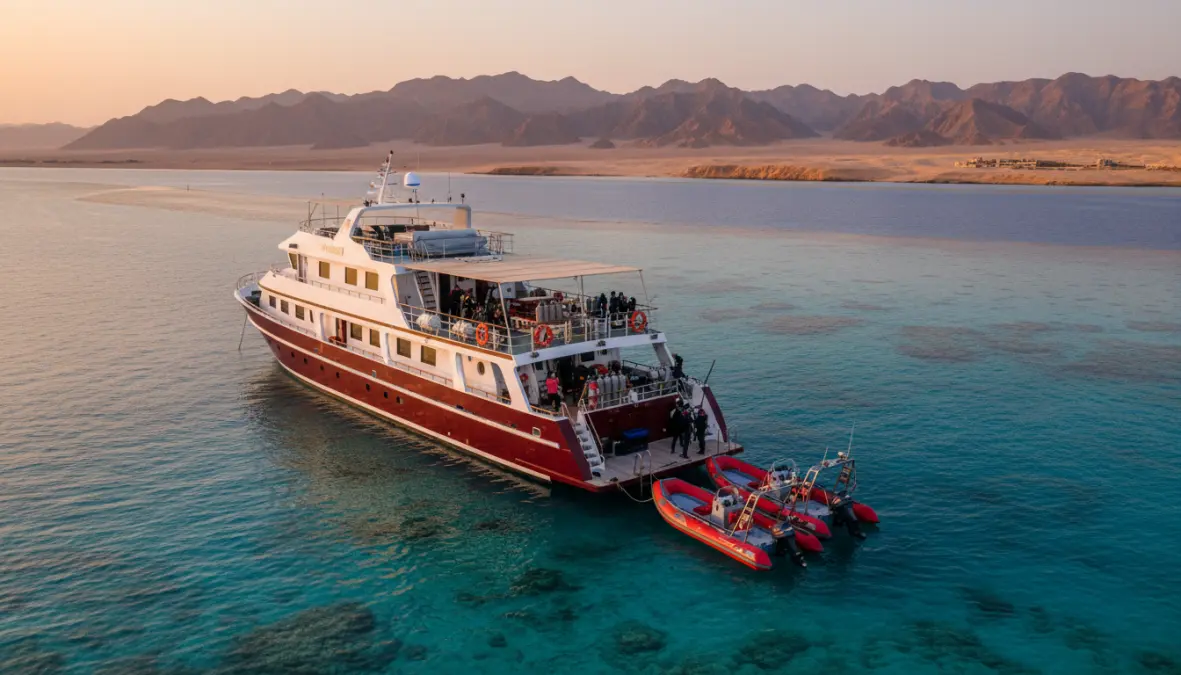
Red sea liveaboard diving represents the ultimate immersion. These specialized dive boats spend 4-7 days at sea, reaching remote sites like the Brothers Islands, Daedalus, and the deep southern reefs that day boats simply cannot access. You’ll complete 3-4 dives daily, sleep aboard, and wake up already at the dive site. Liveaboard diving trips red sea attract serious divers seeking big animal encounters and pristine reefs without the crowds. They’re more expensive than land-based options but deliver exponentially more bottom time and access to Egypt’s very best diving.
Consider best time to dive red sea egypt when planning: March through May and September through November offer ideal conditions with warm water and excellent visibility. Summer brings the warmest water but also the most tourists, while winter diving (December-February) requires thicker wetsuits but features fewer crowds and good shark action.
Your Red Sea Adventure Awaits
From the accessible coral gardens perfect for earning your PADI certification hurghada egypt to the adrenaline-pumping drift dives alongside hammerheads at remote offshore pinnacles, red sea diving egypt genuinely offers something for every underwater enthusiast. The combination of world-class marine biodiversity, excellent infrastructure, year-round diving conditions, and remarkable value makes Egypt’s Red Sea coast one of the planet’s diving sweet spots.
Whether you choose to base yourself at a resort with easy shore diving, explore varied sites via day boats, or commit to a red sea liveaboard adventure to reach the most remote treasures, you’re guaranteed underwater experiences that will leave you planning your return trip before you’ve even dried your wetsuit. Before you go, make sure to download essential travel apps to help organize your diving logistics, accommodation, and transportation.
The Red Sea has been enchanting divers for decades, and its reefs continue to thrive under careful protection. Your Egyptian diving adventure is waiting—all you need to do is take the plunge.