Mallorca Hidden Villages: Discover Authentic Mountain Towns Beyond the Beaches
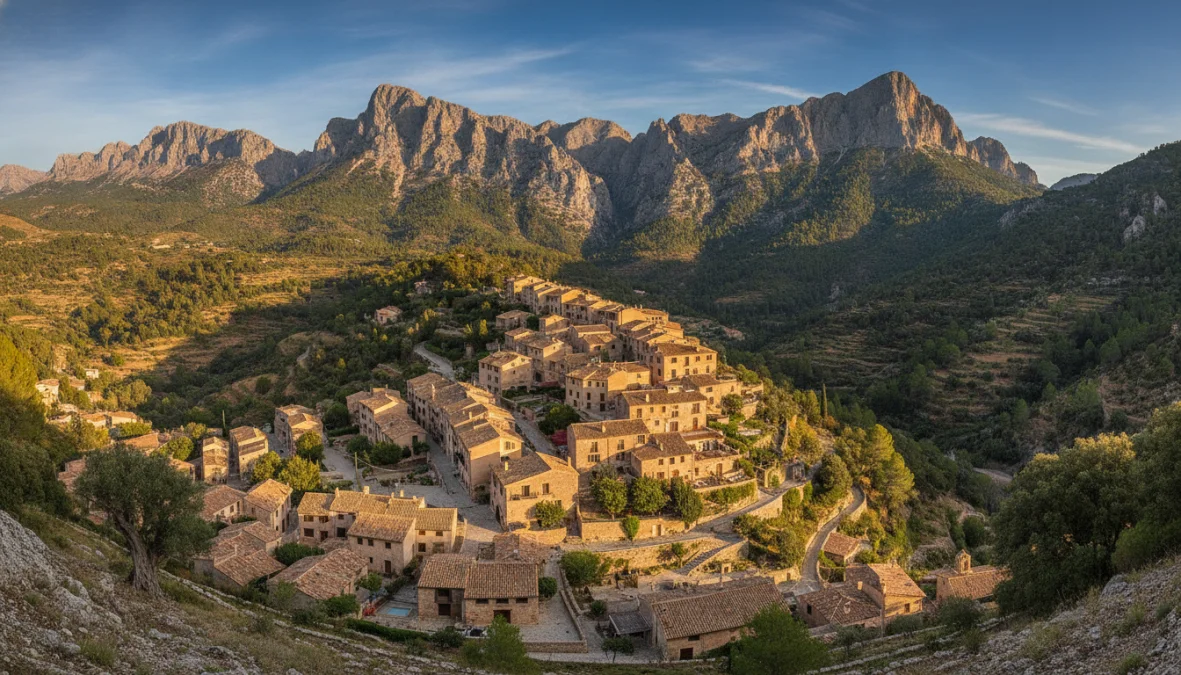
Picture this: winding roads carved into dramatic mountains, ancient stone houses clinging to hillsides, and village squares where time seems to have stood still. While most visitors flock to Mallorca’s pristine beaches and bustling resorts, the island’s true soul lives in its mallorca hidden villages – remote mountain settlements where centuries-old traditions blend with breathtaking natural beauty. These traditional villages mallorca offers aren’t just scenic detours; they’re portals to an authentic way of life that has survived intact despite the tourism boom along the coast.
Why Venture Into Mallorca’s Mountain Villages
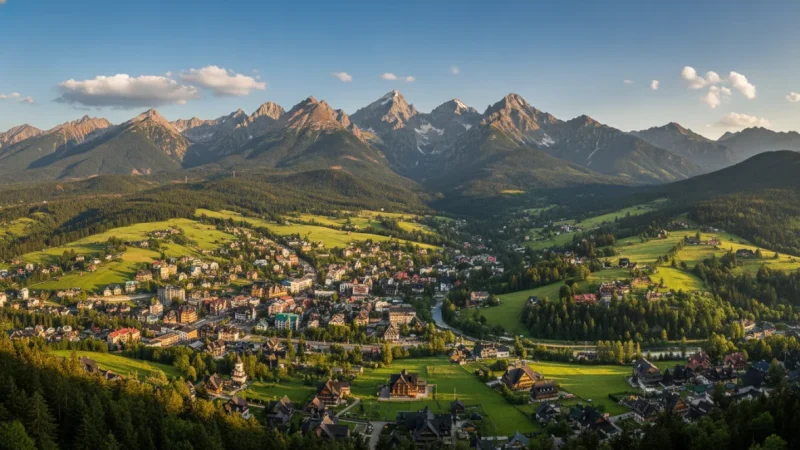
The contrast between coastal Mallorca and its mountainous interior couldn’t be more striking. While the beaches host millions of sun-seekers annually, the authentic mallorca towns nestled in the Serra de Tramuntana mountains – a UNESCO World Heritage site since 2011 – remain refreshingly unspoiled. These mallorca off the beaten path destinations offer something beach resorts simply cannot: genuine cultural immersion.
What makes these settlements so special? Start with the architecture. The mallorcan stone houses you’ll find here are built from golden limestone quarried from the surrounding mountains, creating structures that seem to grow organically from the landscape. Cobblestone streets wind between buildings that have stood for centuries, leading to hidden plazas where locals still gather for their evening paseo. The rustic architecture tells stories of a agricultural past – traditional fincas (farmhouses) dot the terraced hillsides, their olive groves and citrus orchards still producing as they have for generations.
Beyond aesthetics, these valley settlements preserve traditions that have disappeared elsewhere. You’ll find blacksmiths still forging tools by hand, bakers making ensaimadas using recipes passed down through families, and artisans weaving textiles on wooden looms. The mallorca cultural experiences available here are authentic, not manufactured for tourists. Much like discovering hidden gems in Amsterdam, exploring these villages reveals layers of culture invisible to casual visitors.
The Most Enchanting Hidden Villages to Explore
Among the tramuntana villages, several stand out as essential destinations for anyone seeking the best hidden villages to visit in mallorca. Valldemossa might be famous for Chopin’s winter sojourn, but beyond the tourist-packed monastery lies an enchanting village of honey-colored stone. Narrow streets climb steeply between houses adorned with green shutters and overflowing flower boxes. Local cafes serve coca de patata (a sweet potato pastry) while overlooking terraced gardens that cascade down the mountainside.
Deià has attracted artists and writers for decades, and you’ll understand why the moment you arrive. This mallorca mountain village perches dramatically on a hillside overlooking the Mediterranean, its cemetery holding the grave of Robert Graves among ancient cypresses. The village maintains an artistic soul – galleries display local work, and you might stumble upon impromptu concerts in intimate venues. Despite its celebrity admirers, Deià retains authenticity, especially if you explore beyond the main square.
Fornalutx regularly appears on Spain’s “most beautiful villages” lists, and deservedly so. This tiny settlement in the Sóller valley exemplifies perfectly preserved traditional stone villages mallorca sierra architecture. Red-tile roofs contrast with stone walls, while ceramic tiles decorate doorways with traditional Mallorcan patterns. Steep, stepped streets discourage tour buses, keeping visitor numbers manageable even in summer.
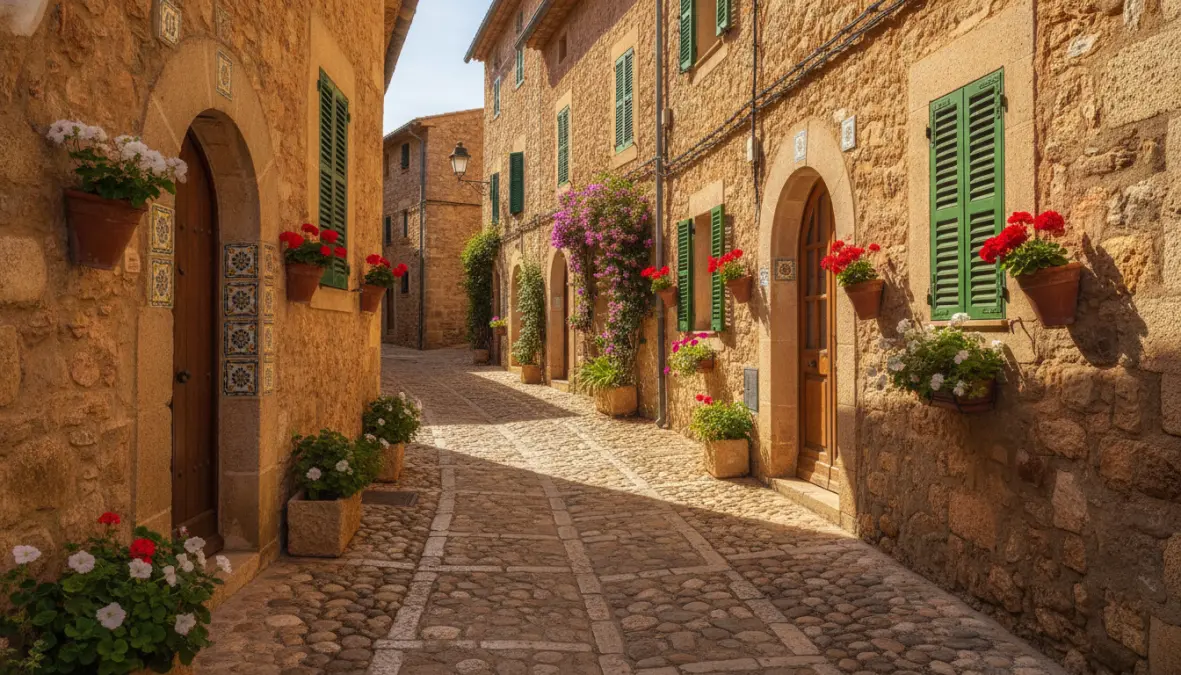
For true isolation, seek out Estellencs and Orient. Estellencs clings to cliffs on the western coast, a dramatic fishing village where the mountains plunge directly into the sea. Orient, meanwhile, hides in an interior valley accessible only by winding mountain roads – one of the most remote hidden gems mallorca offers. Here, chickens still roam freely, and the loudest sound you’ll hear is church bells echoing off surrounding peaks.
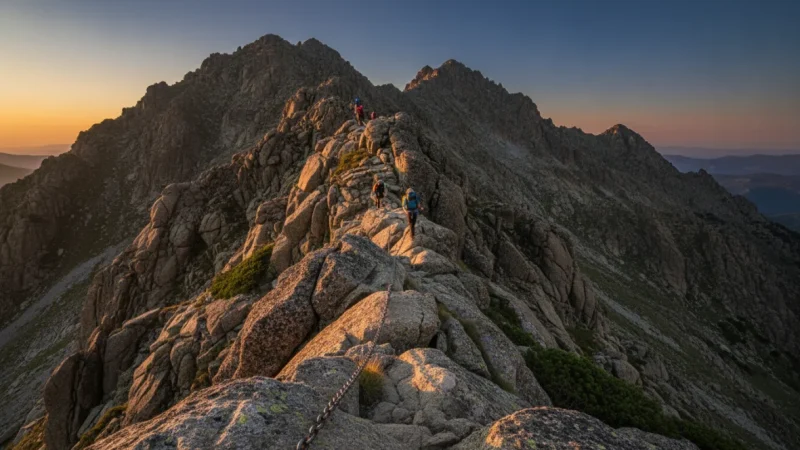
Biniaraix deserves special mention as the gateway to the famous Barranc de Biniaraix hike. This hamlet of barely a hundred souls features some of the island’s most photographed cobblestone paths, with stone staircases climbing between centuries-old houses. Similar to the dramatic trails found in the Cinque Terre hiking routes, the paths here connect villages through spectacular mountain scenery.
Authentic Cultural Experiences in Mallorca’s Villages
Experiencing traditional mountain villages in mallorca tramuntana means more than sightseeing – it requires engagement. Start with the weekly markets. Sóller’s Saturday market transforms the main plaza into a vibrant display of local artisan markets, where farmers sell produce from surrounding valleys and craftspeople offer handmade goods. Pollença’s Sunday market is equally atmospheric, with stalls filling ancient streets beneath medieval church towers.
For cultural experiences in mallorca villages, seek out traditional olive oil mills. Many family-run operations offer tastings and tours, explaining centuries-old production methods. You’ll discover why Mallorcan olive oil is prized across Spain while supporting local agriculture directly.
The local gastronomy in these villages goes far beyond resort buffets. Seek out village restaurants serving tumbet (a traditional vegetable dish), sobrassada (spiced pork sausage), and freshly baked ensaimadas. Many villages host annual fiestas patronales – saint’s day festivals with traditional dancing, communal meals, and celebrations that welcome respectful visitors.
Several villages offer hands-on workshops in traditional crafts. You might try your hand at ceramic painting in Portol, learn traditional weaving techniques, or even participate in seasonal agricultural activities at working fincas. These authentic mallorcan village experiences create connections impossible to achieve as a passive observer.
When engaging with local communities, remember you’re a guest in living villages, not a theme park visitor. Learn a few Catalan phrases (Mallorquín is the local dialect), respect siesta hours (typically 2-5pm), dress modestly when visiting churches, and ask permission before photographing residents. Your respectful approach will be rewarded with warmer interactions and more authentic experiences.
FAQ: Planning Your Visit to Mallorca’s Hidden Villages
How do I get to the mountain villages in Mallorca?
Renting a car is essential for exploring mallorca villages away from tourist areas. While buses connect major towns like Sóller and Valldemossa to Palma, most hidden villages have limited or no public transport. The mountain roads require confident driving – expect hairpin turns and narrow passages – but are well-maintained and offer spectacular views. Much like planning transport for the Amalfi Coast, some flexibility with vehicles makes mountain exploration significantly easier.
When is the best time to visit Mallorca’s traditional villages?
Spring (April-May) and autumn (September-October) offer ideal conditions – mild temperatures, blooming landscapes or autumn colors, and fewer tourists. Summer brings heat and crowds even to remote villages. Winter provides solitude and dramatic scenery, though some mountain roads may occasionally close due to weather, and many restaurants reduce hours.
Can I stay overnight in these villages?
Absolutely! Many villages offer boutique hotels in converted stone houses, charming bed-and-breakfasts, and rural agroturismo accommodations on working farms. Staying overnight lets you experience village life after day-trippers depart – evening strolls through lamp-lit streets, dinners with locals at family-run restaurants, and sunrise over the mountains.
Are the mountain villages suitable for families?
Most villages are family-friendly, though the steep cobblestone streets can be challenging with strollers. Older children typically love exploring the maze-like alleys and dramatic landscapes. Many areas offer gentle hiking trails, swimming holes, and interactive experiences like farm visits that engage kids naturally.
How many days should I spend exploring the villages?
For day trips to mallorca mountain villages, plan at least 2-3 days to avoid rushing. A good itinerary might include: Day 1 exploring Valldemossa and Deià; Day 2 focusing on Fornalutx, Biniaraix, and Sóller; Day 3 venturing to more remote spots like Orient and Estellencs. Similar to planning a Scottish Highlands road trip, allowing extra time for spontaneous discoveries enhances the experience.
Mallorca’s hidden villages offer something increasingly rare: authenticity in an age of mass tourism. These ancient settlements, with their stone architecture, living traditions, and dramatic mountain settings, provide a counterpoint to the island’s beach resort image. By venturing into the Serra de Tramuntana, you’re not just escaping crowds – you’re discovering the cultural heart of Mallorca, where the past and present coexist in remarkable harmony. Pack comfortable shoes, bring curiosity, and prepare to fall in love with a side of Mallorca that exists where to find hidden villages in mallorca that most visitors never discover.