Malta Travel Guide: Exploring Historic Fortresses and Azure Waters
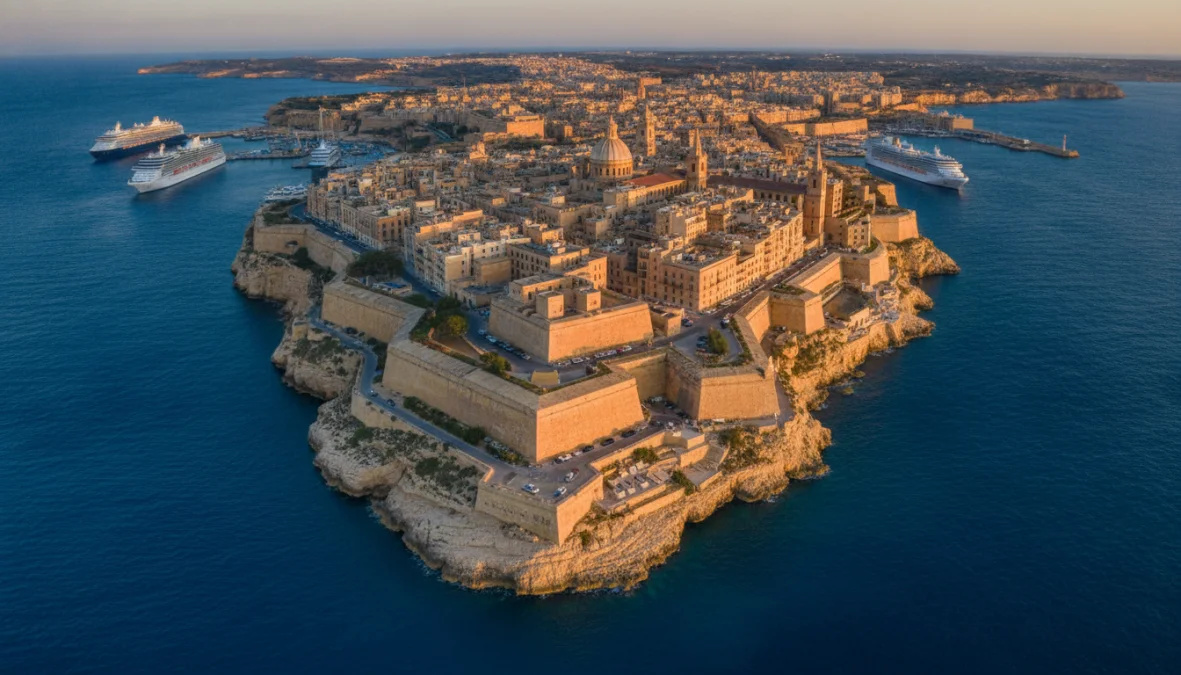
Picture this: honey-colored limestone fortresses standing guard over impossibly blue waters, ancient temples older than Stonehenge, and a Mediterranean island where every corner tells a story of knights, empires, and seafaring adventurers. Welcome to Malta, a tiny archipelago that packs more history per square mile than almost anywhere else on Earth. This malta travel guide will help you navigate this sun-drenched gem where malta tourism thrives on the perfect blend of cultural richness and coastal beauty. Whether you’re planning a quick escape or an extended malta vacation guide adventure, this island nation promises experiences that’ll stay with you long after you’ve left its shores.
Planning Your Malta Vacation: Essential Travel Tips and Best Times to Visit
Getting your timing right makes all the difference when visiting malta. The best time to visit malta runs from April to June and September to October, when temperatures hover around a pleasant 20-25°C (68-77°F) and tourist crowds thin out. July and August bring sweltering heat and peak prices, while winter (November to March) offers mild weather perfect for exploring fortresses without breaking a sweat, though some beach activities become less appealing.
Plan for 5-7 days minimum to truly appreciate what Malta offers. Three days lets you scratch the surface of Valletta and maybe squeeze in a Gozo day trip, but a week allows you to properly explore the main island, spend quality time on Gozo, and relax without rushing. You’ll fly into Malta International Airport (just 8km from Valletta), with excellent connections from most European cities and increasingly from further afield.
Transportation requires strategic thinking. Malta’s bus network is extensive and cheap (€1.50-2 per journey, with weekly passes around €21), but routes can be slow and confusing. Renting a car gives freedom to explore hidden coves and remote temples, though be warned: driving is on the left, roads are narrow, and parking in Valletta is challenging. For island hopping between Malta, Gozo, and Comino, regular ferries from Ċirkewwa make gozo island easily accessible. Before you go, check out this sustainable travel guide for tips on exploring responsibly.
Budget-wise, Malta sits in the mid-range Mediterranean category. Expect to spend €60-100 daily for mid-range travel (accommodation, meals, attractions), less than destinations like Santorini but more than mainland Greece. EU citizens need only an ID card; others should check visa requirements. The currency is the euro, and English is an official language alongside Maltese, making navigation refreshingly easy.
Where to stay matters more than you’d think. Valletta offers historic charm and central access but can feel touristy. Sliema provides modern amenities, restaurants, and a local vibe. For true tranquility, base yourself on Gozo and day-trip to the main island. Don’t forget essentials like travel insurance and consider a local SIM card for staying connected.
Must-See Malta Attractions: Historic Fortresses, Temples, and Cultural Landmarks
Your malta itinerary should start in valletta, the capital that’s essentially one giant fortress. Built by the knights of malta after the Great Siege of 1565, every street here resonates with history. Fort St Elmo, guarding the entrance to grand harbour, now houses an excellent war museum (€10 entry, allow 2 hours). The jaw-dropping St. John’s Co-Cathedral hides a Caravaggio masterpiece behind its austere facade—don’t skip it (€15, book ahead). A valletta walking tour guide approach works best here; the city is compact enough to explore on foot in a day, though you could easily spend three.
The Three Cities across Grand Harbour (Vittoriosa, Senglea, Cospicua) offer malta historic fortresses tour experiences without the Valletta crowds. Wander narrow streets where time seems frozen, explore Fort St. Angelo (€8), and enjoy harbour views that’ll make your camera work overtime.
Mdina, the Silent City, perches on a hilltop in Malta’s interior. This medieval walled town, once the capital, restricts cars and maintains an almost eerie tranquility. Sunset visits are magical—the golden hour turns the sandstone walls amber while day-trippers depart. Free to enter, though the cathedral museum costs €5.
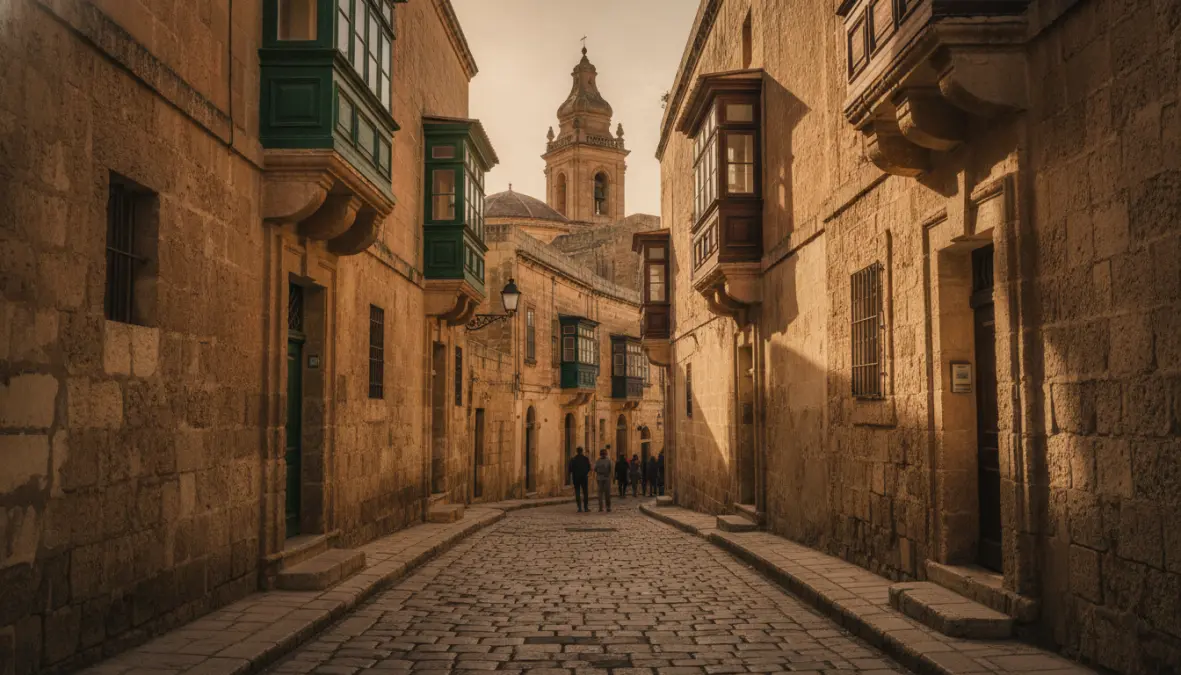
Malta’s UNESCO World Heritage megalithic temples represent some of Europe’s oldest freestanding structures. Ħaġar Qim and Mnajdra, dramatically positioned on southern cliffs, date back to 3600-3200 BC (€10 combined ticket, 1.5 hours). These aren’t Stonehenge-scale monuments, but their age and preservation make them remarkable malta attractions.
For a malta 3 day itinerary, prioritize Day 1 in Valletta, Day 2 exploring Mdina and temples, Day 3 as a Gozo or Comino day trip. With 5-7 days, you can dig deeper into how to explore malta fortifications, add the Three Cities, spend a night on Gozo, and build in beach time.
Gozo island deserves serious attention, not just a rushed day trip. This smaller, greener sibling offers the stunning Ġgantija Temples (even older than Malta’s), the picturesque Xlendi Bay, dramatic Ta’ Pinu Basilica, and the capital Victoria with its impressive Citadel. The 25-minute ferry from Ċirkewwa runs regularly (€4.65 return), and many visitors rent scooters or cars to explore Gozo’s rural charm.
Experiencing Malta’s Azure Waters and Coastal Wonders
Let’s be honest: you can’t visit a mediterranean island without serious beach time. The blue lagoon comino tops every list for good reason—its turquoise waters over white sand create an almost Caribbean vibe. Summer crowds can be intense (arrive before 10am or after 4pm), but even packed, it’s stunning. This malta blue lagoon guide tip: visit mid-week in shoulder season for the best experience, or explore Comino’s quieter Santa Marija Bay just over the ridge.
Golden Bay and Mellieħa Bay offer Malta’s best sandy beaches with facilities, lifeguards, and water sports. For something less developed, Paradise Bay (despite the name suggesting otherwise) stays relatively quiet, while Għajn Tuffieħa requires a staircase descent that deters casual visitors.
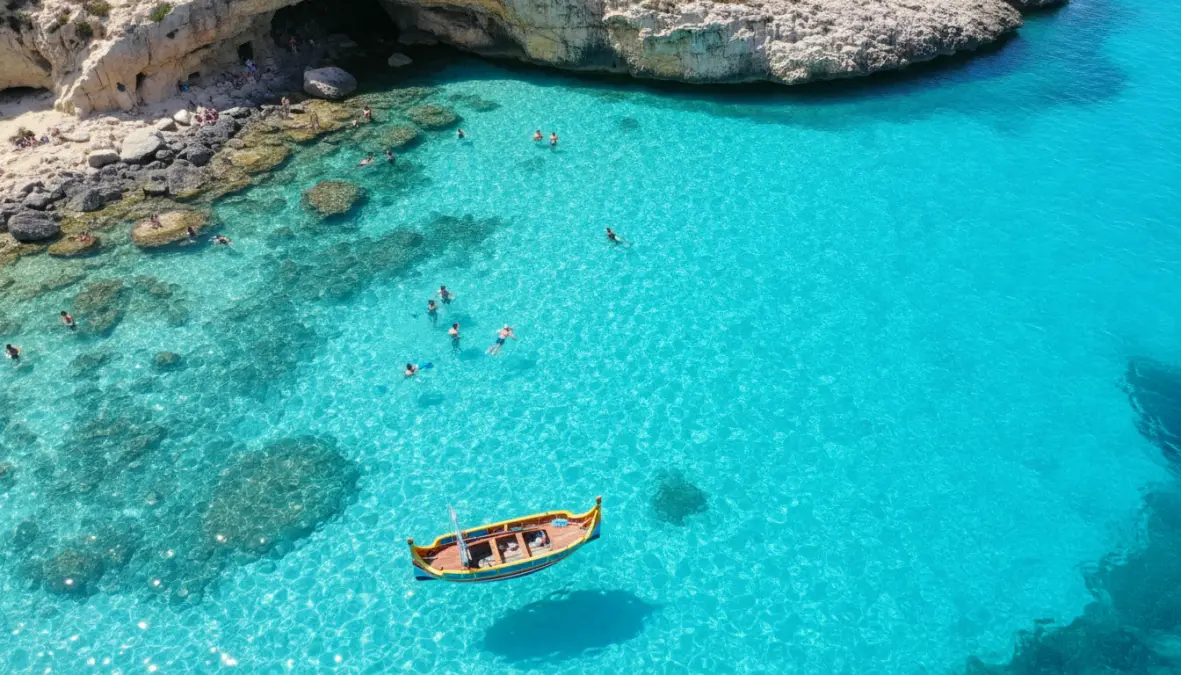
The Blue Grotto on Malta’s southern coast showcases nature’s artistry through sea caves illuminated by reflected light (€8 boat trip, weather dependent). Diving enthusiasts rate Malta among the Mediterranean’s best, with clear visibility, WWII wrecks, and underwater caves. Ċirkewwa and Gozo’s inland sea are premier spots.
Here’s the thing about malta beaches and history: unlike destinations where you choose culture OR coastline, Malta delivers both seamlessly. Morning fortress exploration, afternoon beach lounging, evening harbour-side dining—that’s the Malta rhythm. Similar to Portugal’s Algarve, Malta masters this historical-coastal balance.
Frequently Asked Questions About Visiting Malta
How many days do you need in Malta?
Minimum 3-5 days covers Valletta, one fortress/temple day, and a Gozo or Comino trip. However, 7 days is ideal for truly experiencing Malta without rushing, allowing proper time on Gozo, beach relaxation, and exploring hidden corners. This pace lets you appreciate the malta holiday guide properly rather than ticking boxes.
Is Malta expensive to visit?
Malta sits mid-range among Mediterranean destinations. It’s more affordable than Santorini or the Amalfi Coast but pricier than mainland Greece or Croatia. Budget €60-100 daily for comfortable mid-range travel, including accommodation, meals, and attractions. Summer prices spike significantly, while shoulder seasons offer better value.
Do you need a car in Malta?
It depends on your itinerary. Valletta, Mdina, and the Three Cities work fine with buses or taxis. However, reaching remote temples, hidden beaches, and exploring Gozo freely becomes much easier with a car. Consider your mobility preferences and patience with public transport schedules when deciding.
What should I not miss in Malta?
The absolute must-sees: Valletta (especially St. John’s Co-Cathedral and Fort St. Elmo), Mdina at sunset, the Blue Lagoon, and at least one megalithic temple. If time allows, add a Gozo overnight and the Blue Grotto. These experiences capture Malta’s essence—history, natural beauty, and Mediterranean charm combined.
Is Malta good for families, solo travelers, and couples?
Absolutely, for all three. Families appreciate safe beaches, English-speaking locals, and compact distances. Solo travelers find easy navigation, good hostel scenes in St. Julian’s, and welcoming locals. Couples enjoy romantic fortress sunsets, excellent restaurants, and boutique hotels. Malta’s versatility makes it work for virtually any traveler type.
Malta punches way above its weight for a country smaller than many cities. Whether you’re drawn by things to do in malta that span millennia of history, the crystalline waters that define Mediterranean dreams, or simply the warm hospitality of island life, this archipelago delivers experiences that feel both epic and intimate. Pack efficiently using packing cubes to maximize your luggage space, grab your sunscreen, and prepare for a destination that’ll convince you small islands can hold enormous wonders. Malta isn’t just another Mediterranean stop—it’s where crusader fortresses meet azure lagoons, where ancient temples whisper secrets, and where every sunset over Grand Harbour reminds you why people have fought over this strategic rock for thousands of years.