Dolomites Via Ferrata Guide: Best Iron Path Routes for Adventurous Hikers
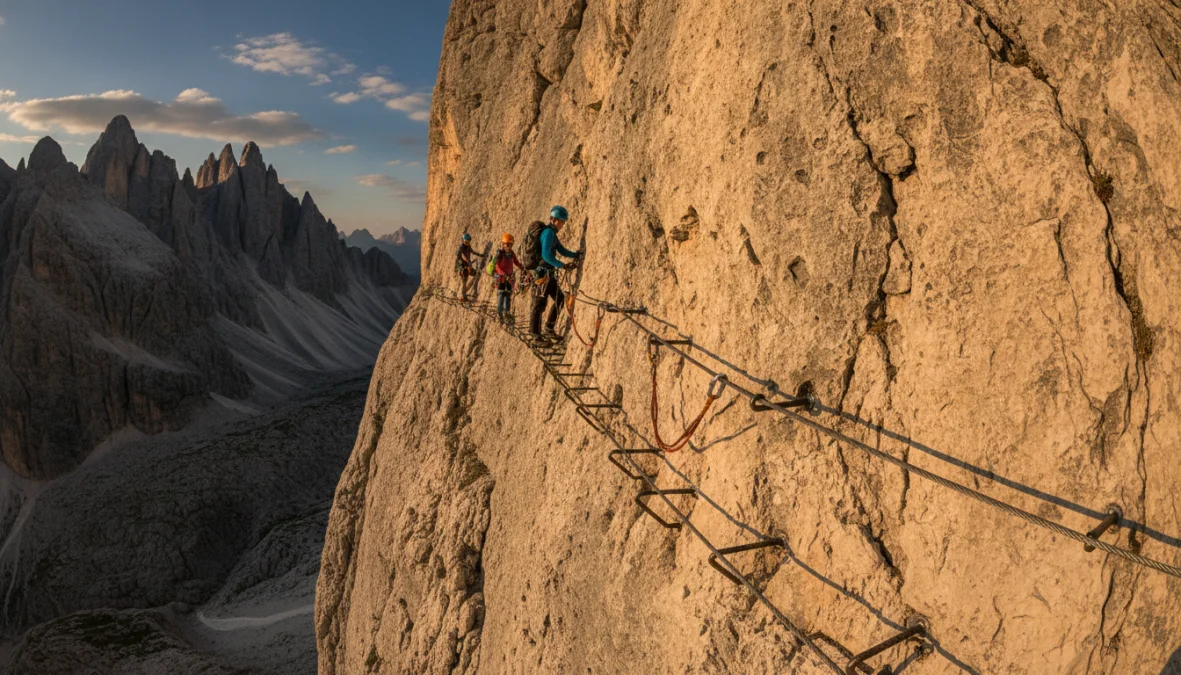
If you’re an adventurous hiker craving something more thrilling than regular mountain trails, the Dolomites via ferrata routes offer the perfect blend of adrenaline and jaw-dropping scenery. These legendary fixed cable routes transform ordinary hiking into an exhilarating vertical adventure, letting you climb sheer rock faces and traverse exposed ridges while securely attached to steel cables. The Dolomites aren’t just any destination for this unique mountain activity—they’re its birthplace, offering everything from gentle introductory routes to heart-pounding challenges that’ll test even experienced climbers.
What is Via Ferrata and Why the Dolomites Are the Ultimate Destination
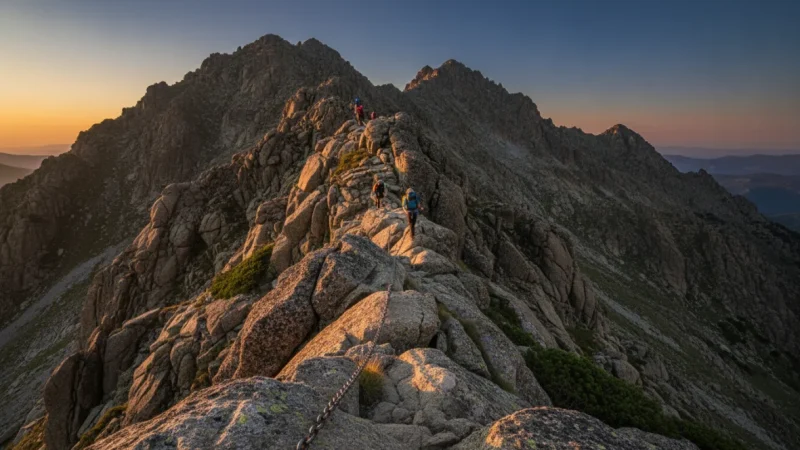
Via ferrata (Italian for “iron path”) is a protected climbing route featuring steel cables, metal rungs, ladders, and bridges permanently fixed to the rock face. Unlike traditional rock climbing, you don’t need advanced technical skills—just a safety harness, a carabiner system, and a good head for heights. The concept was born right here in the Dolomites during World War I, when Italian and Austrian soldiers installed cables and ladders to move troops and supplies across the treacherous mountain terrain.
Today, the Dolomites iron path network has evolved into one of the world’s premier destinations for via ferrata hiking dolomites adventures. The UNESCO-protected peaks of ferrata dolomiti italy boast over 100 established routes, ranging from family-friendly excursions to advanced alpine climbing challenges that demand serious fitness and nerve. What makes these dolomites climbing routes special isn’t just their historical significance—it’s the combination of world-class infrastructure, stunning limestone peaks, and well-maintained routes suitable for various difficulty levels.
Expect to encounter steel cables running along cliff faces, metal pegs drilled into vertical rock, suspended bridges swaying over dramatic drops, and ladder sections requiring vertical ascent. The difficulty levels typically range from A/B (easy) to E/F (extremely difficult), with grading systems considering exposure, physical demands, and technical complexity. Even beginner-friendly routes require reasonable fitness and comfort with heights—this isn’t your typical woodland hike!
Best Via Ferrata Routes in the Dolomites: From Beginner to Advanced
Choosing among the best via ferrata dolomites routes can be overwhelming, so we’ve selected standout options across different skill levels. These via ferrata routes dolomites showcase the region’s diversity, from historical WWI paths to modern sporting routes with spectacular exposure.
Easy to Moderate Routes for First-Timers
Via Ferrata Tomaselli (Cortina d’Ampezzo) is often recommended as one of the best via ferrata routes for beginners dolomites. This accessible route features moderate difficulty (B/C rating) with stunning views of the Cristallo massif. The approximately 2-hour climb includes well-spaced rungs and cables without overwhelming exposure, making it ideal for testing your comfort level with mountain scrambling. The route starts near the Ospitale rifugio and offers an excellent introduction to ferrata techniques.
Via Ferrata Pisciadù (Sella Group) combines accessibility with spectacular scenery, taking you through the heart of the Sella massif. This moderate route (B rating) takes about 2-3 hours and features varied terrain including tunnels, ledges, and some exposed ridge walking sections. The approach from Passo Pordoi is straightforward, and the panoramic views toward Marmolada make it one of the most scenic via ferrata in dolomites for intermediate adventurers.
Via Ferrata delle Trincee (Lagazuoi) offers historical significance alongside manageable difficulty (B/C rating). This WWI route follows original military pathways, complete with tunnels and trenches carved into the mountainside. The 3-hour circuit provides fascinating glimpses into wartime alpine history while delivering stunning views across the surrounding peaks—a perfect combination for history buffs seeking adventure.
Challenging Routes for Experienced Climbers
Via Ferrata Marmolada (Queen of the Dolomites) is the ultimate test for experienced ferratisti. This demanding route (D/E rating) climbs the south face of Marmolada, the highest peak in the Dolomites at 3,343 meters. Expect 4-6 hours of sustained vertical ascent, significant exposure, and sections requiring real upper body strength. The reward? Unparalleled views and the satisfaction of conquering one of the region’s most iconic alpine climbing challenges.
Sentiero Ivano Dibona (Cristallo) ranks among the most spectacular and demanding dolomites mountain routes. This advanced route (D rating) features long sections of exposed ridge walking, overhanging passages, and breathtaking drops. The 5-6 hour journey requires excellent physical condition and experience with sustained exposure. The route’s dramatic position on the Cristallo’s south face makes it unforgettable for seasoned climbers.
Via Ferrata Alleghesi (Civetta) challenges even experienced climbers with its sustained difficulty and serious commitment. This D/E-rated route involves technical climbing, significant exposure, and requires full-day commitment. The northwest face of Civetta provides a wild, remote atmosphere quite different from busier Cortina-area routes, appealing to those seeking serious mountain adventure away from crowds.
Essential Gear, Safety Tips, and Planning Your Via Ferrata Adventure
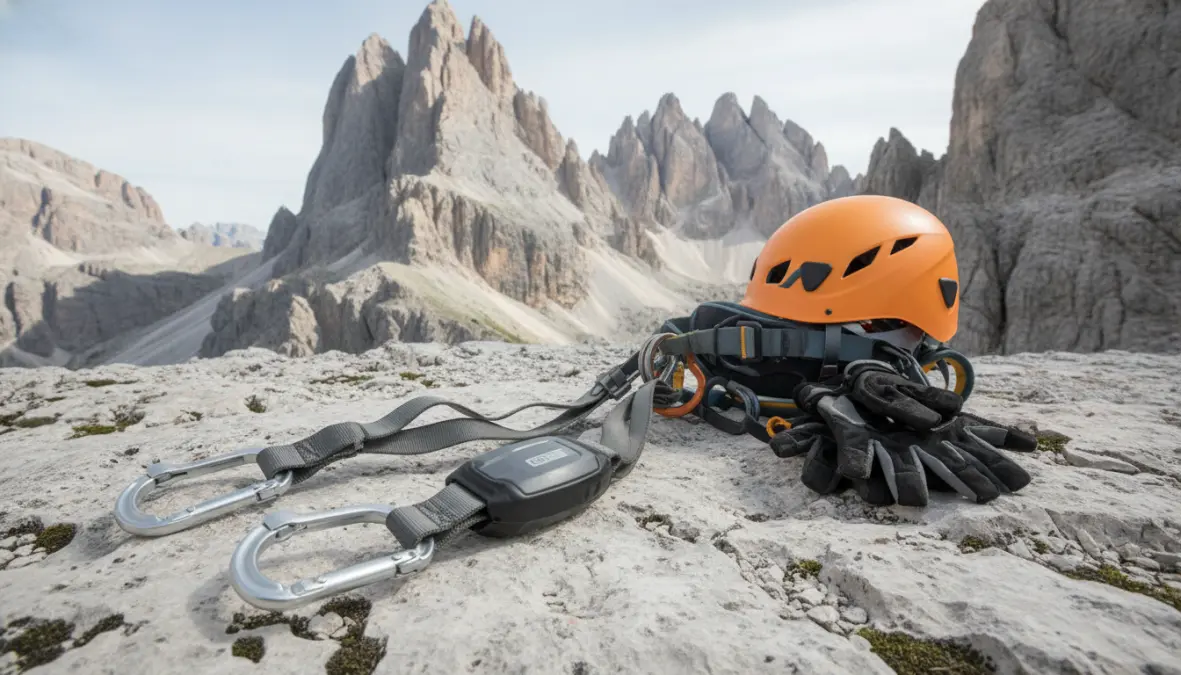
Proper equipment is non-negotiable for via ferrata hiking dolomites. You’ll need a specialized via ferrata set featuring a shock-absorbing lanyard with two carabiners, a climbing helmet, a harness, sturdy approach gloves to protect your hands on cables, and robust hiking boots with good ankle support. Many outdoor shops in Cortina, Canazei, and other Dolomite towns offer rental equipment (€15-25 per day for complete sets), though purchasing your own gear makes sense if you’re planning multiple routes.
The best season for tackling via ferrata routes dolomites runs from mid-June through September, when routes are snow-free and rifugios are open. July and August bring peak crowds and afternoon thunderstorms, so early morning starts are essential. Always check weather forecasts before setting out—conditions change rapidly at altitude, and lightning poses serious danger on exposed metal cables. Download apps like Meteo Dolomiti for reliable local forecasts.
For those new to via ferrata, booking guided via ferrata tours dolomites with certified mountain guides is highly recommended. Guides not only ensure safety but also provide instruction on proper technique, route-finding, and risk assessment. Physical preparation matters too—cardiovascular fitness and upper body strength make the experience far more enjoyable. Consider taking out specialized mountain sports insurance, as standard travel policies often exclude alpine activities.
Plan accommodation at mountain rifugios (huts) to maximize your time on the routes and experience authentic alpine hospitality. Popular huts like Rifugio Lagazuoi and Rifugio Pisciadù book up months in advance during peak season. If you’re passionate about mountain adventures and want to explore more challenging terrain, check out our Patagonia trekking guide or the Kilimanjaro hiking guide for equally thrilling expeditions.
Frequently Asked Questions
Do I need experience to try via ferrata in the Dolomites?
No prior climbing experience is required for easier routes, but you should be comfortable with heights and have good basic fitness. Starting with beginner-friendly routes like Tomaselli or Pisciadù allows you to develop skills before attempting more challenging climbs.
What’s the best time of year for via ferrata?
Mid-June through September offers the most reliable conditions, with July and August being busiest. Early June and late September provide quieter experiences but may have residual snow on higher routes. Always avoid via ferrata during thunderstorms or wet conditions.
How much does via ferrata equipment cost?
Complete rental sets cost €15-25 per day at mountain sports shops throughout the Dolomites. Purchasing your own equipment ranges from €80-150 for a quality via ferrata set, €50-120 for a helmet, and €60-150 for a harness.
Are via ferrata routes suitable for children?
Children aged 8-10 and above can attempt easier routes if they’re physically capable and comfortable with heights. Specialized children’s via ferrata sets are available, and hiring a guide for family groups is strongly recommended for safety.
Do I need a guide for via ferrata?
Guides aren’t mandatory for experienced mountain enthusiasts on easier routes, but they’re highly recommended for first-timers, complex routes, or anyone unfamiliar with alpine environments. Certified guides provide equipment, instruction, safety oversight, and valuable local knowledge.
The dolomites via ferrata experience offers adventure that few mountain destinations can match—combining the thrill of climbing with the accessibility of protected routes and the stunning beauty of Italy’s most dramatic peaks. Whether you’re seeking your first taste of vertical ascent on beginner-friendly cables or ready to test yourself on exposed ridges high above the valleys, these legendary iron paths deliver unforgettable mountain memories. Start planning your Dolomites adventure, respect the mountains, invest in proper gear and preparation, and you’ll discover why ferratisti from around the world return to these iconic peaks year after year. For more hiking inspiration across different terrains, explore our Cinque Terre hiking guide for coastal trail adventures.