Travel Toiletries Packing Guide: TSA-Friendly Checklist and Smart Tips
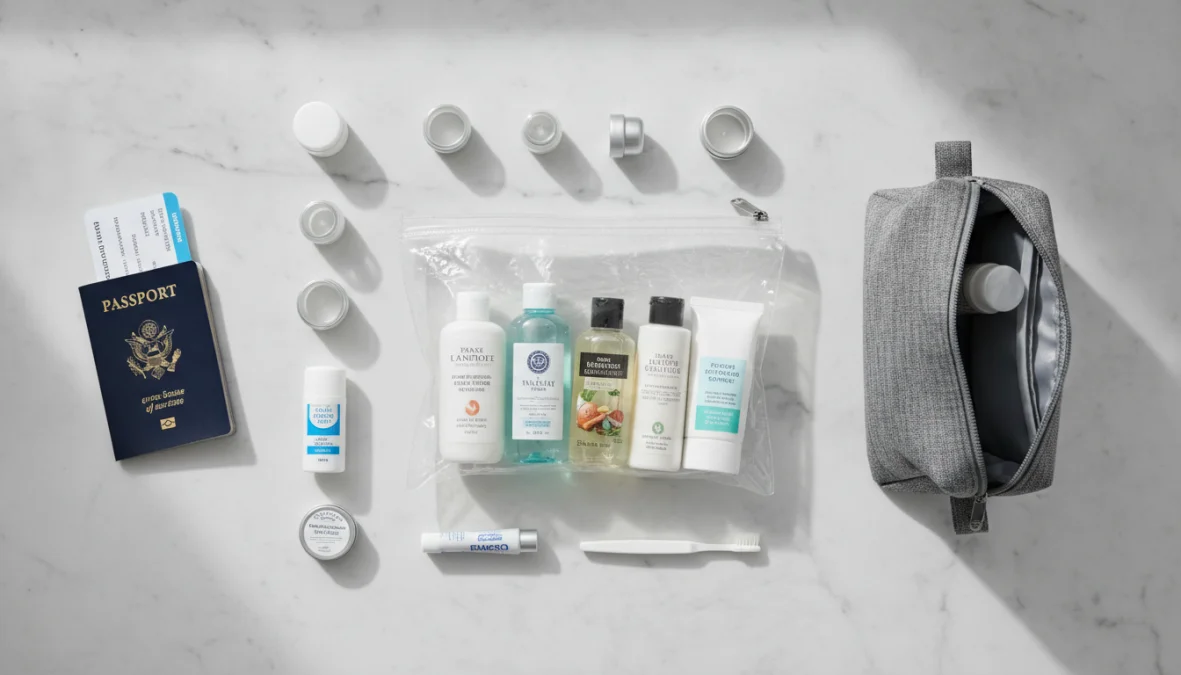
You’re standing at the airport security line, watching someone frantically unpack their entire toiletry bag because they didn’t follow the rules. Don’t be that person. Mastering travel toiletries packing isn’t just about following TSA regulations—it’s about traveling smarter, lighter, and stress-free. Whether you’re jetting off for a weekend getaway or embarking on a months-long adventure, knowing exactly what you can bring, how to pack it, and which products will make your life easier can transform your entire travel experience.
Understanding TSA Liquids Rules for Travel Toiletries
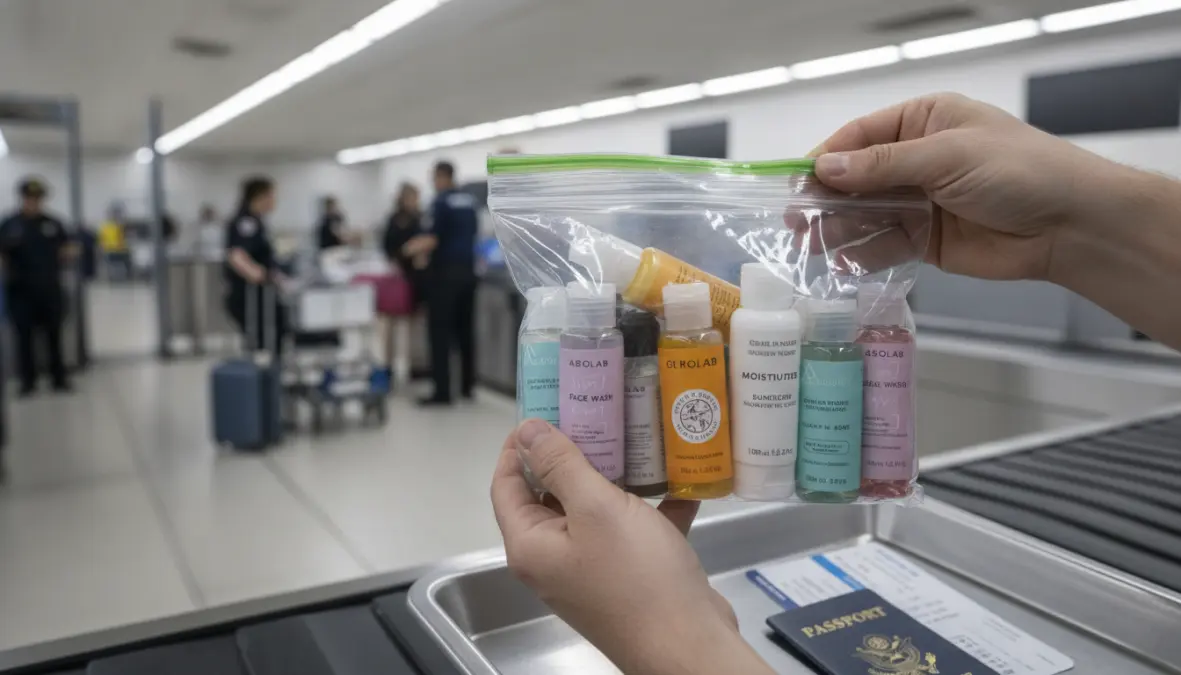
Let’s get straight to the heart of the matter: the infamous 3-1-1 liquids rule. This TSA regulation states that each passenger can bring liquids, gels, aerosols, creams, and pastes in containers of 3.4 ounces (100 milliliters) or less, all fitting inside 1 quart-sized, clear, plastic, zip-top bag, with 1 bag per passenger. Sounds simple enough, right? But here’s where travelers often get tripped up.
What counts as a liquid for airport security liquids purposes? Pretty much anything spreadable or pourable: toothpaste, shampoo, conditioner, lotion, foundation, mascara, lip gloss, deodorant gel, sunscreen, and even peanut butter. Yes, peanut butter. If you can spread it, squeeze it, or pour it, TSA considers it a liquid. Aerosols like dry shampoo or hairspray? Those count too.
Now, here’s the good news about airline toiletry restrictions: these rules only apply to carry-on luggage. In checked baggage, you can pack full-sized bottles without worrying about the 3-1-1 rule. However, I still recommend leak-proof packaging because changes in cabin pressure can cause messy explosions.
Important exceptions exist for medications (liquid or otherwise), baby formula, breast milk, and medically necessary liquids. These aren’t subject to the 3.4-ounce limit, but you must declare them at airport screening and they may require additional inspection. Pro tip: arrive at security with your quart-sized bag already removed from your carry-on and easily accessible—it’ll speed up the process considerably.
Essential Travel Toiletries Packing Checklist
Creating a comprehensive toiletries checklist travel ensures you never forget the essentials while avoiding overpacking. Let’s break down your complete toiletry packing list for travel by category.
Skincare: Facial cleanser (consider solid bars), moisturizer, sunscreen (absolutely essential), eye cream, lip balm with SPF, and any serums or treatments you use regularly. For travel size toiletries, consider decanting your favorites into reusable silicone bottles rather than buying travel versions of products you don’t normally use.
Haircare: Shampoo and conditioner (or better yet, shampoo bars that don’t count toward your liquid limit), dry shampoo for extending washes, hair oil or leave-in treatment, and styling products. A small comb or travel brush completes this category.
Oral Care: Toothbrush (electric ones are allowed), toothpaste (available in solid tablet form now), floss, and mouthwash tablets. These small items are frequently forgotten but impossible to enjoy your trip without.
Personal Hygiene: Deodorant (solid stick doesn’t count as liquid!), feminine hygiene products, razor and shaving cream (or consider a safety razor with solid toiletries shaving soap), cotton swabs, and nail clippers. If you’re wondering how to pack toiletries for carry on luggage, switching to solid deodorant and shaving soap immediately frees up precious space in your quart bag.
Grooming: Tweezers, small scissors (with blades under 4 inches), makeup and remover, fragrance (in small atomizers), and hand sanitizer (now allowed in containers up to 12 ounces as a temporary TSA adjustment).
First Aid Basics: Pain relievers, antihistamines, band-aids, antibiotic ointment, and any prescription medications. Keep prescriptions in original packaging when possible.
Often forgotten items include contact lens solution and case, glasses cleaning cloth, body lotion, hand cream, and Q-tips. For longer trips, consider bringing laundry detergent sheets to refresh clothes and extend your packing efficiency—just like using packing cubes for organization.
Choosing the Right Carry-On Toiletry Bag
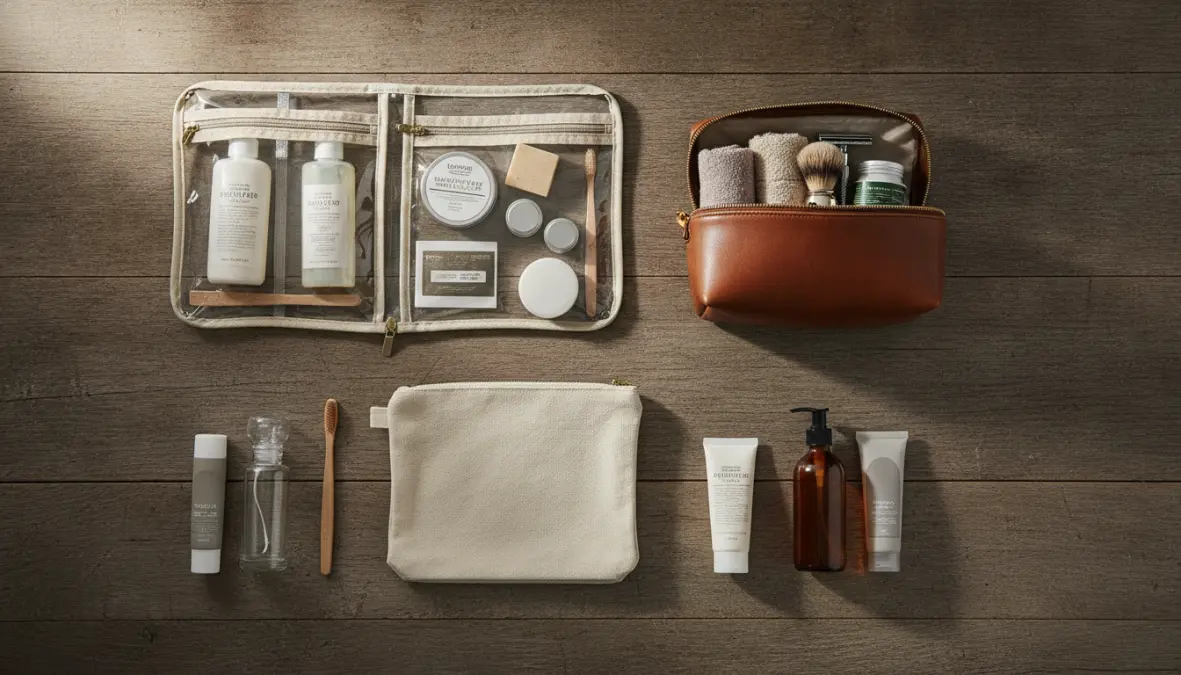
The best TSA approved toiletry bag depends on your travel style, but certain features make flight toiletries packing infinitely easier. Look for bags with a clear front panel or completely transparent sections—this lets TSA agents see contents without opening it. Waterproof or water-resistant material is non-negotiable; you want leak-proof bottles contained if something does go wrong.
A hanging hook transforms hotel bathroom organization, especially in tight spaces. Multiple compartments keep items separated and easy to find. Size-wise, aim for something compact enough to fit easily in your carry-on but spacious enough for essentials—typically 9-11 inches wide works well.
Three popular styles include the classic dopp kit (simple, structured, great for minimalists), hanging organizers (ideal for longer trips and multiple destinations), and minimalist pouches (perfect for weekend travelers or those with capsule toiletry collections).
Smart Packing Tips and Space-Saving Strategies
Knowing how to organize toiletries in carry on luggage efficiently separates seasoned travelers from rookies. Here are battle-tested strategies that actually work.
Embrace multi-use products: A tinted moisturizer with SPF replaces three items. Coconut oil works as makeup remover, hair treatment, and body moisturizer. Dr. Bronner’s soap can clean everything from your face to your clothes. This approach aligns perfectly with sustainable travel practices while saving space.
Go solid when possible: Shampoo bars, conditioner bars, solid perfume, bar soap, toothpaste tablets, and solid deodorant bypass liquid restrictions entirely. They’re also lighter and last longer than you’d expect.
Contact your accommodation: Most hotels provide basic toiletries—shampoo, conditioner, body wash, and lotion. If you’re not particular about brands, skip these entirely. This works whether you’re staying at a resort or following budget-friendly strategies like those in our travel planning guides.
Prevent leaks like a pro: Unscrew bottle caps, place plastic wrap over the opening, then rescrew the cap. Store bottles upright in a sealed plastic bag as backup protection. For travel containers, invest in quality silicone bottles with secure closures—cheap ones always leak.
Adjust for trip duration: Weekend trips require minimal toiletries—just enough to get through three days. For longer adventures like extended international trips, bring slightly more but plan to purchase items abroad if needed. You can find shampoo in Peru just as easily as at home.
Create a digital checklist: Save a travel size toiletries checklist for flights on your phone that you can reference and update after each trip. Note what you used, what you didn’t, and what you wished you’d brought.
For international travel, remember that TSA liquid rules for international flights departing from U.S. airports follow the same 3-1-1 rule, but regulations vary by country. European Union countries follow similar restrictions, while some Asian countries have different limits. Always check your destination’s airport security requirements before packing.
FAQ: Travel Toiletries and TSA Rules
What toiletries can you bring on a plane in checked luggage?
You can bring full-size toiletries in checked baggage without restrictions. Pack them in leak-proof containers and sealed bags to prevent damage to clothing from pressure changes.
What counts as a liquid for TSA purposes?
Anything spreadable, pourable, or sprayable: gels, creams, pastes, aerosols, lotions, and even foods like yogurt or peanut butter. If it’s not completely solid, treat it as a liquid.
How many 3.4 oz bottles can I bring on a plane?
As many as will fit in your single quart-sized bag, which typically holds 6-9 bottles depending on their shape. Remember, it’s one bag per passenger.
Are makeup and cosmetics considered liquids?
Liquid foundation, mascara, lip gloss, cream blush, and concealer count as liquids. Powder makeup, lipstick, and solid cosmetics don’t count toward your liquid limit.
Can I bring my own hand sanitizer on a plane?
Yes, TSA currently allows hand sanitizer in containers up to 12 ounces in carry-on bags as an exception to the standard 3.4-ounce rule. Larger bottles must go in checked luggage.
What about electric razors and toothbrushes?
Both are completely allowed in carry-on luggage. They’re electronics, not liquids, so they don’t affect your toiletry restrictions at all.
Do toiletry bags need to be clear?
Your quart-sized bag containing liquids must be clear. Your overall toiletry bag doesn’t need to be transparent, though clear sections help speed up security screening.
Mastering travel toiletries packing transforms airport security from stressful to seamless. With your TSA approved toiletries properly organized, you’ll breeze through screening while other travelers struggle with oversized bottles and last-minute repacking. Remember: the best packing strategy balances preparedness with minimalism—bring what you truly need, leverage solid alternatives, and trust that you can purchase items at your destination if necessary. Now pack that carry on toiletry bag with confidence and focus on the adventure ahead. Safe travels!