Socotra Island Yemen: Complete Travel Guide to Earth’s Most Alien Landscape
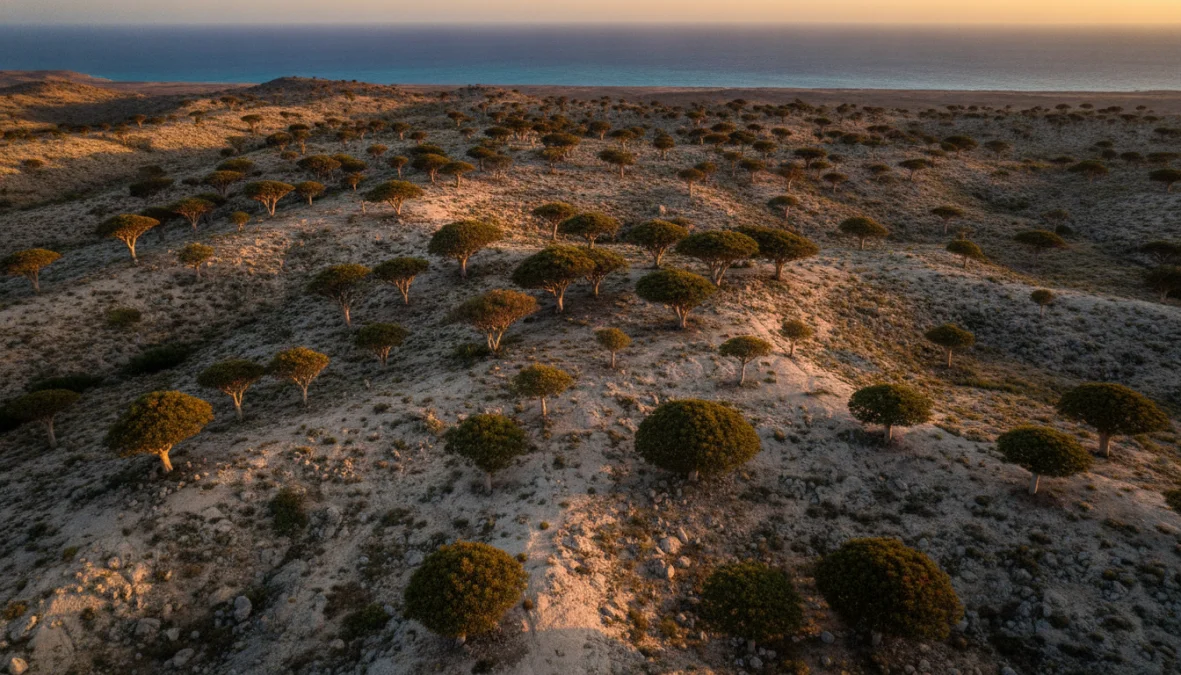
Imagine stepping onto a landscape so otherworldly that it could easily be mistaken for an alien planet. Welcome to Socotra Island Yemen, where mushroom-shaped trees defy gravity, turquoise lagoons meet desert dunes, and over a third of plant species exist nowhere else on Earth. This remote archipelago in the Arabian Sea is often called the “Galápagos of the Indian Ocean,” and for good reason—it’s one of our planet’s most biodiverse and visually stunning destinations that few travelers have experienced.
Why Socotra Island Yemen Is Earth’s Most Extraordinary Destination
Located approximately 380 kilometers south of mainland Yemen in the Arabian Sea, Socotra Island Yemen is the crown jewel of the Socotra archipelago. This isolated ecosystem has been evolving in splendid isolation for over 20 million years, resulting in a natural laboratory of evolution that earned it UNESCO World Heritage status in 2008.
The numbers tell a remarkable story: Socotra biodiversity includes approximately 825 plant species, with 37% found nowhere else on the planet. We’re talking about 307 endemic species that make this island their exclusive home. The fauna is equally impressive, with endemic birds, reptiles, and countless invertebrates that have adapted to Socotra’s unique conditions over millennia.
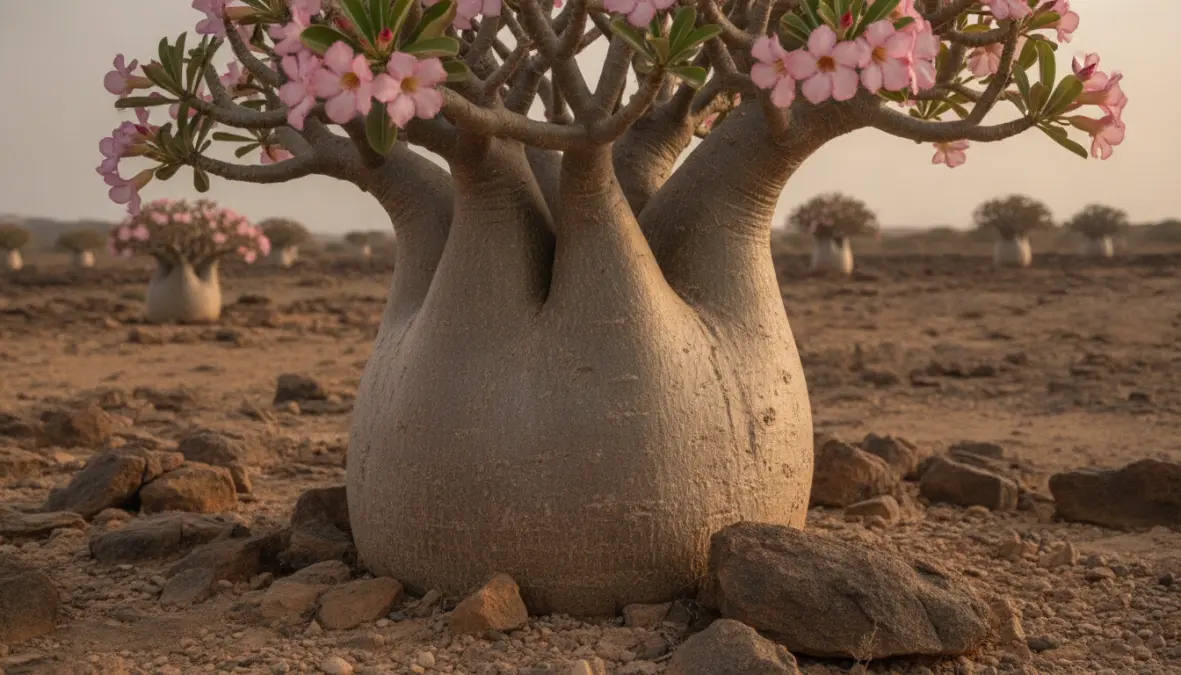
What makes this alien landscape truly mesmerizing are its signature trees. The dragon blood tree (Dracaena cinnabari) has become Socotra’s botanical ambassador—its distinctive umbrella-shaped canopy looks like something from a science fiction film. These ancient trees dot the limestone plateaus, particularly on Dixam Plateau, creating forests that seem plucked from another world. Equally bizarre are the desert rose (Adenium obesum socotranum) with its swollen trunk, and the cucumber tree (Dendrosicyos socotranus), the only member of the cucumber family that grows into a tree form.
The geological history is equally fascinating. Socotra separated from mainland Africa during the Miocene epoch, creating an island workshop where evolution could experiment freely. The result is an isolated ecosystem that rivals the Galápagos Islands in scientific importance but remains far less visited.
Planning Your Socotra Island Travel: Essential Information
So, how to visit Socotra Island Yemen? The logistics require careful planning, but the effort is absolutely worth it. Currently, the most reliable access is via flights to Socotra Island Yemen from Cairo (Egypt) and Abu Dhabi (UAE), with weekly services operating during the tourist season. The political situation in mainland Yemen does not significantly affect Socotra, which has remained remarkably stable and safe for tourism.
Regarding is Socotra Island safe to visit—the answer is generally yes. The island operates independently from mainland Yemen’s conflicts, with its own local governance that prioritizes tourism and conservation. However, always check current travel advisories and work with established tour operators who monitor the situation closely.
The best time to visit Socotra is between October and April, when weather conditions are favorable. From June to September, monsoon winds make the island largely inaccessible. November through March offers the most pleasant temperatures and calm seas—perfect for exploring marine biodiversity through diving and snorkeling.
Socotra Island permit requirements include a Yemeni visa (typically arranged through your tour operator) and mandatory registration upon arrival. Independent travel is not permitted—you must book through authorized yemen socotra tours operators. This requirement actually benefits travelers, as local guides know the terrain, respect sensitive ecosystems, and can facilitate interactions with Socotri communities.
Budget-wise, expect to spend $2,000-$4,000 for a week-long tour, including flights, permits, accommodation, meals, and guided excursions. Pack light, breathable clothing, sturdy hiking shoes, reef-safe sunscreen, and camping gear if your tour includes overnight desert experiences. Accommodations range from basic guesthouses in Hadibo (the main town) to camping under spectacular star-filled skies. Similar to planning adventures like island hopping in Zanzibar, attention to seasonal timing makes all the difference.
Choosing the Right Yemen Socotra Tour
Most socotra yemen tours run 7-10 days and follow similar circuits covering the island’s highlights. A responsible operator will include knowledgeable local guides, transportation in 4×4 vehicles, camping equipment, meals, and permits. Look for companies committed to sustainable tourism—Socotra’s fragile ecosystems require visitors who understand their impact.
Typical itineraries combine coastal wonders with highland forests, cave exploration, and cultural encounters. The best tours balance adventure with conservation education, ensuring that tourism supports rather than threatens socotra biodiversity. Ask about group sizes (smaller is better), guide qualifications, and environmental policies before booking.
Top Natural Wonders and Biodiversity Hotspots to Explore
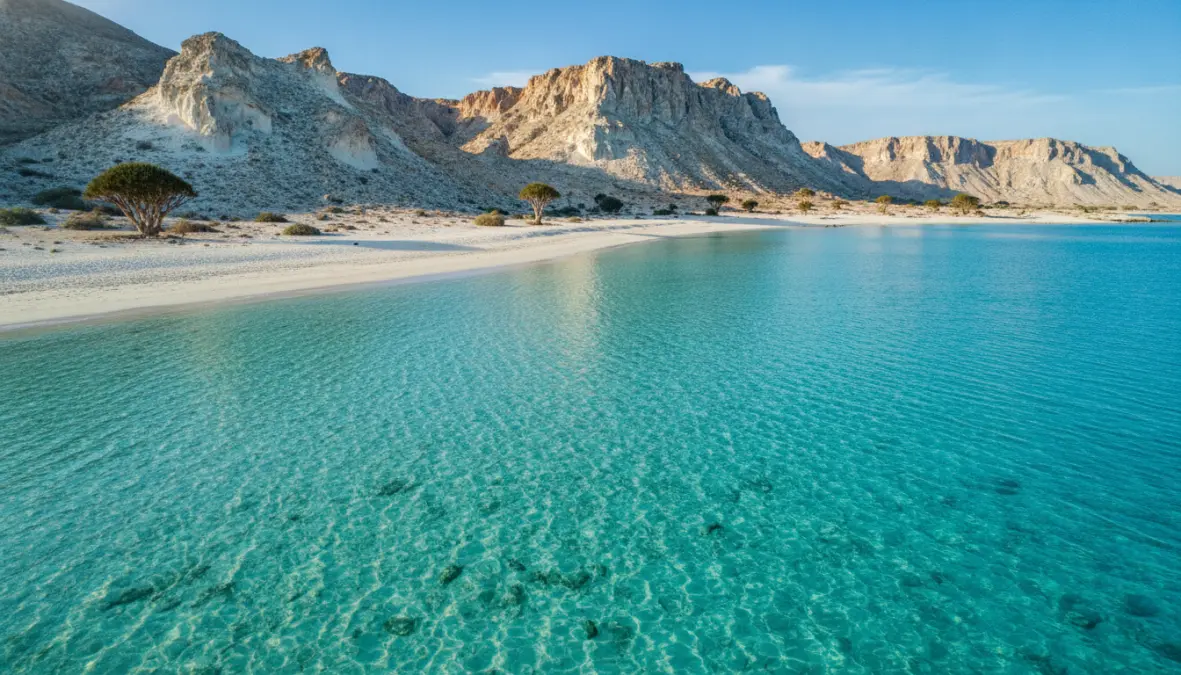
Your Socotra island travel guide must include these unmissable locations. Detwah Lagoon, near Qalansiyah, presents a surreal scene where white sand dunes descend into brilliant turquoise waters backed by jagged limestone mountains. It’s consistently rated among the world’s most beautiful beaches and offers excellent swimming and snorkeling opportunities to explore marine biodiversity including endemic fish species.
Arher Beach on the eastern coast showcases massive sand dunes meeting the sea, with freshwater pools and date palm oases creating unexpected contrasts. The protected bay is ideal for swimming and beachcombing. Dixam Plateau hosts the most concentrated dragon blood tree forests—hundreds of these iconic trees create a landscape that photographs like pure fantasy.
Hoq Cave, accessible via a moderate hike, features stunning stalagmites and stalactites with evidence of ancient human habitation. The cave extends deep into the mountain with a freshwater lake at its terminus. Wadi Dirhur canyon combines waterfalls (seasonal), natural pools perfect for swimming, and endemic flora fauna including the unique Socotran pomegranate trees.
The bottle tree (another name for the desert rose) grows throughout the island, its swollen trunks storing water during dry periods and producing vibrant pink flowers. Bird enthusiasts should watch for the Socotra starling, Socotra sunbird, and Egyptian vulture—all part of the island’s rich avian diversity.
Beyond natural wonders, Socotri culture deserves attention. The island’s inhabitants speak Socotri, an ancient South Arabian language with no written form. Traditional fishing villages maintain customs that have changed little over centuries, offering authentic cultural encounters unlike anywhere else.
The Legendary Dragon Blood Tree: Icon of Socotra
The dragon blood tree deserves special attention as Socotra’s most recognizable symbol. These trees can live for hundreds of years, growing slowly into their characteristic umbrella shape—an adaptation that creates shade, reduces evaporation, and channels precious rainfall toward roots. The dense canopy creates a microclimate beneath, supporting other plant species.
The tree’s name comes from its crimson resin, harvested for millennia as dye, medicine, and varnish. Ancient civilizations valued dragon’s blood resin for embalming, healing wounds, and creating vivid pigments. Today, sustainable harvesting continues as part of Socotri traditional practices.
For photographers, the best dragon blood tree locations include Dixam Plateau (accessible by 4×4), Firmihin Plateau, and Homhil Protected Area. Sunrise and sunset transform these forests into magical scenes as golden light filters through the distinctive canopies. Conservation status remains a concern—climate change and overgrazing threaten these ancient trees, making responsible tourism crucial for their protection.
Frequently Asked Questions About Socotra Island
Is it safe to travel to Socotra?
Yes, Socotra has remained safe and stable despite mainland Yemen’s challenges. The island operates autonomously with its own local governance focused on tourism and conservation. Crime is virtually nonexistent, and locals are famously hospitable. However, always check current advisories, purchase comprehensive travel insurance, and book through reputable tour operators who monitor conditions and maintain local contacts for your safety.
How much does a trip to Socotra cost?
Expect to budget $2,000-$4,000 per person for a week-long tour, including international flights to the region, inter-island flights, permits, accommodations, meals, guided tours, and transportation. Higher-end tours with better accommodations and smaller groups can reach $5,000. The mandatory tour operator requirement means independent budget travel isn’t possible, but the comprehensive packages ensure smooth logistics in this remote destination.
Do I need a guide to visit Socotra?
Yes, absolutely. Independent travel is not permitted on Socotra Island Yemen. All visitors must book through licensed tour operators who provide guides, transportation, and necessary permits. This requirement protects the fragile ecosystem, ensures visitor safety, supports the local economy, and provides travelers with expert knowledge about the island’s unique biodiversity and cultural heritage. Your guide becomes your gateway to understanding this extraordinary place.
What is the best time to visit Socotra?
October through April offers the ideal conditions for Socotra island travel. November to March features the most pleasant temperatures (20-30°C), calm seas for beach activities and diving, and accessible hiking conditions. Avoid June to September when monsoon winds make the island largely unreachable and outdoor activities difficult. February and March can see occasional rainfall, which transforms the landscape into lush greenery—spectacular but potentially limiting some activities.
Can you swim in Socotra?
Absolutely! Socotra offers world-class swimming, snorkeling, and diving opportunities. Detwah Lagoon, Qalansiyah Beach, and Arher Beach feature calm, crystal-clear waters perfect for swimming. The Arabian Sea surrounding the archipelago harbors exceptional marine biodiversity including endemic fish species, rays, and seasonal whale sharks. Many freshwater pools in wadis (seasonal riverbeds) also offer refreshing swimming opportunities surrounded by dramatic scenery and unique vegetation.
Why is Socotra so unique?
Socotra’s 20-million-year isolation created an evolutionary laboratory producing over 700 endemic species—37% of its plants exist nowhere else on Earth. The combination of ancient Gondwanan heritage, varied microclimates from sea level to 1,500-meter peaks, and geographic isolation fostered biodiversity rivaling the Galápagos. Its alien landscape of dragon blood trees, bottle trees, and limestone plateaus appears genuinely otherworldly, making it irreplaceable for both scientific research and unforgettable travel experiences.
Few destinations on Earth can claim the raw, untouched beauty and biological significance of Socotra Island Yemen. While it requires more effort to reach than typical destinations—similar to planning journeys like New Zealand’s South Island—the rewards are incomparable. Every traveler who sets foot on this isolated ecosystem becomes part of its conservation story, witnessing evolution’s masterpiece before climate change and human pressures alter it forever. If you’ve ever dreamed of exploring a landscape that truly feels like another planet while it remains pristine and accessible, Socotra should top your bucket list.