Bhutan Travel Guide: Complete Guide to Permits, Costs and Cultural Experiences
Tucked away in the eastern Himalayas, Bhutan remains one of the world’s most exclusive travel destinations—and that’s entirely by design. This bhutan travel guide will walk you through everything you need to know about visiting the Land of the Thunder Dragon, from navigating the unique visa requirements to budgeting for your trip and planning an unforgettable itinerary that captures the essence of Bhutanese culture traditions. Whether you’re a first-time visitor or dreaming of exploring dzong fortresses and Buddhist monasteries, understanding Bhutan’s distinctive approach to tourism is your first step toward an incredible journey.
Understanding Bhutan’s Unique Tourism Policy and Entry Requirements
Bhutan isn’t your typical backpacker destination, and that’s what makes it special. The country operates under a “High Value, Low Impact” bhutan tourism policy designed to preserve its cultural heritage and pristine environment while welcoming thoughtful travelers. This approach centers around the Sustainable Development Fee (SDF) and a requirement that all tourists (except Indian, Bangladeshi, and Maldivian citizens) book through licensed tour operators.
Here’s how the bhutan visa requirements work: You cannot simply show up at the border. Your tour operator handles the visa application process on your behalf, submitting your passport details and itinerary to Bhutan’s tourism board. Once approved (typically within 7-10 days), you’ll receive a visa clearance letter that you’ll need when boarding your flight or entering at a land border. The actual visa stamp gets placed in your passport upon arrival.
For bhutan travel permits, Indian nationals enjoy a simplified process—they don’t need a visa, just a valid passport or Voter ID card, and can arrange permits directly at entry points. However, they still need to pay the SDF and follow certain routing requirements. All other nationalities must work with authorized tour operators who arrange both the visa and internal travel permits for restricted areas. This system might seem restrictive, but it ensures you’ll have expert guidance throughout your journey and contributes directly to sustainable development initiatives. For more tips on responsible tourism practices, check out our Sustainable Travel Guide.
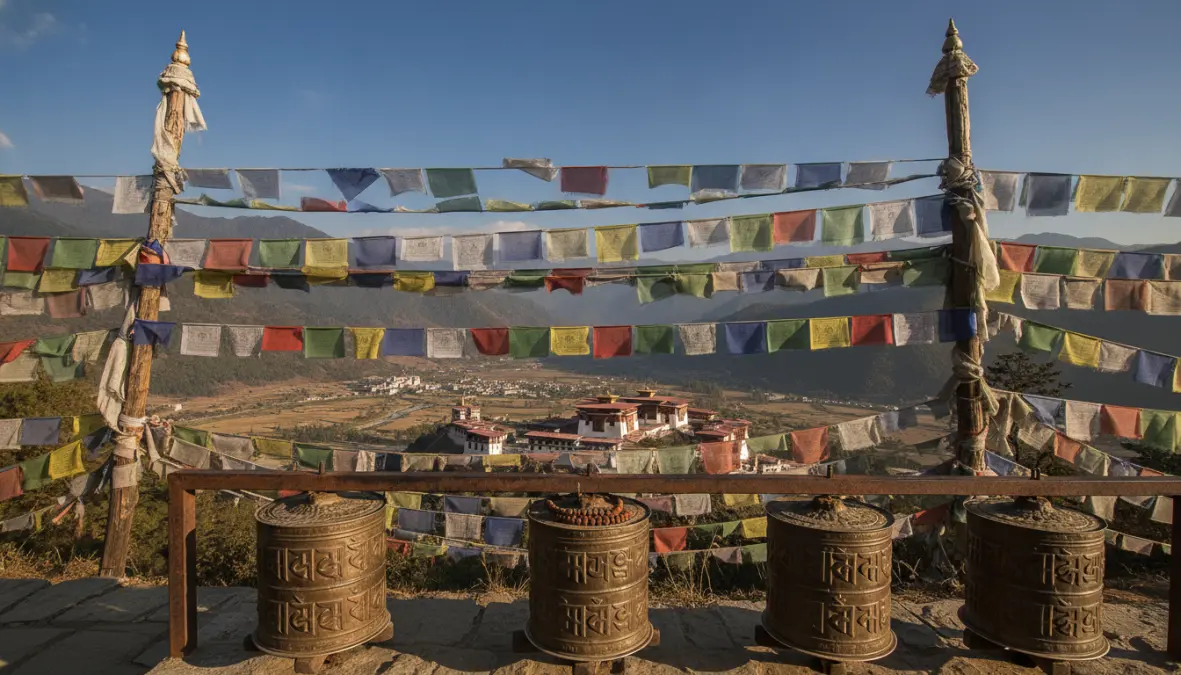
Bhutan Trip Costs: Breaking Down Your Travel Budget
Let’s address the elephant in the room: how much does it cost to travel to bhutan? The centerpiece of your budget is the Sustainable Development Fee, currently set at $100 USD per person per night. This replaced the previous higher daily tariff system, making Bhutan more accessible while maintaining its quality-focused approach.
On top of the SDF, expect to pay for your bhutan tourism package, which typically ranges from $200-400 per day depending on season and accommodation level. High season (March-May and September-November) commands premium prices, while low season (December-February and June-August) offers better deals—though weather conditions vary significantly. A complete 7-day trip generally costs between $2,100-3,500 excluding international flights.
Understanding bhutan trip cost requires breaking down what’s included versus extra. International flights to Paro aren’t cheap—expect $600-1,500 from major Asian hubs. Within Bhutan, alcohol is relatively inexpensive but still costs extra, as do souvenirs, tips for guides and drivers (budget $10-15/day combined), and any spa treatments or special activities beyond your itinerary.
What’s Included in Your Daily Package Rate
Your daily package rate through a licensed operator typically covers accommodation (ranging from comfortable guesthouses to luxury resorts), all meals (breakfast, lunch, and dinner), private transportation with driver, an English-speaking licensed guide, entrance fees to museums and monuments, and internal permits for trekking or visiting restricted areas.
What’s not included? The $100 SDF (paid separately), international flights, travel insurance, alcoholic beverages, personal shopping, tips, laundry, and optional activities like hot stone baths or archery lessons. Many first-time visitors are pleasantly surprised by how comprehensive the packages are—you won’t be nickel-and-dimed for every museum entry or constantly calculating meal costs. Before packing for your adventure, consider reading our Complete Packing Cubes Guide to organize your belongings efficiently.
Essential Bhutan Itinerary and Cultural Highlights
Planning your bhutan itinerary depends largely on available time and interests. A complete bhutan travel itinerary 7 days typically covers the western valleys, hitting the greatest hits while allowing time to absorb the peaceful Bhutanese pace of life.
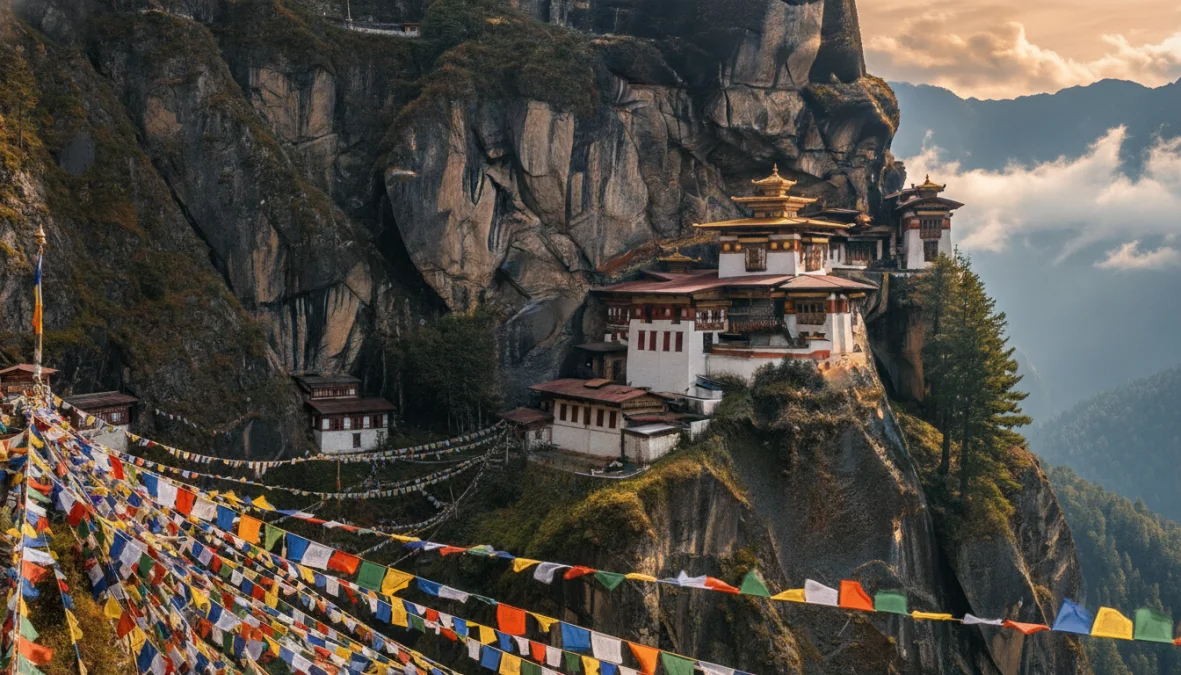
A classic week-long route includes: Days 1-2 in Paro Valley, acclimatizing and exploring Paro Dzong and the National Museum; Day 3 hiking to Tigers Nest Monastery (Taktsang), the iconic cliffside temple that’s Bhutan’s most photographed attraction; Days 4-5 in Thimphu, the capital, visiting the massive Buddha Dordenma statue, Memorial Chorten, and if lucky, catching the weekend market; Days 6-7 in Punakha Valley, home to the stunning Punakha Dzong positioned between two rivers.
For those with 10+ days, consider adding Bumthang Valley for deeper cultural immersion, or the Phobjikha Valley to spot rare black-necked cranes (winter months). The best time to visit bhutan for tourists is spring (March-May) for rhododendron blooms and clear mountain views, or autumn (September-November) for perfect weather and major tsechu festivals. These vibrant celebrations feature masked dances, religious ceremonies, and community gatherings that showcase the Himalayan kingdom’s living Buddhist heritage.
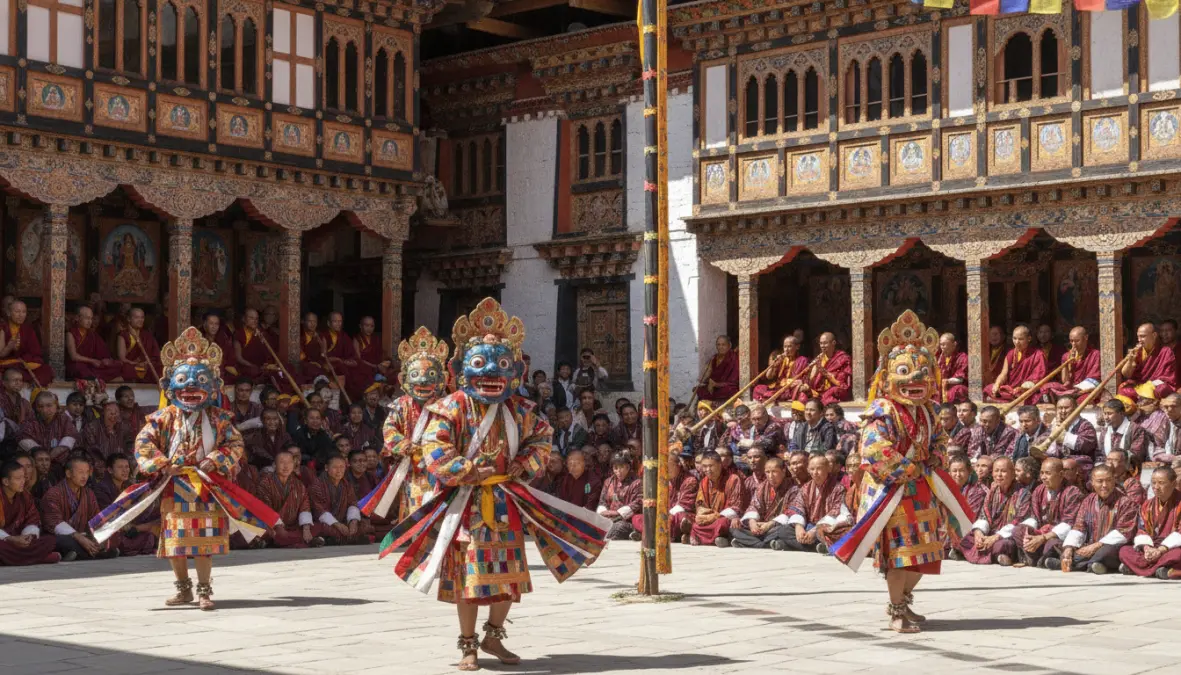
Unmissable Cultural Experiences and Festivals
Bhutan cultural tours shine brightest during festival season. The Paro Tsechu (spring) and Thimphu Tsechu (autumn) are the most accessible for visitors, offering days of colorful dances performed by monks in elaborate costumes. Arriving early is essential—locals believe witnessing certain dances brings blessings and merit.
Beyond festivals, seek out authentic experiences: try your hand at Bhutan’s national sport (archery) at a local range, take a farmhouse cooking class to learn ema datshi (chili cheese), visit a traditional handloom weaving center, or receive blessings from monks at remote monasteries. The concept of gross national happiness—Bhutan’s development philosophy that prioritizes wellbeing over GDP—becomes tangible when you spend time with locals who genuinely embody contentment and community spirit. Respect for dzong fortresses and Buddhist monasteries is essential: dress modestly (long pants/skirts, covered shoulders), remove shoes before entering, and always ask before photographing people or religious artifacts.
Frequently Asked Questions About Traveling to Bhutan
Can I travel to Bhutan independently? Not if you’re from most countries. All tourists except Indian, Bangladeshi, and Maldivian citizens must book through a licensed tour operator who arranges visas, permits, and itineraries. However, your guide can customize experiences extensively based on your interests.
How long does it take to get a Bhutan visa? The visa clearance process typically takes 7-10 business days once your tour operator submits your application with full payment. Plan to book at least 3-4 weeks before travel, longer during peak festival seasons.
Is Bhutan expensive to visit? Compared to neighboring Nepal or India, yes—but the all-inclusive nature means fewer surprise costs. The bhutan sustainable development fee explained simply: your $100/night directly funds free education, healthcare, infrastructure, and environmental conservation.
Do I need a guide in Bhutan? Yes, for most nationalities, a licensed guide is mandatory and included in your package. They’re knowledgeable, speak excellent English, and provide invaluable cultural context that transforms your experience.
What is the best time to visit Bhutan? March-May and September-November offer ideal weather, clear mountain views, and festival opportunities. Winter (December-February) is colder but less crowded with budget-friendly rates. Monsoon season (June-August) brings rain but lush landscapes and excellent deals.
Can Indians visit Bhutan without restrictions? Indian citizens don’t need visas and can enter with just a passport or Voter ID, but still pay the SDF and must obtain entry permits at border checkpoints. They can arrange travel independently or through operators.
Your journey to Bhutan will be unlike any other travel experience—a carefully curated adventure through a kingdom that values culture and environment above mass tourism. With this bhutan travel guide for first time visitors, you’re equipped to navigate the unique requirements, budget appropriately, and design an itinerary that captures the magic of this extraordinary destination. The monasteries, mountains, and warm-hearted people await your arrival in the Land of the Thunder Dragon.