Omo Valley Ethiopia: Complete Ethical Guide to Visiting Indigenous Tribes
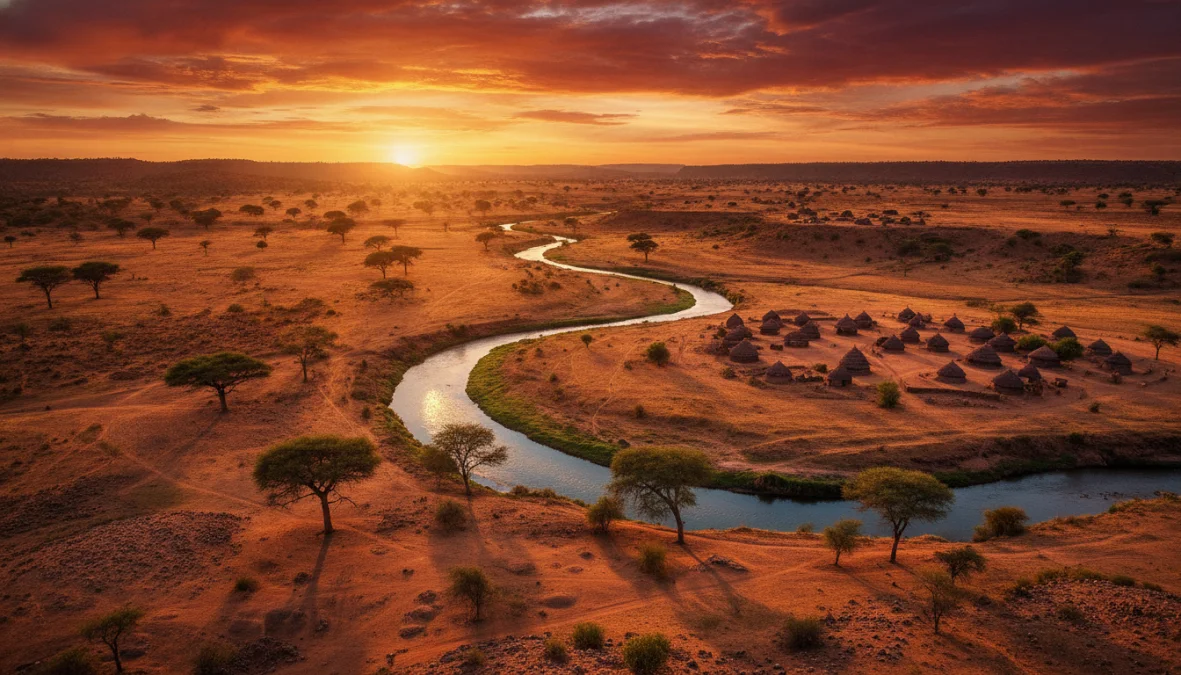
The Omo Valley in southern Ethiopia is one of the last places on Earth where indigenous tribes continue to live much as they have for centuries. Nestled along the Omo River valley, this remote region is home to over a dozen distinct ethnic groups, each with their own languages, customs, and striking cultural traditions. Visiting omo valley ethiopia offers an unparalleled window into ancient ways of life—but it also comes with significant ethical responsibilities. This guide will help you navigate this extraordinary destination with respect, awareness, and cultural sensitivity.
Understanding the Omo Valley: Africa’s Last Frontier of Indigenous Cultures
Located in southern Ethiopia tribes territory, the Omo Valley stretches across the southwestern corner of the country, roughly 750 kilometers from Addis Ababa. The Omo River itself flows for over 760 kilometers before emptying into Lake Turkana, creating a biodiversity hotspot that has sustained human populations for millennia. Archaeological evidence suggests this region has been continuously inhabited for over 200,000 years, making it one of humanity’s oldest cultural landscapes.
What makes the omo valley ethiopia truly exceptional is its concentration of distinct indigenous communities ethiopia—including the Mursi, Hamar, Karo, Banna, Ari, Daasanach, Nyangatom, and Suri peoples. Each group maintains unique cultural practices, from elaborate traditional body painting to distinctive scarification patterns and ceremonial rituals. Many of these communities are pastoralist communities, herding cattle, goats, and sheep across the semi-arid landscape, though some also practice flood-retreat agriculture along the riverbanks.
The region’s cultural heritage ethiopia significance has drawn international attention, with parts designated as UNESCO World Heritage Sites. However, the valley faces serious modern threats. The controversial Gibe III dam, completed in recent years, has dramatically altered the Omo River’s natural flooding cycles—threatening traditional agricultural practices that tribes have relied upon for generations. Commercial agricultural developments and government resettlement programs add additional pressure to these fragile cultures.
The Major Tribes of Omo Valley: Cultures, Traditions, and What Makes Each Unique
The omo valley tribes represent some of Africa’s most visually striking and culturally distinct peoples. Understanding their differences enhances both your appreciation and your ability to visit respectfully.
The Mursi Tribe Ethiopia is perhaps the most photographed group, primarily due to the dramatic lip plates worn by Mursi women. Living in the Mago National Park area near jinka ethiopia, the approximately 10,000 Mursi are semi-nomadic agro-pastoralists. Young women traditionally have their lower lips cut around age 15-16 and progressively stretch them with clay or wooden plates—some reaching 15 centimeters in diameter. Men practice stick fighting (donga) as both sport and courtship ritual. The Mursi are known for their fierce independence and have been somewhat resistant to outside influence, though tourism has significantly impacted their economy.
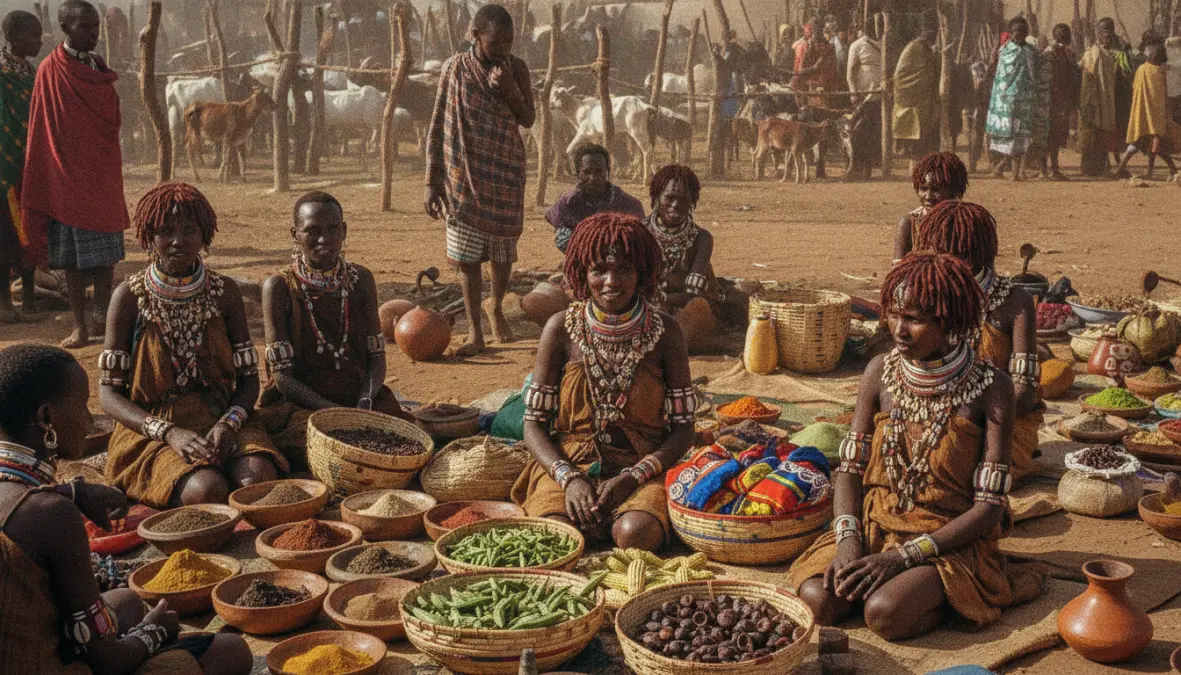
The Hamar Tribe, numbering around 50,000, inhabits the area around Turmi and is known for the spectacular bull-jumping ceremony—a rite of passage where young men must successfully leap across the backs of up to 30 bulls to prove their readiness for marriage. Hamar women wear distinctive goatskin garments decorated with cowrie shells and practice elaborate hairstyling with red ochre clay. The turmi market, held on Mondays and Saturdays, serves as a major trading center and cultural gathering point where you can observe Hamar alongside neighboring tribes.
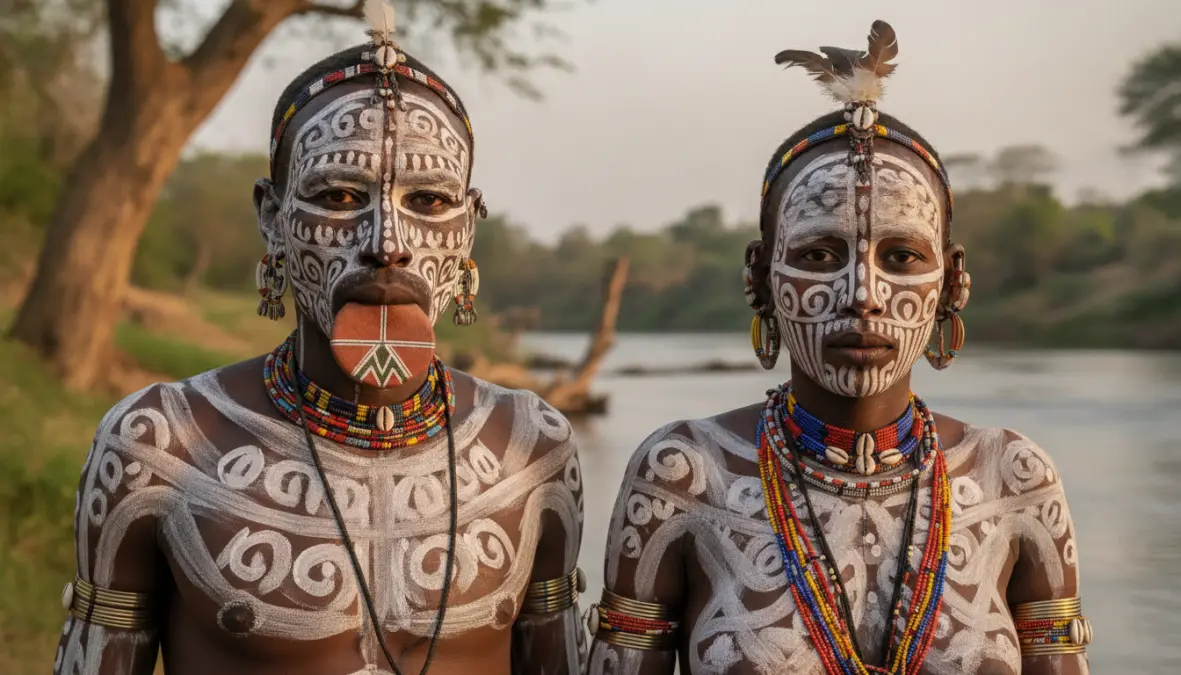
The Karo Tribe is the smallest major group, with only about 1,500 members living along the Omo River’s east bank. What they lack in numbers, they make up for in artistry—the Karo are masters of traditional body painting, creating elaborate designs using white chalk, yellow mineral rock, iron ore, and charcoal. These intricate patterns, often mimicking the spotted plumage of guinea fowl, are applied for ceremonies and dances. The Karo also practice scarification, with men sporting raised scars on their chests to signify enemies killed in battle or dangerous animals slain.
The Daasanach (also called Galeb or Reshiat) live in the delta region where the Omo meets Lake Turkana. They’re known for their resourcefulness, crafting elaborate headdresses from recycled materials like bottle caps and watch straps. The Banna people share cultural similarities with the Hamar, including similar body scarification and jump ceremonies, while the Ari are one of the largest groups, numbering over 250,000, and are primarily farmers living in the highlands.
Planning Your Ethical Omo Valley Cultural Tour: Practical Guide and Responsible Travel Tips
Successfully planning an omo valley cultural tour requires balancing practical logistics with ethical considerations. The best time to visit omo valley tribes is during the dry season (October through March), when roads are passable and tribal ceremonies ethiopia are more frequent. The rainy season (April through September) makes many roads impassable, though you’ll find fewer tourists.
Most visitors fly to Jinka Ethiopia, which serves as the primary gateway to the valley. From Addis Ababa, you can take a domestic flight to Jinka (about 1.5 hours) or endure a grueling two-day drive. Arba Minch, roughly 300 kilometers north, offers another access point. A typical omo valley tribes tour itinerary runs 5-7 days, allowing you to visit 4-5 different tribal areas without rushing. Budget at least $150-250 per day for organized tours, though independent travel can reduce costs.
Here’s the crucial part: how to visit omo valley responsibly. You’ll need a licensed guide—solo travel to tribal villages southern ethiopia isn’t permitted, which actually protects both visitors and communities. Choose tour operators who employ local guides from the tribes themselves, ensuring your money directly benefits the communities. Bring essential supplies including a good hat, sunscreen, dust mask, and plenty of water. A basic medical kit is essential.
Cultural etiquette omo valley ethiopia centers primarily on photography. The omo valley tribes photography guide is simple: always ask permission and expect to pay. Tribes have learned that their images have value—typically 5-10 Ethiopian Birr (roughly $0.10-0.20) per person photographed. This may feel transactional, but it’s become the accepted arrangement. Never photograph without asking, never photograph children without parental consent, and respect when someone declines.
Responsible tourism southern ethiopia tribes means understanding your impact. Tourism brings both benefits and problems—it provides income but can also commodify culture and create dependency. Support ethical tribal tours omo valley that prioritize community consent and benefit-sharing. Avoid operators who promise “authentic” experiences in exchange for entering villages unannounced or pressuring people to perform ceremonies. Purchase handicrafts directly from artisans rather than through intermediaries. Learn a few words in local languages (though many guides speak Amharic and some English).
Remember that these are real communities, not theme parks. Dress modestly, ask before entering homes, don’t distribute candy or pens to children (which encourages begging), and be mindful that your presence changes the dynamic of whatever you’re observing. The goal of ethiopia tribal tourism should be cultural exchange, not exploitation. If you’re uncomfortable with the ethical complexities, consider whether you should visit at all—it’s a legitimate question every potential visitor should honestly consider. Just as you might research travel scams to avoid in other destinations, understanding the ethical landscape here is essential.
For packing, bring items that respect the environment and culture. Consider consulting resources like packing organization guides to efficiently prepare for this challenging destination.
Frequently Asked Questions About Visiting Omo Valley Tribes
Is it safe to visit Omo Valley?
Generally yes, though the region experiences occasional inter-tribal conflicts over grazing rights and water access. Travel with licensed guides who know current conditions. The main risks are vehicle accidents on rough roads, dehydration, and minor health issues. Border areas near South Sudan and Kenya can be unstable—stick to established tourism routes.
Do I need special permits?
You’ll need permits to enter certain areas, particularly Mago National Park (for the Mursi). Your tour operator typically arranges these. You don’t need a special visa beyond the standard Ethiopian tourist visa.
How much does a typical tour cost?
Budget $800-1,500 for a 5-day organized tour from Jinka, including guide, driver, vehicle, permits, and basic accommodation. Photography fees, meals, and souvenirs are extra. Independent travel is cheaper but logistically challenging.
What is the best time to visit?
October through March offers dry weather and better road conditions. December and January are peak season. If you want to see specific ceremonies (bull jumping, etc.), coordinate timing with your operator—these aren’t scheduled for tourists.
Is photography allowed?
Yes, but with payment and permission. Expect to pay each person you photograph. Some ceremonies may have restricted photography. Video typically costs more than still photos. Drones are generally prohibited.
Can you visit independently or need a guide?
You legally need a guide for visiting tribal areas. This isn’t just bureaucracy—guides facilitate communication, ensure cultural protocols are followed, and provide safety. Attempting independent visits is disrespectful and potentially dangerous.
What languages do the tribes speak?
Each tribe has its own language—Mursi speak Mursi, Hamar speak Hamar, etc. Many also speak Amharic (Ethiopia’s official language). Guides typically speak English, Amharic, and several tribal languages.
Visiting the omo valley ethiopia is unlike any other travel experience—challenging, humbling, and profound. These indigenous communities ethiopia offer us a glimpse into human diversity that’s rapidly disappearing worldwide. If you choose to visit, do so with deep respect, cultural humility, and a commitment to leaving a positive impact. The memories and perspectives you’ll gain are invaluable, but they come with the responsibility to be a thoughtful, ethical traveler. Much like planning responsible African adventures elsewhere, the key is balancing your desire to explore with genuine respect for the people and places you encounter.