Alentejo Portugal: Complete Guide to Wine, Beaches and Medieval Towns
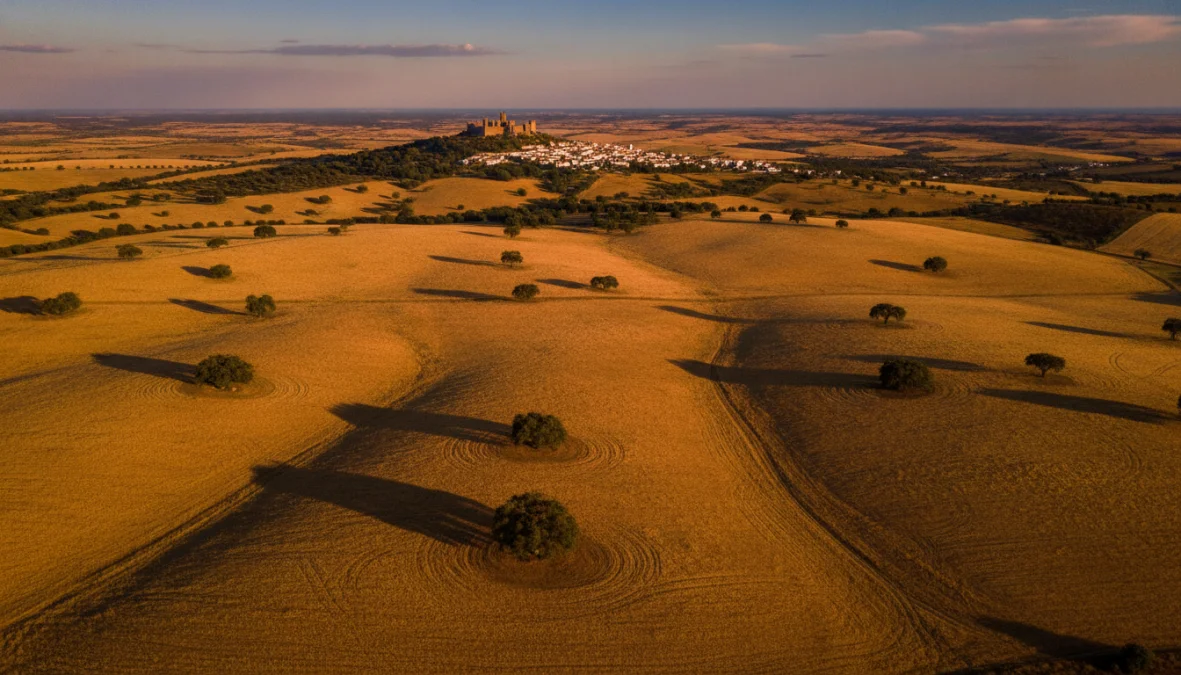
Picture this: endless golden plains dotted with cork oak forests, whitewashed villages perched on hilltops, world-class wines flowing from family-run quintas, and a wild Atlantic coastline that makes the Algarve look tame. Welcome to Alentejo, Portugal’s best-kept secret and a region that delivers everything you didn’t know you needed from a Portuguese adventure. This alentejo portugal guide will walk you through the wine cellars, medieval fortresses, and hidden beaches that make this south Portugal region absolutely unmissable.
Why Alentejo Should Be on Your Portugal Travel List
While tourists flock to Lisbon and the Algarve, alentejo tourism remains refreshingly authentic and uncrowded. This vast region—covering nearly a third of Portugal—stretches from below Lisbon to the Spanish border, offering a stunning combination of rolling countryside, UNESCO World Heritage sites, pristine beaches, and some of Portugal’s finest wines.
Unlike other south portugal regions, Alentejo moves at its own pace. The landscape shifts from olive groves and cork oak forests in the interior to dramatic cliffs and untouched beaches along the Costa Vicentina. The region’s capital, Évora, boasts Roman ruins dating back two millennia, while sleepy villages like Monsaraz seem frozen in medieval times.
Getting here is straightforward—Alentejo sits just 90 minutes from Lisbon by car, making it perfect for a road trip. The best time to visit alentejo is spring (April-June) when wildflowers blanket the plains and temperatures hover around a comfortable 20-25°C, or autumn (September-October) during harvest season when wineries buzz with activity. Summer brings intense heat to the interior but perfect beach weather along the coast.
Alentejo’s Wine Country and Medieval Heritage
The heart of Alentejo beats to two distinct rhythms: the ancient pulse of its medieval towns and the rich, bold flow of its wine tradition. Together, they create an experience that’s both historically profound and deliciously indulgent.
Exploring the Alentejo Wine Region
The alentejo wine region produces some of Portugal’s most celebrated wines, particularly full-bodied reds that thrive in the region’s hot, dry climate. Unlike the steep terraces of the Douro Valley, Alentejo’s vineyards stretch across gentle plains, benefiting from extreme temperature variations between scorching days and cool nights that give the wines their distinctive character.
The best wineries to visit in alentejo cluster around towns like Reguengos de Monsaraz, Borba, and Vidigueira. Herdade do Esporão offers spectacular architecture and portuguese wine tasting experiences paired with local cuisine, while smaller family quintas provide intimate encounters with winemakers who’ve worked the same land for generations. An alentejo wine route itinerary typically includes visits to 3-4 wineries, allowing time to appreciate the landscape between tastings.
Don’t miss pairing your wine with traditional cuisine—think black pork dishes, sheep’s cheese from Serpa, and açorda (bread-based stew). The wines complement these hearty flavors perfectly.
Évora and Other Medieval Towns Worth Visiting
Evora portugal anchors any medieval towns portugal exploration in Alentejo. This UNESCO World Heritage city centers on a remarkably preserved Roman temple—one of the Iberian Peninsula’s finest—surrounded by narrow cobblestone streets that wind past Moorish arches and Gothic churches. The Capela dos Ossos (Chapel of Bones), decorated with thousands of human skulls and bones, delivers an unforgettable memento mori experience, while the cathedral’s rooftop offers sweeping views across the terracotta rooftops.
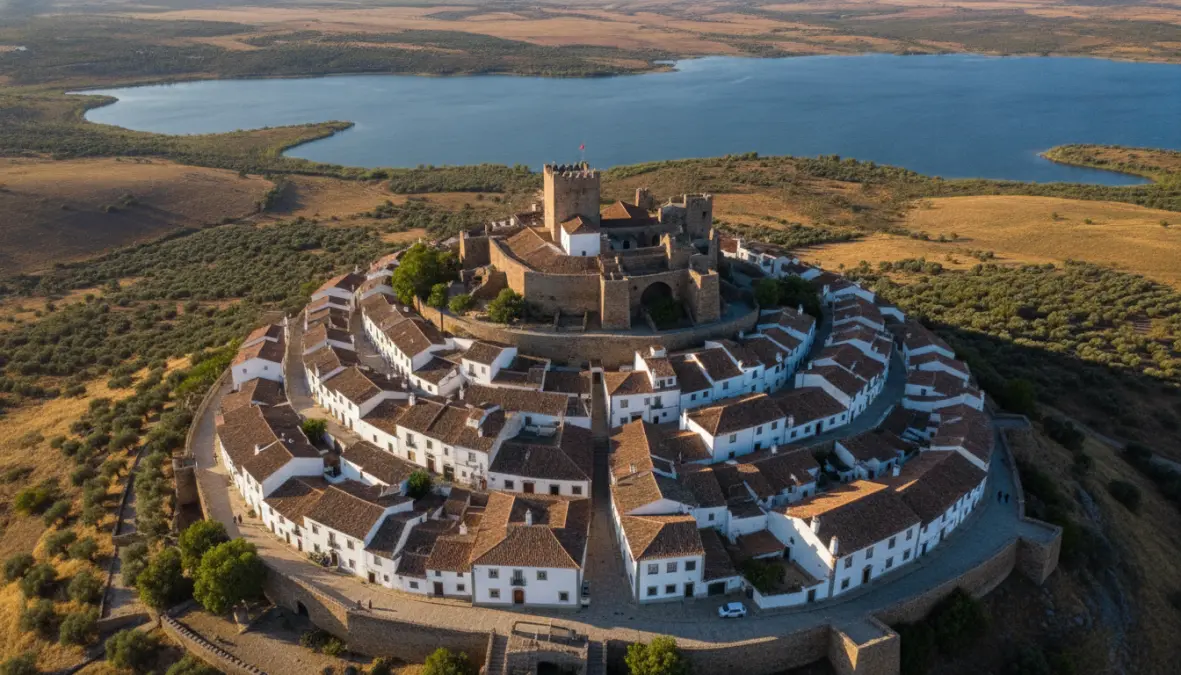
Beyond Évora, the medieval towns to visit in alentejo read like a storybook. Monsaraz perches dramatically above the Alqueva reservoir, its white houses and castle walls glowing golden at sunset. Marvão clings to a mountaintop near the Spanish border, offering 360-degree views that explain why it remained unconquered for centuries. Estremoz charms with its marble-paved streets and palace, while Elvas showcases the world’s largest bulwark fortifications, another UNESCO site.
These whitewashed villages share common features—Moorish and medieval architecture blending seamlessly, defensive walls that once repelled invaders, and a peaceful atmosphere worlds away from Portugal’s tourist crowds. Similar to the medieval towns of Transylvania, Alentejo’s historic villages offer authentic glimpses into centuries past.
Alentejo’s Stunning Coastline: From Costa Vicentina to Hidden Beaches
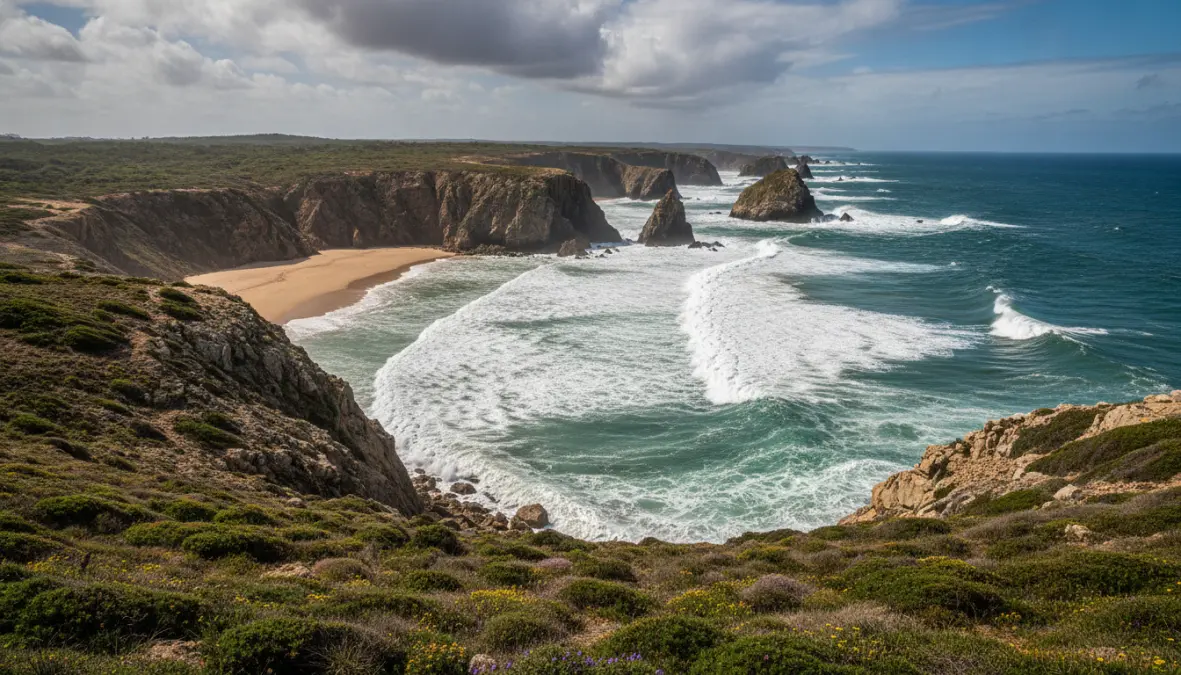
Just when you think Alentejo is all about rolling plains and hilltop towns, the landscape drops dramatically into the Atlantic Ocean. The alentejo beaches along the western coast offer a completely different experience from the interior—wild, windswept, and utterly spectacular.
Best Beaches and Coastal Towns in Alentejo
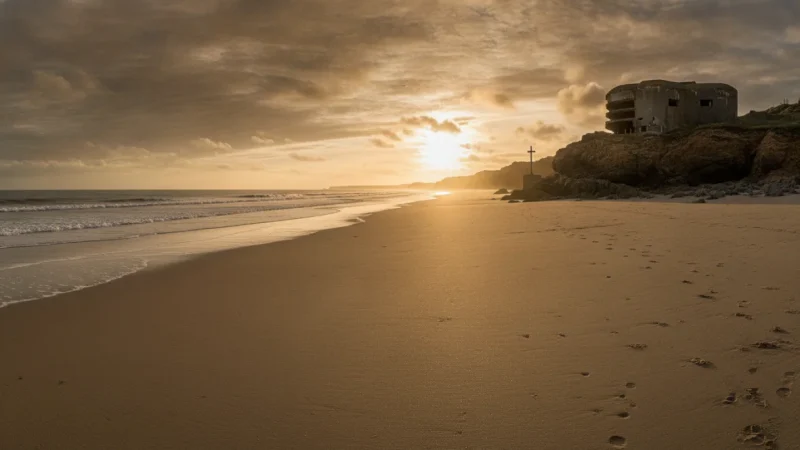
The costa vicentina, part of Southwest Alentejo and Vicentine Coast Natural Park, protects Europe’s best-preserved coastal stretch. Unlike the developed beaches you’ll find in an Algarve coast guide, this rugged atlantic coast remains pristine and powerful.
Porto Covo offers sheltered coves perfect for families, with crystal-clear waters and charming whitewashed houses just steps from multiple beaches. Vila Nova de Milfontes sits where the Mira River meets the ocean, creating both calm river beaches and impressive ocean waves. The town itself buzzes with a laid-back surf vibe and excellent seafood restaurants.
Zambujeira do Mar draws surfers to its consistent breaks and hosts one of Europe’s coolest music festivals each August. For those seeking the hidden beaches in alentejo portugal, venture to Praia dos Alteirinhos or Praia do Carvalhal—stretches of sand where you might share the shore with only seabirds.
Comporta has emerged as Portugal’s hippest beach destination, attracting celebrities and design enthusiasts to its bohemian-chic beach shacks and rice paddies. Despite growing popularity, it retains an exclusive yet relaxed atmosphere.
Beyond sunbathing, the coast offers world-class surfing, the Rota Vicentina hiking trails (including the stunning Fishermen’s Trail hugging the cliffs), and exceptional birdwatching—the region hosts migrating storks and rare species. When considering where to stay in alentejo portugal for coastal access, base yourself in Vila Nova de Milfontes or Porto Covo for easy beach-hopping while maintaining authentic Portuguese character.
FAQ: Planning Your Alentejo Adventure
How many days do you need in Alentejo?
A minimum of 4-5 days allows you to experience both interior highlights (Évora, wine region) and the coast. An ideal alentejo road trip guide suggests 7-10 days to truly slow down and absorb the region’s relaxed pace.
What is the best time to visit Alentejo?
Spring (April-June) offers mild weather and blooming wildflowers, while autumn (September-October) brings grape harvest festivities. Summer suits beach lovers but brings intense inland heat. Winter is quiet and cool but many rural accommodations close.
Is Alentejo better for wine or beaches?
Why choose? The beauty of an alentejo travel guide is combining both. Spend mornings exploring medieval towns and tasting wines, then drive 90 minutes west for sunset at wild beaches. This versatility defines the region.
How do you get around Alentejo?
A rental car is essential. Public transportation between small towns and wineries is limited. The roads are excellent, distances manageable, and having your own wheels lets you discover hidden cork oak forests and remote beaches at your own pace.
Where should I base myself in Alentejo?
For culture and wine, stay in Évora or Monsaraz. For beaches, choose Vila Nova de Milfontes or Comporta. Rural tourism accommodations—converted farmhouses called quintas—offer authentic experiences throughout the region, letting you wake up surrounded by olive groves or vineyards.
Alentejo rewards travelers who seek authenticity over Instagram hotspots. Whether you’re sipping age-old wines in Roman-era cellars, walking medieval ramparts at sunset, or feeling Atlantic spray on untouched beaches, this region offers the Portugal experience you’ve been dreaming about—just without the crowds. Pack your travel organization system, avoid common tourist traps, and discover why those in the know consider Alentejo Portugal’s most captivating secret.