Lake Bled and Triglav National Park: Complete Slovenia Road Trip Guide
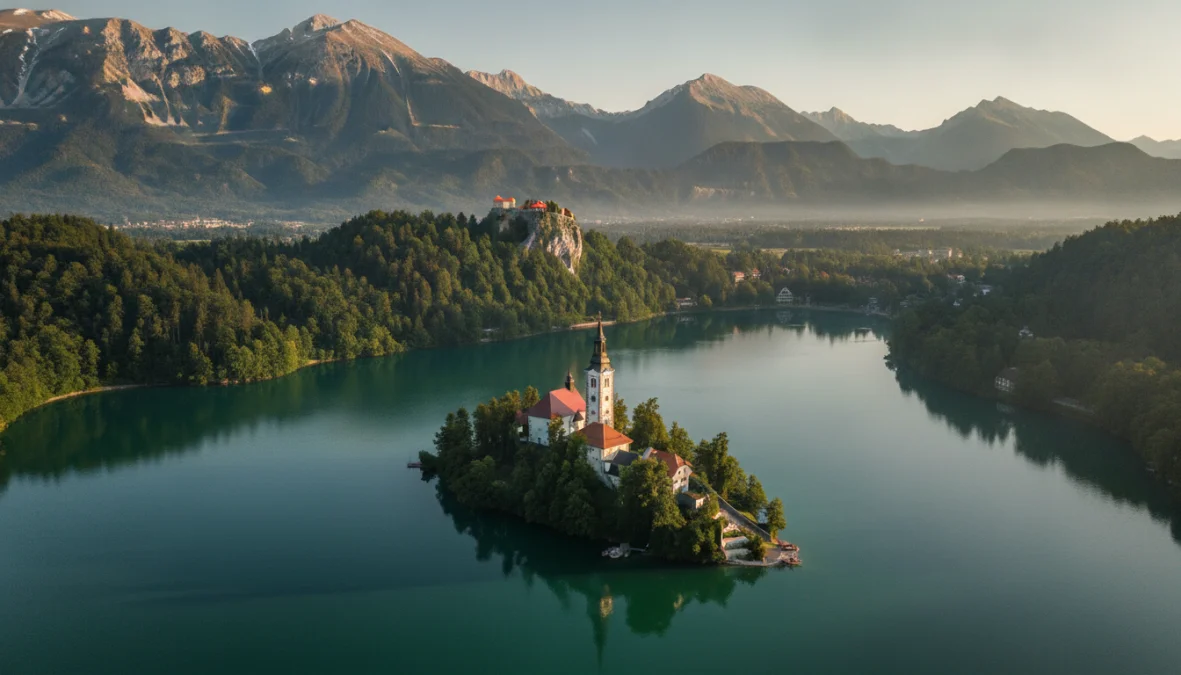
Picture this: a glacial lake so blue it looks photoshopped, a tiny island crowned with a fairy-tale church, and jagged alpine peaks rising dramatically in every direction. Welcome to Lake Bled and Triglav National Park, Slovenia’s crown jewels that’ll make you wonder why you haven’t visited sooner. This lake bled slovenia guide will help you plan the perfect alpine road trip through one of Europe’s most underrated destinations, where dramatic mountain scenery rivals the Canadian Rockies but without the crowds.
Planning Your Lake Bled and Triglav National Park Road Trip
Let’s get practical. The slovenia road trip itinerary connecting Lake Bled and triglav national park slovenia is surprisingly manageable—most key attractions sit within an hour’s drive of each other. If you’re wondering how to visit lake bled and triglav national park, start by allocating 3-5 days minimum to do the region justice without rushing.
The best time to visit lake bled slovenia depends on what you’re after. Summer (June-August) brings warm swimming weather and all hiking trails open, but also peak crowds and prices. September is the sweet spot—fewer tourists, stable weather, and stunning fall colors. Winter transforms Bled into a snowy wonderland, though some mountain roads close. Spring (April-May) offers wildflowers and waterfalls at full force, but unpredictable weather.
Getting here is straightforward. Ljubljana Airport sits just 35km away (a 40-minute drive), making lake bled day trip from ljubljana entirely feasible, though you’ll want longer to truly explore. Car rental is essential for a proper slovenia road trip itinerary—public transport exists but severely limits your flexibility in the national park. Expect to pay €30-50 daily for a compact car. Total daily budget ranges from €60-100 per person depending on accommodation choices.
For where to stay near lake bled, you’ve got options. Bled town offers maximum convenience and infrastructure but commands premium prices (€80-150/night). Lake Bohinj provides a quieter, more authentic base at lower costs. Serious hikers might prefer Kranjska Gora for direct national park access.
Lake Bled: Top Attractions and Activities
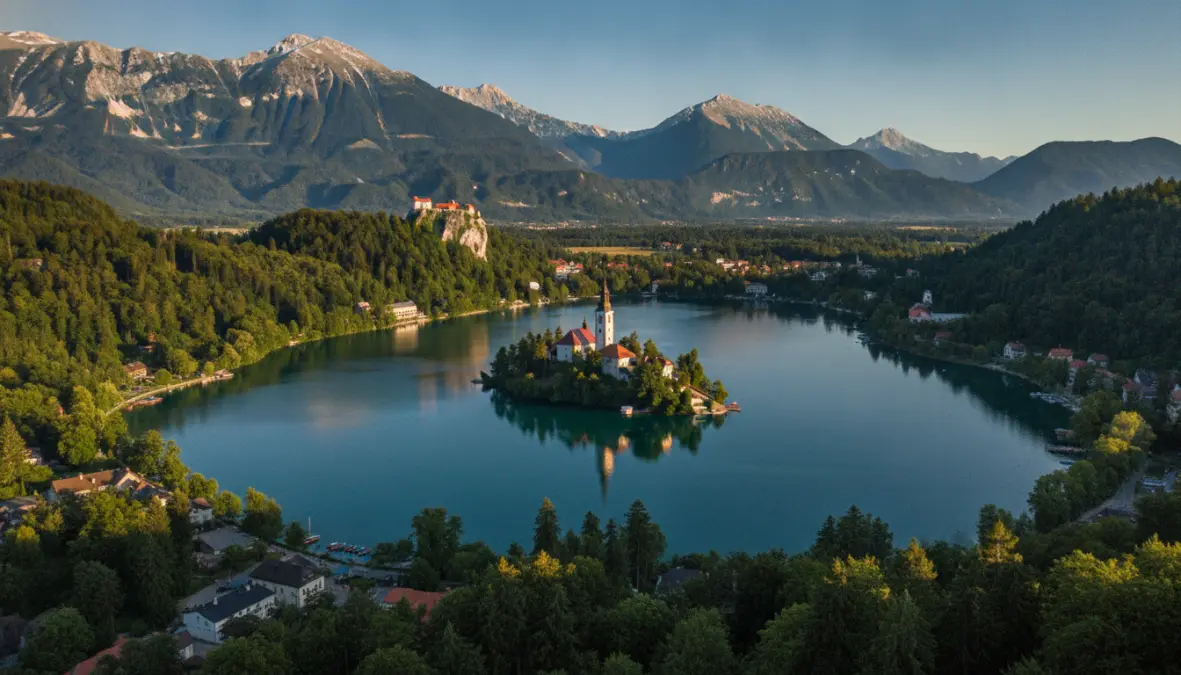
The star attraction is, obviously, the lake itself. But lake bled things to do extends far beyond snapping Instagram shots from the shore. Start your visit at sunrise—the soft morning light on the water with mist rising around the bled island church creates absolutely magical conditions. The 6km lakeside walking path takes about 90 minutes at a leisurely pace and offers constantly changing perspectives.
Bled Castle slovenia perches dramatically on a 130-meter cliff above the lake’s northern shore. Beyond the classic postcard views (seriously, they’re spectacular), the castle houses a small museum covering regional history, a traditional printing press, and a wine cellar where you can bottle your own souvenir. Entry costs €15 for adults. Arrive early morning or late afternoon to avoid tour bus crowds—midday can feel like a theme park.
The iconic pletna boat ride to the island is a must-do experience. These traditional wooden boats, rowed by licensed oarsmen, have shuttled visitors across the water for centuries. Round-trip costs €18 per person. Once on the island, climb the 99 steps to the church and ring the wishing bell (legend says your wish will come true). Alternatively, rent a SUP or kayak (€15-20/hour) for a more active approach—you’ll have the island essentially to yourself if you arrive before 9am.
Don’t leave without trying kremna rezina (cream cake) at Hotel Park—the original recipe since 1953. It’s ridiculously good: vanilla custard and whipped cream between layers of flaky pastry. At €6 a slice, it’s touristy but genuinely deserving of its reputation.
Bled Castle and Island Church: Must-See Landmarks
The bled castle slovenia dates back to 1011, making it Slovenia’s oldest castle. Budget 1.5-2 hours for a thorough visit including the museum, chapel, and multiple viewing terraces. The castle restaurant serves excellent traditional Slovenian cuisine with unbeatable views—splurge on lunch here if your budget allows.
For the bled island church, the pletna boats operate year-round from 8am-6pm (extended to 8pm in summer). The 15-minute crossing itself is part of the charm—watch for the synchronized rowing technique passed down through generations. The church interior is modest, but the baroque frescoes and the bell-ringing tradition make it memorable. If weather’s perfect, SUP offers the most freedom and costs less, but pletna boats provide cultural authenticity and work regardless of your paddling skills.
Hidden Viewpoints and Natural Wonders Around Bled
Vintgar Gorge should top your list of slovenia alpine lakes region excursions. Located 4km northwest of Bled, this 1.6km wooden walkway follows the Radovna River through a dramatic canyon with emerald pools and waterfalls. Entry costs €10, and it gets absolutely packed between 10am-3pm in summer. Go at opening (8am) or after 5pm for a completely different experience. The entire walk takes about 90 minutes round-trip from the parking area.
For jaw-dropping lake views, hike to Mala Osojnica or Ojstrica viewpoints. Mala Osojnica is the gentler option—a steep but short 20-minute climb rewarded with the classic Bled panorama. Ojstrica requires more effort (30-40 minutes, quite steep) but offers an even more dramatic perspective. Both trails are well-marked but can be slippery when wet. Dawn shoots here are legendary among photographers.
Exploring Triglav National Park and the Julian Alps
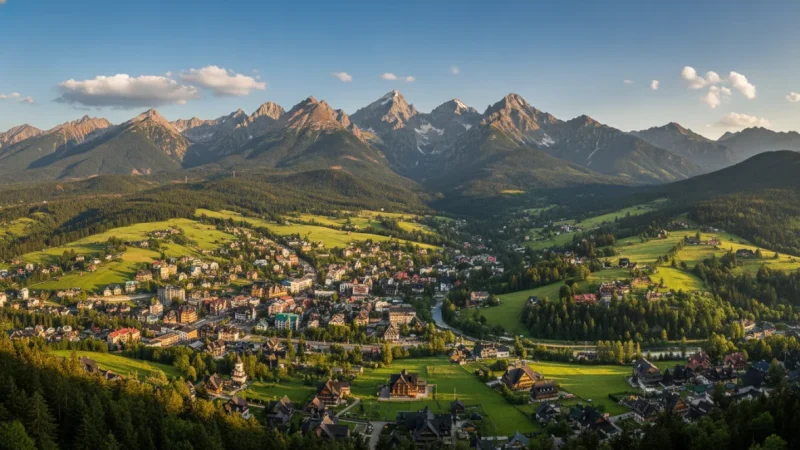
Triglav national park slovenia encompasses 880 square kilometers of pristine julian alps slovenia wilderness, making it one of Europe’s oldest national parks. No entrance fee or pass required for most areas, though parking at popular trailheads costs €5-10. The park centers around Mount Triglav (2,864m), Slovenia’s highest peak and national symbol.
The lake bled to triglav national park drive takes multiple forms depending on your route. The scenic loop via Bohinj, Vršič Pass, and back through Kranjska Gora covers about 150km and makes a spectacular day drive, though you could easily spend 2-3 days exploring properly. Road conditions are excellent, but the Vršič Pass closes during heavy snow (typically November-April).
Lake Bohinj serves as the quieter, more authentic counterpoint to Bled’s tourism machine. It’s larger, less developed, and surrounded by more dramatic peaks. Savica waterfall, a 15-minute walk from the parking area, plunges 78 meters in two cascades—most impressive in spring or after heavy rain. The Vogel cable car whisks you to 1,540m for phenomenal views across the julian alps slovenia without the sweat.
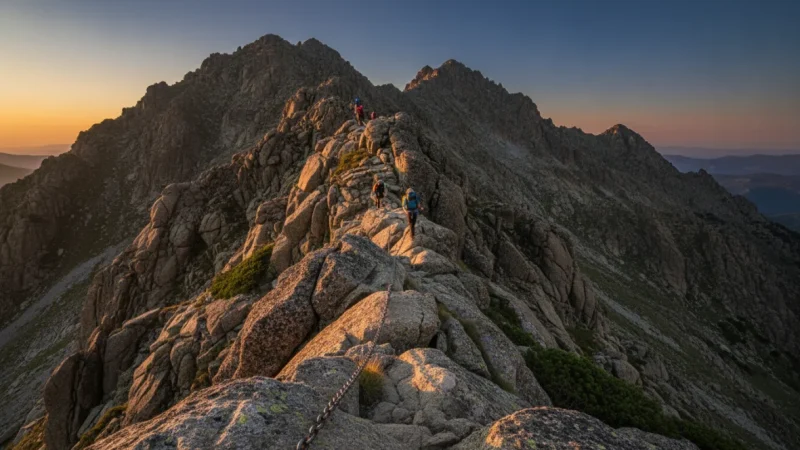
For hiking, triglav national park hiking trails guide options range from easy lakeside strolls to serious alpine ascents. Beginners should try the Valley of the Triglav Lakes trail (moderate, 5-6 hours). Experienced hikers can tackle Mount Triglav itself (2-3 days, requires scrambling and via ferrata experience). The Seven Lakes Valley offers spectacular multi-day trekking similar to what you’d find on routes featured in our Patagonia trekking guide.
Lake Bohinj and Savica Waterfall: Quieter Alpine Alternatives
Bohinj lake attracts a different crowd—hikers, families, and travelers seeking authentic mountain atmosphere over tourist infrastructure. The water’s just as swimmable as Bled (warmer, actually, reaching 24°C in summer) and you can kayak, SUP, or simply lounge on pebbly beaches without fighting for space. Accommodation costs 20-30% less than Bled.
The Vogel cable car (€20 round-trip) operates year-round and delivers you to a ski area in winter, hiking paradise in summer. From the top station, the panorama stretches across Bohinj, the Julian Alps, and into Italy on clear days. Several well-marked trails lead to mountain huts serving hearty Slovenian food.
Savica waterfall requires a moderate 25-minute uphill walk (500 steps) but the payoff—a powerful cascade framed by towering rock walls—makes every step worthwhile. Parking costs €5; waterfall viewing platform entry is €3. Visit in the morning when sunlight illuminates the falls and mist creates rainbows.
Vršič Pass and Soča Valley Scenic Drive
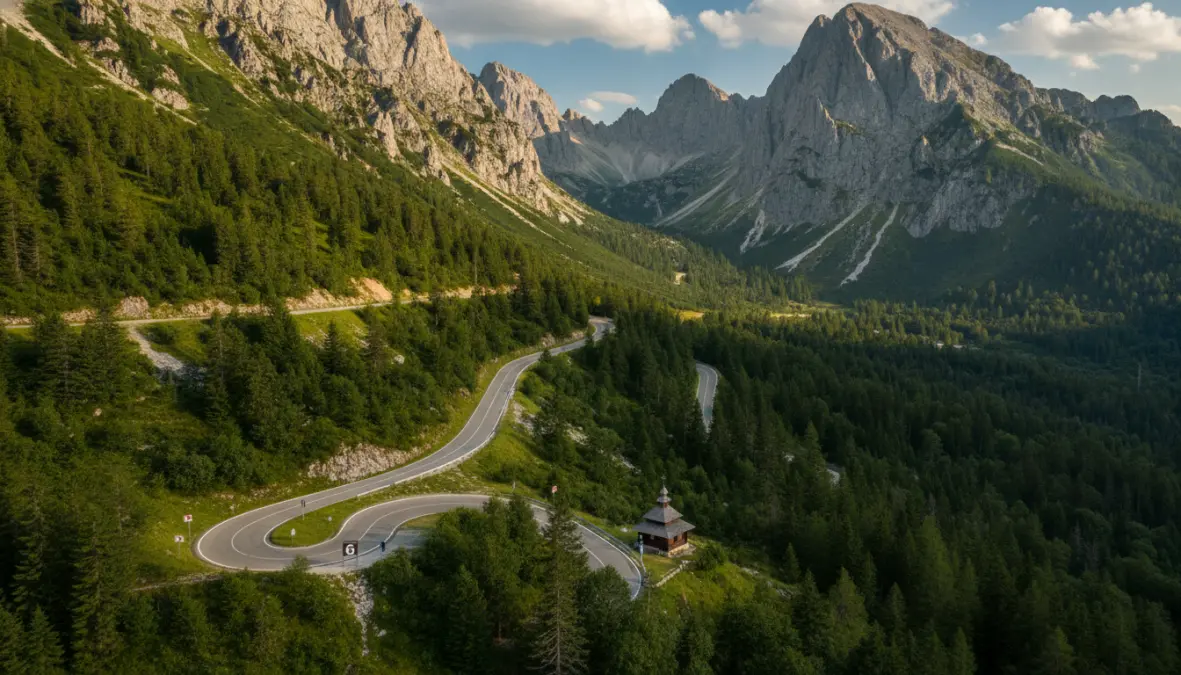
The drive over Vršič Pass ranks among Europe’s most spectacular mountain roads—50 hairpin turns climbing to 1,611m through dramatic alpine scenery. The road was built by Russian prisoners during WWI, commemorated by the small Russian Chapel at hairpin #8. Allow 3-4 hours minimum for the pass itself, stopping frequently for photos and short walks.
Descending the western side, you’ll enter the stunning soča river valley, where the emerald-green river flows through dramatic gorges. The town of Bovec serves as Slovenia’s adventure sports capital—rafting, kayaking, canyoning, and paragliding all operate from here. For comprehensive coverage of this incredible region, check our dedicated Soča Valley adventure guide.
Don’t miss Boka Waterfall (106m, one of Slovenia’s highest) visible from a short walk off the main road. Kranjska gora, near the pass’s northern approach, makes an excellent base for serious hikers and offers charming alpine village atmosphere.
FAQ: Lake Bled and Triglav National Park Travel Questions
How many days do you need in Lake Bled?
Two full days covers the main attractions—castle, island, one viewpoint hike, and Vintgar Gorge. Add another 1-2 days to properly explore Triglav National Park and Bohinj without rushing.
Is Lake Bled worth visiting?
Absolutely, despite the tourism hype. Yes, it’s popular, but the scenery genuinely delivers. Visit early morning or late afternoon to experience it at its most magical, and venture beyond the town itself into the surrounding national park.
Can you swim in Lake Bled?
Definitely! The water’s clean and swimmable, reaching 22-26°C in summer. Multiple access points exist around the shore, with the western side offering the most established swimming areas and facilities.
Do you need a car to visit Triglav National Park?
While not absolutely essential, a car dramatically improves your experience. Public buses connect major towns, but reaching trailheads, viewpoints, and quieter areas becomes challenging without your own wheels. Similar to planning a self-drive safari, having independent transport unlocks the region’s best experiences.
What is the best time to visit Lake Bled and Julian Alps?
September offers the optimal balance—warm days, cool nights, stable weather, fall colors, and significantly fewer crowds than summer. June and early July work well for wildflowers and full waterfalls, while July-August guarantees warmest swimming weather.
Is Lake Bled or Lake Bohinj better?
Different vibes entirely. Choose Bled for convenience, infrastructure, iconic views, and easier access. Pick Bohinj for authenticity, nature, serious hiking, and escaping tourist crowds. Ideally, visit both—they’re only 30 minutes apart.
How much does it cost to visit Bled Castle?
Adult admission is €15, students/seniors €12, children (6-14) €9. The ticket includes museum access and viewing terraces. Budget extra if you want to dine at the castle restaurant or participate in special workshops.
The Lake Bled and Triglav region delivers that rare combination of accessible beauty and genuine wilderness. Whether you’re chasing iconic photographs, challenging alpine hikes, or simply want to breathe mountain air by impossibly blue water, this corner of Slovenia punches way above its weight. Much like road trips through New Zealand’s South Island or the Canadian Rockies, the compact distances here mean you can experience extraordinary diversity without spending half your trip behind the wheel. Pack your hiking boots, charge your camera, and prepare to understand why Slovenia has become one of Europe’s worst-kept secrets.