Sardinia East Coast: Complete Guide to the Gulf of Orosei and Wild Beaches
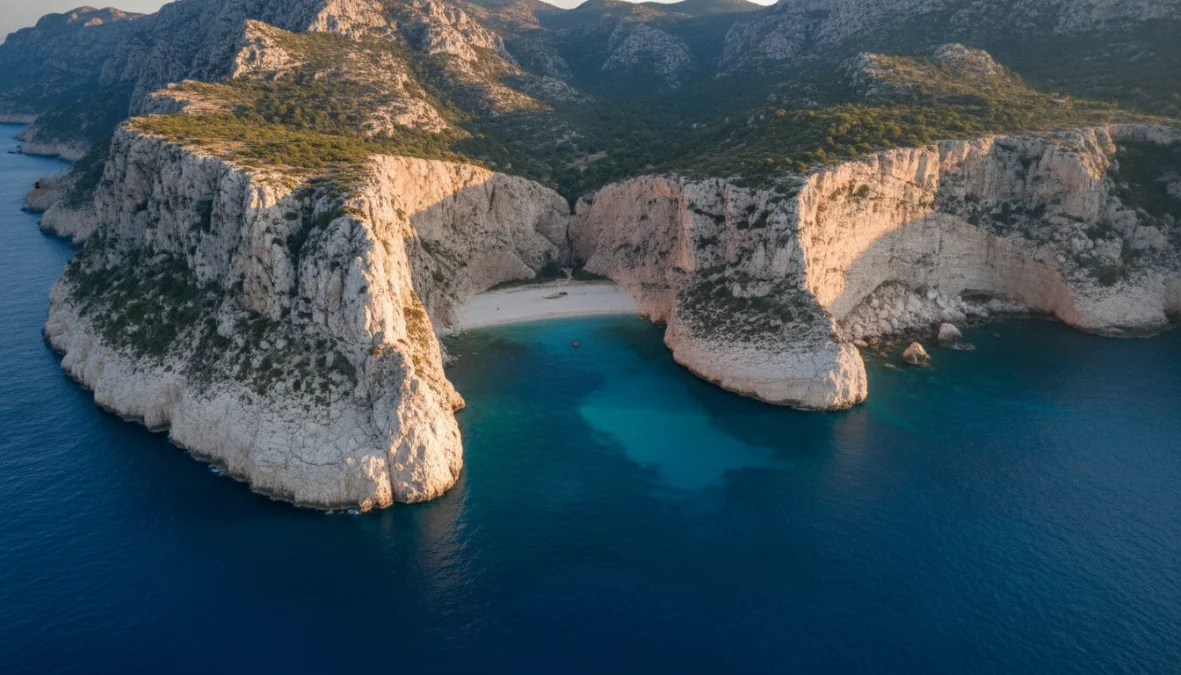
Picture this: towering limestone cliffs plunging into impossibly turquoise waters, secret coves accessible only by boat, and white pebble beaches cradled by ancient caves. The Sardinia east coast delivers a raw, untamed beauty that feels worlds away from the polished beach clubs of the Costa Smeralda. This is where the Supramonte mountains meet the Mediterranean in dramatic fashion, creating one of Europe’s most spectacular stretches of coastline—and it’s still blissfully under the radar.
Whether you’re planning boat tours Gulf of Orosei or lacing up your hiking boots for coastal trekking, this guide will help you navigate the wild side of Sardinia like a pro.
Why Sardinia’s East Coast is Italy’s Last Wild Paradise
While the west coast glitters with resort towns and the north flaunts its celebrity appeal, the sardinia east coast remains gloriously rugged and authentic. The Ogliastra region and the Gulf of Orosei form the heart of this wilderness, where geography has conspired to keep mass tourism at bay. The Supramonte mountains—a maze of karst plateaus, gorges, and shepherd trails—descend dramatically into the sea, creating a coastline that’s as vertical as it is beautiful.
What makes eastern Sardinia special isn’t just the scenery; it’s the isolation. Many beaches here have no roads leading to them. No beach clubs. No sunbed rentals. Just pristine sand (or smooth white pebbles), crystalline water, and towering rock faces draped with Mediterranean scrub. This inaccessibility has preserved something rare: beaches that look exactly as they did centuries ago.
Expect sea caves large enough to moor a boat inside, hiking trails that reward you with views that’ll make your Instagram followers weep, and small coastal villages where fishermen still mend nets by hand. This isn’t a destination for luxury seekers—it’s for adventurers who value authenticity over amenities. If you’re drawn to wild coastlines, you might also appreciate Portugal’s dramatic Algarve cliffs or Croatia’s untamed Dalmatian islands.
The Gulf of Orosei: Beaches, Access and What to Expect
The Gulf of Orosei stretches roughly 40 kilometers along the central-eastern coast, from Cala Gonone south to Arbatax. This crescent of coastline hosts some of the most photographed sardinia beaches—and for good reason. Each cove has its own personality, framed by dramatic geology and accessible primarily by sea.
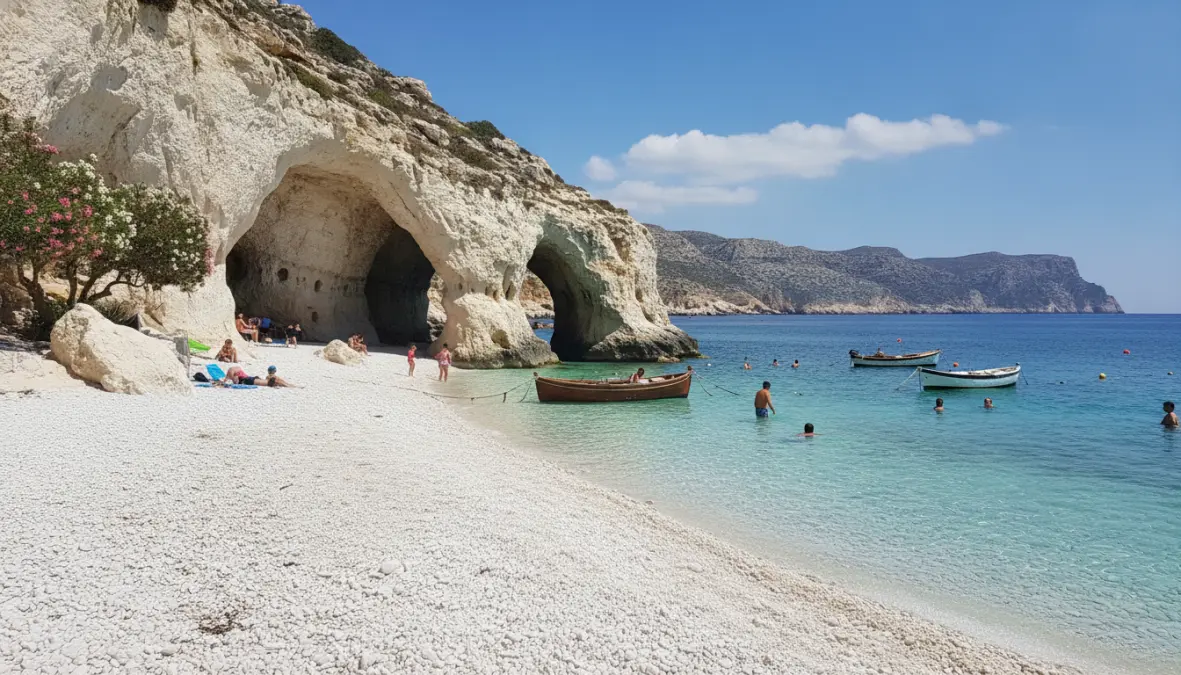
Let’s start with Cala Luna beach, probably the most famous beach in the gulf. Backed by six massive sea caves and a grove of oleander trees, Cala Luna combines white pebbles with powder-soft sand. The caves provide natural shade, making this a comfortable spot even in peak summer. You can reach it via boat or a moderately challenging 90-minute hike from Cala Fuili.
Then there’s Cala Mariolu, where tiny white pebbles (the locals call them “su sterru”) feel almost soft underfoot. The water here glows in shades of emerald and sapphire, and the beach is hemmed in by pale cliffs. Wondering how to reach Cala Mariolu? Boat is your only realistic option unless you’re an experienced mountaineer—the inland approach is extremely demanding.
Cala Goloritzé deserves its UNESCO protection status. A 143-meter limestone pinnacle towers beside this small beach of white pebbles, and the water is so clear you can see fish from 20 meters away. Access requires either a boat that drops you offshore (you’ll swim the last 50 meters) or a steep 90-minute trek from the Golgo plateau. Daily visitor numbers are limited to protect the environment, and you’ll need to reserve a permit online during summer months.
For those seeking the wild beaches eastern Sardinia is famous for, Cala Sisine fits the bill. Less visited than its famous neighbors, this baunei coast gem sits at the mouth of a deep canyon. River pebbles mix with the white stones, and the beach feels genuinely remote despite being accessible by boat.
Regarding boat tours Gulf of Orosei: daily excursions depart from Cala Gonone throughout summer, typically visiting 3-4 beaches with swimming stops at each. Expect to pay €35-55 per person for a full-day tour. The boats usually stop at Cala Luna, Cala Mariolu, and Cala Goloritzé, plus swimming spots near sea caves. Bring sun protection, snorkeling gear, and water—there are no facilities on these beaches. The best beaches Gulf of Orosei get crowded between late July and mid-August, so June and September offer better experiences.
Private rubber boat rentals offer more flexibility if you’re comfortable navigating (no license needed for boats under 40hp). This lets you discover the hidden beaches Baunei tucked between the famous ones.
Cala Gonone: Your Base for Exploring the Coast
Cala Gonone transformed from a tiny fishing village into the gateway for Gulf exploration, but it’s retained its low-key charm. Tucked at the base of the Supramonte, this seaside town offers everything you need: boat tour operators lining the harbor, rubber boat rentals, dive centers, seafood restaurants serving the day’s catch, and accommodation ranging from family-run B&Bs to modest hotels.
The town has its own pleasant beach (pebbly but convenient), and the atmosphere stays relaxed even in summer. Most importantly, nearly all Gulf excursions depart from here, making it the strategic choice for where to stay Gulf of Orosei. Book accommodation months ahead for July and August—this small town fills up completely.
Beyond Boat Tours: Hiking the Baunei Coast
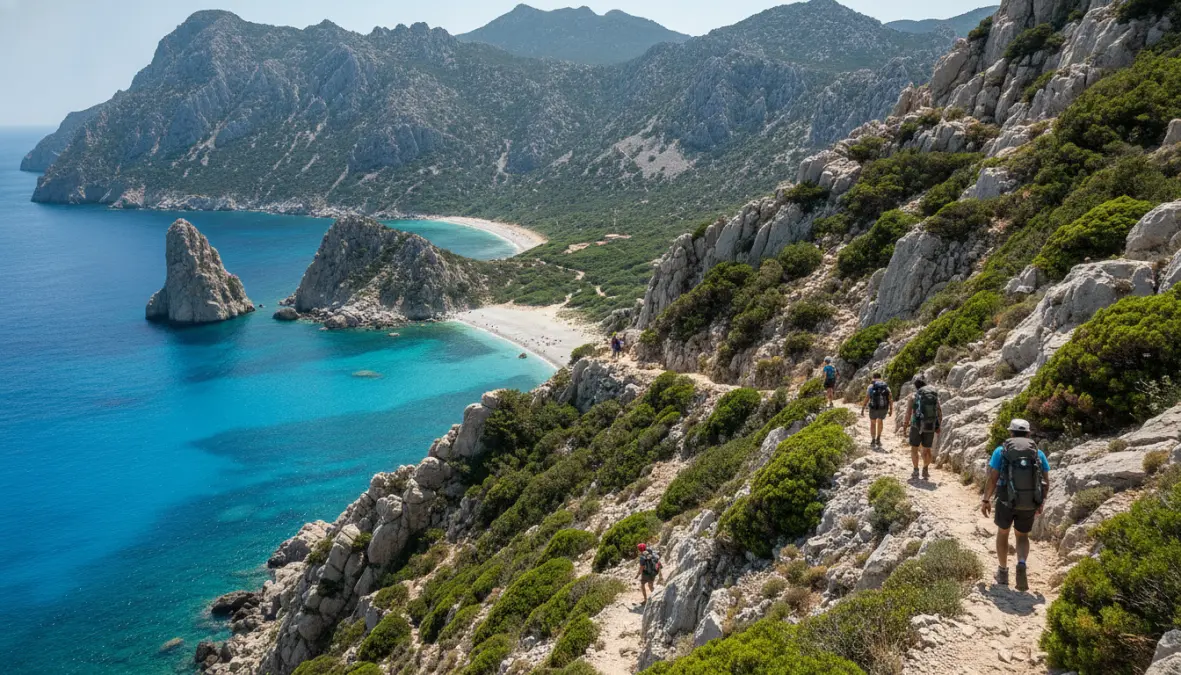
If you prefer earning your beach time, the baunei coast offers some of Sardinia’s most rewarding coastal hikes. The trail to Cala Goloritzé from Golgo plateau (accessible by car from Baunei village) takes about 90 minutes down through juniper forests and limestone. It’s steep, exposed, and requires decent fitness, but you’ll have accomplished something most beach visitors skip. Remember: you’ll need to book a free permit online during peak season.
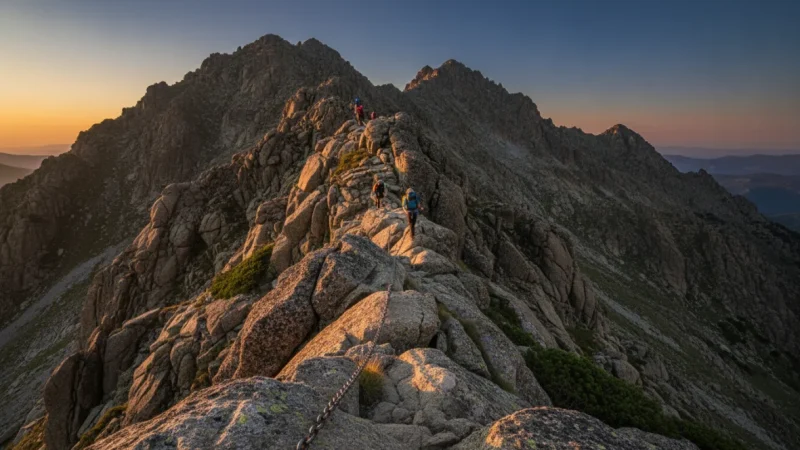
These hiking trails Sardinia east coast often combine Supramonte mountains scenery with coastal payoffs. The Selvaggio Blu, considered one of Europe’s toughest treks, traverses this entire coast over seven days, requiring technical climbing skills. For something more accessible, the path from Cala Fuili to Cala Luna offers spectacular views and takes about 90 minutes. Trails here demand proper footwear, plenty of water, and sun protection—shade is scarce.
Practical Tips for Your Sardinia East Coast Adventure
Timing matters on the sardinia east coast. June and September deliver warm swimming weather (22-25°C water temperature) with fewer crowds and lower prices. July and August bring peak heat, full beaches, and premium rates—book everything months ahead if visiting then. May and October work for hiking enthusiasts, though sea temperatures drop and some boat services stop.
Getting here requires planning. The nearest airports are Olbia (90km north) and Cagliari (170km south). Rent a car—public transport in the Ogliastra region is minimal. The coastal road (SS125) twists through spectacular mountain scenery but demands concentration; allow more time than GPS suggests. From Olbia, budget 1.5-2 hours to Cala Gonone depending on stops.
For a complete Sardinia east coast itinerary, consider basing yourself in different spots: Cala Gonone for Gulf access, Santa Maria Navarrese for southern beaches and a quieter vibe, or Arbatax if you want a slightly larger town with good seafood restaurants. Each offers different advantages, and moving between them lets you experience the full coast.
Pack smartly: hiking boots for trail adventures, snorkeling mask (the underwater world rivals the above-water scenery), reef-safe sunscreen (protect those pristine waters), and a dry bag for boat trips. Many beaches lack shade, so bring an umbrella or be prepared to claim a spot in the caves early.
The food scene celebrates Sardinian traditions: try culurgiones (stuffed pasta), porceddu (roast suckling pig), and sebadas (cheese pastries with honey) at family-run trattorias. Fresh seafood dominates coastal menus—the lobster pasta and grilled fish are exceptional.
Unlike more developed Italian coasts like the tourist-friendly Amalfi, eastern Sardinia requires self-sufficiency. ATMs are scarce outside towns, many restaurants don’t accept cards, and cell service can be spotty. Embrace it—this remoteness is exactly what keeps these Mediterranean coastline treasures pristine.
The sardinia east coast doesn’t coddle visitors with convenience, and that’s precisely its appeal. Between the turquoise waters, dramatic limestone cliffs, and the raw beauty of the Gulf of Orosei, you’ll find a coastline that rewards the adventurous. Whether you’re island-hopping by boat or descending mountain trails to hidden coves, this corner of Sardinia offers something increasingly rare: a genuine sense of discovery. Just remember to book ahead, pack for adventure, and leave nothing but footprints on those perfect white pebble beaches.