Transylvania Travel Guide: Discovering Medieval Towns and Saxon Fortified Churches Beyond Dracula
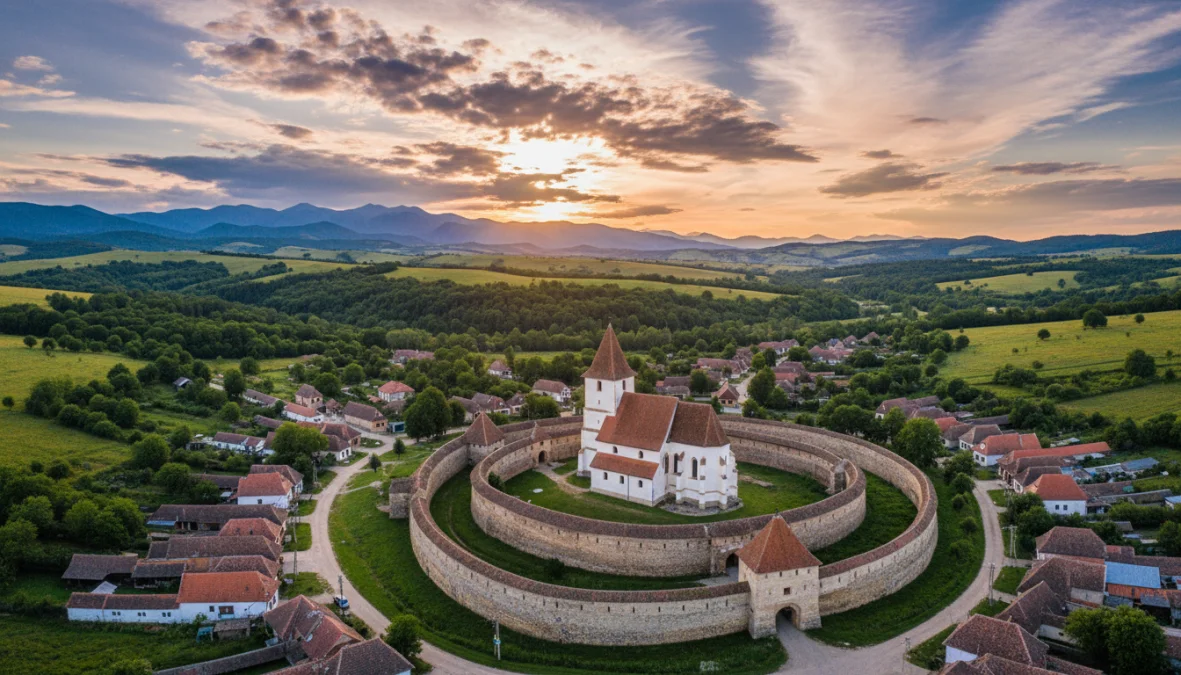
When most travelers hear “Transylvania,” their minds immediately conjure images of vampire legends and gothic castles shrouded in fog. But this captivating region in central Romania holds treasures far more compelling than fictional bloodsuckers. This transylvania travel guide will take you beyond Dracula’s shadow into a world of stunning saxon fortified churches, perfectly preserved transylvania medieval towns, and a cultural heritage so rich that UNESCO has recognized multiple sites here. From the cobblestone streets of sighisoara citadel to the charming authenticity of viscri village, Transylvania offers a journey through centuries of European history nestled in the rolling hills of the carpathian mountains.
The Saxon Legacy: Transylvania’s Fortified Churches and Cultural Heritage
In the 12th century, Hungarian kings invited German settlers—known as Transylvanian Saxons—to colonize and defend the southeastern borders of the kingdom. These industrious communities didn’t just build villages; they created architectural marvels that would stand the test of time. The saxon fortified churches are unique hybrids that served dual purposes: places of worship and defensive strongholds during times of invasion. When Ottoman armies swept through the region, entire villages would retreat behind the thick walls surrounding their churches, storing grain and supplies in fortified towers that could withstand sieges.
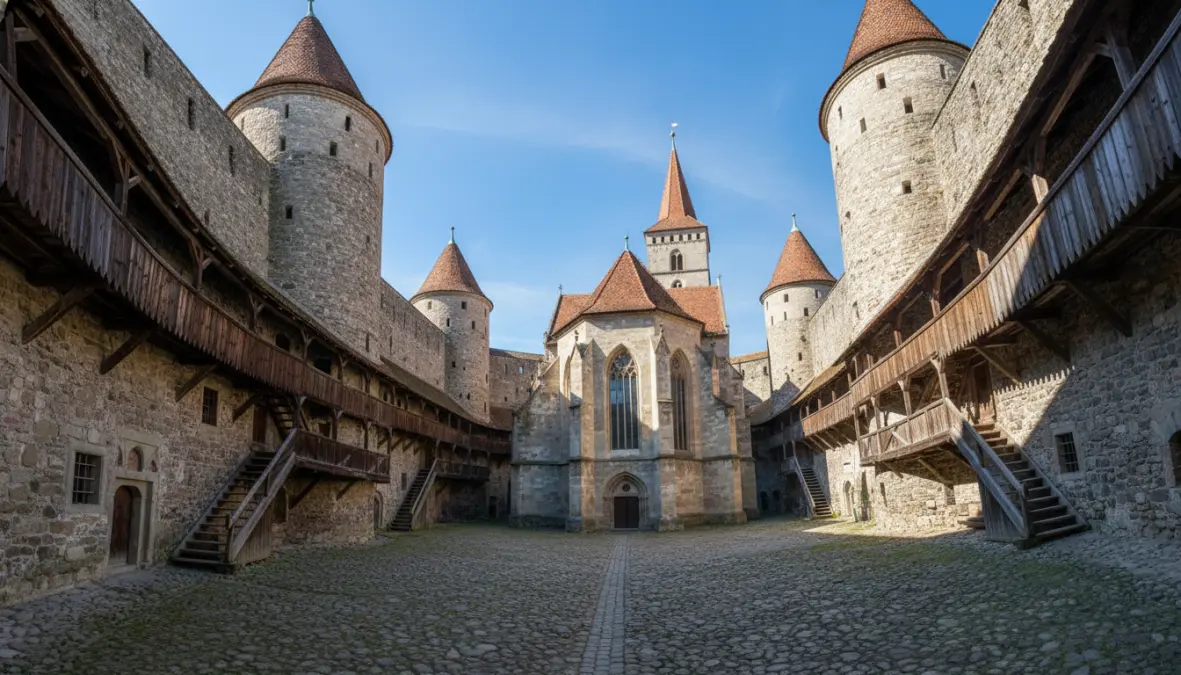
What makes these romanian fortified churches architecturally distinctive is their fusion of Gothic ecclesiastical design with military engineering. Massive defensive walls—some up to 12 meters high—encircle the church buildings, punctuated by towers and bastions. Inside these fortifications, you’ll find storage rooms, living quarters, and sometimes even schools. The churches themselves feature pointed Gothic arches, elaborate altarpieces, and stunning frescoes that have survived centuries.
Seven of these remarkable structures have earned UNESCO World Heritage status, representing the pinnacle of transylvania unesco sites and transylvania cultural heritage. This designation recognizes not just their architectural significance but also their role in preserving transylvanian saxon culture through turbulent centuries. Today, these fortified churches stand as testaments to a community’s ingenuity and resilience, offering visitors a glimpse into medieval life that few other European destinations can match.
Biertan, Viscri, and Prejmer: The Must-Visit UNESCO Fortified Churches
Among the best medieval towns to visit in transylvania and their fortified churches, three stand out as essential stops on any transylvania fortified churches tour guide. Biertan fortified church, located between Sibiu and Sighișoara, served as the seat of the Lutheran bishop for three centuries. Its triple ring of walls protects an impressive Gothic church featuring a stunning winged altarpiece and a famous door lock with an ingenious 15-bolt mechanism that became legendary in its time. The church is open Tuesday through Sunday from 10 AM to 6 PM during summer months.
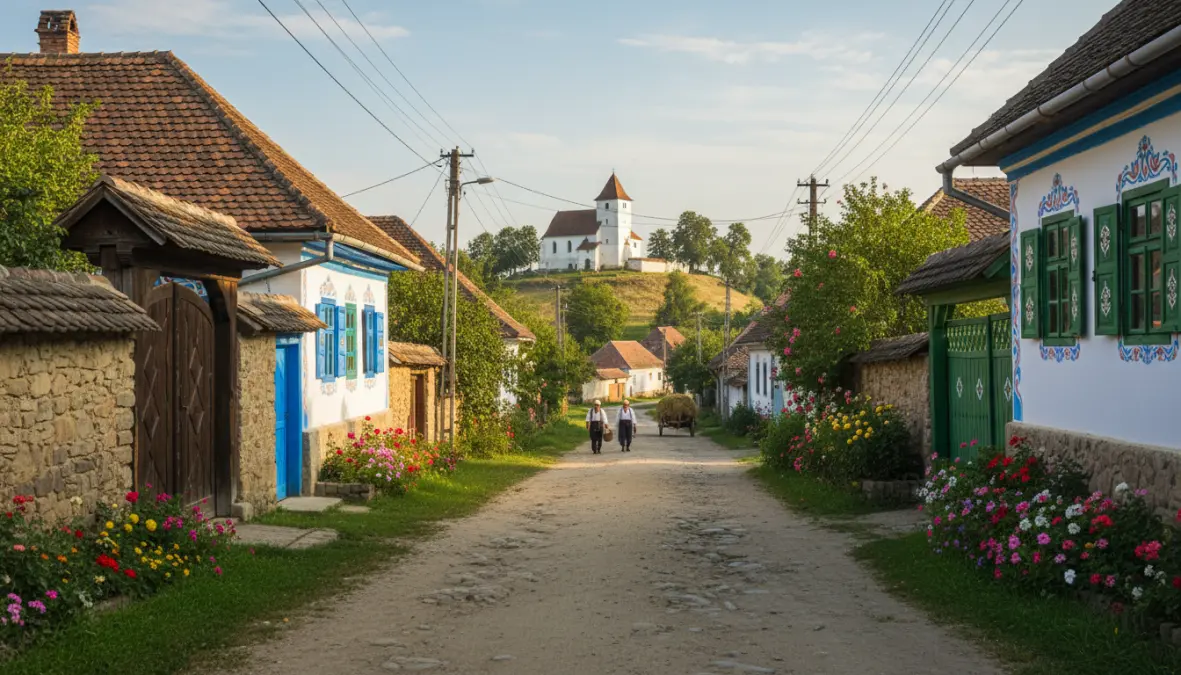
Viscri village represents perhaps the most authentic Saxon settlement experience, largely unchanged since medieval times. Prince Charles fell so in love with this hamlet that he purchased and restored properties here, bringing international attention to its preservation. The whitewashed fortified church sits at the village’s heart, and you can stay in traditional guesthouses that support the local community. It’s accessible year-round, with the church open daily from 9 AM to 5 PM.
Prejmer boasts Romania’s largest fortified church, with walls four meters thick and 272 rooms built into the defensive perimeter where families would shelter during attacks. Located just 15 kilometers from Brașov, it’s the most accessible of the trio and offers daily tours from 9 AM to 7 PM in summer. These three represent the essence of non dracula attractions in transylvania that reveal the region’s true historical depth.
Medieval Towns That Define Transylvania Beyond Dracula
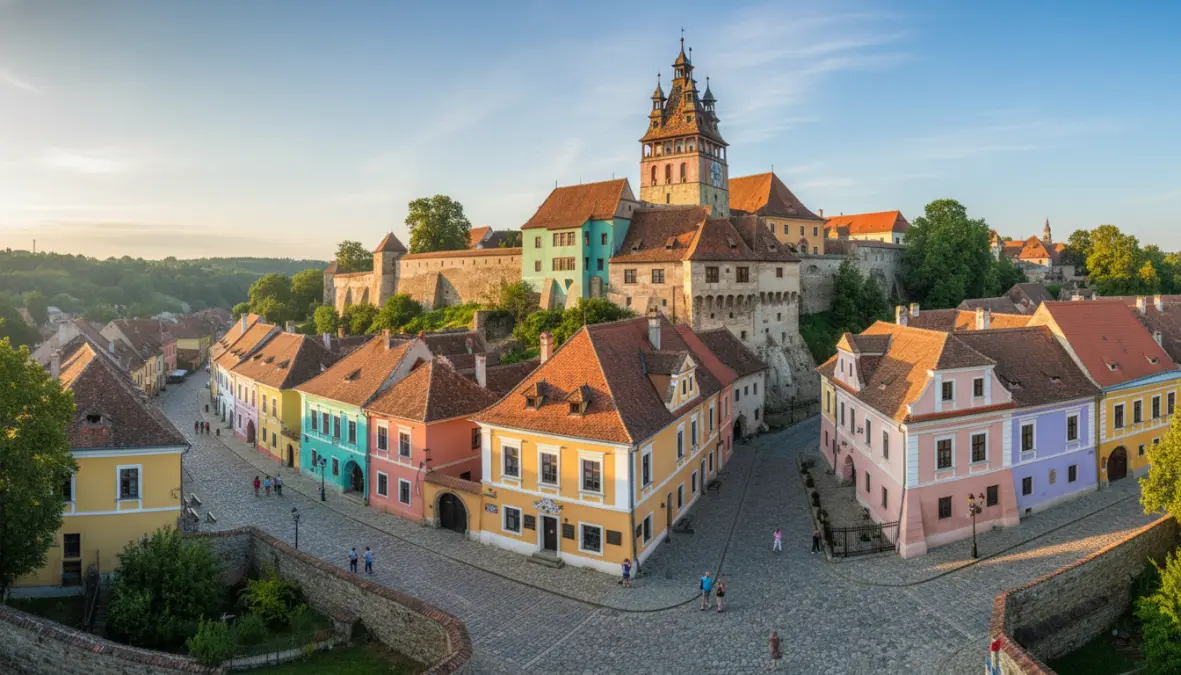
While fortified churches dot the countryside, Transylvania’s medieval towns provide the urban complement to your transylvania cultural travel itinerary. Sighisoara citadel, a UNESCO World Heritage site itself, is the birthplace of Vlad the Impaler—the historical figure behind Dracula legends—but this fact is merely a footnote to its architectural splendor. This is one of Europe’s best-preserved medieval fortified towns, with its iconic Clock Tower dominating the skyline. Climb the covered wooden staircase (Scholar’s Stairs) with its 175 steps, originally built to help schoolchildren reach the hilltop church in winter. The citadel’s pastel-colored houses, cobblestone streets, and nine remaining towers create a living museum where residents still occupy medieval buildings.
Brasov old town offers a different scale of medieval grandeur. Nestled at the base of Mount Tâmpa, this city blends Saxon, Hungarian, and Romanian influences. The Council Square (Piața Sfatului) serves as the heart of the old town, surrounded by colorful baroque facades and outdoor cafés. The Black Church—so named after fire damage darkened its walls—is the largest Gothic church in Romania, with an impressive collection of Turkish carpets and a 4,000-pipe organ. Don’t miss the narrow Rope Street (Strada Sforii), one of Europe’s narrowest streets, or the Saxon fortifications that still encircle portions of the historic center.
Sibiu medieval architecture earned the city recognition as a European Capital of Culture, and walking through its interconnected squares reveals why. The Large Square, Small Square, and Huet Square flow into each other, creating a theatrical setting of Gothic, Renaissance, and Baroque buildings. Look up at the rooflines to spot the famous “eyes”—dormer windows that give houses an anthropomorphic appearance. Cross the Bridge of Lies, walk the medieval walls, and explore the Brukenthal Museum housed in a stunning baroque palace. When visiting sighisoara and brasov medieval towns, consider adding Sibiu to create a comprehensive tour of transylvania historical sites that showcase different aspects of transylvania beyond dracula narratives. Much like how travelers explore diverse destinations worldwide—similar to those planning trips using resources like our Machu Picchu Travel Guide—each Transylvanian town offers unique cultural treasures worth discovering.
Planning Your Transylvania Cultural Heritage Journey: Practical Tips
The best time to explore saxon heritage sites in romania is during late spring (May-June) or early autumn (September-October), when weather is pleasant and summer crowds have thinned. These seasons also showcase the romanian countryside tourism at its finest, with green hills in spring and golden landscapes in fall framing the medieval architecture perfectly.
For transportation, renting a car provides maximum flexibility for reaching rural fortified churches and exploring at your own pace—essential when following a unesco fortified churches transylvania map. However, if you prefer not to drive, organized tours from major cities cover the main sites efficiently. Base yourself in either Brașov or Sibiu; both cities serve as excellent hubs with good accommodation options and easy access to surrounding attractions. Brașov works better for northern circuits (Bran, Prejmer, Viscri), while Sibiu positions you well for Biertan and the southern fortified churches.
Allocate 4-7 days for a thorough exploration of Transylvania’s cultural heritage. A typical itinerary might include two days in Brașov (with day trips to Prejmer and Viscri), two days exploring Sighișoara and Biertan, and two days in Sibiu with surrounding villages. This pacing allows for leisurely exploration without rushing between sites, similar to how thoughtful travelers might approach planning using guides like our Sustainable Travel Guide to ensure responsible tourism.
Consider staying in traditional Saxon guesthouses, particularly in Viscri or other rural villages, where you’ll experience authentic hospitality and support local preservation efforts. These accommodations often serve traditional meals—try sarmale (cabbage rolls), mămăligă (polenta), and Saxon specialties like kürtőskalács (chimney cake). Many rural guesthouses operate on principles that align with romanian countryside tourism initiatives supporting community development.
Transylvania’s medieval towns and fortified churches offer a journey through centuries of European history, where architectural masterpieces serve not as museum pieces but as living communities. Beyond the vampire myths, you’ll discover a region where transylvanian saxon culture has left an indelible mark on the landscape, creating some of Europe’s most authentic and underappreciated travel experiences. Pack comfortable walking shoes, bring a sense of adventure, and prepare to fall in love with this remarkable corner of Romania that truly deserves its place among the world’s great cultural destinations.