Provence Lavender Fields: When and Where to See Purple Blooms in Full Glory
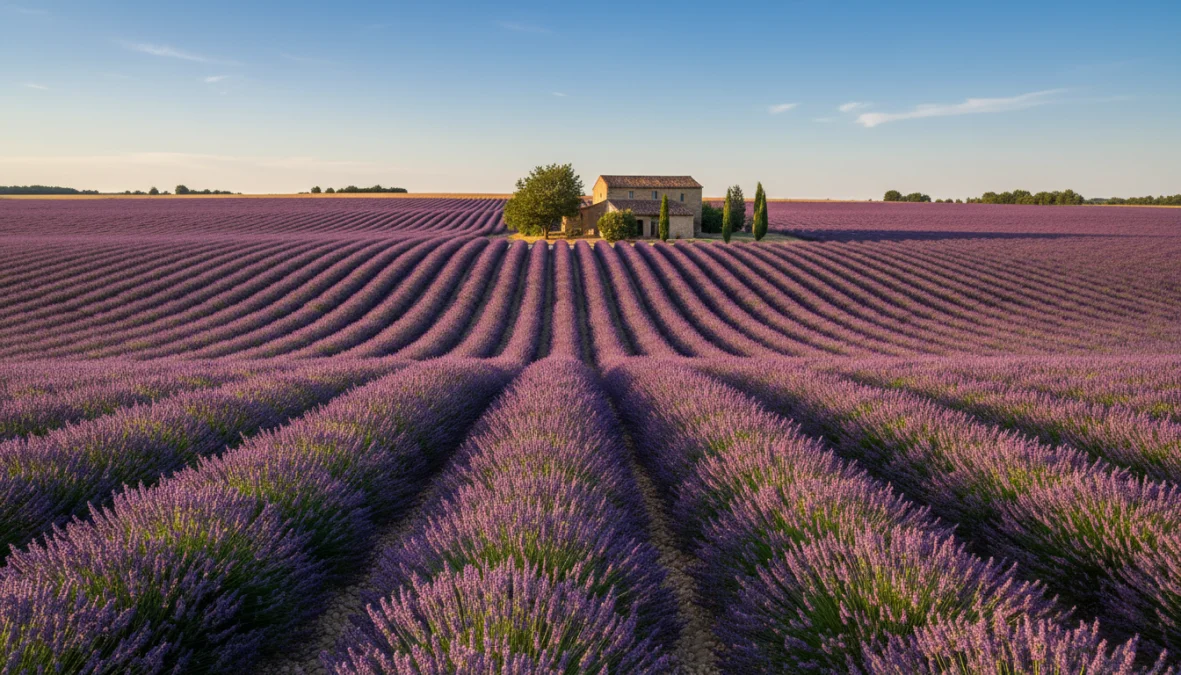
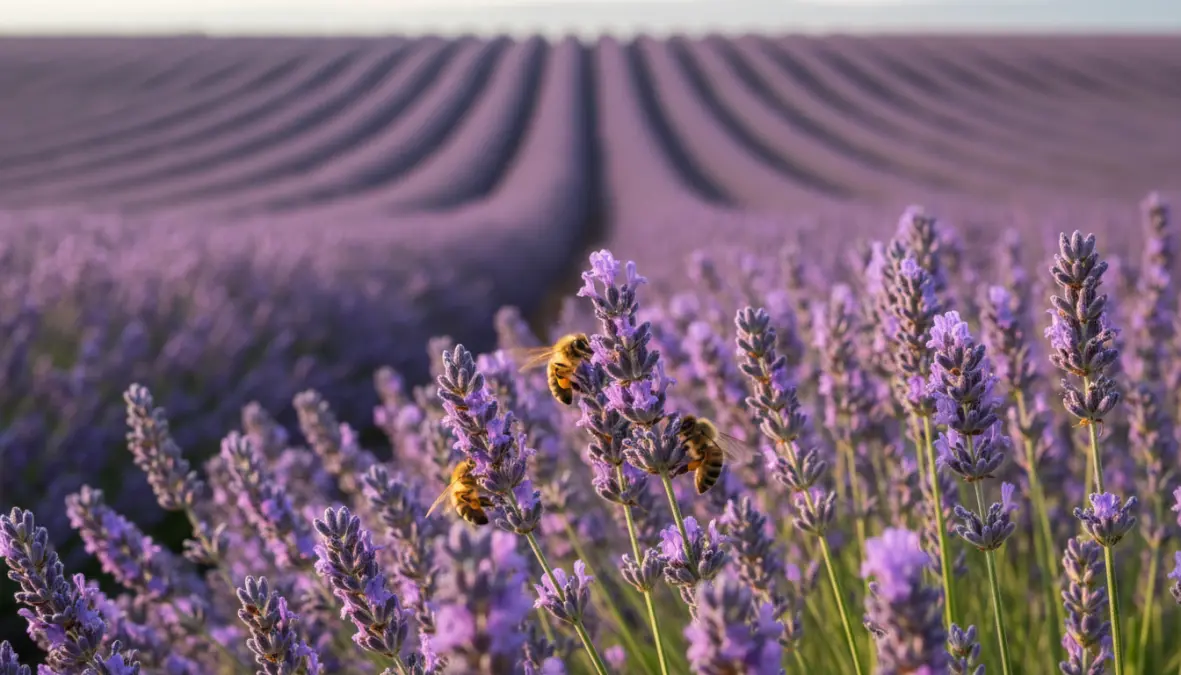
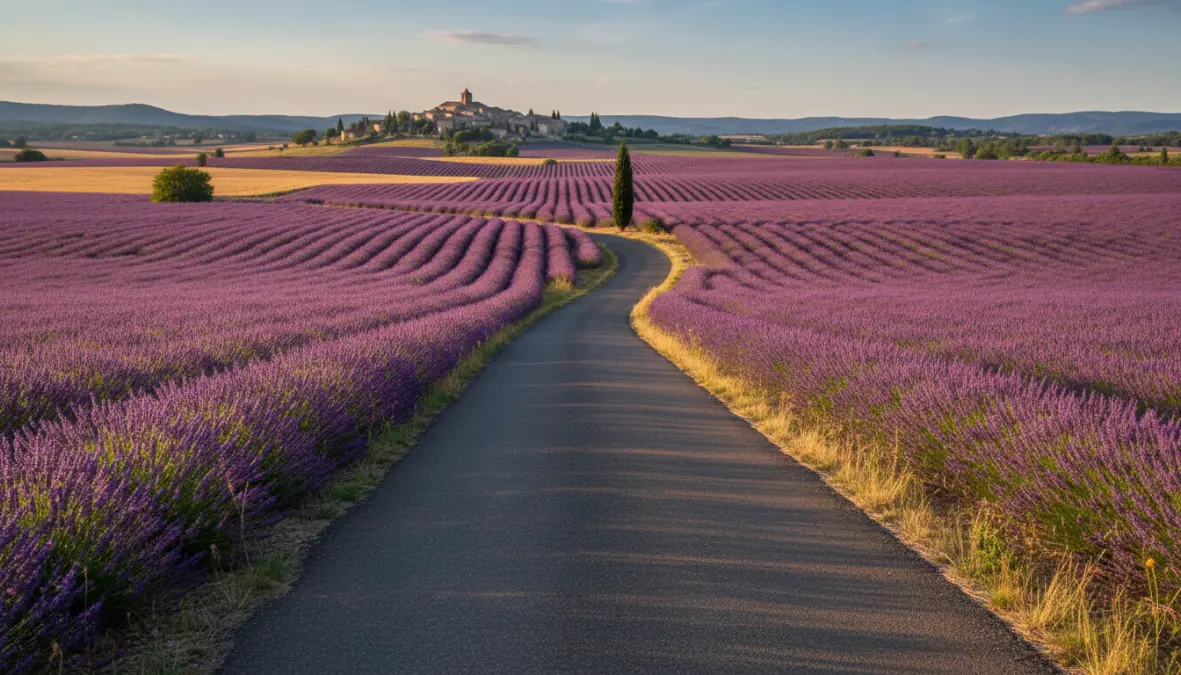
Picture this: endless rows of purple stretching to the horizon, the sweet scent of lavender hanging in the warm summer air, and the gentle buzz of bees dancing between blooms. The provence lavender fields are one of nature’s most breathtaking spectacles, transforming the French countryside into a dreamy purple paradise each summer. Whether you’re a photographer chasing that perfect shot, a nature lover seeking beauty, or simply someone craving a slice of Provençal magic, knowing when and where to find these iconic purple blooms will make all the difference in your experience.
When to Visit: Understanding Provence Lavender Season
Timing is everything when it comes to catching the provence lavender season at its peak. The general flowering period runs from mid-June through mid-August, but here’s where it gets interesting: not all lavender is created equal, and different varieties bloom at different times.
Lavandin (a hybrid variety) typically blooms first, starting in mid-June and lasting until early August. This is what you’ll find in most commercial fields, especially around the Valensole Plateau. True lavender (lavande fine), which grows at higher altitudes, blooms slightly later—from late June through early August. The absolute sweet spot for lavender blooming provence is usually the last week of June through mid-July, when both varieties are in full glory and the colors are most vibrant.
Here’s the catch: climate variations can shift these dates by up to two weeks from year to year. A warm spring accelerates blooming, while cooler temperatures delay it. Before booking your trip, check real-time updates from local tourism offices or follow Provence lavender farms on social media—many post regular bloom status updates during summer in provence. The lavender harvest typically begins in mid-July and wraps up by early August, so once you see combines in the fields, the show is essentially over for that season.
Pro tip: If you’re planning a trip similar to seasonal wonders like the Japan Cherry Blossom Guide: When and Where to See Sakura at Its Peak, remember that lavender season offers a slightly longer viewing window, giving you more flexibility in your travel dates.
Best Lavender Fields in Provence: Top Locations to Explore
Not all lavender fields provence offer the same experience. Here are the absolute must-visit locations, each with its own unique character and charm.
Valensole Plateau is the undisputed king of provence lavender fields. This vast plateau near Manosque features the largest concentration of lavender fields in the region, creating those iconic panoramic views you’ve seen on postcards. The plateau de valensole stretches for miles, with ruler-straight rows of lavender punctuated by the occasional stone farmhouse or lone tree—perfect for photography. The area is easily accessible by car, with plenty of small roads winding through the fields. The village of Valensole itself hosts a charming Sunday market where you can stock up on lavender products. This is your go-to spot for classic, dramatic provence purple flowers landscapes.
Sault and the Mont Ventoux area offer a different vibe entirely. Perched at higher elevations, the sault lavender fields bloom about a week later than Valensole, giving you a second chance if you’ve missed the peak elsewhere. The landscape here is more rugged and authentic, with fewer tourists and a more intimate atmosphere. Sault hosts the Lavender Festival in mid-August, celebrating the harvest with local food, crafts, and entertainment. The winding lavender routes around Mont Ventoux take you through stunning mountainous terrain where lavender fields compete with spectacular views.
Luberon Valley combines lavender with quintessential Provençal village charm. The luberon lavender fields are smaller and more scattered, nestled among rolling hills and punctuated by picturesque villages like Gordes, Roussillon, and Bonnieux. This area is perfect if you want to combine lavender tourism with exploring medieval villages, visiting local markets, and enjoying excellent regional cuisine. The landscape is more varied here, with olive groves, vineyards, and ochre cliffs adding to the visual feast.
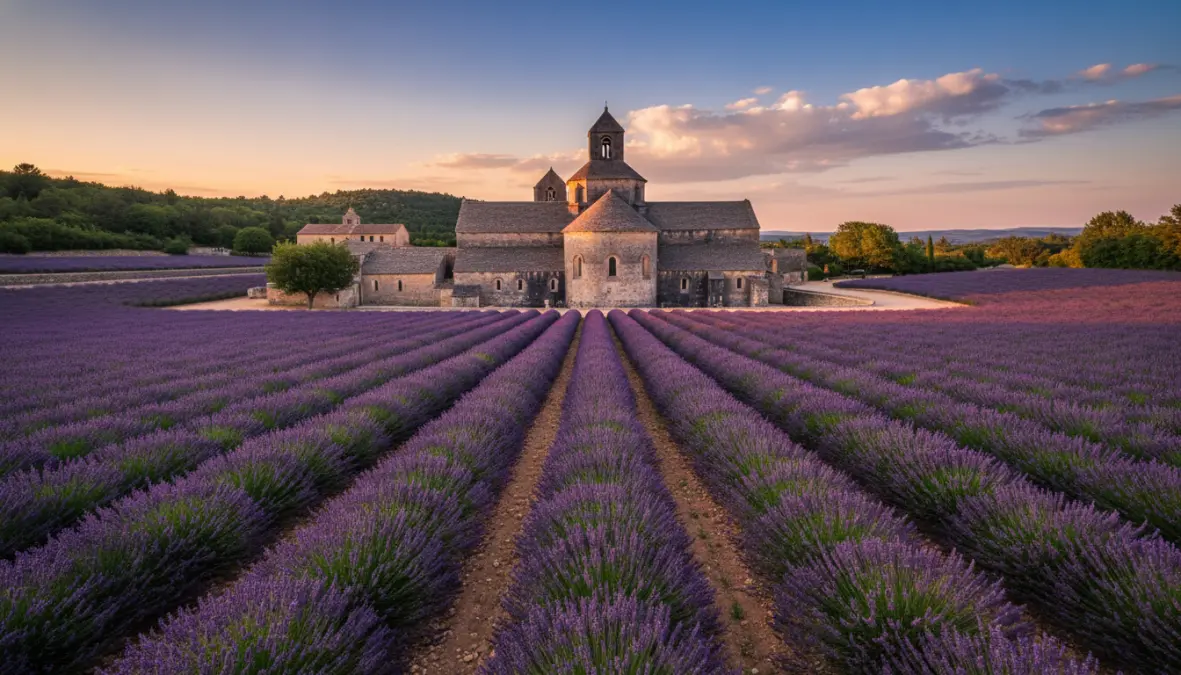
Abbaye de Sénanque is probably the most photographed lavender location in all of France. This 12th-century Cistercian monastery, still home to a community of monks, sits surrounded by neat rows of lavender fields. The contrast between the ancient stone architecture and the vibrant purple blooms creates an almost magical scene. Note that the lavender fields here are relatively small and privately owned by the abbey, so respect the posted signs and viewing areas. Visit early morning or late afternoon to avoid crowds and catch the best light.
Planning Your Lavender Field Visit: Practical Tips and Photo Opportunities
Getting the most from your provence lavender fields adventure requires some planning. First, let’s talk timing: the golden hours—sunrise and sunset—are absolutely magical in the lavender fields. The soft, angled light makes the purple blooms glow, and you’ll have fewer crowds. Midday sun tends to wash out colors and create harsh shadows, though it’s still beautiful if that’s your only option.
For photography enthusiasts, bring a wide-angle lens for sweeping landscapes and a telephoto for capturing details and bee activity. A polarizing filter helps deepen the blue sky and enhance the purple hues. Popular provence lavender fields photography tips include shooting from a low angle to emphasize the rows, including elements like old farmhouses or lone trees for context, and using the leading lines created by the lavender rows to draw the eye through your composition.
Important etiquette: Many fields are private property and active farms. Look for designated viewing areas and parking spots. Never trample through fields or pick lavender without permission—farmers depend on these crops for their livelihood. Some farms welcome visitors and even offer tours and sales of lavender products; these are great opportunities to support local agriculture while getting access to prime spots.
Accommodation-wise, staying in villages like Valensole, Sault, or anywhere in the Luberon gives you easy access to multiple field locations. Book well in advance, as summer in provence is peak season. Many visitors base themselves in larger towns like Aix-en-Provence, Avignon, or Manosque and make day trips—perfectly feasible with a rental car. A driving route provence lavender fields typically covers 150-250 kilometers over a full day, allowing you to hit multiple regions.
For those who prefer not to drive, organized tours from major cities offer hassle-free options with knowledgeable guides who know exactly where the best blooms are on any given day. Several provence lavender festival dates are worth planning around, including Valensole’s mid-July festival and Sault’s mid-August celebration, both featuring markets, demonstrations, and local products.
If you’re interested in combining your lavender adventure with other European experiences, consider extending your journey—much like travelers do when exploring the Croatia’s Dalmatian Coast: The Ultimate Island Hopping Guide from Split to Dubrovnik, where timing and location planning are equally crucial.
FAQ: Provence Lavender Fields
What is the best month to see lavender in Provence?
July is typically the best month, specifically the first two weeks when blooming peaks before harvest begins. Late June is also excellent, with fields reaching full color. Early August can work but risks missing the show if harvest starts early.
How long does lavender season last?
The visible blooming period lasts approximately 6-8 weeks total, from mid-June through early August, though peak beauty lasts only 3-4 weeks. Once harvest begins in mid-July, fields are cut progressively, so the window closes quickly.
Can you visit lavender fields for free?
Yes, many fields are visible from public roads, and some farmers welcome respectful visitors at no charge. However, always look for designated parking and viewing areas. Some specialized sites like Abbaye de Sénanque may request a small donation or have entry fees to the grounds.
Which lavender field is closest to Avignon or Aix-en-Provence?
From Avignon, the Luberon Valley fields and Abbaye de Sénanque are closest (30-45 minutes). From Aix-en-Provence, the Valensole Plateau is most accessible (about 90 minutes). Both cities make excellent bases for day trips to multiple lavender regions.
Do all lavender fields bloom at the same time?
No. Lower-altitude lavandin fields (like Valensole) bloom first, while higher-elevation true lavender (around Sault) blooms 7-10 days later. This staggered timing actually works in visitors’ favor, extending the overall season and giving you multiple chances to catch peak blooms.
The best lavender fields france has to offer are waiting for you in Provence, promising an experience that engages all your senses and creates memories that last far beyond the photographs. Whether you’re drawn to the vast purple seas of Valensole or the intimate charm of Luberon’s hillside fields, proper timing and planning transform a good trip into an unforgettable journey through one of Europe’s most enchanting landscapes. Pack your camera, set your alarm for sunrise, and prepare to fall completely under the spell of Provence’s purple paradise.