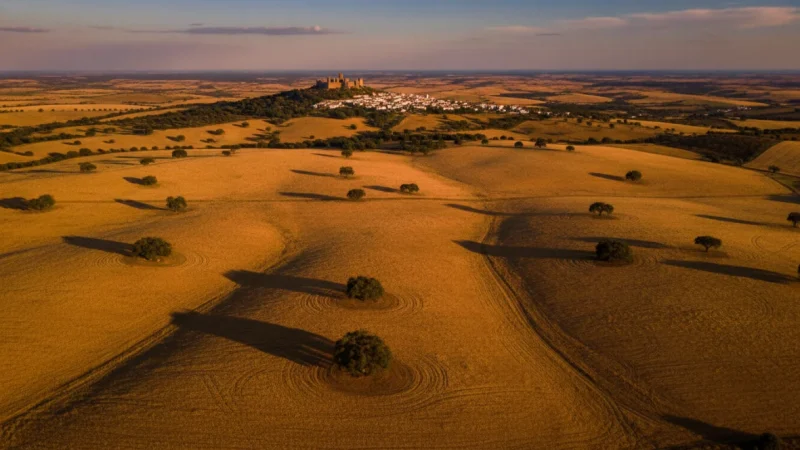
Azores Travel Guide: Your Complete Portugal Volcanic Islands Adventure
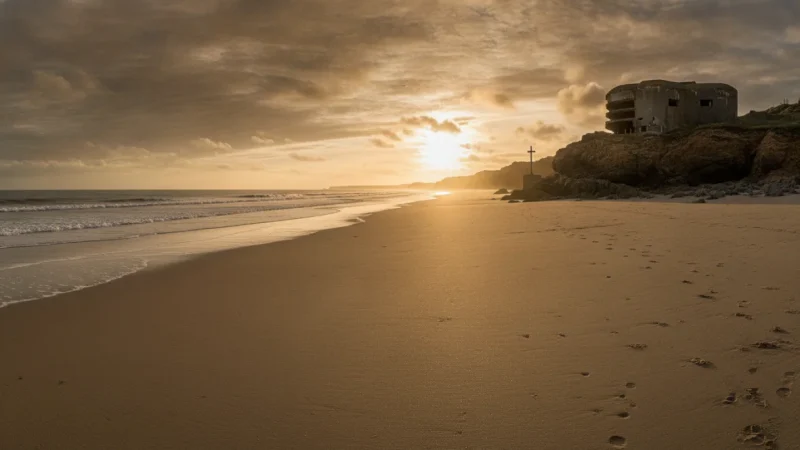
Picture this: emerald crater lakes steaming in the morning mist, black sand beaches pounded by Atlantic waves, and whales breaching just offshore. Welcome to the Azores, Portugal’s best-kept secret scattered across 1,000 miles of ocean. This azores travel guide will help you navigate these nine volcanic gems where dramatic landscapes meet authentic Portuguese culture, far from the tourist crowds flooding Lisbon and the Algarve.
Why Visit the Azores: Portugal’s Hidden Volcanic Paradise
The azores islands portugal offer something truly unique in European travel. Born from volcanic fire rising from the Atlantic’s depths, these nine islands showcase nature at its most raw and beautiful. Unlike mainland Portugal’s historic cities or the Algarve’s beach resorts, the Azores deliver dramatic portugal volcanic islands scenery that feels more like Iceland or Hawaii than Europe.
What makes azores tourism special? Each island has its own personality shaped by volcanic activity. You’ll find towering calderas filled with twin-colored lakes, geothermal hot springs bubbling through lush vegetation, and Pico Mountain rising 7,713 feet as Portugal’s highest peak. The subtropical climate keeps things green year-round, with temperatures ranging from 57°F in winter to 77°F in summer.
The biodiversity is staggering. The Azores sit along major whale migration routes, making this one of the world’s top destinations for spotting sperm whales, blue whales, and pods of dolphins. The islands’ isolation created unique ecosystems with endemic plants found nowhere else on Earth. For nature lovers and adventure seekers tired of overcrowded European destinations, the Azores offer untouched landscapes where you can hike volcanic craters, swim in thermal springs, and explore coastal caves without fighting crowds.
Planning Your Azores Vacation: Best Times, Islands, and Itineraries
Smart azores vacation planning starts with timing. The best time to visit azores islands runs from May through October when weather is warmest and most stable. Summer (June-August) brings the most sunshine but also peak prices and crowds. Shoulder seasons (May, September-October) offer the sweet spot: pleasant weather, lower prices, and fewer tourists. Winter brings more rain and wind, though temperatures rarely drop below 55°F—perfect if you prioritize budget over beach weather.
When visiting azores, you’ll need to choose your islands wisely. With nine islands spread across hundreds of miles, most travelers focus on two or three. São Miguel island, the largest and most developed, serves as the main gateway through Ponta Delgada airport. Terceira island offers UNESCO-listed historic towns and traditional festivals. Pico, Faial, and São Jorge form the central triangle, ideal for island hopping. The western islands (Flores and Corvo) and eastern islands (Santa Maria) require more time and planning.
For a complete azores itinerary portugal, consider these frameworks: 3-4 days lets you explore São Miguel’s highlights; 7 days allows São Miguel plus one additional island; 10+ days enables proper multi-island exploration. Car rental is essential on each island—public transport is limited and attractions are spread out. Budget around €30-50 daily for car rental, €70-150 for mid-range accommodation, and €25-40 per person for meals.
Which Azores Islands to Visit First
First-time visitors should start with São Miguel. It’s the most accessible, with the best infrastructure and greatest variety of attractions packed into one island. You can experience crater lakes, thermal springs, tea plantations, and whale watching without changing islands. Once you’ve mastered São Miguel, add Pico for hiking Pico Mountain and tasting volcanic wines, Terceira for cultural immersion and cave systems, or Faial for sailing culture and stunning hydrangea-lined roads. When planning how to plan azores island hopping trip, combine geographically close islands: Pico-Faial-São Jorge work well together, connected by short ferry rides.
Getting Around the Azores
Inter-island travel relies on SATA Air Azores flights (15-30 minutes, €50-120) or ferries during summer months (slower but scenic, €15-30). Book flights early for better prices. On each island, renting a car is non-negotiable for proper exploration. Roads are generally good but narrow and winding, especially in mountainous areas. GPS is essential as signage can be confusing. Most rental companies operate from airports, with prices starting around €25 daily for basic vehicles. Similar to planning logistics for destinations covered in other comprehensive guides like the Machu Picchu travel experience, advance booking saves money and stress.
Top Experiences and Activities in the Azores
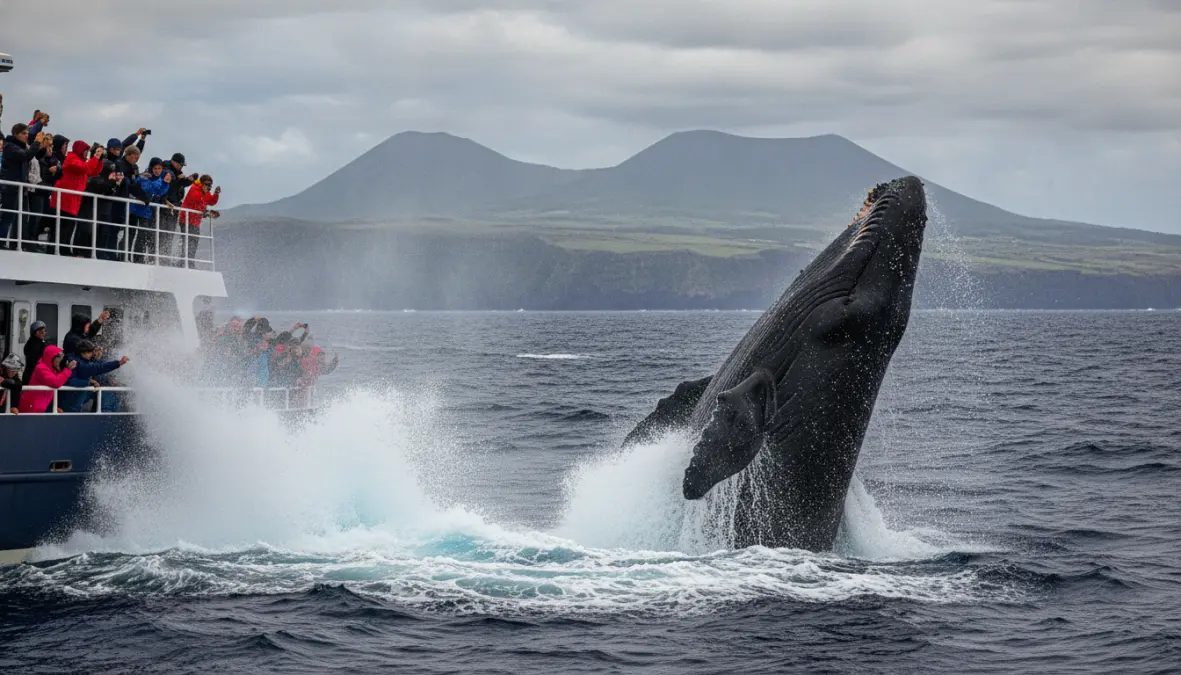
No azores trip guide is complete without highlighting the islands’ signature experiences. Start with whale watching—the Azores offer Europe’s best cetacean encounters. From April to October, tour operators from Ponta Delgada and other ports run daily trips where you might spot sperm whales, blue whales, fin whales, and various dolphin species. Tours cost €50-75 and last 2.5-3 hours.
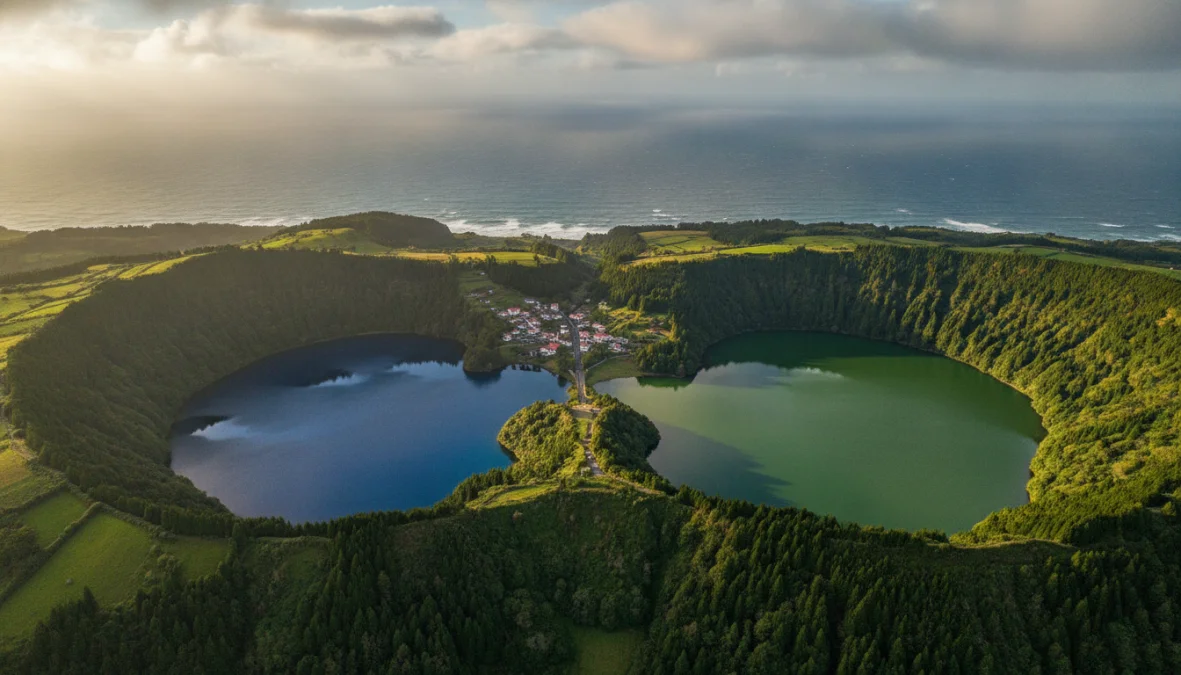
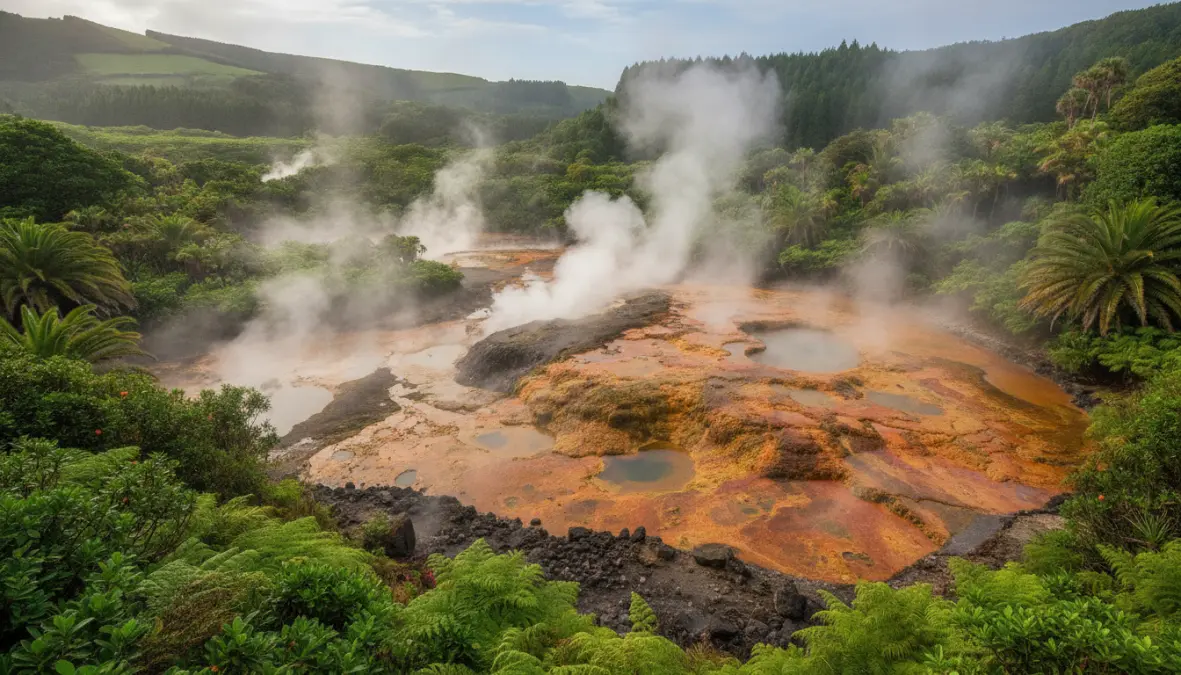
The volcanic landscape creates surreal natural wonders. On São Miguel, don’t miss the twin crater lakes of Sete Cidades—one blue, one green—sitting inside a massive volcanic caldera. Lagoa do Fogo offers another stunning crater lake surrounded by protected forest. Furnas Valley combines geothermal activity with culture: watch locals cook traditional cozido stew underground using volcanic heat, then soak in natural thermal springs at Terra Nostra Park or Caldeira Velha.
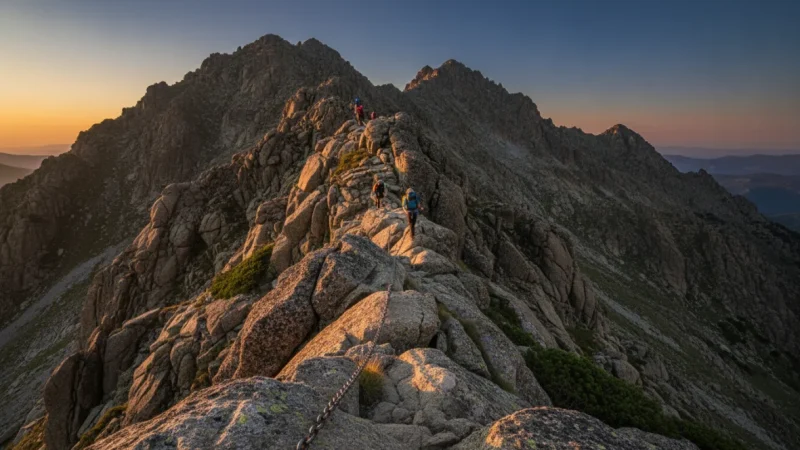
For adventure seekers exploring azores volcanic landscape tours, hiking options range from easy coastal walks to challenging mountain treks. Climbing Pico Mountain (Portugal’s highest peak) takes 4-6 hours up and rewards with sunrise views above the clouds. Canyoning in São Miguel’s waterfalls, diving around underwater volcanic formations, and exploring lava tube caves on Terceira add adrenaline. The islands also offer unique cultural experiences: tour Europe’s only tea plantations on São Miguel, taste wines grown in Pico’s volcanic rock vineyards (UNESCO-listed), and swim in natural ocean pools carved from lava rock along various coastlines.
For those interested in responsible exploration, the Azores’ focus on sustainable tourism aligns well with principles outlined in the sustainable travel guide, emphasizing preservation of these fragile volcanic ecosystems.
When planning what to do in azores portugal, balance active adventures with relaxation. The islands reward slow travel—taking time to soak in hot springs, sample local cheeses and seafood, and simply absorb the dramatic Atlantic scenery that changes with each passing weather front.
Frequently Asked Questions
How many days do you need in Azores? Minimum 5-7 days for a satisfying visit. This allows 4-5 days on São Miguel plus travel time, or 3-4 days split between two islands. Serious explorers should plan 10-14 days to properly experience multiple islands without rushing.
Is Azores expensive to visit? The Azores fall into the moderate price range—more expensive than mainland Portugal but cheaper than Iceland or Norway with similar landscapes. For a budget travel guide azores, expect €60-80 daily per person (budget accommodation, self-catering, limited tours) or €120-180 for comfortable mid-range travel. Flights from North America or northern Europe can be the biggest expense.
Do you need a car in Azores? Absolutely yes. Public buses are infrequent and don’t reach most natural attractions. Car rental is essential for accessing crater lakes, thermal springs, hiking trailheads, and coastal viewpoints. Each island requires a separate rental.
What is the best month to visit? June and September offer the best balance of good weather, fewer crowds, and reasonable prices. July-August have warmest weather but maximum tourists. May and October work well for budget travelers who don’t mind occasional rain.
Are the Azores worth visiting? For nature lovers, absolutely. The Azores deliver dramatic volcanic landscapes, incredible wildlife encounters, and authentic culture without mass tourism. They’re perfect for travelers seeking active adventures, unique geology, and uncrowded European destinations. Just don’t expect Caribbean beaches—these are wild Atlantic islands where nature, not sunbathing, takes center stage.
Before departing, make sure you’re prepared with proper planning tools. Check the packing organization guide to efficiently manage gear for variable weather, review travel insurance options since adventure activities benefit from proper coverage, and consider connectivity solutions for navigating remote island roads. The Azores await—these volcanic islands promise an adventure unlike anywhere else in Europe.