Djenne and Timbuktu: Complete Guide to Mali’s Ancient Desert Cities
Few places on Earth evoke the mystique and romance of remote desert exploration quite like Timbuktu and Djenne. These mali ancient cities, rising from the sands of West Africa, were once glittering jewels along the trans-saharan trade routes, where gold, salt, and knowledge flowed freely. Today, they stand as testaments to human ingenuity and Islamic scholarship, their mud brick architecture still commanding awe from the handful of intrepid travelers who make the journey. This timbuktu mali guide will help you navigate the complexities and rewards of visiting these legendary destinations.
Introduction to Mali’s Desert Jewels: Timbuktu and Djenne
For centuries, Timbuktu and Djenne served as vital nodes in the trans-saharan trade network, connecting the Mediterranean world with the riches of sub-Saharan Africa. Gold from the Songhai Empire and Malian history‘s great kingdoms passed through these caravan cities, while salt from the Sahara desert mines journeyed south. But commerce wasn’t their only claim to fame—both cities became renowned centers of Islamic learning, attracting scholars, students, and theologians from across the Muslim world.
Today, both cities hold timbuktu unesco heritage status, recognized for their outstanding universal value. Djenne boasts the world’s largest mud-brick building, while Timbuktu preserves priceless medieval manuscripts. Visiting these mali desert travel destinations together makes perfect sense—they’re complementary experiences that paint a complete picture of west africa heritage. Just be prepared: the romantic myths of golden minarets and camel caravans have given way to dusty, authentic settlements where life moves slowly and modernity has barely intruded.
Djenne: The Mud Brick Marvel of West Africa
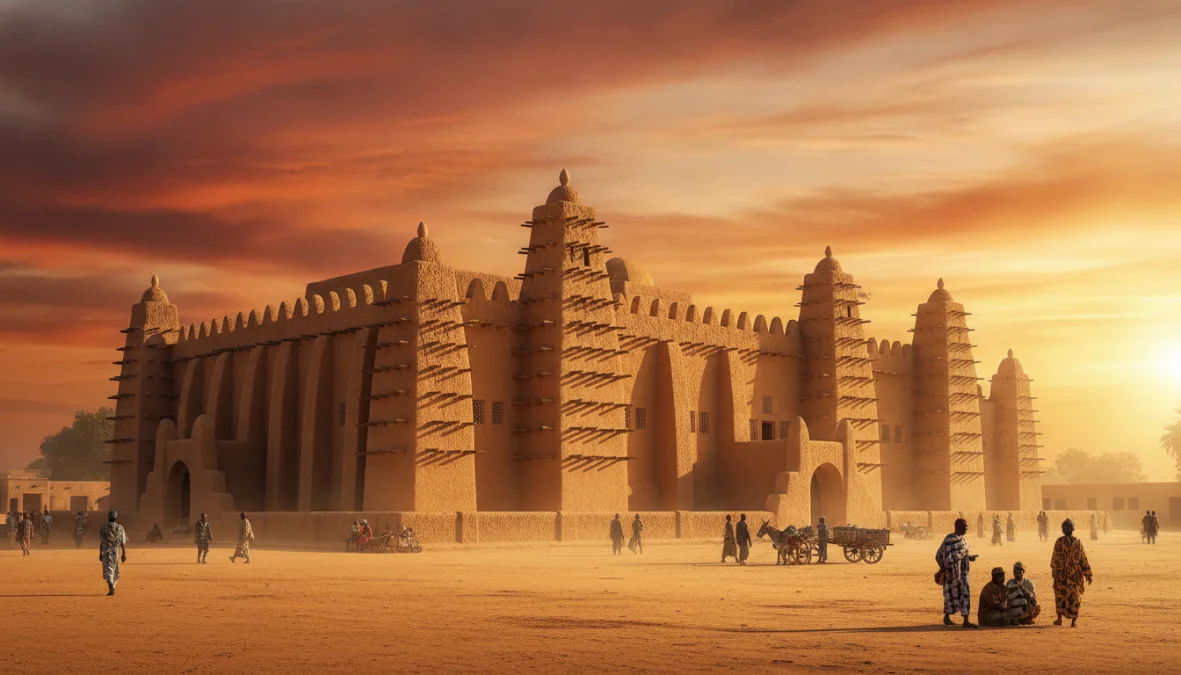
Djenne strikes visitors first with its sheer architectural audacity. The great mosque of djenne dominates the skyline—a massive structure of sun-baked mud rising from the dusty plains near the Niger River. Built in 1907 on the site of a 13th-century predecessor, this djenne mosque mali represents the pinnacle of Sudano-Sahelian djenne architecture. Its exterior bristles with wooden beams called toron, which serve as permanent scaffolding for the annual replastering ceremony when the entire community gathers to repair the walls after the rainy season.
Unfortunately, non-Muslims cannot enter the mosque interior, and even photographing the building has become restricted following past incidents of disrespect. The djenne mud mosque visiting hours for exterior viewing are essentially any daylight hours, but respect local sensitivities and always ask permission before photographing.
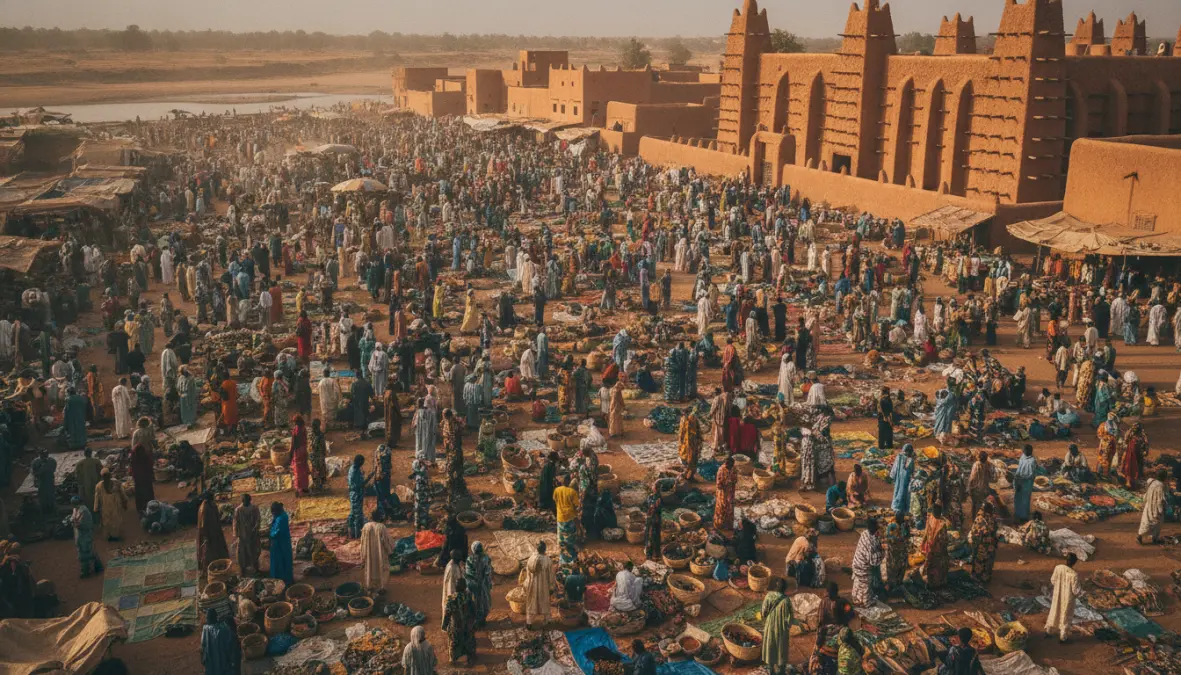
Beyond the mosque, Djenne’s old town is a labyrinth of earthen buildings, many dating back centuries. Every structure follows traditional building methods, creating remarkable architectural harmony. The djenne monday market travel tips cannot be overstated—this weekly event transforms the plaza in front of the mosque into a riot of color and commerce. Farmers, fishermen, and traders from throughout the region converge to sell everything from produce to pottery. Arrive early Monday morning for the full spectacle.
Reaching Djenne requires a journey from Mopti, roughly 130km away. Most travelers arrange a shared taxi or private vehicle, though the route can become impassable during heavy rains. Accommodation is basic but adequate—several simple guesthouses offer clean rooms and local meals. The best time to visit timbuktu mali and Djenne runs from November through February, when temperatures are bearable and the roads are dry.
Timbuktu: City of 333 Saints and Ancient Manuscripts
Timbuktu’s name became synonymous with remote, unreachable places—yet for centuries it was anything but isolated. During its golden age from the 14th to 16th centuries under the Mali and Songhai Empire, Timbuktu was a thriving intellectual capital where islamic scholars debated theology, astronomy, mathematics, and medicine. The city’s universities and libraries attracted students from as far as Cairo and Baghdad.
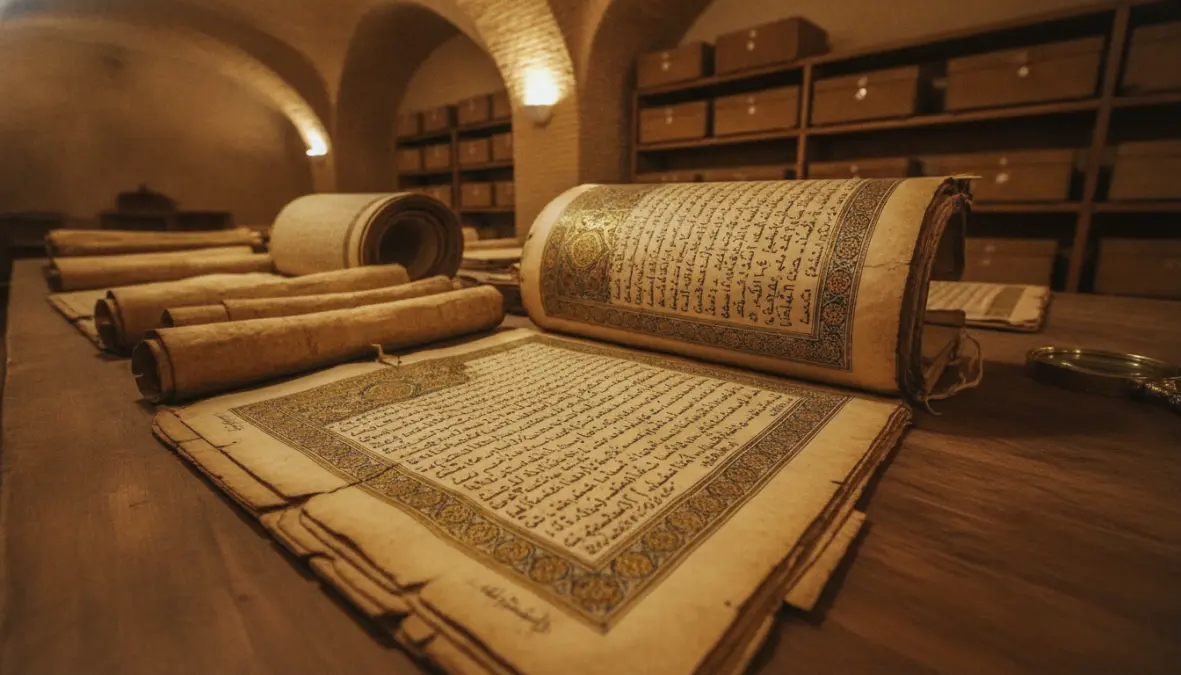
The timbuktu manuscripts remain Timbuktu’s greatest treasure—hundreds of thousands of texts covering everything from Quranic interpretation to medical treatises. Many were hidden during Mali’s recent conflicts, but institutions like the Ahmed Baba Institute have worked to preserve and display portions of this collection. These timbuktu ancient libraries and manuscripts offer glimpses into Africa’s rich scholarly tradition, challenging Western narratives about the continent’s intellectual history. Visitors can arrange guided visits to see some manuscripts, though access remains limited for conservation reasons.
Three historic mosques anchor the city: Djinguereber (built in 1327), Sankore, and Sidi Yahia. Like Djenne’s great mosque, these structures showcase the distinctive mud-brick style that defines Sahelian architecture. The city’s historic houses, with their distinctive facades and courtyards, offer additional architectural interest for those exploring with local guides.
The Sahara desert literally laps at Timbuktu’s northern edge, and the sand dunes provide stunning sunset vistas. This proximity to the desert also connects modern visitors to the city’s caravan past, when salt blocks arrived on camel-back after weeks crossing the dunes. Tuareg culture remains strong here, with many Tuareg serving as guides and sharing their nomadic traditions. For those interested in similar desert experiences elsewhere, consider this Sahara Desert camping guide for Morocco and Tunisia options.
Practical Travel Information and Safety Considerations
Let’s address the elephant in the room: is it safe to travel to timbuktu? Mali has faced significant security challenges, with jihadist groups active in northern and central regions. Western governments currently advise against all travel to Mali, including Timbuktu and Djenne. The security situation fluctuates, so checking current advisories before planning any mali desert travel is essential.
If you do travel when conditions permit, mandatory military escorts and special permits are required. Independent travel is impossible—you’ll need to arrange everything through specialized tour operators who coordinate with Malian authorities. Expect substantial fees for security arrangements.
The timbuktu to djenne distance and transport covers roughly 400km, typically requiring an overnight stop or very long day’s drive. Most mali desert cities tour itinerary plans allocate 5-7 days minimum for both cities plus transit from Bamako.
Budget-wise, expect higher costs than typical African destinations due to security requirements and limited infrastructure. Vaccinations for yellow fever are mandatory; malaria prophylaxis is essential. Respect local Islamic customs: dress modestly, especially women (covering shoulders and knees minimum), and always ask permission before photographing people.
If Mali remains inaccessible, consider Morocco’s cultural sites or this Cape Town travel guide for safer African adventures.
FAQ: Planning Your Visit to Timbuktu and Djenne
Is it safe to travel to Timbuktu and Djenne?
Currently, most Western governments advise against travel to Mali due to terrorism and kidnapping risks. The security situation changes, so consult current government travel advisories. If conditions improve, travel only with reputable operators who arrange military escorts and proper permits.
Can you visit the Great Mosque of Djenne inside?
No, non-Muslims are not permitted to enter the mosque interior. This restriction was implemented after tourists behaved disrespectfully. You can admire the exterior architecture and photograph it with permission from local authorities.
How many days do you need for visiting both cities?
Allow at least 5-7 days total: 2 days in Djenne (especially if timing it for Monday market), 2-3 days in Timbuktu, plus travel time from Bamako and between cities. More time allows for deeper exploration and desert excursions.
What’s the best way to reach these cities?
Djenne is accessible by road from Mopti (2-3 hours). Timbuktu can be reached by small plane from Bamako or by 4WD vehicle (several days’ drive). All arrangements must be made through tour operators who handle permits and security.
Are the Timbuktu manuscripts accessible to visitors?
Some manuscripts are viewable at the Ahmed Baba Institute and private libraries, though access is limited. Your guide can arrange visits where you’ll see selected texts under controlled conditions to ensure their preservation.
Do I need a special permit?
Yes, special permits are mandatory for visiting both cities, along with military escorts. These cannot be arranged independently—work with specialized Mali tour operators who coordinate all permissions with authorities.
Timbuktu and Djenne represent travel at its most challenging and rewarding. These mali ancient cities demand patience, flexibility, and cultural sensitivity—but they offer experiences found nowhere else on Earth. When conditions eventually stabilize, those who make the journey will walk streets where scholars debated theology centuries ago, where gold and salt built empires, and where mud architecture reaches heights of artistry that modern materials can scarcely match. The journey to these desert jewels isn’t for everyone, but for committed travelers, few destinations offer such profound connections to history.