Lofoten Islands Guide: Summer Hiking Under the Midnight Sun and Exploring Fishing Villages
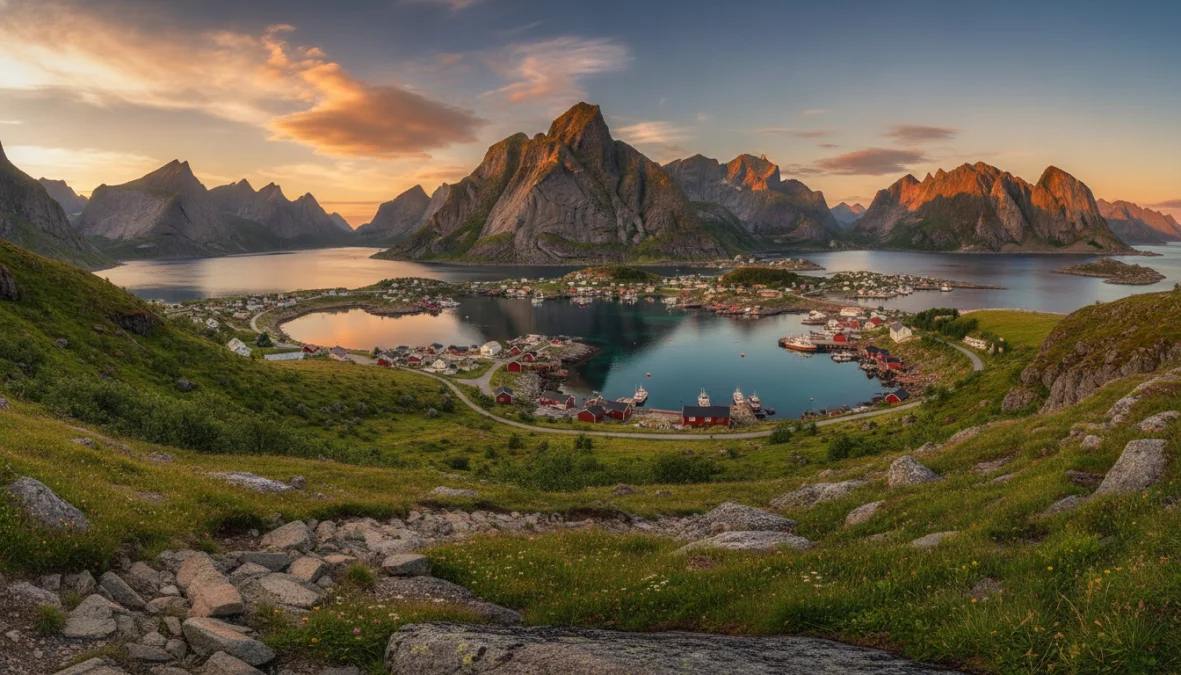
Imagine hiking up a dramatic mountain peak at midnight, the sun still hanging low on the horizon, casting golden light across jagged peaks and turquoise fjords. Welcome to the Lofoten Islands in summer, where the midnight sun never sets and every trail leads to jaw-dropping views. This lofoten islands guide will help you navigate the best summer hiking trails and charming fishing villages in one of Norway’s most spectacular destinations, where dramatic landscapes meet authentic Arctic culture.
Planning Your Lofoten Islands Summer Adventure
Getting your lofoten islands travel guide sorted starts with understanding when to visit. The best time to visit lofoten islands in summer runs from June through August, with each month offering unique advantages. The midnight sun phenomenon occurs from late May to mid-July—specifically from May 26 to July 17 above the Arctic Circle—creating 24-hour daylight perfect for extended hiking sessions.
Reaching this northern norway summer paradise requires some planning. Fly into Bodø and take the scenic ferry to Moskenes (3.5 hours), or fly directly to Leknes or Svolvær airports. The famous E10 highway connects the main islands, making a rental car essential for exploring at your own pace. Base yourself in Svolvær for amenities and nightlife, Reine for iconic scenery, or Henningsvær for artistic vibes.
Budget 4-7 days minimum to experience the archipelago properly. Summer temperatures range from 10-18°C (50-64°F), so pack layers including a windproof jacket, waterproof hiking boots, and a warm fleece. Weather changes quickly in arctic circle norway, so preparedness is key. Expect to spend around €100-150 daily including accommodation, meals, and car rental. Summer is ideal for hiking because trails are snow-free, days are endless, and rorbu cabins are readily available. Much like planning for trekking in Patagonia, proper preparation makes all the difference.
Best Summer Hiking Trails in Lofoten
The lofoten summer hiking scene offers trails ranging from family-friendly coastal walks to challenging mountain scrambles. The unique combination of dramatic peaks rising straight from the sea creates landscapes you won’t find anywhere else. Here’s your complete breakdown of the best lofoten hiking trails to tackle during your visit.
Iconic Peaks and Midnight Sun Hikes
The reinebringen hike tops every photographer’s list. This 1.5-hour ascent (448m elevation) features 1,964 stone steps leading to possibly the most photographed viewpoint in Norway. Looking down at reine village and its surrounding fjords creates a moment you’ll never forget. Start this hike around 10 PM for unforgettable midnight sun photography lofoten opportunities.
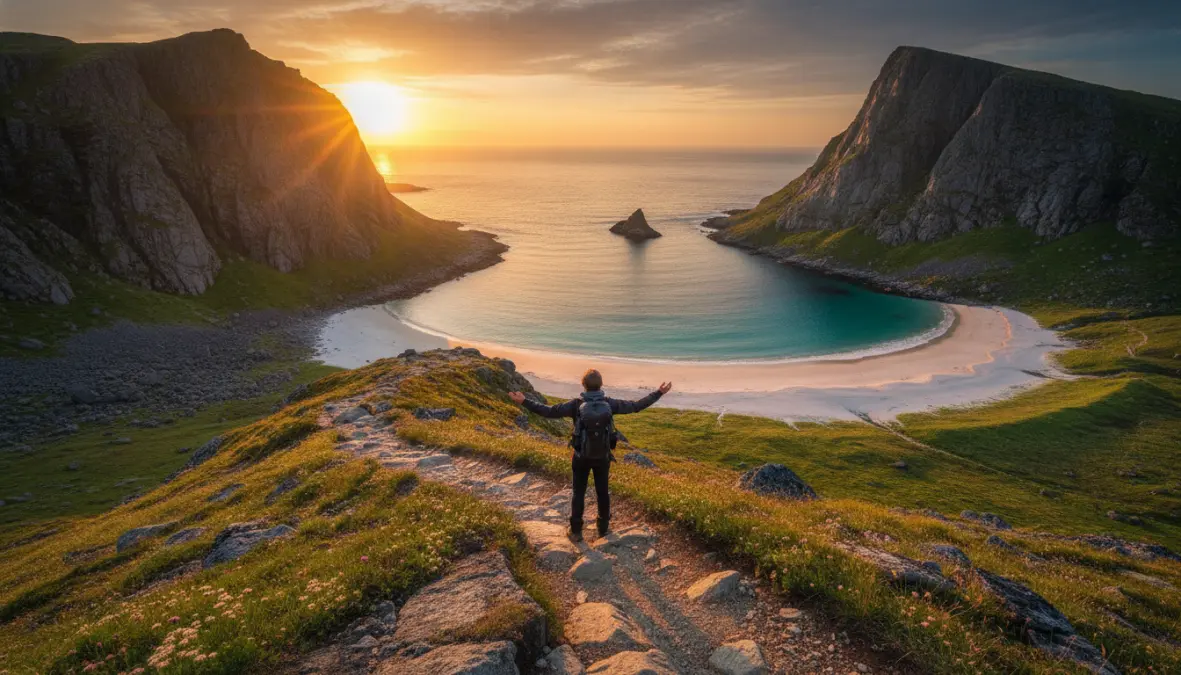
For midnight sun hiking lofoten islands at its finest, tackle Ryten (543m, 2-3 hours round trip). The moderate difficulty rewards you with views over Kvalvika Beach’s white sand and the Norwegian Sea stretching to the horizon. Speaking of Kvalvika, the beach hike itself (3km, 1 hour each way) crosses moorland before descending to one of the white sand beaches lofoten is famous for. Camp overnight here under the midnight sun for an authentic Arctic experience.
The Munkebu hut hike from Sørvågen offers a challenging 6-hour round trip (700m elevation gain) with accommodation available at the DNT cabin. This trail combines technical sections with breathtaking panoramas of Vindstad and the surrounding peaks—perfect for those seeking lofoten summer activities beyond casual walks.
Coastal and Moderate Trails for All Levels
Not every adventure needs to be extreme. The coastal path from Nusfjord to Nesland (2 hours) offers gentle terrain through traditional fishing landscapes with views of stockfish drying racks and colorful villages. These lofoten hiking trails for beginners prove the archipelago isn’t just for experienced mountaineers.
Uttakleiv Beach and Haukland Beach areas provide easy walks perfect for families or rest days. The Haukland to Vik beach walk (30 minutes) crosses a low saddle with incredible vistas. In poor weather, stick to these lower-elevation options or explore village walks instead of exposed peaks.
Essential gear includes sturdy boots with ankle support, trekking poles for steep descents, plenty of water (sources are limited), snacks, and layers for changing conditions. Always check weather forecasts and inform someone of your plans—mountain rescue services are available but prevention is better. Consider reviewing general hiking safety principles similar to those in our Kilimanjaro hiking guide.
Exploring Lofoten’s Authentic Fishing Villages
The lofoten fishing villages form the cultural heart of the archipelago. For centuries, fishermen journeyed here during winter to harvest Arctic cod, creating settlements that remain beautifully preserved today. Summer brings these villages to life with festivals, galleries, and restaurants serving the freshest seafood imaginable.
Reine village, consistently ranked among the world’s most beautiful, delivers on its reputation. Beyond photography at the harbor viewpoint, kayak through the fjords, dine at Anita’s Sjømat for local specialties, or sleep in traditional red rorbu cabins perched over the water. The village contains just 300 residents but attracts thousands of visitors who come for the postcard-perfect scenery.
Nusfjord, a UNESCO World Heritage site, functions as a living museum where cod liver oil production and traditional boatbuilding continue. Walk the wooden docks past century-old buildings and visit the museum showcasing fishing history. The preserved authenticity makes it one of the best fishing villages in lofoten for understanding local culture.
Henningsvaer, dubbed the “Venice of Lofoten,” sits on several small islands connected by bridges. This artistic hub hosts galleries, a famous football pitch built on a tiny islet, and Lofoten’s only climbing gym. Café culture thrives here—grab coffee at Klatrekafeen and watch climbers tackle indoor routes. For adventure, book a midnight sun sea kayaking tour through the surrounding archipelago.
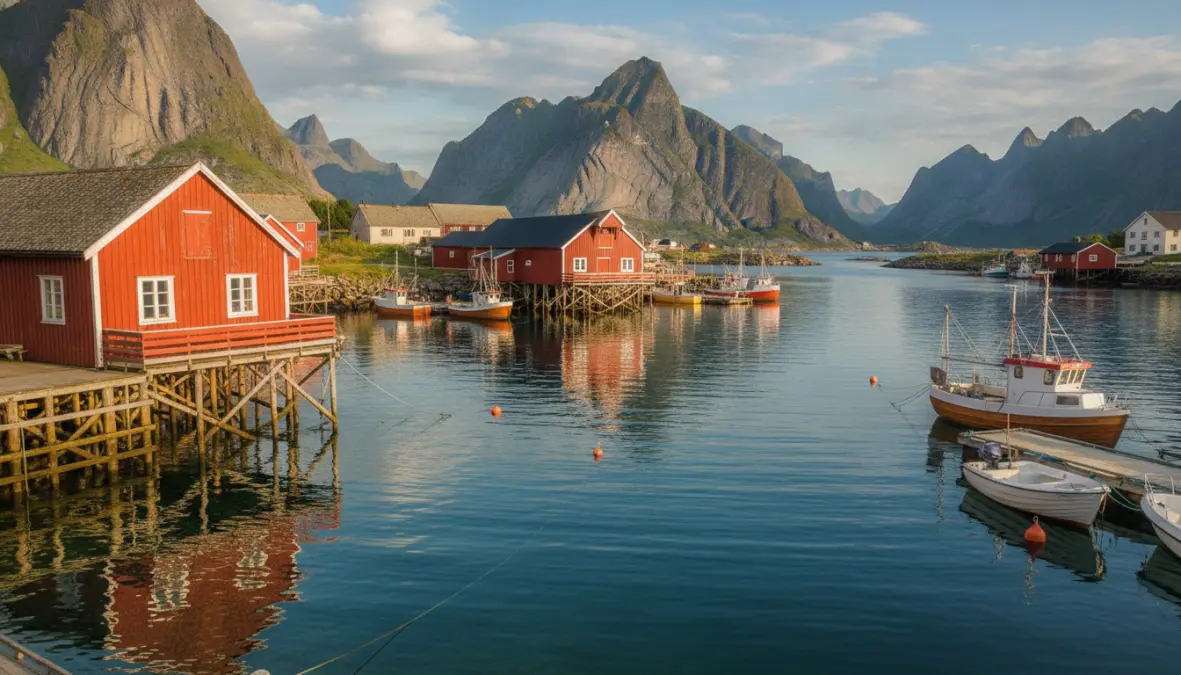
The red cabins of Sakrisøy and Hamnøy create Instagram-famous scenes, especially reflected in calm waters. These tiny settlements offer things to do in lofoten in summer like fishing charters and photography workshops. At the archipelago’s southern end, the village of Å houses the Norwegian Fishing Village Museum and marks where the E10 highway terminates. Summer brings fishing competitions and boat tours departing daily for surrounding islands.
Accommodation in traditional rorbu cabins provides authentic experiences—these converted fishermen’s cabins now offer modern comforts while maintaining historical character. Book well in advance for summer stays. Most villages have restaurants serving fresh fish caught that morning; try bacalao, stockfish soup, or simply grilled cod with local vegetables.
FAQ: Common Questions About Summer in Lofoten
What is the midnight sun in Lofoten?
The midnight sun occurs when the sun remains visible at midnight and beyond, creating 24-hour daylight. In Lofoten, this phenomenon runs from May 26 to July 17. The experience feels surreal—hiking at 11 PM in broad daylight, watching the sun skim the horizon without setting, and enjoying golden hour light that lasts for hours.
When is the best time to visit Lofoten in summer?
Mid-June through July offers the best combination of midnight sun, warmest temperatures, and driest weather. August sees the sun setting again (around 11 PM initially) but brings fewer crowds and brilliant autumn colors starting to appear on the tundra.
Do I need hiking experience for Lofoten trails?
Not necessarily. Trails range from easy beach walks suitable for families to challenging mountain scrambles requiring fitness and navigation skills. Beginners should stick to coastal paths and popular routes like Haukland Beach, while Reinebringen and Ryten suit moderately experienced hikers. Advanced hikers will enjoy Munkebu and technical peak ascents.
How many days do you need in Lofoten Islands?
A proper lofoten islands summer itinerary requires 4-7 days minimum. Four days covers highlights like Reinebringen, Reine, Henningsvær, and a few beaches. Seven days allows for deeper exploration, multiple hikes, village immersion, and flexibility for weather. Similar to planning a trip to Machu Picchu, giving yourself extra time prevents rushed experiences.
What should I pack for summer in Lofoten?
Layer system clothing (base layers, insulating mid-layer, waterproof shell), hiking boots, sun protection (yes, even at midnight!), insect repellent, refillable water bottle, camera with extra batteries, and a eye mask if you’re sensitive to light while sleeping. Weather changes rapidly, so waterproofs are essential year-round.
Can you see Northern Lights in Lofoten in summer?
No, the midnight sun period means no darkness for aurora viewing. Northern Lights appear from September through March when nights are dark enough. Summer’s trade-off is the midnight sun lofoten experience, equally magical and offering unique photography and hiking opportunities impossible during winter.
The Lofoten Islands in summer offer a rare combination of accessible Arctic wilderness, authentic cultural experiences, and landscapes that defy description. Whether you’re conquering the Reinebringen steps at midnight under golden light, savoring fresh cod in a centuries-old fishing village, or simply breathing in the crisp northern air on a white sand beach, these islands deliver moments that transform travelers into storytellers. Before you go, don’t forget to secure comprehensive travel insurance covering hiking activities, and consider sustainable travel practices to help preserve this fragile Arctic environment for future generations. Your Lofoten adventure awaits—the midnight sun is calling.