Faroe Islands Complete Travel Guide: When to Visit and Essential Hiking Routes
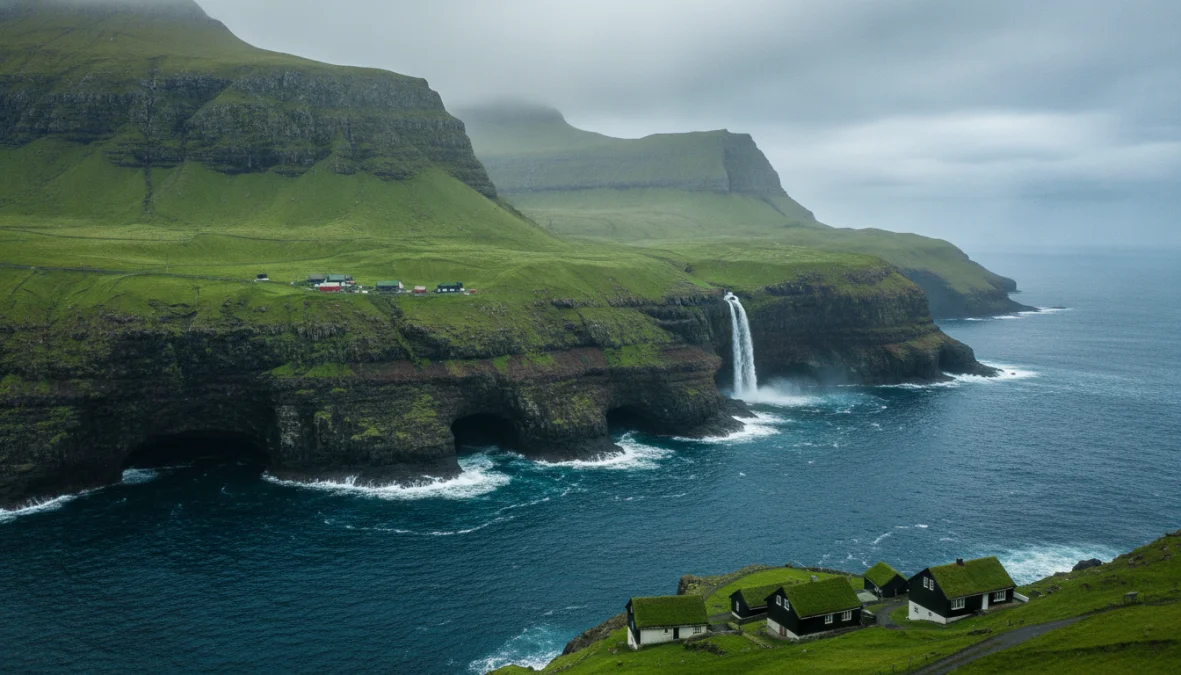
Picture this: jagged cliffs plunging into the Atlantic, cascading waterfalls tumbling into emerald valleys, and villages so picturesque they seem plucked from a fairy tale. Welcome to the Faroe Islands, an 18-island archipelago halfway between Iceland and Norway that’s quickly becoming one of Europe’s most coveted Nordic destinations. This faroe islands travel guide will help you navigate when to visit these Atlantic islands, discover the best faroe islands hiking routes, and plan an unforgettable adventure among some of the world’s most dramatic cliffs and landscapes.
When to Visit the Faroe Islands: Weather and Seasonal Guide
Timing your trip right can make or break your Faroese adventure. The faroe islands weather is notoriously unpredictable—locals joke you can experience all four seasons in a single day. Understanding when to visit faroe islands depends entirely on what you’re after.
Summer (May-August) is the best time faroe islands offers for hiking enthusiasts. Temperatures hover between 10-13°C (50-55°F), trails are most accessible, and you’ll enjoy nearly 20 hours of daylight during the midnight sun faroe islands period in June and July. This is peak season for faroe islands tourism, so expect more visitors but also the most reliable hiking conditions. It’s definitely the best time to visit faroe islands for hiking.
Spring (April-May) and Autumn (September-October) offer a sweet spot: fewer tourists, lower prices, and still-manageable weather. Temperatures range from 6-10°C (43-50°F). You might catch the northern lights in late autumn, though the Faroes sit just below the Arctic Circle so sightings aren’t guaranteed. Trails remain accessible, but expect more rain and wind.
Winter (November-March) brings dramatic, moody landscapes perfect for photographers, but hiking becomes challenging and potentially dangerous. Many trails close due to ice and snow, daylight shrinks to just 5-6 hours, and ferries run on reduced schedules. Temperatures stay around 3-5°C (37-41°F).
Faroe islands weather by month breakdown: Expect rain year-round (average 280 rainy days annually), with precipitation heaviest in autumn and winter. Pack layers regardless of season, as conditions change rapidly. Wind is constant—average speeds of 20-30 km/h are normal, with gusts much stronger on exposed cliffs and peaks.
Essential Faroe Islands Hiking Routes and Trails
The faroe islands trails network showcases nature at its most raw and beautiful. From gentle coastal walks to challenging summit climbs, these routes define what makes hiking here so special. Remember: weather changes fast, so proper preparation isn’t optional—it’s essential for safety.
Trælanípa and Bøsdalafossur (Vágar) is a moderate 3-4 hour round-trip hike offering jaw-dropping views from 142-meter cliffs overlooking Sorvagsvatn lake, which appears to float above the ocean. The trail gets muddy and exposed to wind, but it’s manageable for most fitness levels. Best visited June-September when conditions are safest.
Gásadalur to Múlafossur Waterfall is an iconic short walk (30 minutes one-way) to witness the stunning mulafossur waterfall cascading directly into the Atlantic. Since the tunnel opened, it’s accessible by car, making it one of the most photographed spots in the islands. Morning light is magical here.
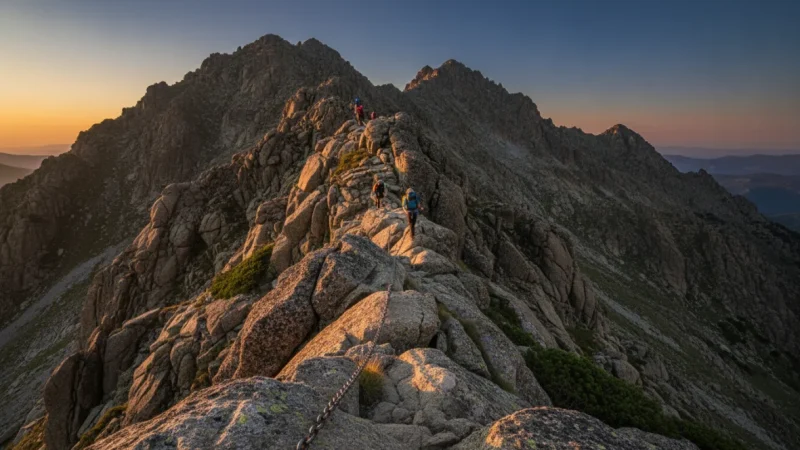
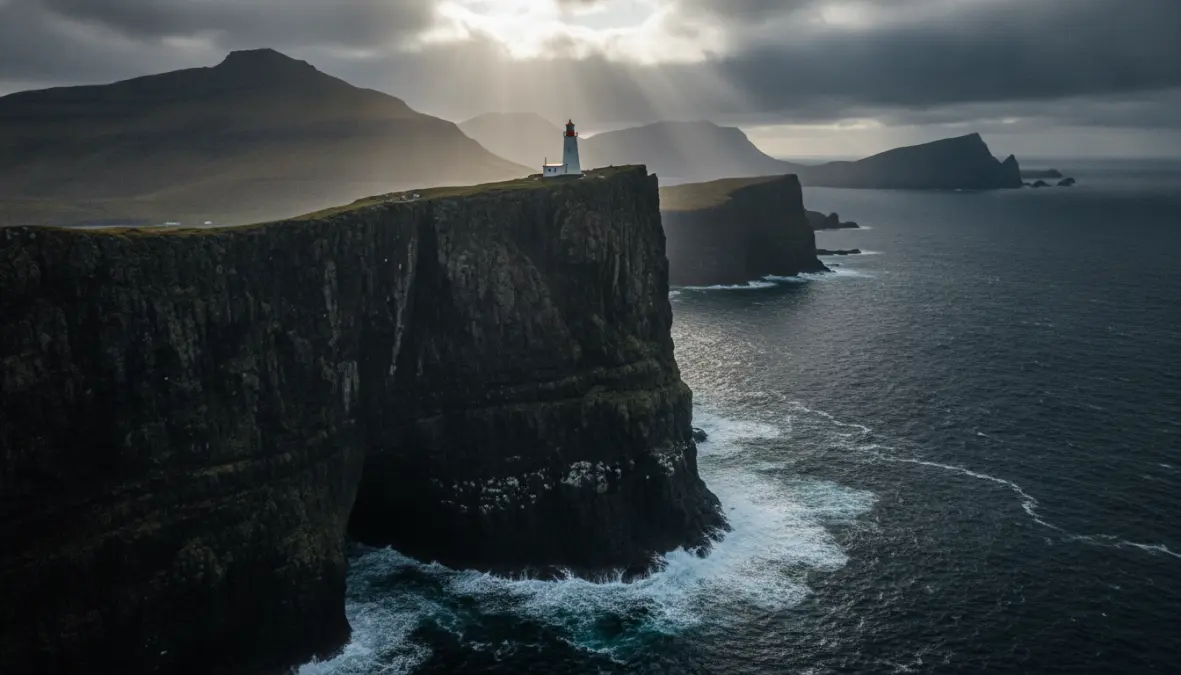
Kallur Lighthouse (Kalsoy) demands a ferry ride and tunnel drive, but rewards you with one of the Faroes’ most dramatic viewpoints. This 2-hour round-trip hike crosses steep, exposed terrain with chains assisting in places. The kallur lighthouse perched at the island’s northern tip overlooks sheer drops and neighboring islands—absolutely breathtaking but not for those with vertigo.
Slættaratindur Summit reaches 880 meters, the archipelago’s highest point. This 4-5 hour challenging hike offers 360-degree views on clear days—you can theoretically see all 18 islands. The route requires good fitness and navigation skills, as weather deteriorates quickly at elevation. Attempt only in summer with stable conditions.
Saksun to Tjørnuvík is an advanced 6-7 hour traverse crossing remote mountain terrain between two photogenic villages. Navigation is difficult in fog, and there’s no mobile coverage. Only for experienced hikers with proper equipment and what to pack for faroe islands hiking knowledge: waterproofs, multiple layers, navigation tools, emergency supplies, and sturdy boots.
Practical tips for all trails: Always check weather forecasts before departing, tell someone your plans, respect private property (much land is privately owned), stay on marked paths to protect fragile ecosystems, and be prepared to turn back if conditions worsen. Consider comprehensive travel insurance that covers hiking activities—mountain rescue isn’t free.
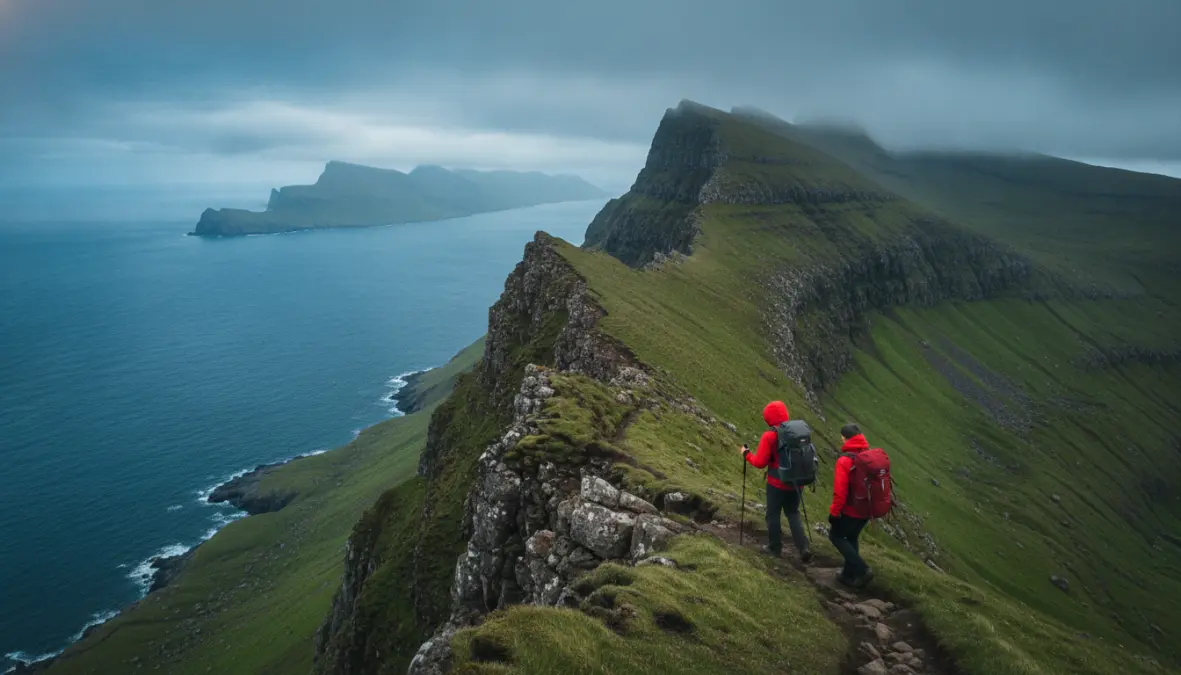
Beginner-Friendly Trails
Not every hike needs to test your limits. These faroe islands hiking trails for beginners offer stunning scenery without extreme difficulty:
Múlafossur Waterfall Walk from Gásadalur village takes just 30 minutes each way on a well-maintained path. Perfect for families, it delivers maximum visual impact with minimal effort.
Tjørnuvík Beach Trail is a gentle coastal walk along black sand beaches with views of dramatic sea stacks (Risin og Kellingin). The flat terrain and easy access make it ideal for all fitness levels.
Saksun Village Area offers short walks around the iconic turf-roofed church and tidal lagoon. Multiple gentle paths explore this picturesque valley without significant elevation gain.
Advanced Hiking Routes
Experienced hikers seeking serious challenges should consider:
Slættaratindur Summit (mentioned above) requires excellent fitness, navigation skills, and proper mountain experience. Weather windows are narrow—be prepared for sudden fog, rain, and wind.
Kallur Lighthouse, while not technically difficult, demands confidence on exposed terrain with significant drop-offs. Strong winds can make the final approach genuinely dangerous.
Multi-day Traverses: Several routes connect villages across mountain passes, but require self-sufficiency, navigation expertise, and contingency planning. These aren’t for casual hikers—consider faroe islands self guided hiking tours with proper route information and emergency protocols.
Planning Your Faroe Islands Itinerary: Practical Tips
Creating a solid faroe islands itinerary starts with logistics. The islands are accessible via Atlantic Airways, with flights from Copenhagen (2 hours) or Edinburgh (1.5 hours). Book flights early—capacity is limited.
How many days to visit faroe islands? Minimum 4-5 days lets you see highlights without rushing, but 7-10 days allows deeper exploration and accounts for weather delays. A week is ideal for serious hikers wanting to tackle multiple best hiking routes in faroe islands.
Transportation is non-negotiable: rent a car. Public buses exist but run infrequently. The road network is excellent, including subsea tunnels connecting major islands. Some smaller islands require ferries—book in advance during summer. Local helicopters serve remote communities and accept tourists space-permitting.
Accommodation: Torshavn, the capital, makes an excellent base with hotels, guesthouses, and restaurants. For authentic experiences, stay in village guesthouses or Airbnbs—just book months ahead for summer. Budget €80-150 per night for decent accommodations.
Costs: The Faroes aren’t cheap. Expect €15-30 for restaurant meals, €100-150 daily for car rental, €2-3 per liter for fuel. Groceries are expensive—consider self-catering to save money. Similar to planning for destinations like Patagonia or Machu Picchu, budget carefully for these remote locations.
What to pack: Waterproof jacket and pants (essential), multiple layers including thermal base layers, fleece, and windproof outer layer, sturdy waterproof hiking boots, warm hat and gloves even in summer, sunglasses and sunscreen (UV is strong), and packing cubes to organize your gear efficiently.
Cultural respect: Faroese people are welcoming but value their privacy and environment. Always ask permission before entering private land, close gates behind you, take all trash with you, and never disturb sheep or birds. Embrace sustainable travel practices to preserve these pristine islands.
FAQ
How many days do you need in Faroe Islands?
Minimum 4-5 days covers the main highlights and a few hikes, but 7-10 days is ideal for exploring thoroughly, especially if you want to hike multiple trails and account for weather delays. Serious hikers should plan at least a week to fully experience the best routes without rushing.
Is it expensive to visit Faroe Islands?
Yes, the Faroes are relatively expensive. Expect to spend €100-200 per person daily including accommodation, food, car rental, and fuel. Restaurant meals cost €15-30, accommodations €80-150 nightly. Self-catering, camping, and visiting during shoulder season can reduce costs significantly.
Do I need a car in Faroe Islands?
Absolutely. While public buses exist, they’re infrequent and don’t reach many trailheads and scenic spots. Rental cars cost €100-150 daily but provide essential flexibility. Roads are excellent, including modern tunnels. Ferries connect some islands—book ahead in summer.
What should I pack for Faroe Islands hiking?
Waterproof jacket and pants, layered clothing (thermal base, fleece, windproof shell), waterproof hiking boots, warm accessories, navigation tools, emergency supplies, and sun protection. Weather changes rapidly, so preparation is critical. Pack for all conditions regardless of season.
Are the Faroe Islands good for beginners hikers?
Yes, several trails suit beginners, including Múlafossur waterfall walk, Tjørnuvík beach trail, and Saksun village paths. These offer stunning scenery without extreme difficulty. However, weather remains unpredictable even on easy trails, so proper clothing and preparation are essential for everyone.
The Faroe Islands offer something rare: pristine wilderness combined with accessible adventure. Whether you’re drawn by the dramatic cliffs, world-class hiking, or simply the call of these remote Atlantic islands, proper planning ensures your journey matches your dreams. Respect the weather, embrace the unpredictability, and prepare to fall completely in love with one of Europe’s last true wild places. Your Faroese adventure awaits—just don’t forget your waterproofs.