Bay of Kotor Guide: Exploring Montenegro’s Medieval Towns and Coastal Hiking Trails
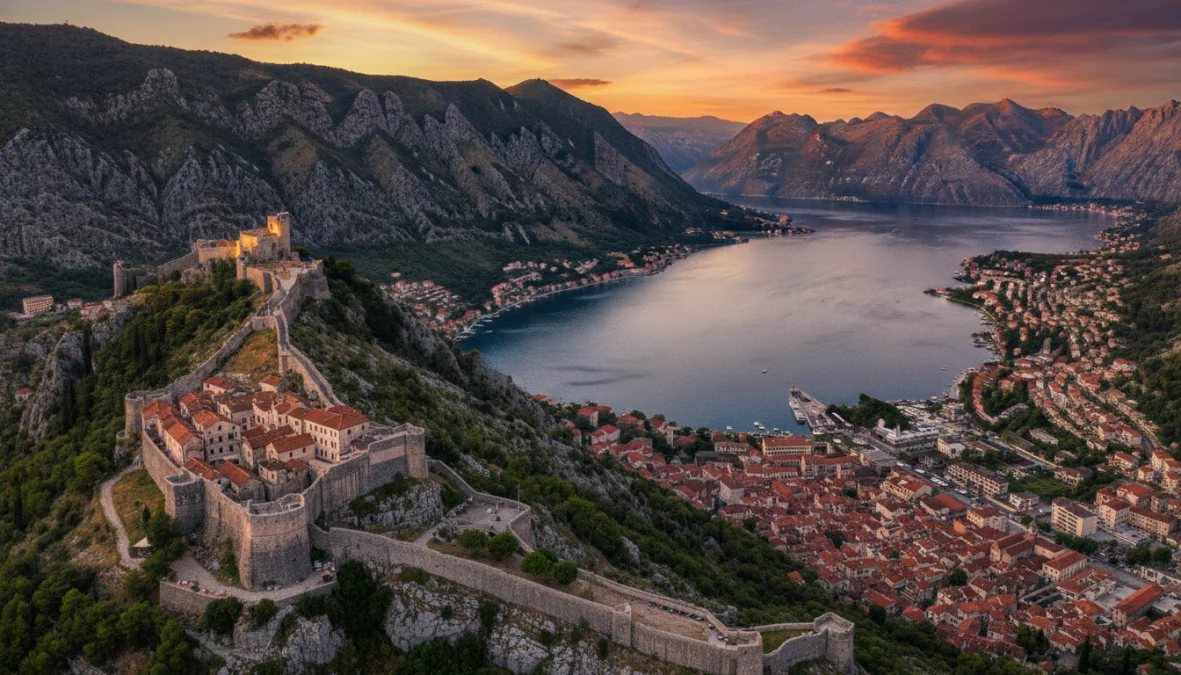
Tucked between dramatic limestone mountains and the shimmering Adriatic coast, the Bay of Kotor feels like stepping into a living medieval painting. Often called Europe’s southernmost fjord (though technically a submerged river canyon), this fjord-like bay carved into Montenegro’s coastline shelters centuries-old towns with Venetian bell towers, labyrinthine cobblestone streets, and fortress walls that climb impossibly steep mountainsides. Whether you’re drawn to the kotor medieval architecture, challenging hiking trails with panoramic views, or simply wandering baroque villages where time seems suspended, this bay of kotor guide will help you discover one of the Adriatic coast‘s best-kept secrets.
Discovering the Bay of Kotor: Montenegro’s Adriatic Jewel
The boka bay montenegro, also known as bocche di cattaro in Italian, is a UNESCO world heritage site that combines natural beauty with over 2,000 years of history. Located along the montenegrin riviera, this winding bay stretches roughly 28 kilometers inland, creating four interconnected gulfs dotted with medieval towns, Orthodox monasteries, and Baroque churches that reflect the region’s complex past under Roman, Byzantine, Serbian, and particularly Venetian rule.
Getting here is straightforward. Most visitors arrive via the coastal route from budva to kotor (about 25 km, roughly 30 minutes by car or bus), though Dubrovnik Airport in Croatia is actually closer than Montenegro’s main airports. Buses run frequently along the coast, making it easy to explore without a car, though having your own wheels gives you flexibility to stop at hidden viewpoints along the serpentine coastal road.
The best time to visit is late spring (May-June) or early autumn (September-October) when temperatures are pleasant for hiking, crowds are manageable, and the bay’s waters sparkle under sunny skies without the intense summer heat. Winters are mild but some hiking trails become slippery. This kotor montenegro travel guide recommends allocating at least 2-3 days to properly explore the bay’s main attractions without rushing.
Essential Towns to Explore Around the Bay of Kotor
The bay of kotor towns each have distinct personalities, from bustling Kotor itself to sleepy Perast’s Baroque elegance. Understanding what each offers helps you plan your ideal kotor bay day trip itinerary.
Kotor Old Town: A Medieval Masterpiece
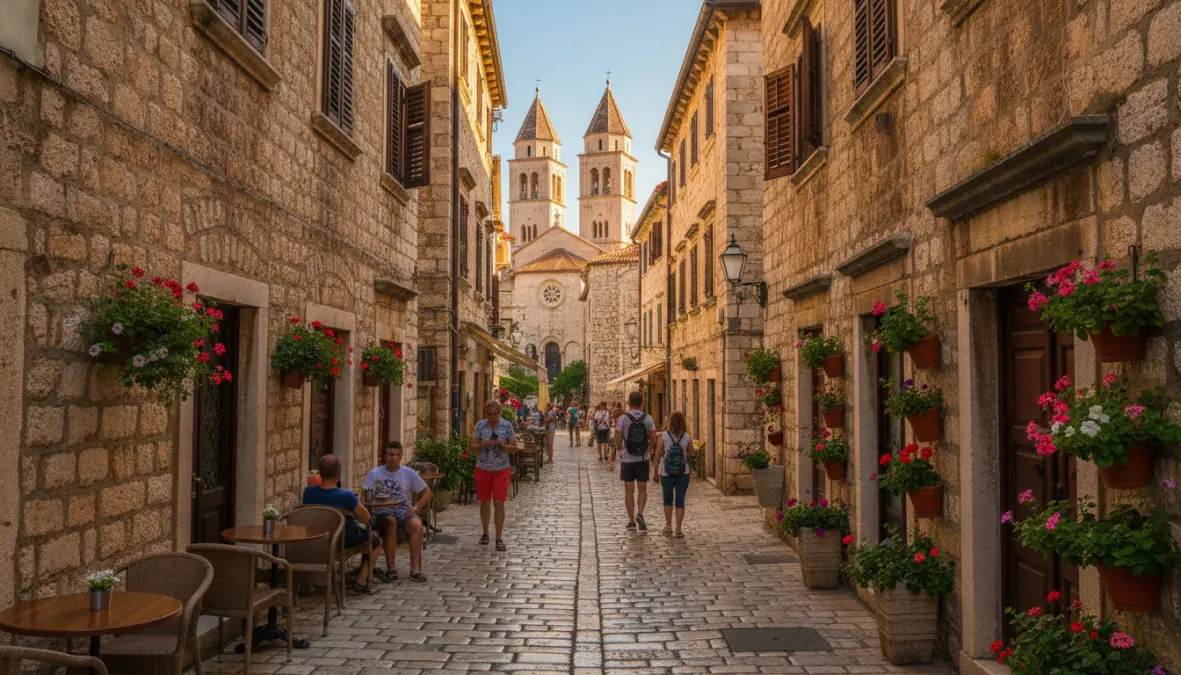
Kotor old town is the bay’s undisputed highlight, a remarkably preserved medieval city enclosed by imposing venetian fortifications that snake 4.5 kilometers up the mountainside. Walking through the Sea Gate feels like entering another era—narrow marble streets worn smooth by centuries of footsteps wind between stone buildings dating from the 12th to 14th centuries.
The Cathedral of Saint Tryphon, built in 1166, anchors the old town with its distinctive Romanesque towers (slightly mismatched after earthquake damage). Don’t miss the Treasury Museum inside, which houses golden reliquaries and medieval religious art. St. Luke’s Church and St. Nicholas Church showcase the town’s Orthodox heritage, while countless small squares hide atmospheric cafes perfect for people-watching.
Plan to spend at least 3-4 hours exploring things to do in kotor old town: wandering the maze-like streets, visiting churches and museums, shopping for local crafts, and climbing at least partway up the city walls for spectacular views. The town gets crowded when cruise ships dock (usually mid-morning to late afternoon), so early morning or evening visits offer a more authentic atmosphere. Similar to the medieval charm found in Transylvania’s Saxon towns, Kotor rewards slow exploration and architectural appreciation.
Perast and Other Charming Coastal Villages
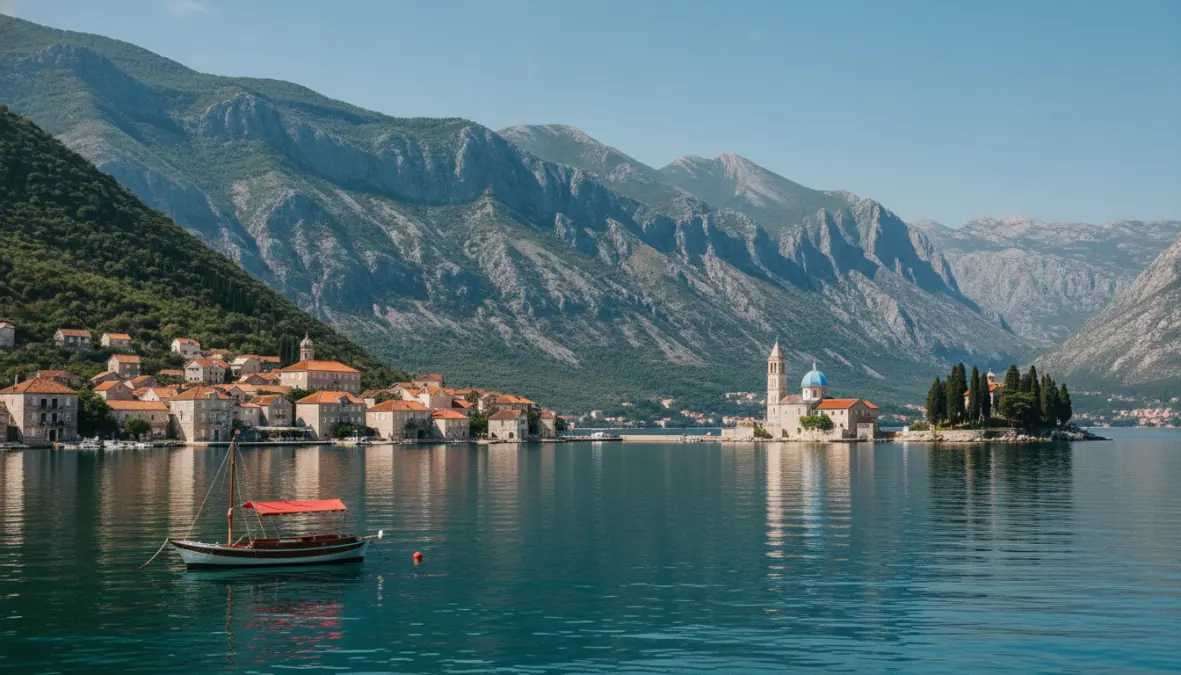
Perast montenegro sits just 12 kilometers northwest of Kotor and couldn’t be more different in character. This tiny Baroque town (population under 400) curves elegantly along the narrowest part of the bay, its pastel palazzos and church towers reflected in calm waters. Perast’s golden age came under Venetian rule when it was a wealthy maritime center—the architecture reflects this prosperity.
The town’s main attraction is our lady of the rocks, an artificial island with a striking blue-domed church sitting 200 meters offshore. Local boats shuttle visitors for a few euros, and the interior features 68 paintings by Baroque artist Tripo Kokolja plus an unusual votive tapestry embroidered with gold and silver thread. The adjacent natural island, St. George, houses a Benedictine monastery accessible only during special events.
The kotor to perast walking route follows the coastal road (about 10 km) and takes roughly 2.5-3 hours, offering stunning bay views, though the narrow road with car traffic makes it less ideal than it sounds. Most visitors take the bus or drive.
Other notable villages include Herceg Novi at the bay’s entrance, known for its botanical gardens and fortresses from different eras, and Tivat, a more modern town with Porto Montenegro’s upscale marina. Risan, the bay’s oldest settlement, features Roman mosaics, while tiny Dobrota stretches along the coast with elegant captain’s houses and fewer tourists.
Hiking Trails and Outdoor Adventures in the Bay of Kotor
The kotor hiking trails range from challenging mountain ascents to gentle coastal walks, with the famous fortress hike being absolutely essential for any active visitor.
The kotor fortress ladder of cattaro (San Giovanni Fortress) involves climbing 1,350 stone steps up 260 vertical meters to the fortress ruins perched dramatically above town. This is among the best hiking trails in bay of kotor for sheer visual reward—the panoramic views over the old town’s terracotta roofs, the winding bay, and surrounding mountains are absolutely breathtaking. The hike takes 45-90 minutes depending on fitness level, and it’s steep with minimal shade, so start early morning or late afternoon. There’s a small entrance fee (€8) during official hours, though some hikers go at sunrise or sunset when gates are open but unstaffed. Bring water, sun protection, and decent shoes. For more challenging coastal hiking, check out the Cinque Terre trails in Italy.
The Vrmac Ridge trail offers a longer, less touristy option connecting Kotor with Tivat via a mountain ridge separating the bay’s two main sections. This 8-kilometer trail takes 3-4 hours and provides constantly changing perspectives of the bay through pine forests. It’s moderately difficult with some steep sections but far less crowded than the fortress hike.
For water-based activities, kayaking around the bay lets you access hidden coves and get unique perspectives of the coastal towns. Several operators offer guided bay of kotor boat tour guide services, from short trips to Our Lady of the Rocks to full-day excursions exploring the entire bay, often including swimming stops and traditional lunch. Much like exploring Portugal’s Algarve Coast, the bay rewards those who experience it from multiple perspectives—land, water, and elevated viewpoints.
Frequently Asked Questions
How many days do you need in Bay of Kotor? A minimum of 2 days allows you to explore Kotor Old Town and do the fortress hike on day one, then visit Perast and other villages on day two. Three days is ideal for a relaxed pace, adding boat tours or additional hiking trails.
Is Kotor worth visiting? Absolutely. The combination of stunning natural scenery, remarkably preserved medieval architecture, and outdoor activities makes it one of Europe’s most underrated destinations. It offers similar appeal to the Amalfi Coast but with fewer crowds and lower prices.
Where to stay in bay of kotor? Kotor Old Town puts you in the atmospheric heart of things with excellent restaurants and nightlife, though it can be noisy. Perast offers peaceful Baroque elegance but limited dining options. Dobrota provides a quiet base between the two. Tivat works for those wanting modern amenities and marina atmosphere.
What are the best viewpoints in kotor bay? San Giovanni Fortress above Kotor offers the most iconic panorama. The serpentine road from Kotor toward Cetinje has multiple pullouts with spectacular elevated views. Vrmac Ridge provides unique perspectives, while Perast’s waterfront offers postcard-perfect island views.
How to get from Budva to Kotor? Frequent buses run between Budva and Kotor (25 km, approximately 30-40 minutes, €3-4). Taxis cost around €25-30. The coastal drive is scenic but can be slow during summer traffic.
The Bay of Kotor rewards curiosity and unhurried exploration. Whether you’re conquering the fortress steps at dawn, sipping coffee in a centuries-old square, or cruising past baroque palaces reflected in mirror-calm waters, this Adriatic jewel offers a rare combination of natural drama and cultural richness that lingers long after you’ve left its fjord-like embrace.