Madagascar Wildlife Guide: Where to See Lemurs, Chameleons and Endemic Species
Imagine standing in a rainforest at dawn, listening to the haunting calls of the indri echoing through the canopy, or watching a panther chameleon change colors right before your eyes. Madagascar isn’t just another wildlife destination—it’s a living laboratory of evolution, where creatures found nowhere else on Earth have thrived in isolation for over 88 million years. This Madagascar wildlife guide will show you exactly where to encounter these extraordinary animals and how to make the most of your once-in-a-lifetime adventure.
Why Madagascar is a Wildlife Paradise
Madagascar’s reputation as a biodiversity hotspot isn’t just hype—it’s backed by staggering statistics. Over 90% of the island’s mammals, 92% of reptiles, and roughly 80% of plant species are endemic species Madagascar showcases exclusively. This extraordinary level of endemism resulted from the island breaking away from the African continent approximately 165 million years ago, creating an isolated evolutionary playground.
The madagascar biodiversity encompasses distinct ecosystems ranging from eastern rainforests to western dry deciduous forests, southern spiny forests adorned with baobab trees, and unique limestone karst formations. This variety of habitats has given rise to specialized fauna: over 100 madagascar lemurs species, more than 350 chameleons madagascar varieties (two-thirds of the world’s total), the cryptic fossa predator, bizarre tenrec hedgehog-like creatures, and hundreds of endemic bird species. Understanding this evolutionary context enriches every wildlife encounter you’ll have—each sighting represents a unique chapter in Earth’s natural history that exists nowhere else.
Best National Parks and Reserves for Wildlife Watching
Planning your madagascar safari requires strategic park selection based on the species you’re most eager to encounter. Here are the best national parks madagascar lemurs and other wildlife thrive in:
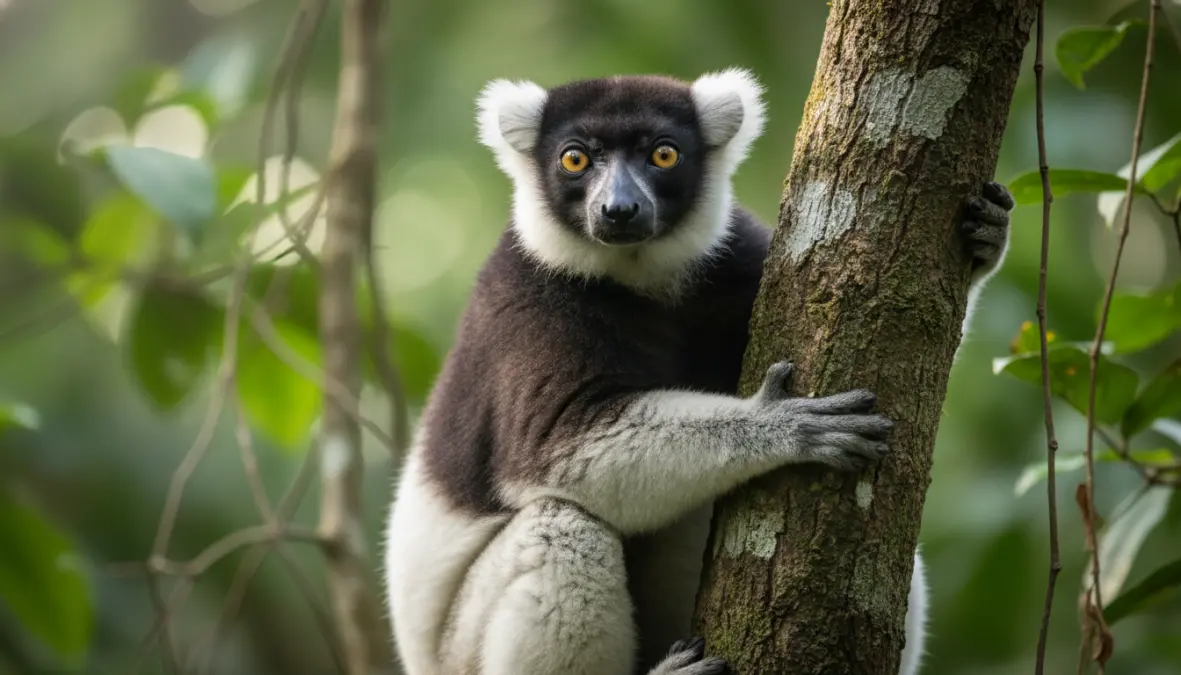
Andasibe-Mantadia National Park (East): Just three hours from Antananarivo, this accessible reserve is your best bet for seeing the indri indri—Madagascar’s largest lemur with those unforgettable territorial calls. The park divides into two sections: Analamazaotra Special Reserve offers easy trails for spotting diurnal lemurs including diademed sifakas and brown lemurs, while Mantadia provides more challenging hikes through pristine rainforest. Night walks reveal mouse lemurs, chameleons, and if you’re lucky, the bizarre aye-aye. April to October offers the best best time visit madagascar wildlife here, with drier trails and active lemurs.
Ranomafana National Park (Southeast): This mountainous rainforest reserve is where researchers discovered the golden bamboo lemur. The ranomafana reserve requires more effort—steep, muddy trails—but rewards with 12 lemur species, including greater bamboo lemurs and red-bellied lemurs. The dense canopy makes wildlife watching more challenging but incredibly rewarding. Bring waterproof gear regardless of season.
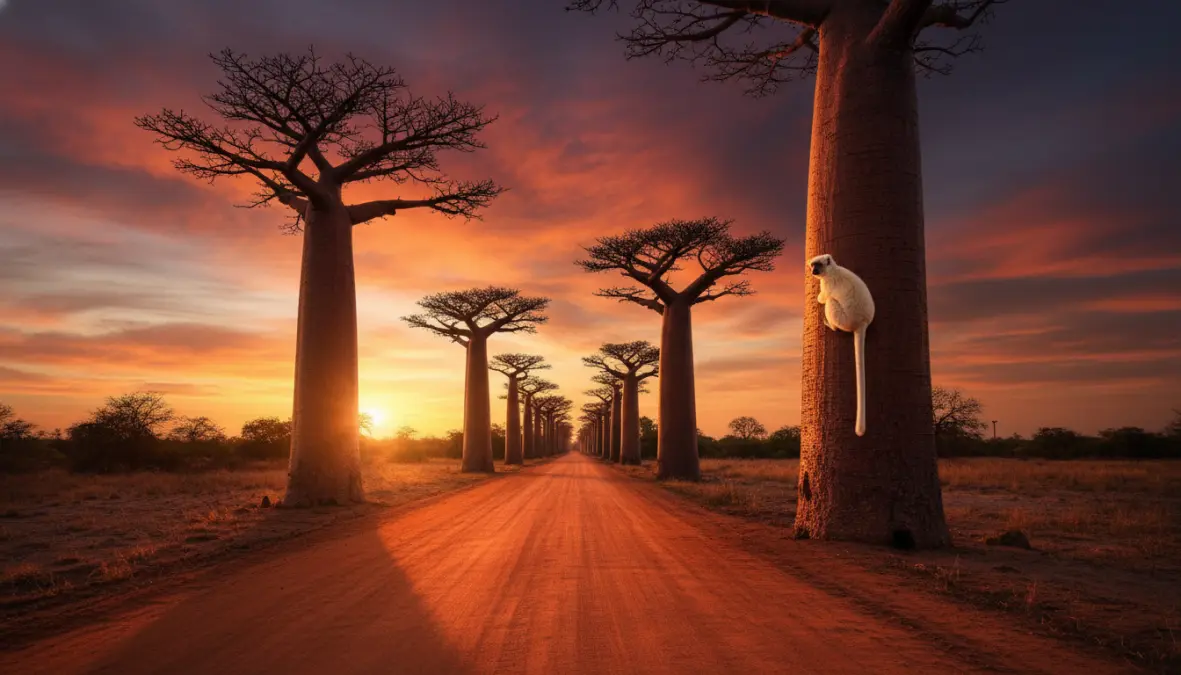
Kirindy Forest (West): If you want where to see lemurs in madagascar alongside Madagascar’s top predator, Kirindy delivers. This dry deciduous forest offers the island’s best odds for spotting the elusive fossa predator during mating season (October-November). Night walks reveal Madame Berthe’s mouse lemur (world’s smallest primate) and giant jumping rats. The nearby Avenue of the Baobabs provides iconic photography opportunities.
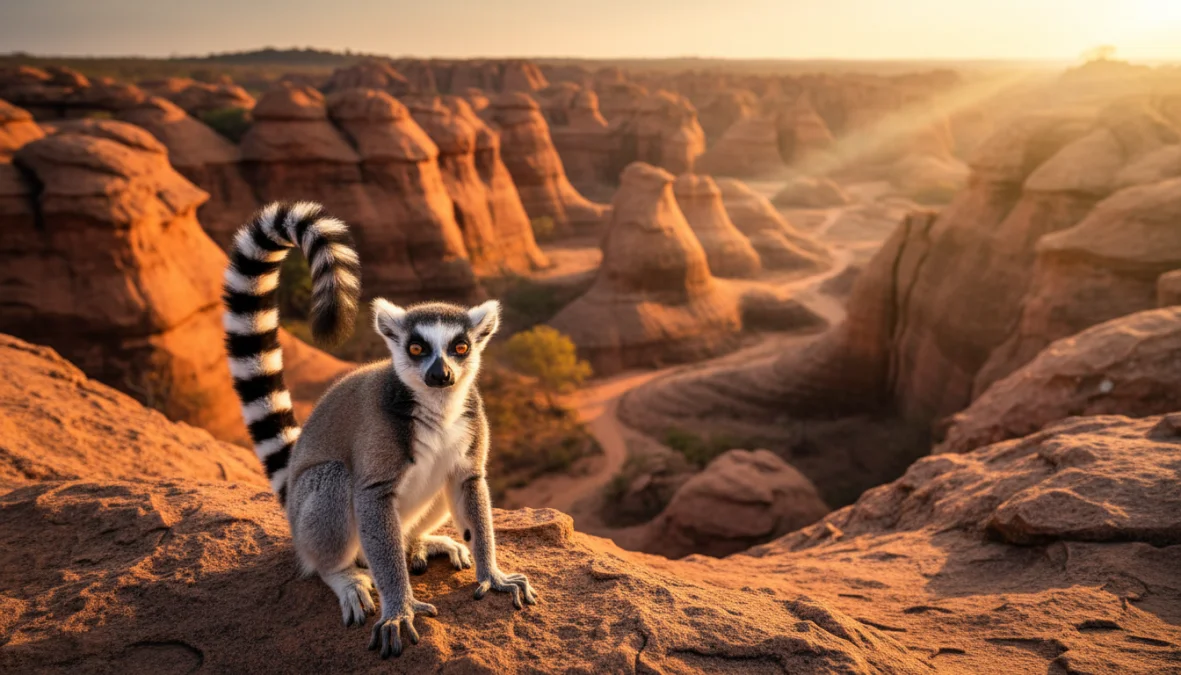
Isalo National Park (South): Famous for dramatic sandstone formations, Isalo is home to ring tailed lemur troops and Verreaux’s sifakas navigating the canyons. The contrast of wildlife against unique geological formations makes for spectacular viewing. Visit May to October for comfortable temperatures.
Ankarana Special Reserve (North): This limestone karst landscape features tsingy formations (razor-sharp rock pinnacles) where crowned lemurs leap between spikes with acrobatic precision. The reserve also shelters leaf-tailed geckos perfectly camouflaged against tree bark.
Private reserves like Anja Community Reserve (ring-tailed lemur haven near Ambalavao) and Berenty Reserve (southern spiny forest with exceptional lemur photography opportunities) offer excellent wildlife encounters while supporting local communities. Much like planning requires research similar to our Ultimate Safari Planning Guide, choosing the right parks maximizes your wildlife watching madagascar success.
Madagascar’s Most Iconic Wildlife Species and Where to Find Them
Understanding endemic animals found only madagascar and their locations transforms your trip from random sightings to targeted encounters:
Lemurs—The Island’s Superstars: The indri’s eerie morning calls at andasibe mantadia national park create an unforgettable experience. These black-and-white primates are Madagascar’s largest lemurs and practically tailless. For the dancing sifakas—lemurs that bounce sideways across open ground—head to Kirindy or Berenty. The nocturnal aye-aye, with its elongated middle finger for extracting grubs, appears on night walks at Andasibe or Aye-Aye Island near Mananara. Ring tailed lemur troops, with their iconic striped tails held high, are easiest at Anja Reserve and Isalo. Golden bamboo lemurs, discovered only in 1986, inhabit Ranomafana exclusively.
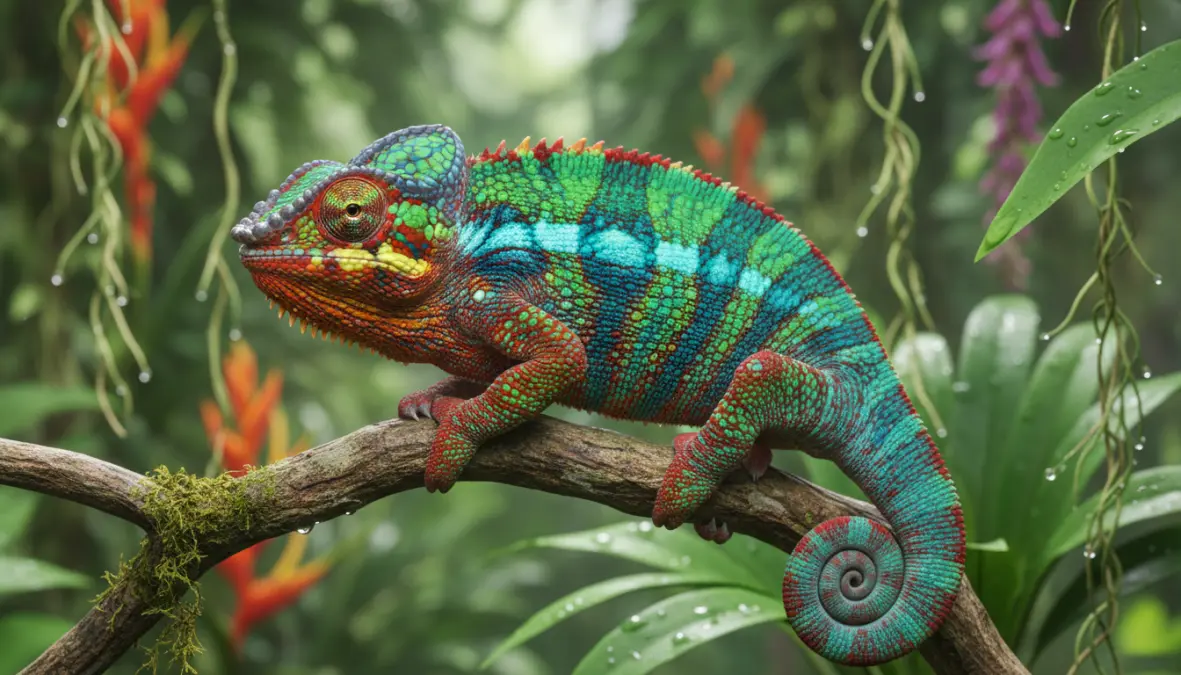
Chameleons—Masters of Disguise: Learning how to spot chameleons madagascar requires patience and trained eyes—local guides are invaluable. The panther chameleon, displaying vibrant reds, blues, and greens, frequents Nosy Be and northern coastal areas. The massive Parson’s chameleon, reaching two feet long, inhabits eastern rainforests like Andasibe and Ranomafana. For the surreal leaf-tailed geckos (Uroplatus) that look like tree bark come alive, explore Andasibe or Ranomafana on night walks. Brookesia micra, one of the world’s smallest chameleons at just over an inch, lives on Nosy Hara islets.
Other Endemic Treasures: The cat-like fossa, Madagascar’s apex predator, is notoriously elusive. Kirindy Forest during October-November mating season offers your best chance. Tenrecs—spiny, hedgehog-like mammals with diverse forms—appear throughout the island; the bizarre streaked tenrec with yellow stripes lives in eastern rainforests. Endemic birds like the helmet vanga (with its massive blue bill) and sickle-billed vanga reward birders at Ankarafantsika National Park.
Maximizing Sightings: Always hire local guides—their trained eyes spot camouflaged creatures you’d walk past repeatedly. Night walks dramatically increase wildlife diversity, revealing nocturnal lemurs, chameleons, frogs, and insects. Dawn and dusk offer peak activity times for most species. Following principles of sustainable travel ensures these fragile ecosystems remain pristine for future generations while enriching your experience through responsible observation practices.
FAQ
What is the best time to visit Madagascar for wildlife?
April to October is ideal for wildlife watching madagascar, offering dry weather, passable roads, and active lemurs. September to November coincides with fossa mating season at Kirindy and breeding season for many species. The wet season (December-March) makes some reserves inaccessible but brings baby lemurs and lush landscapes. Each season offers unique advantages depending on your target species.
How many lemur species are there in Madagascar?
Over 100 recognized lemur species exist, all endemic to Madagascar. They range from the 30-gram Madame Berthe’s mouse lemur (world’s smallest primate) to the 9-kilogram indri. New species continue being discovered, with several described just in the past decade. Sadly, over 95% are threatened with extinction, making conservation-minded tourism crucial.
Do I need a guide to see wildlife in Madagascar?
Absolutely. Guides are mandatory in all national parks and essential for successful wildlife spotting. Their trained eyes detect camouflaged chameleons, sleeping lemurs, and cryptic creatures invisible to untrained observers. Knowledgeable guides also provide context about malagasy fauna behavior, ecology, and conservation status that transforms sightings into meaningful encounters.
What is the best park for first-time visitors?
Andasibe mantadia national park offers the perfect introduction—accessible from the capital, well-maintained trails, diverse lemur species including the iconic indri, excellent night walks, and accommodation options at various price points. It provides a comprehensive sampling of Madagascar’s eastern rainforest biodiversity without the logistical challenges of more remote reserves.
Start Planning Your Madagascar Wildlife Adventure
Madagascar demands more effort than typical safari destinations—roads are rough, logistics complex, and infrastructure basic in places. But these challenges fade into insignificance the moment an indri’s call reverberates through the forest, or a panther chameleon displays its kaleidoscope of colors inches from your face. This madagascar wildlife guide provides the foundation for planning your madagascar wildlife tour itinerary, but the real magic happens when you stand in those ancient forests, surrounded by creatures that define the word “unique.”
Whether you’re captivated by lemurs, obsessed with reptiles, or simply seeking one of Earth’s last true wilderness experiences, Madagascar delivers beyond imagination. Just as adventurers plan expeditions to Kilimanjaro or Victoria Falls, your Madagascar journey requires preparation—but the rewards are encounters with wildlife existing nowhere else on our planet. Start researching guided wildlife tours madagascar, book your flights, and prepare for the adventure of a lifetime in the world’s most evolutionarily distinct wilderness.