Sahara Desert Camping: Complete Guide to Morocco and Tunisia Overnight Experiences
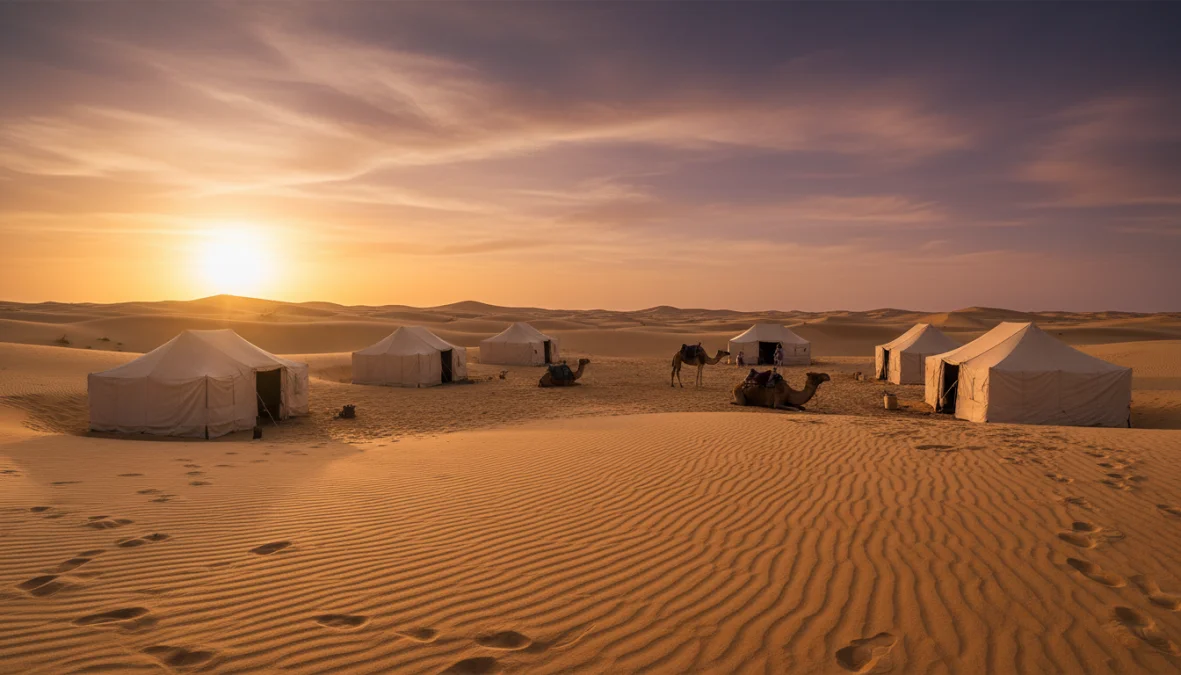
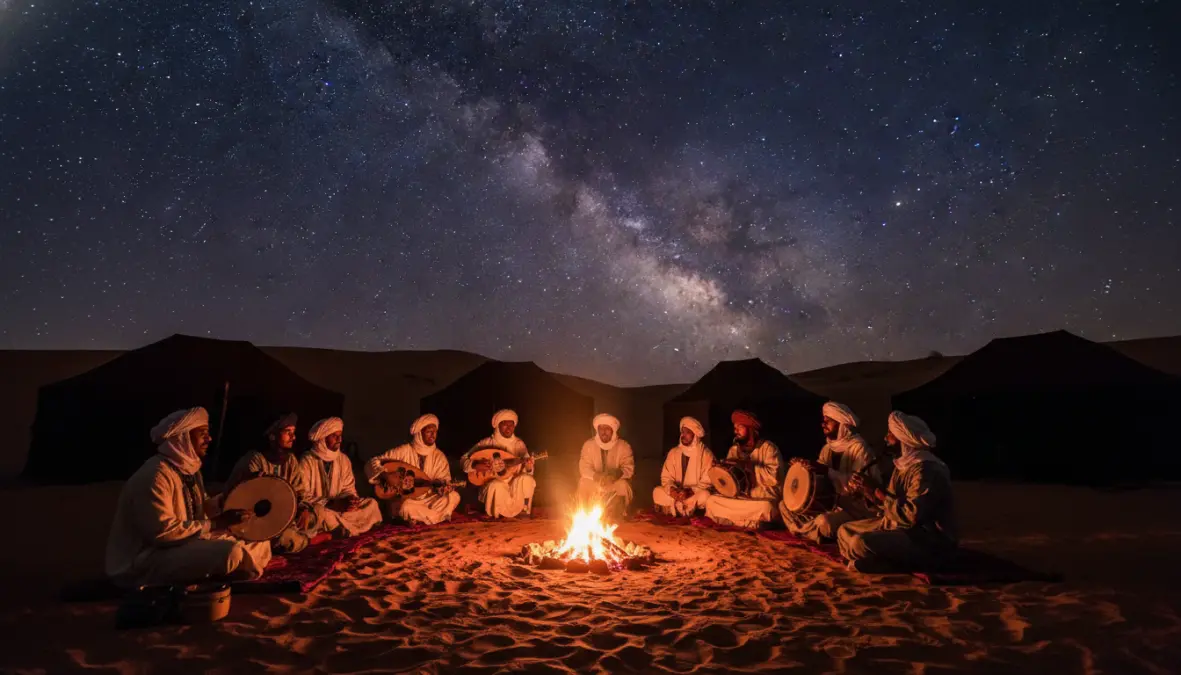
Picture yourself lying on warm sand under a blanket of stars so dense you can barely see the sky behind them, the silence of the desert broken only by crackling campfire and distant Berber melodies. Sahara desert camping offers one of the most magical travel experiences on Earth, transporting you to a world where golden dunes stretch endlessly and time seems to stand still. Whether you choose the towering peaks of Morocco’s Erg Chebbi or the remote expanses of Tunisia’s Douz region, spending a night in the world’s largest hot desert creates memories that last a lifetime.
Planning Your Sahara Desert Camping Adventure
When it comes to sahara desert camping, preparation is everything. Both morocco desert camping and tunisia sahara tours offer incredible experiences, but they differ significantly in character, accessibility, and price points. Understanding these differences helps you choose the right destination and set realistic expectations.
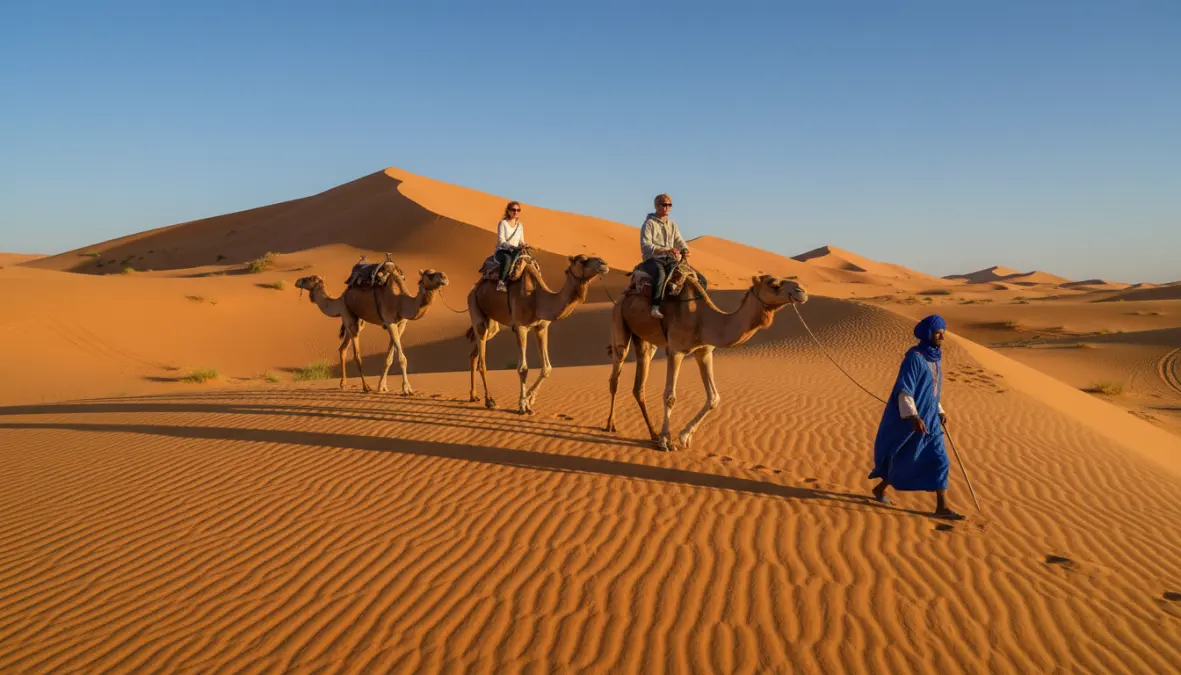
Most desert camping tours range from one to three nights, with two-night trips providing the best balance between immersion and practicality. You’ll typically travel by 4×4 vehicle to the desert’s edge, then switch to camel trekking for the final journey to your berber camp. The experience includes sunset and sunrise views over the dunes, traditional meals, campfire entertainment, and unparalleled star gazing sahara opportunities.
Budget-wise, expect to pay anywhere from €40-80 per person for basic cheap sahara desert camping tours, €100-200 for mid-range comfort, and €250-500+ for luxury desert camping tunisia or Morocco experiences with private tents, proper beds, and en-suite facilities. Most overnight desert experience options require minimal physical fitness—if you can walk on sand and ride a camel for an hour, you’re good to go. This makes it an accessible family friendly sahara camping experience suitable for most ages.
Morocco vs Tunisia: Which Desert Experience is Right for You?
Morocco’s merzouga erg chebbi region boasts the Sahara’s tallest dunes, some reaching 150 meters high. The dramatic landscape and well-established tourism infrastructure make it the more popular choice. Common departure points include Marrakech (9-10 hours), Fes (7-8 hours), and nearby Merzouga itself. Erg Chigaga offers a wilder, less touristy alternative with even more remote dunes overnight experiences.
Tunisia’s desert camps around Douz and Ksar Ghilane provide a more intimate, less commercialized atmosphere. Prices tend to run 20-30% lower than Morocco, and the desert is more accessible from coastal areas like Djerba (2-3 hours). The dunes aren’t as towering, but the authentic nomadic experience and traditional bedouin tent accommodations feel genuinely untouched by mass tourism.
If you’re seeking dramatic landscapes and don’t mind more tourist infrastructure, Morocco wins. For budget-conscious travelers wanting authenticity and easier access from beach destinations, Tunisia delivers. Many travelers exploring Morocco also visit Chefchaouen’s blue streets as part of a longer itinerary.
Best Time for Desert Camping and What to Pack
The golden rule for sahara overnight stay trips: visit between October and April. Summer temperatures can exceed 45°C (113°F), making camping unbearable and potentially dangerous. Winter months (December-February) offer pleasant daytime temperatures around 20-25°C (68-77°F) but can drop to near-freezing at night.
For sahara desert camping what to bring, pack layers. Bring lightweight, breathable clothing for daytime, warm fleece or jacket for evenings, comfortable closed-toe shoes (sand gets everywhere), sunglasses, high-SPF sunscreen, a headlamp or flashlight, and a scarf to protect from wind-blown sand. Most camps provide blankets, but bringing a sleeping bag liner adds comfort and hygiene.
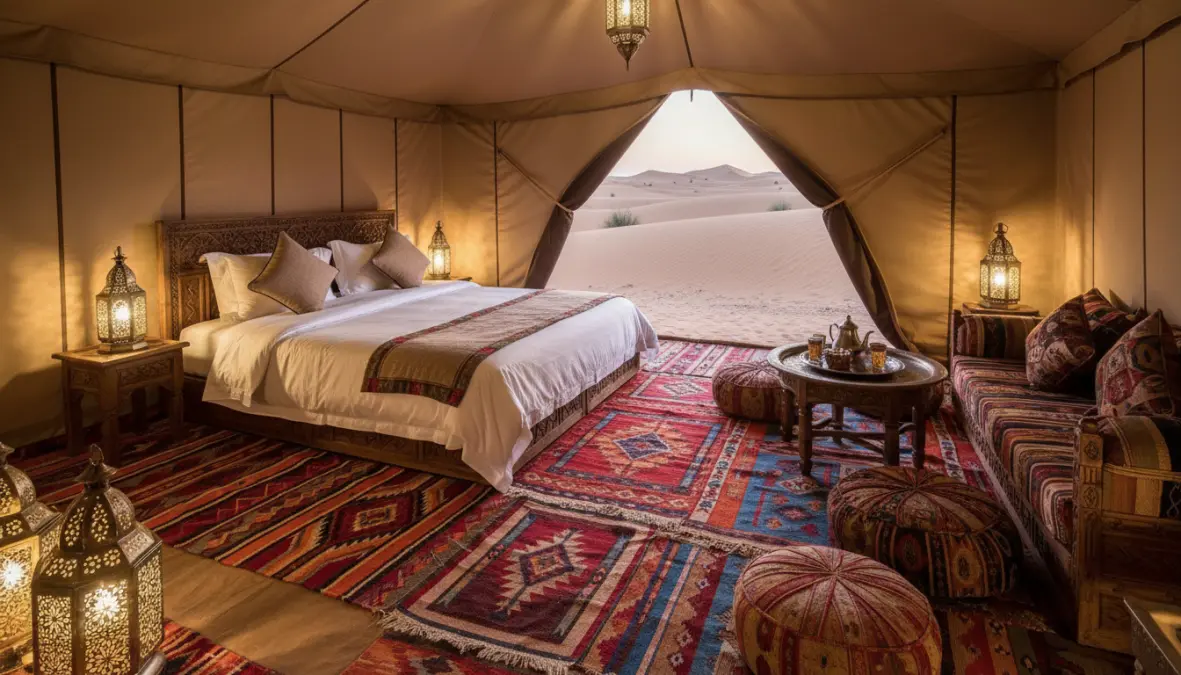
Don’t overpack—you’ll be carrying your bag on camelback. Camps typically provide meals, water, tea, and basic sleeping arrangements. Luxury options include proper beds, private bathrooms, and even hot showers, though traditional camps offer mattresses on the sand under bedouin tent canopies for that authentic desert bivouac feel.
How to Book Your Sahara Overnight Stay
Figuring out how to book overnight sahara desert tour packages doesn’t need to be complicated. You have three main options: booking through international platforms like GetYourGuide or Viator before arrival, arranging through local tour operators in gateway cities, or private sahara desert camp booking directly with camp owners.
For best sahara desert camping morocco experiences, booking locally in Marrakech, Fes, or Merzouga often yields better prices and flexibility. However, pre-booking online guarantees availability during peak season and provides customer protection. Morocco camping trips from Marrakech typically include transportation, guide, camel ride, dinner, breakfast, and accommodation, with prices ranging €60-150 for standard group tours.
When evaluating operators for your sahara camp booking, check recent reviews mentioning food quality, guide knowledge, and camp cleanliness. Verify what’s included—some budget tours charge extra for camel rides or lunch. Reputable operators offer clear cancellation policies (usually full refund 48+ hours before) and detailed itineraries.
Most tunisia sahara tours depart from Douz or Djerba, with similar pricing structures slightly lower than Morocco. The booking process mirrors Morocco’s, though fewer international platforms cover Tunisia, making local operators or direct contact more common.
What’s Included in a Typical Desert Camping Package
Understanding what you get helps avoid surprises. Budget packages (€40-80) include shared 4×4 transport, one-hour camel trek each way, basic camp with shared facilities, dinner (usually tagine or couscous), breakfast, mint tea, and campfire entertainment. You’ll sleep in shared berber camp tents on mattresses with communal blankets.
Mid-range options (€100-200) upgrade to smaller group sizes, better meals, private tents with proper beds, sometimes hot showers, and additional activities like sandboarding. Guides speak better English and provide more cultural insights into the nomadic experience.
Luxury desert camping tours (€250-500+) feature private 4×4 transport, en-suite tents with real beds and electricity, gourmet meals, professional photography opportunities, extended camel trekking options, and sometimes extras like quad biking. These rival high-end hotel experiences while maintaining desert authenticity—similar to how travelers might seek premium experiences like Budapest’s finest thermal baths.
Frequently Asked Questions About Sahara Desert Camping
Is Sahara desert camping safe? Yes, when booked through reputable operators. Morocco and Tunisia’s tourist desert areas are well-patrolled and camps have safety protocols. The biggest risks are dehydration and sun exposure, both easily managed with preparation.
How cold does it get at night? Winter nights can drop to 5°C (41°F) or lower, while shoulder season (October-November, March-April) stays around 10-15°C (50-59°F). Camps provide blankets, but bringing warm layers is essential.
Can I camp in the Sahara independently? Technically possible but strongly discouraged. Navigation is difficult, temperatures extreme, and logistics complicated. The minimal cost savings aren’t worth the safety risks.
What facilities are available at desert camps? Basic camps have shared squat toilets and no showers. Mid-range often includes basic Western toilets and sometimes cold showers. Luxury camps feature private en-suite bathrooms with hot water and proper toilets.
How do I get to the desert camps? Most tours include pickup from your accommodation in gateway cities. You’ll travel by 4×4 to the desert edge, then transfer to camels for the final 45-60 minute journey to camp.
Is the experience suitable for families with children? Absolutely. Children typically love the adventure, though very young kids (under 5) might struggle with the camel ride and heat. Many operators offer family friendly sahara camping experience packages with shorter camel treks.
What’s the difference between luxury and traditional camps? Beyond physical amenities, luxury camps offer more personalized service, better food, and enhanced activities. Traditional camps provide authentic cultural immersion with simpler comforts—both deliver magical desert experiences, just at different comfort levels.
Whether you choose Morocco’s towering dunes or Tunisia’s intimate desert expanses, a night under the Sahara’s infinite stars ranks among travel’s most transformative experiences. The silence, the stars, the warmth of Berber hospitality—these moments stay with you long after the sand has been shaken from your shoes. Start planning your sahara desert camping adventure today, and prepare for a journey that connects you to landscapes and cultures unchanged for millennia.