Vietnam North to South: Complete 3-Week Backpacking Route and Budget Breakdown

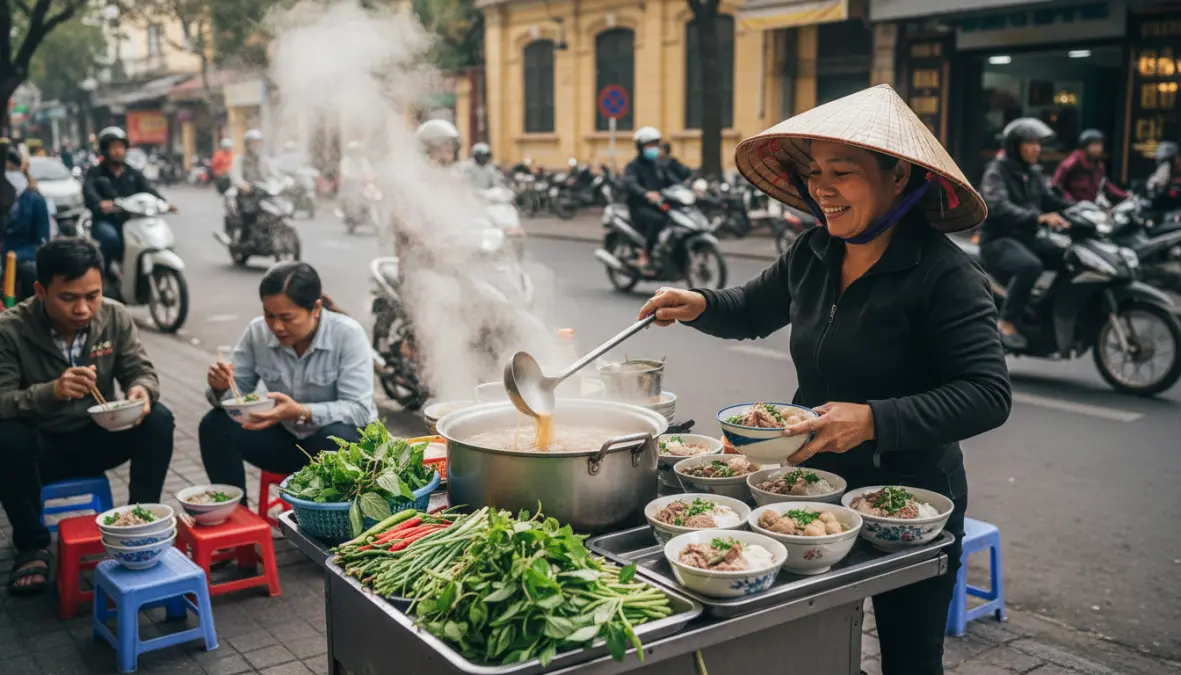
Picture this: you’re weaving through the chaotic motorbike traffic of Hanoi’s Old Quarter, slurping down a steaming bowl of pho for less than two bucks. Fast forward three weeks, and you’re floating through the emerald waters of the Mekong Delta, watching the sun set over floating markets. That’s the magic of a vietnam backpacking route from north to south—a journey that captures everything from misty mountain villages to pristine beaches, ancient towns to bustling cities. Whether you’re a seasoned backpacker or planning your first solo adventure, this vietnam backpacker guide will help you nail the perfect three-week trip without breaking the bank.
The Perfect 3-Week Vietnam Backpacking Route: North to South Overview
Three weeks is the sweet spot for backpacking vietnam 3 weeks—enough time to dig deeper than the tourist trail without feeling rushed, but compact enough to maintain that backpacker momentum. The best 3 week vietnam backpacking route follows the classic north-to-south trajectory, letting you experience Vietnam’s incredible diversity: the misty mountains and colonial charm of the north, the imperial history and beach towns of the center, and the tropical energy of the south.
Your journey kicks off in Hanoi, the chaotic capital where French colonial architecture meets communist monuments. From there, head northwest to Sapa for mountain trekking among rice terraces, then back east to catch either a Ha Long Bay cruise through limestone karsts or explore the “Halong Bay on land” at Ninh Binh. The central region brings Phong Nha’s massive caves, Hue’s imperial citadel, the lantern-lit streets of Hoi An ancient town, and the urban beaches of Da Nang. Finally, the south offers the party beaches of Nha Trang, the cool highlands of Dalat, the frenetic energy of Ho Chi Minh City, and the watery world of the Mekong Delta.
The best time for this vietnam travel route is February through April or September through November—avoiding both the scorching summer heat and the heaviest rains. Getting around is part of the adventure: sleeper bus vietnam services are incredibly efficient (and budget-friendly), taking you city-to-city while you sleep. For longer hauls like Hanoi to Hoi An, consider mixing in a domestic flight to maximize your time. Similar to planning a comprehensive route like our Scottish Highlands road trip, the key is balancing travel time with exploration days.

Week-by-Week Vietnam Backpacking Itinerary Breakdown
This vietnam backpacking itinerary breaks down the complete vietnam itinerary 3 weeks experience into manageable weekly chunks, giving you a clear framework while leaving room for spontaneity—because the best backpacking moments are often unplanned.
Week 1: Northern Vietnam (Hanoi, Sapa, Ha Long Bay, Ninh Binh)
Days 1-3: Hanoi—Start your hanoi to ho chi minh backpacking route in the capital’s Hanoi Old Quarter, where narrow streets are packed with street food vendors, buzzing motorbikes, and hidden coffee shops. Join a street food tour (around $15-20) to taste banh mi, bun cha, and egg coffee. Visit the Ho Chi Minh Mausoleum and Temple of Literature, but save energy for evening bia hoi (fresh beer) sessions with locals. Book your Sapa trek and Ha Long Bay cruise here—hostels can arrange better deals than booking online.
Days 4-5: Sapa—Take an overnight sleeper bus ($15-20) to Sapa for some of Vietnam’s best sapa trekking. Book a homestay trek ($40-60 for two days including guide, meals, and accommodation) through villages like Cat Cat and Ta Van, where ethnic minorities maintain traditional lifestyles among spectacular rice terraces. September to November offers the best trekking conditions and golden harvest views.
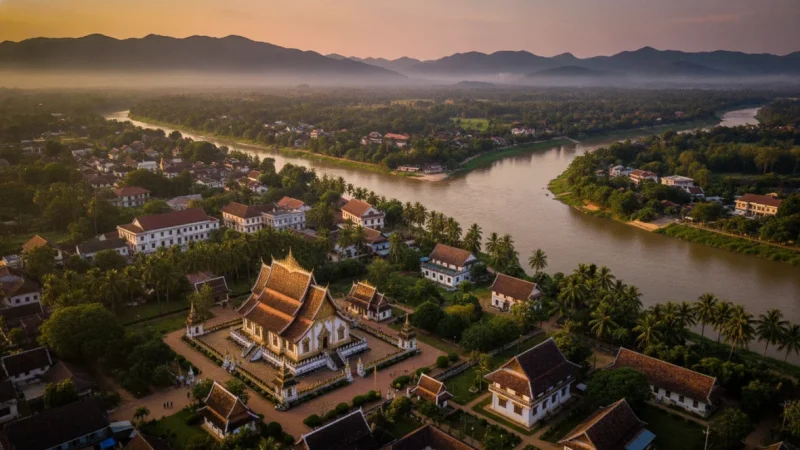
Days 6-7—Here’s where you choose your own adventure. A two-day Ha Long Bay cruise ($80-150) takes you through UNESCO-listed limestone karsts with kayaking and cave exploration. Alternatively, head to Ninh Binh for a more peaceful experience—row through Tam Coc’s water caves, hike Hang Mua for panoramic views, and explore ancient temples at Hoa Lu for a fraction of Ha Long’s cost.
Week 2: Central Vietnam (Phong Nha, Hue, Hoi An, Da Nang)
Days 8-9: Phong Nha—This sleepy town is your gateway to some of the world’s largest caves. Paradise Cave ($10 entry) features a wooden walkway through cathedral-like chambers, while Dark Cave ($25) offers zip-lining and mud baths. The vibe here is super chill—rent a motorbike ($5/day) and explore countryside roads between cave adventures.
Days 10-11: Hue—Vietnam’s former imperial capital rewards history buffs with its massive citadel complex ($8 entry) and royal tombs scattered along the Perfume River. Food lovers shouldn’t miss bun bo Hue (spicy beef noodle soup). Consider a DMZ tour ($25-40) if you’re interested in Vietnam War history, visiting sites like the Vinh Moc tunnels.
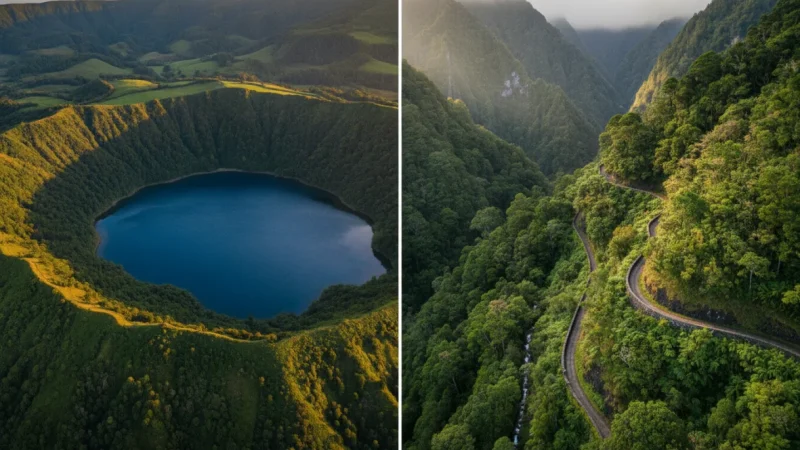
Days 12-14: Hoi An & Da Nang—Hoi An ancient town is a backpacker favorite for good reason. The UNESCO-listed old town glows with lanterns at night, tailor shops can custom-make clothes in 24 hours ($30-80), and cooking classes ($25-35) teach you Vietnamese classics. Rent a bicycle to reach An Bang Beach or take a day trip to the Marble Mountains near Da Nang beaches. If you’re traveling between Hue and Hoi An, splurge on a private car ($40 split between travelers) to experience the stunning Hai Van Pass—much better than the sleeper bus tunnel route.

Week 3: Southern Vietnam (Nha Trang, Dalat, Ho Chi Minh City, Mekong Delta)
Days 15-16: Nha Trang (optional)—This beach resort town offers party hostels, island hopping tours ($10-15), and cheap seafood. Many backpackers skip it to spend more time in Hoi An or Dalat, but if you need a beach break with nightlife, this is your spot.
Days 17-18: Dalat—Vietnam’s highland escape offers cooler temperatures, French colonial villas, and Instagram-worthy countryside. Rent a motorbike to visit Elephant Falls, endless coffee plantations, and quirky attractions like the Crazy House. The canyoning tours here ($35-50) are adrenaline-packed and highly recommended.
Days 19-20: Ho Chi Minh City—Formerly Saigon, Ho Chi Minh City pulses with entrepreneurial energy. The War Remnants Museum ($2 entry) provides sobering context to Vietnam’s recent history, while a half-day trip to the Cu Chi Tunnels ($10-15) shows the Viet Cong’s underground network. Explore Ben Thanh Market for souvenirs, but eat at local joints in Districts 1 and 3 for the best street food.
Day 21: Mekong Delta—End your complete vietnam backpacking route 21 days floating through the Mekong Delta’s labyrinth of waterways. Day tours ($20-30) visit floating markets, fruit orchards, and traditional workshops, though overnight tours ($35-50) offer a more authentic experience staying with locals. Just like exploring the waterways differs from our Algarve Coast guide, the Mekong rewards slower exploration.
Complete Budget Breakdown for 3 Weeks Backpacking Vietnam
Let’s talk numbers—how much does backpacking vietnam cost realistically? Vietnam remains one of Southeast Asia’s best vietnam budget travel destinations, where your money stretches impressively far if you travel smart. Here’s the complete vietnam 3 week itinerary budget breakdown based on real backpacker experiences.
Accommodation: Dorm beds in hostels run $5-10 per night in most cities (slightly higher in Hanoi and Ho Chi Minh). Private rooms in budget guesthouses cost $15-25. Over three weeks, expect $105-210 for dorms or $315-525 for private rooms. Pro tip: many hostels include breakfast, saving you a few bucks daily.
Food: This is where Vietnam shines. Street food meals (pho, banh mi, com tam) cost $1-3, while sit-down restaurant meals run $5-10. Budget $10-15 daily for food if you eat mostly street food, or $15-25 if mixing in restaurants. That’s $210-525 for three weeks. Coffee culture is huge—ca phe sua da (iced coffee with condensed milk) costs under $1 at local shops.
Transportation: Sleeper buses between major cities average $15-30 per trip. You’ll take roughly 6-8 long-distance buses, totaling $120-240. Add $50-100 for local transport (taxis, Grab rides, motorbike rentals), bringing transport to $170-340. A domestic flight (like Da Nang to Ho Chi Minh) costs $30-60 and saves 16+ hours—worth considering.
Activities & Tours: Ha Long Bay cruise ($80-150), Sapa trek with homestay ($40-60), cooking class in Hoi An ($25-35), Phong Nha caves ($35-50 total), Cu Chi Tunnels ($10-15), Mekong Delta tour ($20-30), and various entrance fees add up to approximately $300-500. Similar to budgeting for adventures like our Kilimanjaro hiking guide, activities are where costs vary most based on preferences.
Extras: Vietnam visa on arrival costs $25-50 depending on nationality (e-visa available). A local SIM card with 3-4GB data runs $10-15 for the month. Travel insurance is essential—budget $50-80 for three weeks.
Total estimated cost: Budget backpackers can manage on $800-1,200 total (around $40-60 per day), while mid-range travelers spending on occasional private rooms, nicer restaurants, and more tours should budget $1,200-1,800. For comparison on budget travel approaches, check out our Cape Town budget guide.
Money-saving tips: Eat where locals eat—if there are plastic stools and no English menu, the food is probably amazing and cheap. Book overnight buses to save on accommodation costs. Download Grab for transparent ride pricing. Learn basic Vietnamese numbers to negotiate better at markets. Travel during shoulder season (March-April, September-October) for better accommodation deals.
Vietnam’s vietnam north to south itinerary budget proves that incredible travel experiences don’t require a massive budget. From the rice terraces of Sapa to the lantern-lit streets of Hoi An, from the chaos of Hanoi to the floating markets of the Mekong, this three-week journey offers the kind of transformative travel that stays with you long after you’ve returned home. Pack light, stay flexible, and embrace the beautiful chaos—Vietnam is waiting to blow your mind without emptying your wallet.