White Desert Egypt: Complete Western Desert and Oasis Adventure Guide
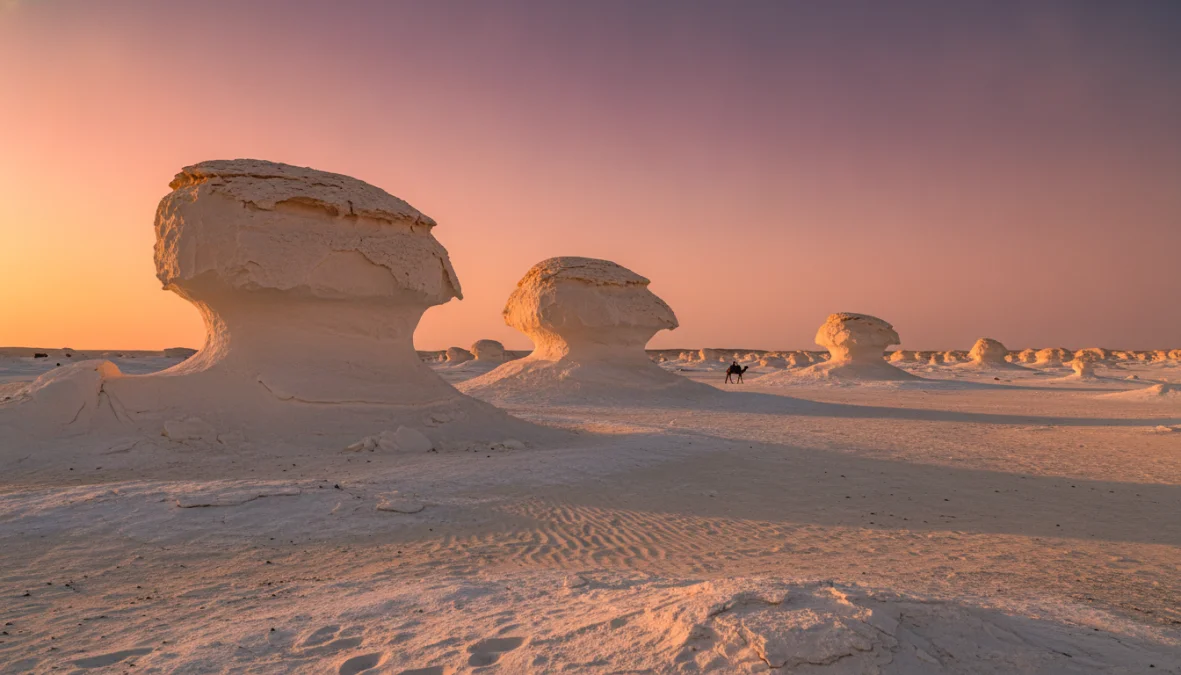
Imagine stepping onto another planet without leaving Earth. The White Desert Egypt, located in the heart of the Western Desert, offers exactly that—a surreal landscape of chalk-white rock formations sculpted by millennia of wind and sand. This otherworldly destination, about four hours from Cairo, has become one of Egypt’s most captivating natural wonders, drawing adventurers who crave something beyond pyramids and temples. Whether you’re camping under a blanket of stars or exploring mushroom-shaped rocks that seem plucked from a fantasy novel, the White Desert promises an unforgettable journey into one of nature’s most bizarre creations.
What Makes the White Desert Egypt So Unique
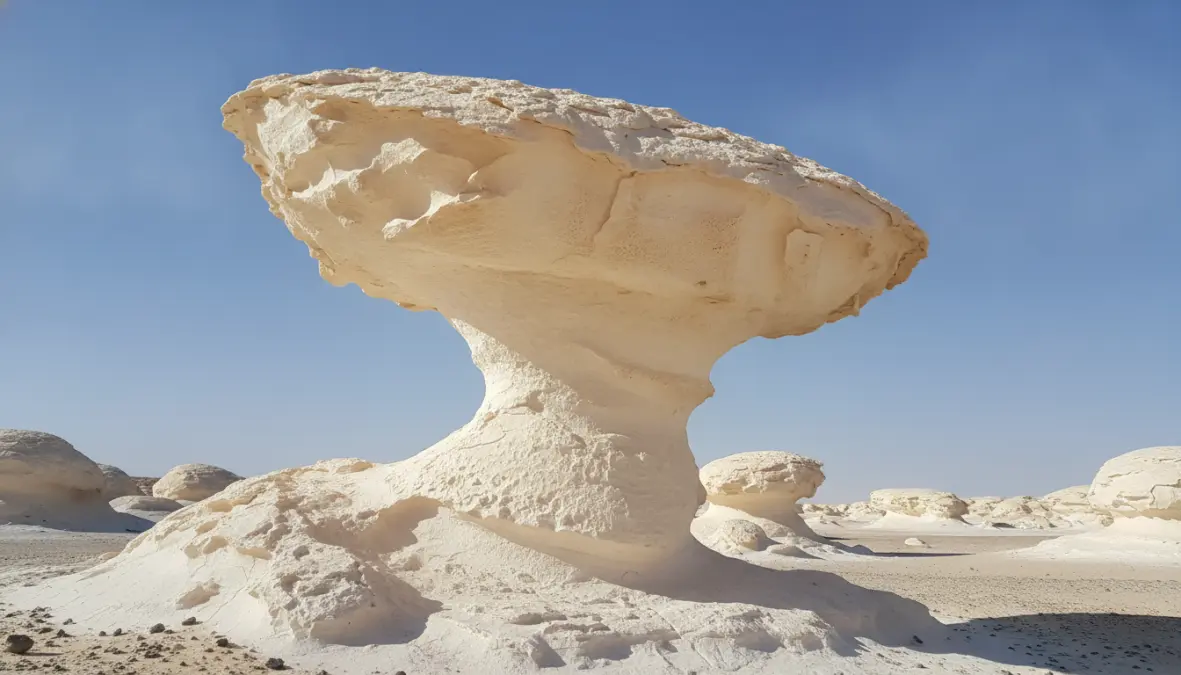
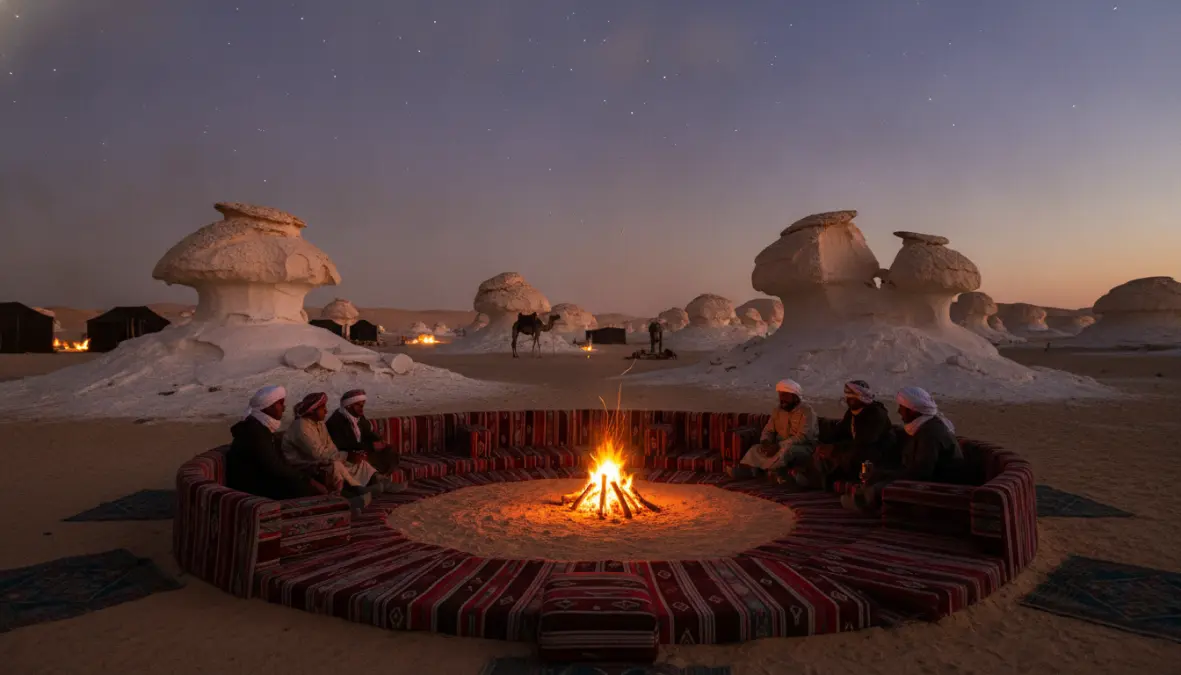
The white desert egypt stands apart from every other desert on the planet thanks to its distinctive chalk-white limestone formations. These sculptural masterpieces weren’t created overnight—they’re the result of ancient seabeds that gradually emerged and eroded over millions of years. Wind and sand have chiseled the soft limestone into shapes that defy imagination: giant mushrooms, towering spires, and abstract forms that shift appearance depending on the angle of sunlight.
The stark contrast between the White Desert and its neighbor, the Black Desert, creates a visual drama you won’t find elsewhere in the western desert. While the Black Desert features volcanic-rock-covered dunes that absorb light, the White Desert reflects it brilliantly, especially during sunrise and sunset when the formations glow pink, orange, and gold. The famous Mushroom Rock has become the unofficial mascot of the area—a precariously balanced formation that photographers flock to capture.
Along the route, you’ll encounter Crystal Mountain, where quartz crystals sparkle in the desert sun, adding another geological wonder to your adventure. This moon-like landscape feels so alien that it’s no surprise film crews have used it as a stand-in for extraterrestrial planets. The silence, vastness, and pure white expanse create a meditative atmosphere that’s impossible to replicate anywhere else.
Planning Your White Desert Safari: Tours, Costs, and Best Times to Visit
Tour Options and What to Expect
Most travelers choose between three main tour types when visiting the white desert egypt. Day trips from Cairo are possible but exhausting—you’ll spend eight hours driving for just a few hours in the actual desert. The sweet spot for most visitors is an overnight desert safari, which allows you to experience the magical sunset, stargazing, and sunrise over the white formations. Multi-day expeditions (2-3 nights) let you explore deeper into the western desert, visiting multiple oases and remote formations.
Tours typically depart from either Cairo or Bahariya Oasis, the main gateway town. A standard overnight safari includes 4×4 transportation, a Bedouin guide, meals cooked over open fires, and camping equipment. You’ll visit the Black Desert, Crystal Mountain, and various White Desert formations before settling into camp. The camping experience itself is remarkably comfortable—most operators provide mattresses, blankets, and proper tents, though some adventurous souls sleep directly under the stars. Similar to Sahara desert camping experiences, the evening campfire and traditional Bedouin hospitality are highlights.
Costs, Seasons, and Essential Packing Tips
Expect to pay $80-150 per person for a standard overnight tour from Bahariya, or $120-200 if departing from Cairo (which includes the longer transfer). Multi-day tours range from $200-400 depending on group size and inclusions. Prices drop significantly for larger groups, so consider joining forces with other travelers.
The best months for visiting are October through April when daytime temperatures hover around 20-25°C (68-77°F). Summer months (May-September) are brutally hot, with temperatures exceeding 40°C (104°F). Winter nights can drop near freezing, so layering is essential. Pack long sleeves and pants for sun protection, a warm jacket for evenings, sturdy closed-toe shoes, sunscreen, sunglasses, and plenty of camera batteries—you’ll drain them quickly in this photographer’s paradise.
While individual permits aren’t required for tourists on organized tours, the area is a protected national park, and independent camping requires special authorization. Going with a licensed operator simplifies everything and ensures you don’t accidentally damage the fragile formations.
Exploring the Western Desert: Oases and Beyond the White Desert
Bahariya Oasis serves as the jumping-off point for most White Desert adventures, but it’s worth exploring in its own right. This lush depression, surrounded by desert, has been inhabited for millennia and features hot springs, palm groves, and mud-brick villages that feel frozen in time. The nearby hot springs at Bir Sigam provide a welcome soak after a dusty desert safari.
Further west lies the legendary Siwa Oasis, one of Egypt’s most isolated communities. Famous for its Oracle Temple (which Alexander the Great visited), salt lakes, and unique Berber culture, Siwa offers a completely different experience from Bahariya. While it’s too far for a quick addition to a White Desert trip, travelers with extra time can combine both destinations in a week-long western desert odyssey.
Farafra Oasis, smaller and more tranquil than Bahariya, sits closer to the White Desert’s core formations. Some tours use it as an alternative base. The Black Desert, with its iron pyrite-covered dunes and volcanic hills, creates a striking prelude to the white formations. Many tours stop here first, allowing you to climb a black volcanic cone for panoramic views.
The Western Desert’s oases have served as vital stops along ancient caravan routes for thousands of years. These green havens sustained traders moving between the Nile Valley and distant lands. Today, they maintain their agricultural traditions—date palms, olives, and vegetables flourish thanks to underground water sources. Hot springs dot the region, offering relaxation after bumpy desert drives. If you’re extending your Egyptian adventure, consider pairing your desert experience with Red Sea diving for the ultimate contrast between land and sea.
FAQ
Is the White Desert safe to visit?
Yes, the White Desert is very safe for tourists. Going with a reputable tour operator ensures you have experienced guides, proper vehicles, and communication equipment. The area is far from any conflict zones and sees regular tourist traffic.
How far is the White Desert from Cairo?
The White Desert is approximately 500 kilometers (310 miles) from Cairo, roughly a 5-6 hour drive to Bahariya Oasis, then another hour into the desert formations. Most tours handle all transportation.
Can you visit without a tour?
Technically possible with a 4×4 rental and permits, but strongly discouraged. The featureless terrain makes navigation extremely difficult without GPS experience, mobile coverage is nonexistent, and getting stuck could be life-threatening. Tours are affordable and eliminate all risks.
What’s the difference between White and Black Desert?
The Black Desert features volcanic rocks and dark dunes from iron deposits, while the White Desert showcases chalk-white limestone formations. They’re located near each other and usually visited on the same trip for maximum contrast.
Do you need special permits?
Individual tourists don’t need permits when traveling with licensed tour operators, who handle all permissions. Independent travelers camping in the national park require advance permits from Egyptian authorities.
Is it suitable for families or solo travelers?
Both! Families with children aged 6+ typically enjoy overnight safaris, though very young kids might find the long drive challenging. Solo travelers easily join group tours, making it budget-friendly and social. The experience rivals other desert adventures like Jordan’s Wadi Rum for sheer natural beauty.
The White Desert Egypt offers something genuinely rare in our over-toured world: a landscape so unique it stops you in your tracks. Whether you’re a photographer chasing perfect light, an adventurer seeking solitude, or simply someone who wants to sleep under more stars than you knew existed, this corner of the Western Desert delivers. Pack your sense of wonder along with your sunscreen—you’re going to need both.