Lake Malawi Guide: Complete Beach and Snorkeling Experience in Africa’s Calendar Lake
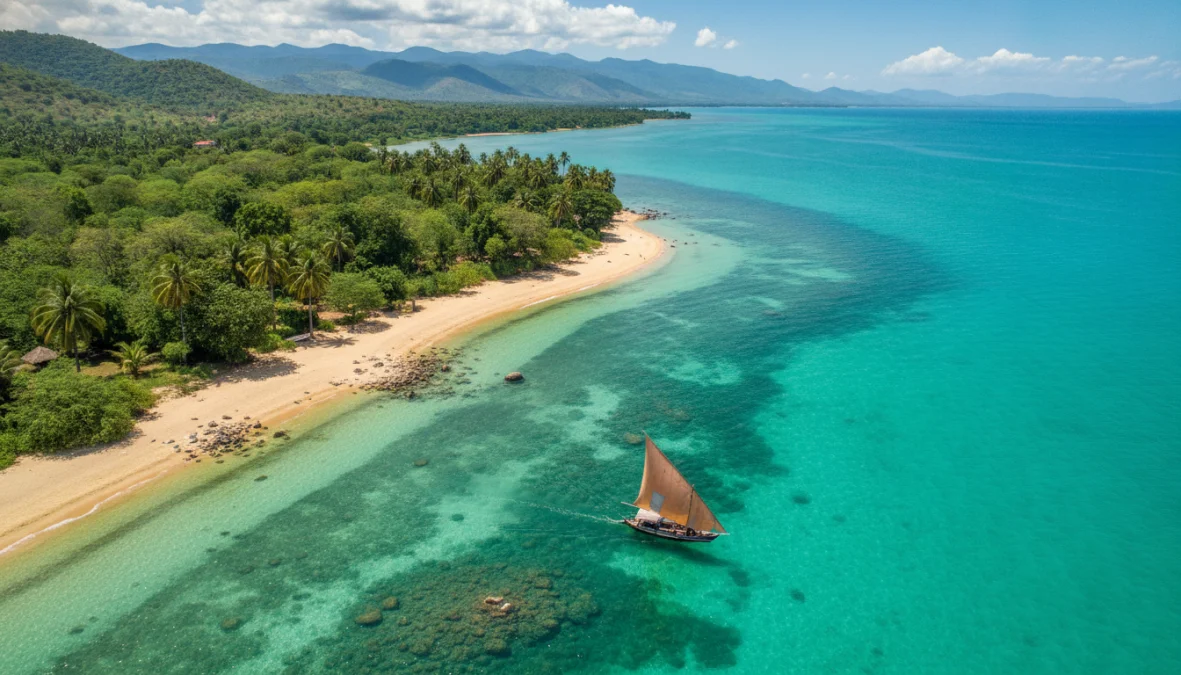
Picture this: crystal-clear freshwater stretching as far as the eye can see, colorful tropical fish darting between underwater rocks, and sandy beaches that rival any ocean coastline. Welcome to Lake Malawi, Africa’s best-kept secret for beach lovers and snorkeling enthusiasts. This massive freshwater lake offers something truly extraordinary—a beach vacation without saltwater, combined with some of the most unique aquatic life on the planet. Whether you’re looking to relax on pristine shores or explore underwater worlds teeming with vibrant fish species found nowhere else on Earth, this lake malawi guide will help you plan the ultimate freshwater adventure.
Why Lake Malawi Is Africa’s Most Unique Beach Destination
Lake Malawi holds a special place among the world’s great lakes. As the third-largest lake in Africa and the ninth-largest in the world, it stretches an impressive 365 miles long and 52 miles wide—earning it the nickname Africa’s calendar lake (one mile for each day of the year, or so the story goes). But size isn’t what makes this lake truly remarkable.
What sets Lake Malawi apart is its extraordinary biodiversity. The lake harbors over 1,000 species of cichlid fish, more endemic fish species than any other lake on the planet. These brilliantly colored freshwater fish have evolved in isolation, creating a living laboratory of evolution that fascinates scientists and delights snorkelers. The UNESCO World Heritage designation of Lake Malawi National Park recognizes this unique ecological importance.
Unlike traditional beach destinations that require flying to coastal regions, Lake Malawi offers a surprisingly accessible alternative. The subtropical climate means warm water year-round (averaging 24-28°C), calm conditions without ocean waves or tides, and visibility that can reach 20 meters on good days. For travelers seeking something different from the typical African safari or Indian Ocean beach resort, this freshwater paradise delivers an experience that’s both exotic and comfortable.
The lake has been central to local culture for centuries, with fishing communities dotting its shores and the Malawian way of life deeply connected to these waters. Today’s visitors can experience this living culture while enjoying world-class natural beauty.
Best Beaches and Snorkeling Spots on Lake Malawi
Any comprehensive lake malawi guide must highlight the spectacular diversity of beaches and snorkeling locations along the shoreline. Each spot offers its own character and underwater treasures.
Cape Maclear stands out as the most popular destination for good reason. Located within Lake Malawi National Park, this peninsula offers exceptional water clarity and easy access to rocky underwater landscapes teeming with cichlids. The beach itself features golden sand and shallow entry points perfect for families. Multiple dive centers and equipment rental shops make it easy to get started. The rocky points around Otter Point and Thumbi Island offer the best snorkeling, with colorful mbuna cichlids visible in just 1-2 meters of water.
Nkhata Bay provides a more rugged, backpacker-friendly atmosphere with excellent snorkeling directly from the main beaches. The rocky shoreline creates ideal habitats for fish, and you can swim out from Chikale Beach to encounter schools of cichlids within minutes. The bay’s protected waters remain calm even when winds pick up elsewhere on the lake.
Likoma Island offers remote beauty and some of the lake’s most pristine beaches. This Malawian island, paradoxically located within Mozambican waters, features white sand beaches and crystal-clear snorkeling spots with minimal development. The journey here requires more effort but rewards with uncrowded shores and exceptional underwater visibility.
Chintheche caters to those seeking tranquility, with long stretches of sandy beach and fewer crowds than Cape Maclear. The snorkeling here focuses more on sandy bottom habitats where you’ll spot different cichlid varieties than in rocky areas.
Senga Bay, located close to Lilongwe, serves as an accessible weekend getaway with decent beaches and family-friendly facilities, though snorkeling doesn’t quite match the southern locations.
Marine Life and Underwater Visibility
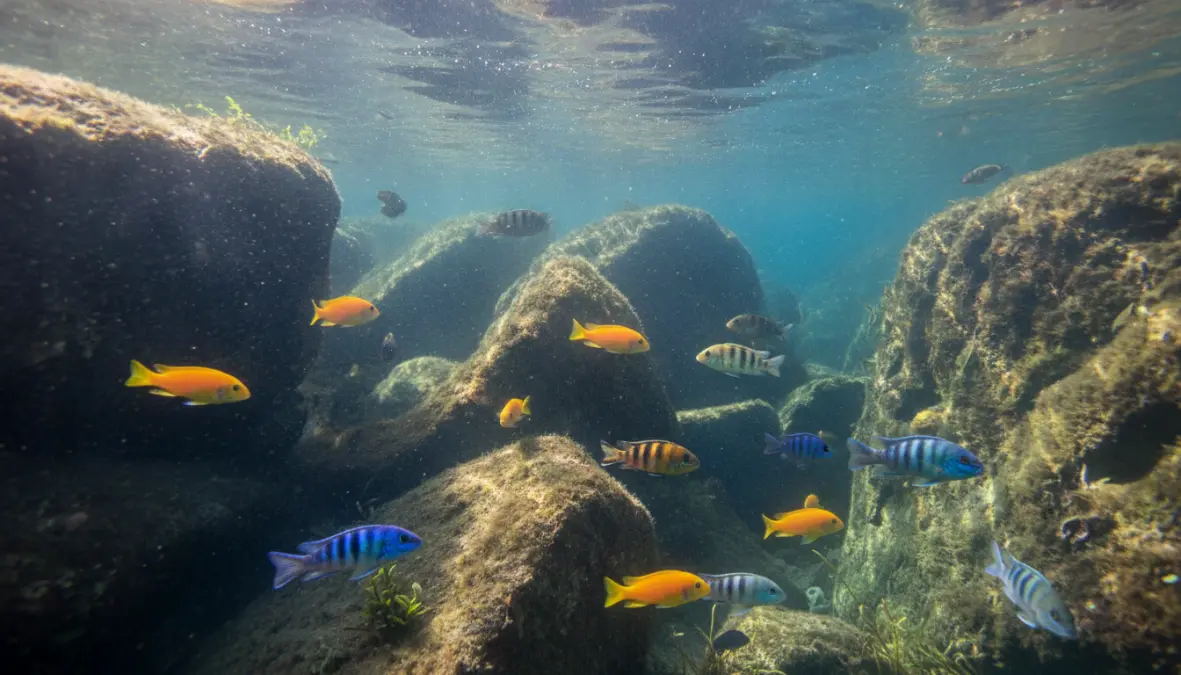
The underwater world of Lake Malawi rivals ocean reefs for color and diversity. The famous mbuna cichlids—rock-dwelling species—display electric blues, yellows, oranges, and striped patterns that seem almost artificial in their vibrancy. Unlike ocean fish that often flee from snorkelers, these cichlids show little fear, allowing close observation of their behavior.
Visibility varies by season and location. The dry season (May through October) offers the clearest water, sometimes exceeding 15-20 meters of visibility. During the rainy season, runoff can reduce clarity near river mouths, though many areas remain clear. Rocky zones generally provide better visibility than sandy areas.
Snorkeling depths of 1-5 meters reveal most of the action. The fish concentrate around rock formations where they feed on algae and defend territories. Sandy areas harbor different species, including the fascinating sand-dwelling cichlids that create crater nests. Water safety is generally excellent—no dangerous currents, sharks, or jellyfish to worry about, though basic swimming ability is essential.
Practical Tips for Beach Hopping
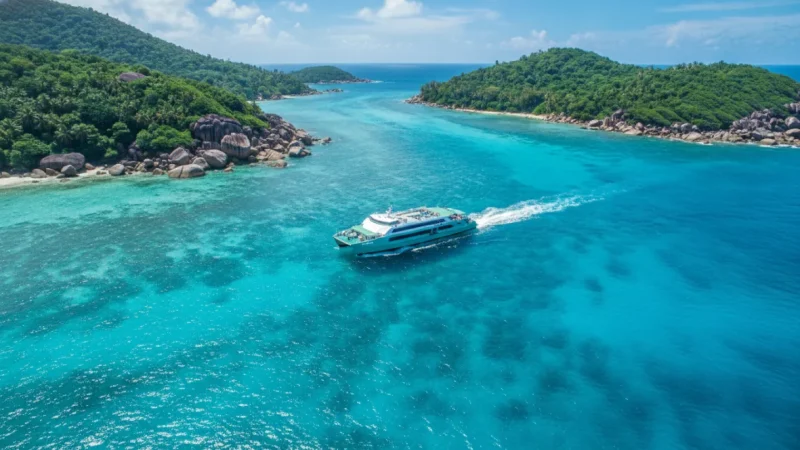
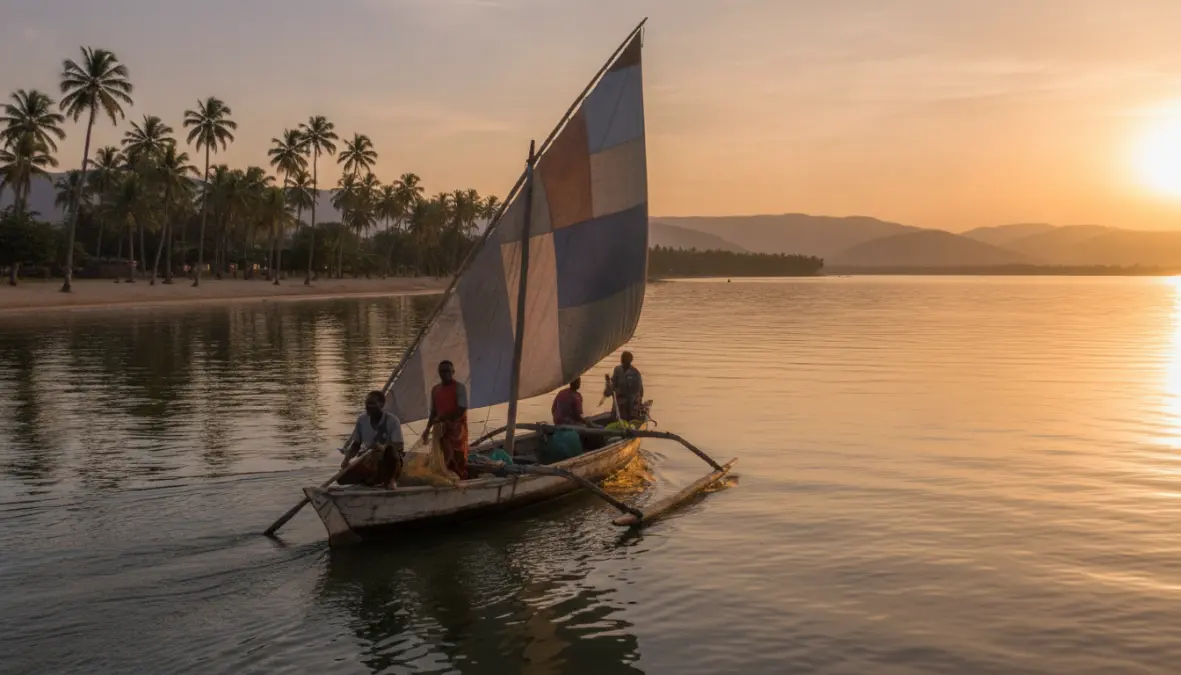
Moving between beaches adds adventure to your lake malawi guide itinerary. Traditional dhow boats offer scenic transport along the coast, with captains willing to arrange day trips or point-to-point transfers for $10-30 depending on distance. Water taxis provide faster service in popular areas like Nkhata Bay.
Land transport between major beach towns uses minibuses and occasional 4×4 vehicles, with roads varying from paved to rough dirt. Cape Maclear requires a side trip off the main lakeshore road, while Nkhata Bay sits directly on the main north-south route.
Lake Malawi National Park charges entry fees (around $10 for international visitors), which include snorkeling access. Equipment rental costs $5-10 daily at most beaches, though serious snorkelers should consider bringing their own gear for better fit and quality. Many lodges offer free equipment to guests. Cape Maclear and Nkhata Bay make excellent base camps for exploring surrounding beaches while maintaining access to services and accommodation options. Similar to how travelers might plan their route along Portugal’s Algarve Coast, beach hopping here rewards those who venture beyond the first stop.
Planning Your Lake Malawi Visit: When to Go and Where to Stay
Timing your visit makes a significant difference in your experience. The dry season from May through October delivers the best conditions: clear skies, comfortable temperatures (20-28°C), calm waters, and excellent visibility for snorkeling. July and August bring slightly cooler weather, perfect for those who find tropical heat overwhelming. September and October warm up before the rains arrive in November.
The rainy season (November through April) isn’t necessarily off-limits. Rains typically come in afternoon bursts rather than all-day downpours, and you’ll find lower accommodation prices and fewer tourists. However, some lodges close during this period, and water clarity can diminish near river mouths.
Most international visitors fly into Lilongwe’s Kamuzu International Airport, then travel 3-5 hours by road to reach lakeshore destinations. Blantyre offers an alternative gateway for southern lake access. Malawian visas are available on arrival for most nationalities (around $75 for single entry).
Accommodation spans the full spectrum. Budget backpackers can find dorm beds for $5-10 at places like Mayoka Village in Nkhata Bay or Danforth Yachting in Cape Maclear. Mid-range lodges ($50-100/night) offer private chalets with lake views and included meals. Luxury resorts like Pumulani and Kaya Mawa provide all-inclusive experiences with gourmet dining and guided activities ($300+/night).
Plan to spend at least 4-5 days at the lake to truly relax and explore multiple beaches. A week allows for serious beach hopping or combining lake time with nearby Liwonde National Park for wildlife viewing. Pack reef-safe sunscreen (essential in intense equatorial sun), lightweight clothing, a quality packing system for beach gear, and any specialized snorkeling equipment you prefer.
Be aware of bilharzia (schistosomiasis) risk in some shallow, vegetated areas near river mouths. Stick to recommended swimming and snorkeling zones at established beaches, where sandy or rocky bottoms and deeper water minimize risk. Many visitors spend weeks here without issues by following local guidance.
Budget approximately $30-50 daily for mid-range travel including accommodation, meals, and activities—making Lake Malawi remarkably affordable compared to ocean beach destinations. Combine your lake visit with Malawi’s national parks or extend your African adventure to places like Cape Town for a diverse continent-spanning journey.
Lake Malawi offers something genuinely different: a beach paradise where freshwater replaces salt, where fish evolved nowhere else swim fearlessly around you, and where the pace of life slows to match the gentle lapping of waves on golden sand. Whether you’re an avid snorkeler, beach lover, or simply someone seeking an off-the-beaten-path African experience, this calendar lake delivers moments you’ll treasure long after returning home. Start planning your freshwater adventure—Africa’s most unique beach destination awaits.