Cork to Galway: Your Complete Wild Atlantic Way Itinerary
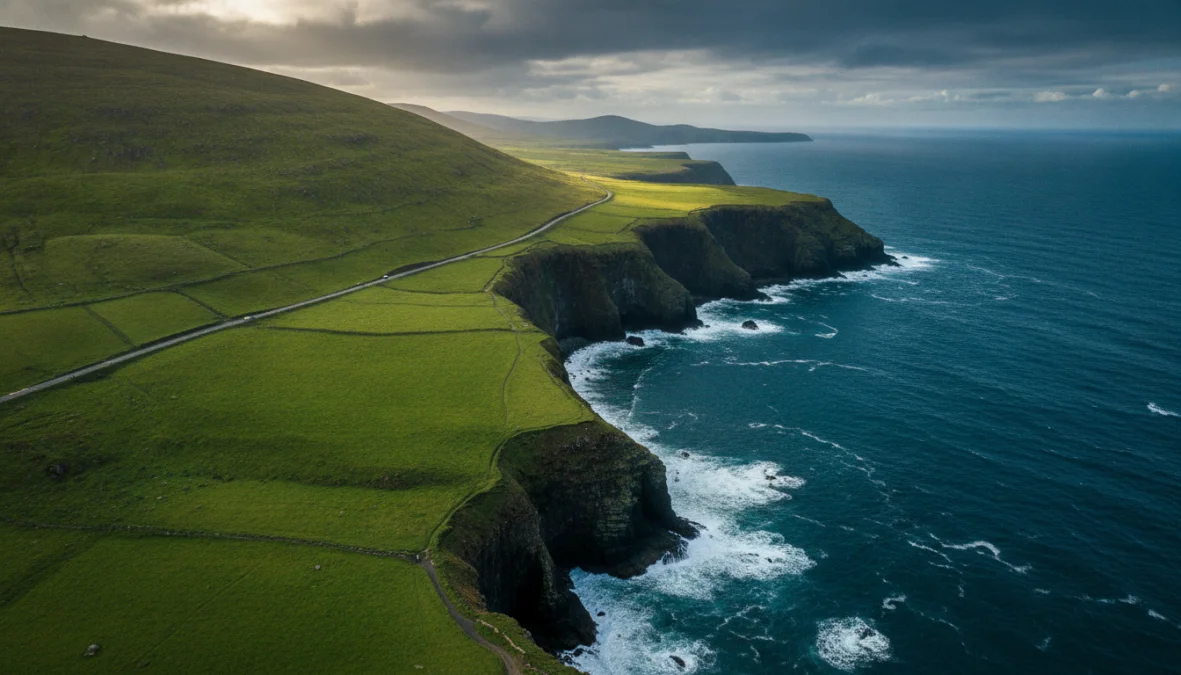
Picture this: winding coastal roads hugging dramatic cliffs, waves crashing against ancient rocks, and charming villages painted in every color of the rainbow. The Wild Atlantic Way itinerary from Cork to Galway delivers Ireland’s rugged west coast in all its untamed glory. This isn’t just a drive—it’s an adventure through some of Europe’s most spectacular coastal scenery, where every bend reveals another postcard-perfect view of the Atlantic Ocean.
While the direct route between these two cities takes just three hours, rushing would be criminal. This wild atlantic way road trip deserves your time, your attention, and plenty of stops to soak in the magic. Whether you’re chasing cliffs, traditional Irish villages, or the freshest seafood you’ve ever tasted, this cork to galway drive has it all.
Planning Your Wild Atlantic Way Road Trip from Cork to Galway
The wild atlantic way itinerary from Cork to Galway covers roughly 260 kilometers as the crow flies, but trust me—you’ll be driving much more once you factor in the scenic detours. And you absolutely should factor them in. The Ring of Kerry, Dingle Peninsula, and coastal loops add serious mileage, but they’re what make this journey legendary.
So, how many days cork to galway wild atlantic way should you plan? The absolute minimum is 2-3 days if you’re selective about stops, but 4-5 days lets you truly experience the wild atlantic way route without feeling rushed. A wild atlantic way itinerary 7 days would be ideal if you want to explore every nook and cranny, including full loops of Kerry and Dingle.
The best time to tackle this ireland west coast itinerary is May through September, when days are longest and weather (relatively) kindest. That said, Ireland’s weather is famously unpredictable—pack layers, waterproofs, and sunscreen all at once. A comfortable car with good handling is essential for narrow coastal roads, and budget around €100-150 per day covering accommodation, fuel, food, and attraction fees.
Remember, this Cork-to-Galway section is just one segment of the complete 2,500-kilometer Wild Atlantic Way that stretches from Kinsale to Donegal. If you’ve conquered other epic drives like the Scottish Highlands Road Trip or the Iceland Ring Road, you’ll appreciate Ireland’s unique blend of dramatic landscapes and warm hospitality.
Essential Stops Along the Cork to Galway Wild Atlantic Way Route
The beauty of the wild atlantic way stops is their incredible variety. From sandy beaches to towering cliffs, ancient stone circles to vibrant fishing villages, this atlantic coast drive ireland packs in more diversity than seems possible. Here are the best stops between cork and galway, organized geographically as you head north.
County Cork Highlights
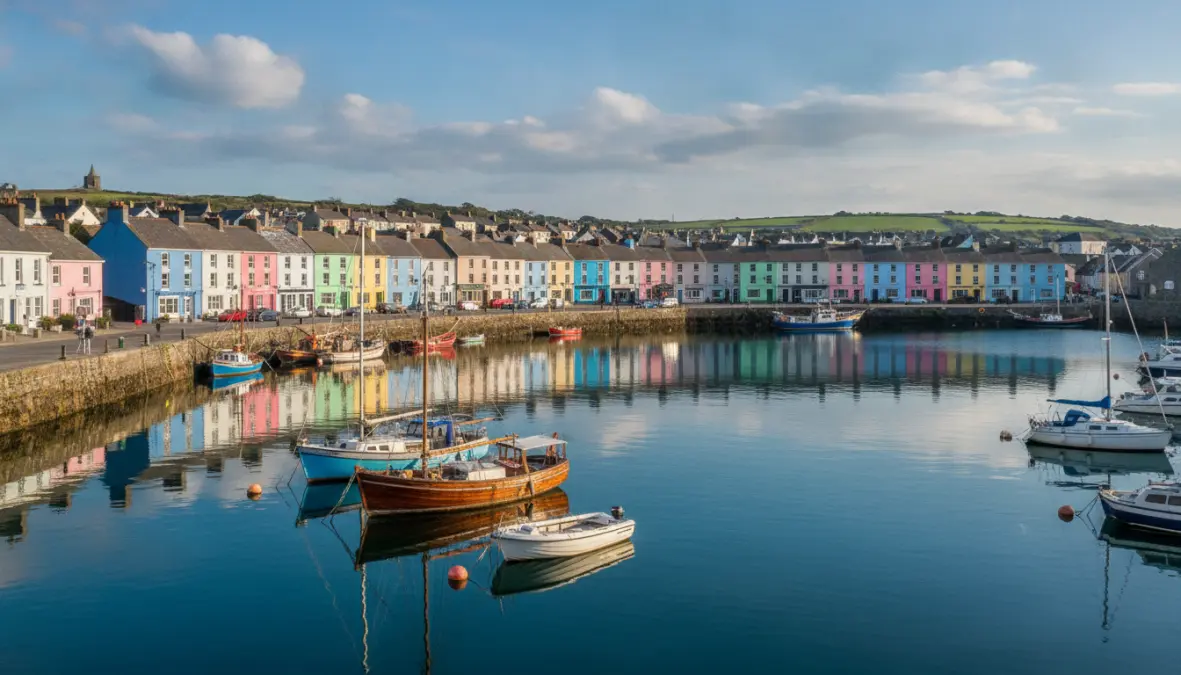
Start your journey in Kinsale, a picture-perfect harbor town known as Ireland’s gourmet capital. Its colorful buildings and winding streets make for excellent wandering, and the seafood restaurants ireland offers here are phenomenal—book ahead at Fishy Fishy or Bastion. Just outside town, the Old Head of Kinsale provides dramatic clifftop walks with lighthouse views.
Continue west to Clonakilty, another charming town with excellent pubs and the nearby Inchydoney Beach for coastal strolls. History buffs shouldn’t miss the Drombeg Stone Circle, a 3,000-year-old monument that’s mystically beautiful. The real showstopper in Cork is Mizen Head, Ireland’s most southwesterly point, where a suspension bridge leads to a lighthouse perched on dramatic cliffs. The visitor center here is excellent, and the atlantic ocean views are absolutely worth the drive down the peninsula. Allow 2-3 hours for Mizen Head alone.
County Kerry Coastal Gems
Kerry is where the coastal driving routes get truly spectacular. Base yourself in Kenmare, a perfect jumping-off point for exploring both the Beara Peninsula and Ring of Kerry. The Skellig Ring offers a quieter alternative to the main Ring of Kerry circuit, with equally stunning views and far fewer tour buses.
For the Ring of Kerry itself, you don’t need to complete the entire 179-kilometer loop—hit the highlights like Ladies View and Moll’s Gap for those iconic Kerry mountain and lake vistas. The Dingle Peninsula is non-negotiable, though. The Slea Head Drive delivers some of Ireland’s most breathtaking coastal scenery, with the Blasket Islands visible offshore and beehive huts dotting the landscape. Dingle town itself is a gem—colorful, musical, and home to Fungie the dolphin (though he’s sadly not been spotted recently). Don’t miss Inch Beach’s vast sandy expanse, perfect for windswept walks.
These areas represent the heart of the irish scenic drives experience, where every turn brings mountain, ocean, or village charm. Similar to how the Canadian Rockies Road Trip showcases mountain majesty, Kerry delivers coastal grandeur at every opportunity.
County Clare Must-See Attractions
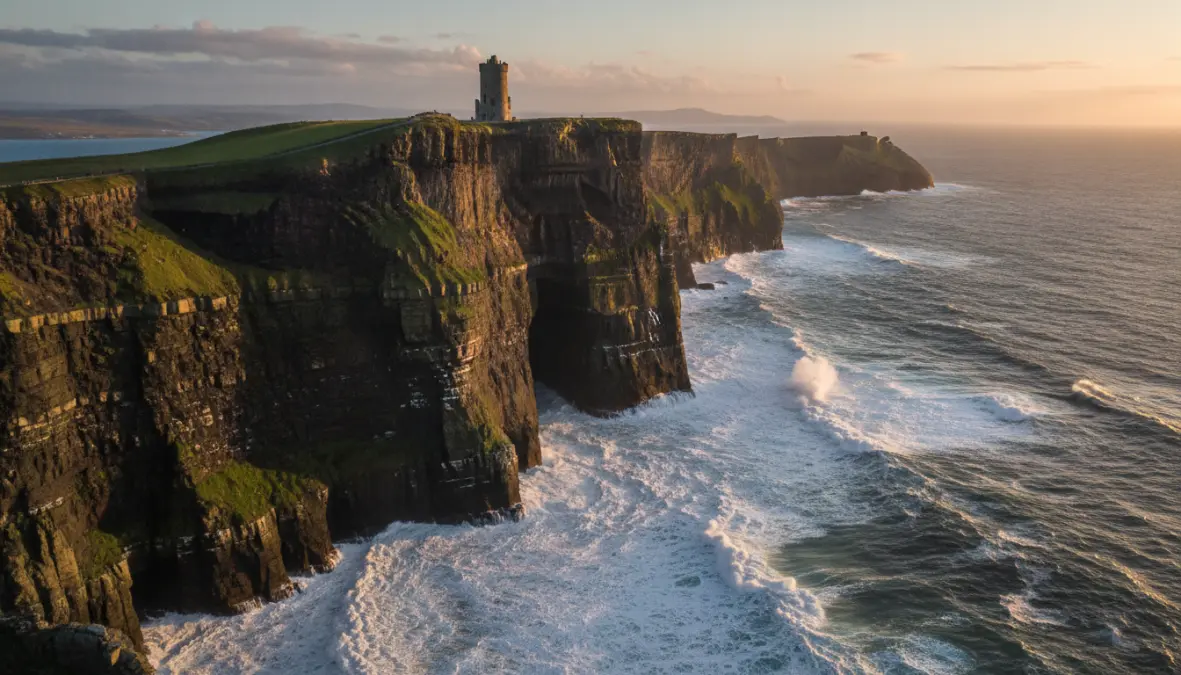
As you approach Galway, County Clare delivers the grand finale. The Cliffs of Moher are Ireland’s most visited natural attraction for good reason—these 214-meter cliffs stretching 8 kilometers along the coast are genuinely awe-inspiring. Visit early morning or late afternoon to avoid peak crowds, and walk beyond the main viewing area for quieter perspectives. The driving time cork to galway coastal route makes this a perfect penultimate stop.
Just north, The Burren presents an entirely different landscape—a lunar-like limestone plateau that’s hauntingly beautiful and botanically unique. The village of Doolin is Ireland’s traditional music capital, where you’ll find authentic sessions in pubs like Gus O’Connor’s and McGann’s nearly every night. Lahinch, a surfing town with a beautiful beach, makes a great lunch stop before the final push to Galway.
Practical Tips for Your Atlantic Coast Drive
Let’s talk logistics for your wild atlantic way road trip. First, driving on the left takes adjustment—give yourself extra time initially, and remember that many coastal roads are narrow single-track lanes with passing places. Those charming Irish “boreens” (small rural roads) require patience and sometimes reversing to let oncoming traffic pass.
For where to stay wild atlantic way cork galway, mix towns and countryside. Towns like Kenmare, Dingle, and Doolin offer restaurant choices and evening entertainment, while rural B&Bs provide authentic Irish hospitality and stunning morning views. In high season (July-August), book accommodation well ahead—this route is popular, and the best places fill quickly.
Ireland’s weather changes hourly, so layer clothing and always carry waterproofs. Download offline maps (Maps.me works brilliantly) and the Met.ie app for accurate weather forecasts. Petrol stations can be sparse in remote areas, so fill up in larger towns. For food, Irish pubs typically serve until 9 PM, and many close between lunch and dinner—carry snacks for those mid-afternoon hunger pangs.
Safety around cliffs is crucial: winds can be extremely strong, edges crumble, and railings aren’t everywhere. Respect barriers and stay well back from edges, especially with children. The galway to cork route works equally well in reverse, though driving north means you’re on the ocean side of the road for better views and easier pull-offs.
Much like planning the New Zealand’s South Island road trip, preparation makes the difference between a good trip and an unforgettable one.
Frequently Asked Questions
How long does it take to drive from Cork to Galway on the Wild Atlantic Way?
The direct inland route takes about 3 hours, but following the coastal Wild Atlantic Way properly requires 3-5 days minimum. This allows time to explore the Ring of Kerry, Dingle Peninsula, Cliffs of Moher, and other highlights without rushing.
Can you drive the Wild Atlantic Way in 3 days?
Yes, the Cork-to-Galway section is doable in 3 days, but you’ll need to be selective about stops. Expect long driving days and prioritize your must-see attractions like the Cliffs of Moher and either Ring of Kerry or Dingle Peninsula—not both extensively.
Is the Wild Atlantic Way worth it?
Absolutely. This route delivers some of Europe’s most dramatic coastal scenery, authentic Irish culture, incredible food, and landscapes you’ll remember forever. The combination of natural beauty and traditional villages makes it uniquely special compared to other European coastal drives.
What is the best time to visit the Wild Atlantic Way?
May through September offers the longest days and warmest weather, with June particularly lovely for wildflowers and fewer crowds than July-August. September brings beautiful light and harvest festivals, though weather becomes more unpredictable. Avoid winter unless you embrace storms and short days.
Do I need to book accommodation in advance?
During peak season (July-August) and holiday weekends, absolutely book ahead—popular towns fill completely. Shoulder season (May-June, September) allows more flexibility, though booking 2-3 days ahead is wise. Off-season you can often find same-day accommodation, but options are more limited.
The Wild Atlantic Way from Cork to Galway isn’t just a road trip—it’s a journey through Ireland’s soul. Every coastal village, every cliff edge, every traditional music session adds another layer to the experience. Take your time, embrace the weather changes, chat with locals in the pubs, and let the Atlantic work its magic on you. This is Ireland at its most authentic and spectacular, and it deserves to be savored, not rushed. Safe travels, and may the road rise up to meet you.