Rwanda Gorilla Trekking: Complete Permit Guide and What to Expect in Volcanoes National Park
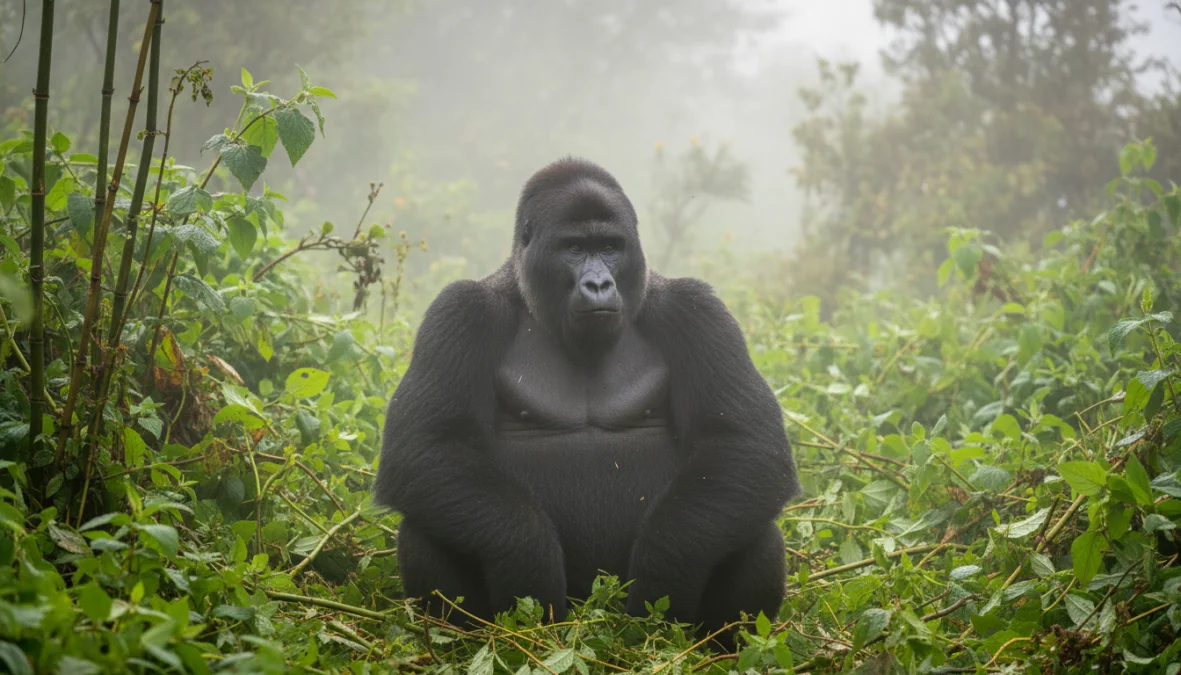
Picture this: you’re standing in the misty forests of the Virunga Massif, your heart pounding with anticipation, when suddenly you lock eyes with a silverback mountain gorilla just meters away. This isn’t a scene from a nature documentary—it’s Rwanda gorilla trekking, one of the most extraordinary wildlife encounters on the planet. With only around 1,000 mountain gorillas left in the wild, trekking through Volcanoes National Park offers a rare glimpse into the world of these magnificent endangered species and plays a crucial role in primate conservation efforts across East Africa.
Understanding Rwanda Gorilla Permits: Costs, Booking, and Requirements
Let’s get straight to the elephant—or should I say gorilla—in the room: how much does a gorilla permit cost in Rwanda? As of now, a gorilla permit Rwanda will set you back $1,500 per person. Yes, it’s a significant investment, but this Rwanda gorilla permit cost includes an hour with the gorillas, experienced guides, armed rangers for protection, and park entrance fees. More importantly, a substantial portion goes directly toward conservation and supporting local communities.
When it comes to booking, you have two main options. You can book directly through the Rwanda Development Board (RDB), which requires navigating their system and handling logistics yourself, or work with reputable gorilla trekking tours operators who bundle permits with accommodation and transportation. For first-timers, tour operators often provide better value and peace of mind. The golden rule? Book at least 3-6 months in advance, especially if you’re planning to visit during peak seasons. Popular dates can sell out even earlier.
There’s a strict age requirement: you must be at least 15 years old to participate in mountain gorilla trekking. This isn’t arbitrary—the trek can be physically demanding, and younger children might struggle with the required discipline around these powerful animals. Compared to neighboring countries, Rwanda’s permits are pricier than Uganda’s ($800) and Congo’s ($400), but Rwanda offers superior infrastructure, shorter travel times, and arguably the most organized trekking experience. Regarding cancellations, policies vary by booking method, so always clarify refund terms when purchasing your permit.
Planning Your Gorilla Trekking Experience in Volcanoes National Park
Volcanoes National Park sits in northwestern Rwanda, a scenic 2-3 hour drive from Kigali. The journey from Kigali to Volcanoes National Park takes you through rolling hills and terraced farms that showcase Rwanda’s stunning landscape. Most visitors stay in nearby Musanze (formerly Ruhengeri), where accommodation ranges from budget guesthouses to luxury eco-lodges.
Wondering about the best time to visit Rwanda for gorilla trekking? The dry seasons—June through September and December through February—offer easier hiking conditions and clearer trails. However, Rwanda’s “land of a thousand hills” can be unpredictable, so rain gear is essential year-round. The wet seasons (March-May and October-November) see fewer tourists and lusher forests, plus the mountain gorillas’ habitat doesn’t change much since they’re always there regardless of weather.
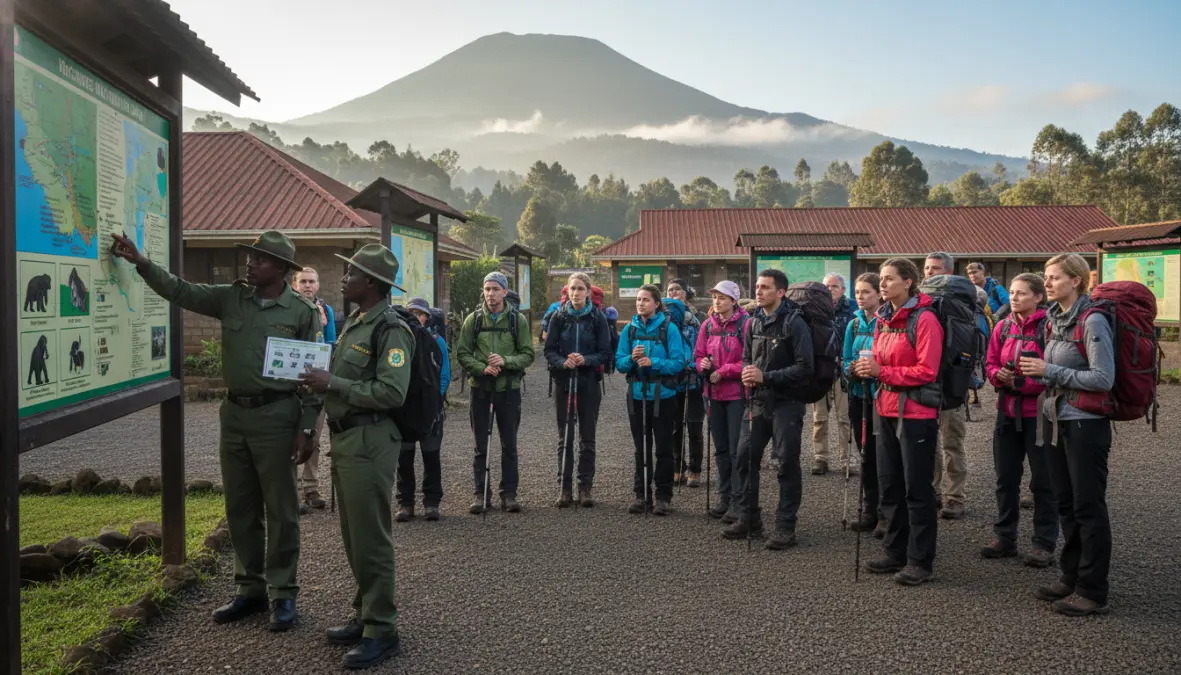
The gorilla trekking experience begins early. You’ll arrive at the park headquarters around 7am for a mandatory briefing where rangers explain the rules, assign you to one of the habituated gorilla families, and assess fitness levels. Volcanoes National Park is home to twelve habituated gorilla families, each with unique dynamics and personalities. Some groups require only an hour’s hike, while others might take four to six hours of trekking through dense vegetation and steep terrain. Similar to other adventure treks like those in our Patagonia Trekking Guide, proper preparation makes all the difference.
So how difficult is gorilla trekking in Rwanda? It varies dramatically depending on which family you’re assigned and where they’ve moved that day. The terrain includes steep volcanic slopes, muddy paths, and thick vegetation. A moderate fitness level helps, but porters are available for hire (around $15-20) to carry your backpack or even assist you physically—don’t be too proud to use them!
What to Pack for Your Rwanda Gorilla Trek
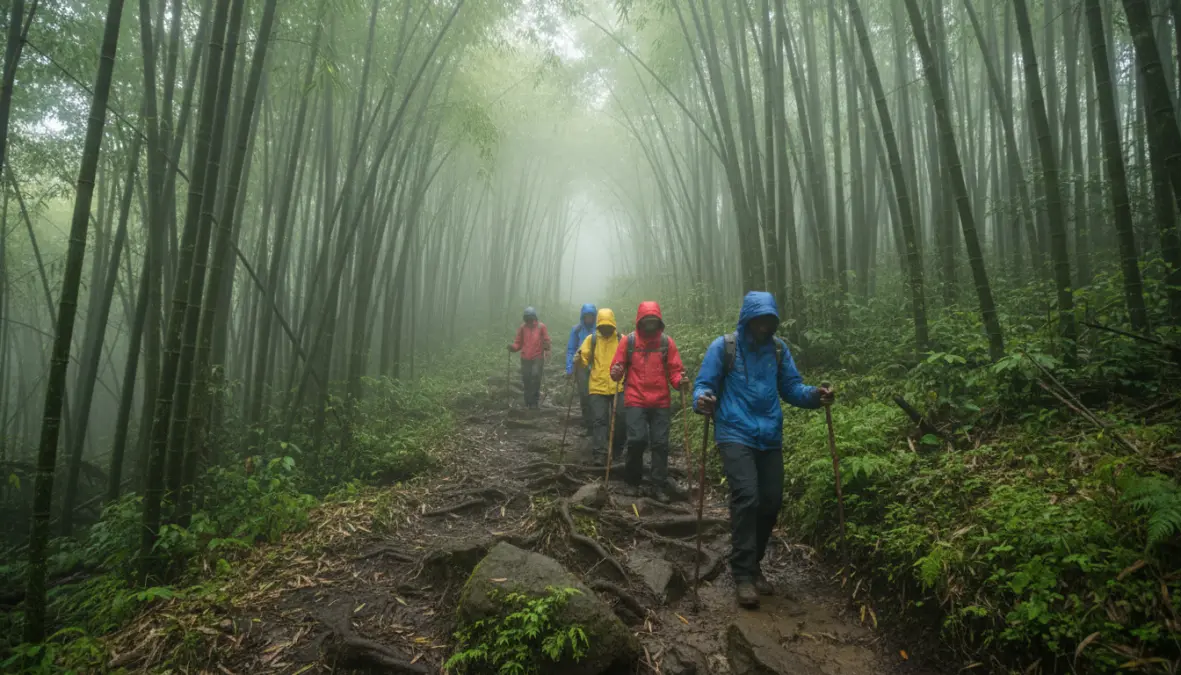
Proper gear can make or break your trek. Here’s what you absolutely need:
- Waterproof hiking boots with good ankle support—the terrain gets slippery
- Long pants (preferably tucked into socks) to protect against stinging nettles
- Long-sleeved shirt in breathable, quick-dry fabric
- Waterproof jacket that’s easy to remove when you warm up
- Gardening gloves for gripping vegetation and protection from thorns
- Daypack with rain cover containing water (at least 2 liters) and energy snacks
- Insect repellent without strong scents that might disturb the gorillas
- Camera with no flash—flash photography is strictly prohibited
- Walking stick (usually provided by the park)
The Gorilla Trekking Experience: What Happens on the Day
Your day unfolds like this: arrive at park headquarters by 7am for registration and coffee. At 8am, attend the briefing where you’ll learn the rules—maintain 7 meters distance, no eating near gorillas, turn away if you need to cough or sneeze. You’re then divided into groups of eight trekkers per gorilla family.
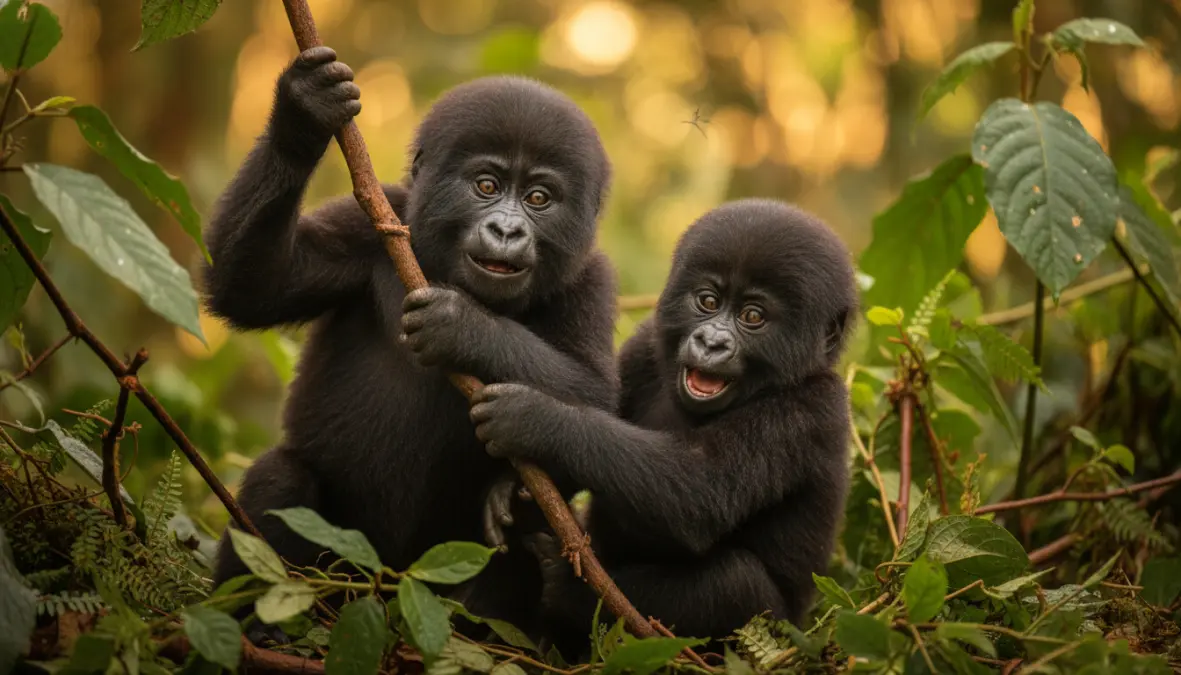
The trek begins around 8:30am. Trackers who left earlier radio your guides when they locate the gorilla families. The hike duration is unpredictable—anywhere from 30 minutes to 6 hours depending on how far the gorillas have traveled overnight in search of food in their natural mountain gorillas habitat. When you finally encounter them, time stops. You’ll have exactly one hour to observe these gentle giants as they eat, play, groom each other, and go about their daily lives. Baby gorillas tumble over each other while juveniles swing from branches. The massive silverback watches over his family, occasionally glancing your way with surprising calm.
After your magical hour, you trek back to headquarters where you’ll receive a certificate commemorating your contribution to primate conservation. Most trekkers return between noon and 3pm, exhausted but exhilarated. After such an adventure, you might appreciate some relaxation—though unlike the experience detailed in our Budapest Thermal Baths guide, the only soaking you’ll do here is in your hotel shower!
Frequently Asked Questions About Rwanda Gorilla Trekking
How much does a gorilla permit cost in Rwanda?
Currently $1,500 per person for one trek. This includes one hour with the gorillas, guides, rangers, and park fees.
Is gorilla trekking in Rwanda worth the cost?
Absolutely. You’re witnessing critically endangered species in their natural habitat while directly funding conservation. The experience is transformative and unlike anything else in wildlife safari Rwanda or broader East Africa gorilla tours can offer.
How fit do I need to be?
A moderate fitness level is recommended, but the park assigns groups based on ability. If you can comfortably walk for 2-3 hours with breaks, you should manage.
Can I see gorillas if I’m not very fit?
Yes! Inform guides about your fitness level during briefing. You can hire porters to assist you, and they’ll try to assign you to a closer gorilla family.
What’s the success rate of seeing gorillas?
Approximately 98-99%. Trackers locate the families before you start trekking, making sightings almost guaranteed.
How close can I get to the gorillas?
The minimum distance is 7 meters (about 23 feet), though gorillas sometimes approach closer on their own—you must stay still and let them pass.
Can children go gorilla trekking?
No, the minimum age is 15 years due to both physical demands and disease transmission risks.
What if it rains?
The trek continues rain or shine. Gorillas don’t mind the rain, and neither should you—just come prepared with proper waterproof gear.
Rwanda gorilla trekking represents more than just a bucket-list adventure—it’s an opportunity to witness the remarkable success of conservation efforts in the Virunga Massif and contribute to the survival of mountain gorillas for future generations. The memories of locking eyes with a silverback or watching baby gorillas play will stay with you forever, making every dollar of that permit worthwhile. Whether you’re an experienced trekker who’s conquered trails worldwide or someone seeking a once-in-a-lifetime wildlife encounter, Volcanoes National Park delivers an experience that transcends typical tourism and touches something profoundly human about our connection to the natural world.