Ultimate Safari Planning Guide: From Destination Selection to Packing Like a Pro
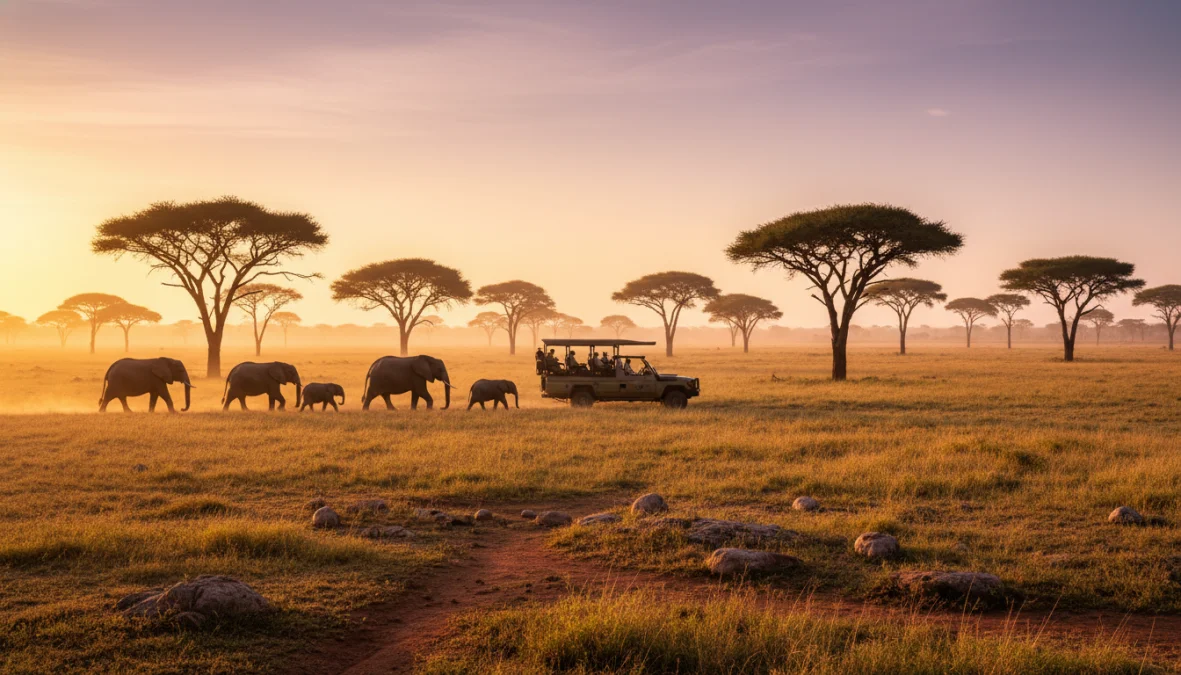
Picture this: the African sun rising over endless savannas, a pride of lions lounging beneath an acacia tree, and you—camera in hand—witnessing nature’s most spectacular show. Planning your first safari might feel overwhelming, but with the right safari planning guide, you’ll transform those dreams into an adventure of a lifetime. Whether you’re wondering how to plan your first safari trip or trying to figure out what to pack for African safari expeditions, this comprehensive guide walks you through every essential step from picking your destination to zipping up your duffel bag like a seasoned explorer.
Choosing Your Perfect Safari Destination
The foundation of successful African safari planning starts with selecting the right destination. Africa’s safari landscape offers incredible diversity, and your choice dramatically impacts your experience, budget, and the wildlife you’ll encounter. Let’s break down the heavyweights in the safari destination guide arena.
Kenya delivers the iconic safari experience with the Masai Mara’s legendary Great Migration and excellent infrastructure for first-timers. Tanzania boasts the Serengeti’s vast plains and the Ngorongoro Crater’s concentrated wildlife. Botswana offers exclusive, low-density tourism in the Okavango Delta—perfect for adventure seekers willing to invest more. South Africa combines malaria-free options (Madikwe, Pilanesberg) with world-class lodges and easy accessibility, making it ideal for families. Namibia presents dramatic desert landscapes and unique species like desert-adapted elephants.
| Destination | Best For | Budget Level | Key Wildlife | Best Season |
|---|---|---|---|---|
| Kenya | First-timers, Migration | Mid-range | Big Five, Migration | July-October |
| Tanzania | Serious wildlife enthusiasts | Mid-High | Big Five, Migration | June-October |
| Botswana | Luxury, Adventure | High | Big Five, Water wildlife | May-September |
| South Africa | Families, Wine lovers | Budget-High | Big Five, Marine wildlife | May-September |
| Namibia | Photographers, Self-drivers | Mid-range | Desert-adapted species | May-October |
When choosing the best safari destination, consider visa requirements—Kenya and Tanzania offer visas on arrival for most nationalities, while others may require advance applications. Climate varies significantly: East African destinations experience two rainy seasons, while Southern Africa follows a more predictable wet-dry pattern.
Matching Destinations to Your Safari Style
Your safari style should drive destination selection. First-time safari goers benefit most from South Africa’s Kruger National Park or Kenya’s Masai Mara, where excellent infrastructure, accessibility, and high wildlife density guarantee memorable wildlife viewing without logistical headaches. Both destinations offer diverse accommodation options fitting any budget.
Adventure seekers gravitate toward Botswana’s bush camps and Zambia’s walking safaris, where you’ll canoe past hippos and track animals on foot with armed guides. These experiences connect you viscerally with the wilderness. Luxury travelers find their paradise in Tanzania’s Serengeti private concessions or Botswana’s exclusive reserves, where guest numbers are limited and service is impeccable.
Families should prioritize South Africa’s malaria-free reserves and safari lodges with family suites and child-friendly programs. Photographers seeking that perfect shot should consider Botswana’s water-based safaris or Namibia’s stark desert landscapes, where unique compositions abound. Budget considerations matter: Kenya and South Africa offer options from $150 per person per night, while Botswana typically starts around $500-600.
Timing Your Safari for Maximum Wildlife Viewing
Understanding best time to book a safari involves both seasonal wildlife patterns and pricing strategies. The Great Migration—one of Earth’s most spectacular natural events—follows a predictable annual cycle: wildebeest calving in Tanzania’s southern Serengeti (January-March), migration northward (April-June), Mara River crossings in Kenya (July-October), then the return south (November-December).
Dry season (typically May-October across most safari destinations) concentrates animals around water sources, making wildlife spotting easier during game drives. Vegetation thins out, visibility improves, and animals are predictable. However, wet season (November-April) brings lush landscapes, newborn animals, excellent bird watching, and significantly lower prices—often 30-40% less. Shoulder seasons (April-May, November) offer the sweet spot: decent weather, fewer crowds, and moderate pricing.
Safari Trip Planning: Booking, Budgeting, and Itinerary Design
Effective safari trip planning balances dreams with practicalities. Lead time matters tremendously—book 6-12 months ahead for peak season travel (July-October), especially for specific safari lodges or bush camps. Last-minute deals exist during shoulder seasons, but don’t gamble with bucket-list destinations during migration season.
Let’s talk numbers for how much does a safari cost. Budget safaris in Kenya or South Africa start around $200-300 per person per day (accommodation, park fees, game drives included). Mid-range experiences run $400-700 daily, featuring better lodges, smaller groups, and more inclusive packages. Luxury safaris exceed $800-1,500+ daily, delivering private vehicles, exclusive concessions, gourmet dining, and exceptional service.
Your budget breakdown typically includes: safari lodges or camps (40-60% of costs), national parks entry fees ($50-80 per day), internal flights for remote camps ($200-500 per leg), international flights, travel insurance, vaccinations, tips, and extras like balloon safaris or community visits. Don’t forget the hidden costs—quality binoculars rental, camera equipment, and specialized photography guided tours.
The self-drive versus guided debate depends on experience and destination. South Africa and Namibia suit confident self-drivers with excellent road infrastructure and clear park regulations. Kenya, Tanzania, and Botswana typically require professional guides who know animal behavior, seasonal movements, and can position you for optimal viewing. Most travelers find that guided experiences in quality safari lodges deliver vastly superior wildlife encounters—guides’ expertise is genuinely invaluable.
Safari duration sweet spots: 3-4 days provides a taste but feels rushed; 5-7 days allows proper immersion in 2-3 different national parks or reserves; 10+ days enables combining multiple countries or adding beach extensions in Zanzibar, Mozambique, or South Africa’s coast. Following safari booking tips, consider booking through specialized tour operators for complex itineraries—their local connections, crisis management, and expertise often justify their fees.
Health preparations are non-negotiable. Travel vaccinations for Yellow Fever are mandatory for some countries; Hepatitis A/B, Typhoid, and Tetanus are recommended. Malaria prophylaxis is essential for most safari regions except South Africa’s malaria-free reserves. Consult travel medicine specialists 6-8 weeks before departure. Comprehensive travel insurance covering medical evacuation (critical for remote bush camps) is absolutely essential—don’t skimp here.
Creating Your Safari Itinerary
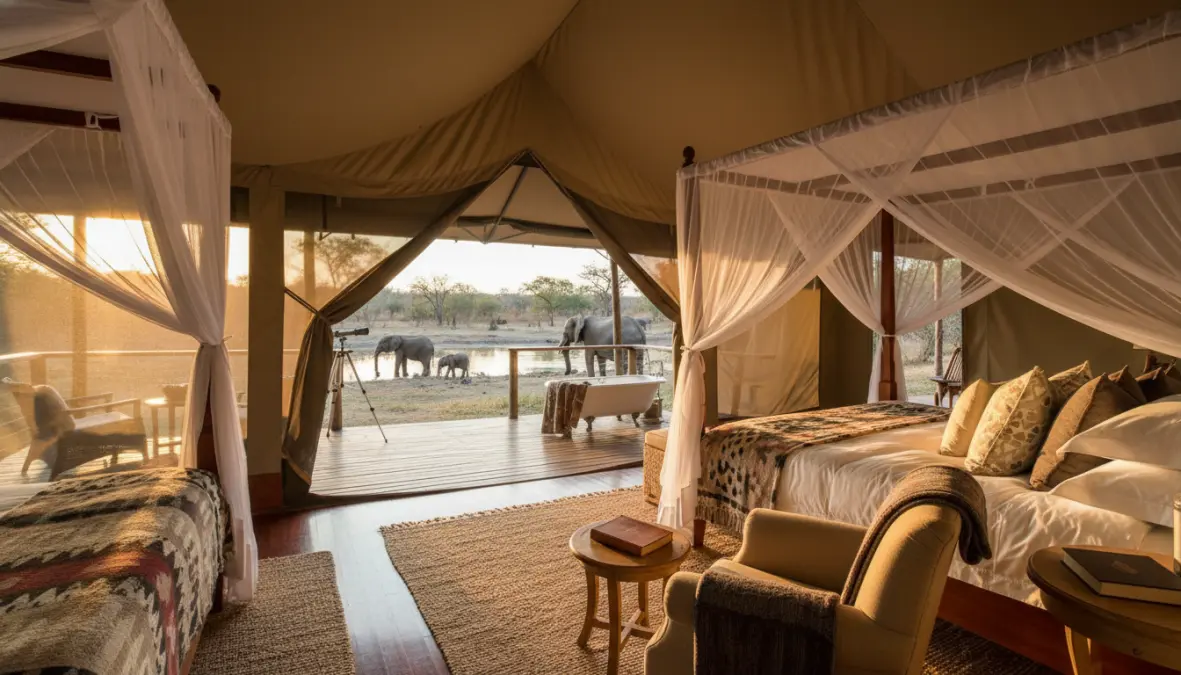
Smart safari itinerary planning balances wildlife encounters with downtime. A sample 5-day Kenya safari might include: Days 1-3 in Masai Mara (multiple morning and evening game drives, perhaps a balloon safari), Day 4 transfer to Lake Nakuru (flamingos, rhinos), Day 5 return to Nairobi. For 7 days, add Amboseli’s elephant herds with Kilimanjaro backdrop.
A Tanzania 7-day wildlife safari guide itinerary could feature: Days 1-3 Serengeti (tracking the big five animals, migration herds), Days 4-5 Ngorongoro Crater (dense wildlife concentration), Days 6-7 Tarangire (massive elephant populations, baobabs). For 10 days, incorporate Zanzibar’s beaches for post-safari relaxation.
Successful itineraries typically schedule two game drives daily (early morning and late afternoon when animals are active), leaving midday for rest, pool time, or optional activities. Avoid the temptation to overschedule—safari fatigue is real. Including one cultural experience (Maasai village visit, community project) and perhaps one special activity (walking safari, night drive where permitted) adds depth without overwhelming. The safari vacation planner mantra: quality over quantity.
Essential Safari Packing Guide
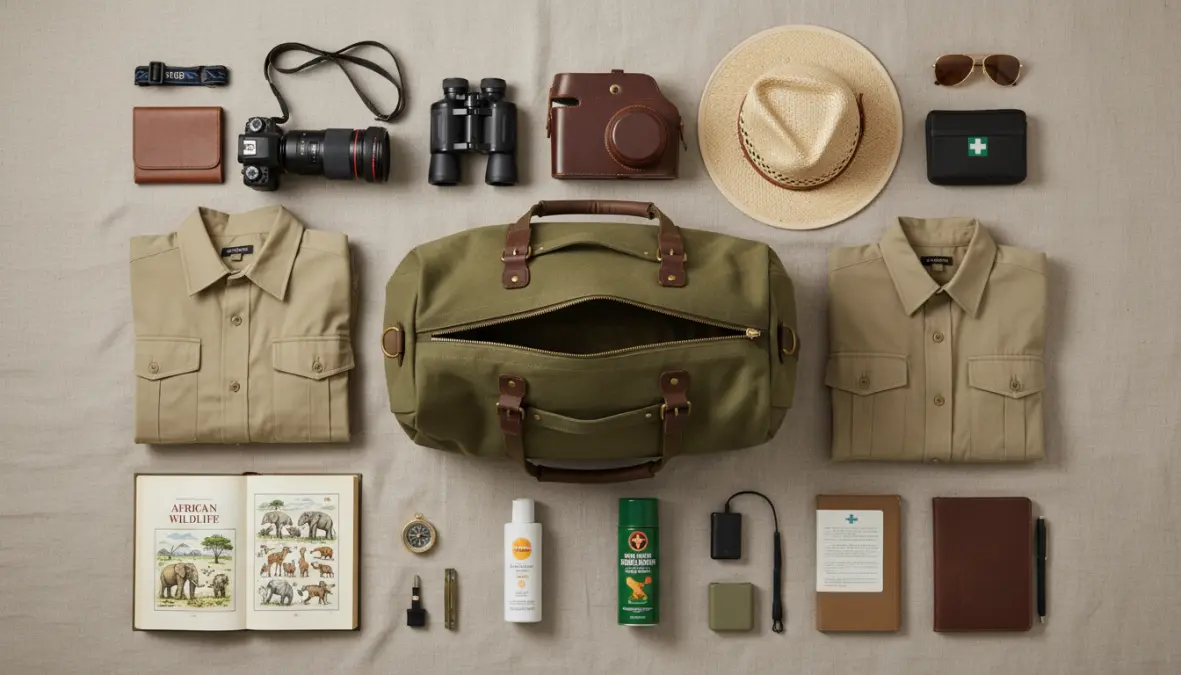
Mastering what to pack for African safari adventures prevents both overpacking and crucial omissions. This safari planning guide essential starts with clothing: neutral colors (khaki, olive, beige, brown) help you blend in and don’t attract tsetse flies like dark blue or black. Bright colors startle animals. Pack lightweight, breathable layers—mornings are chilly, midday scorching. Long sleeves and pants protect against sun and insects.
Clothing essentials: 3-4 safari shirts (long-sleeve, quick-dry), 2 pairs convertible pants, 1 fleece or light jacket, wide-brimmed hat, buff or scarf for dust, comfortable walking shoes, sandals for lodge, swimsuit (many lodges have pools). For wet season, add a lightweight rain jacket. Luxury lodge guests should pack smart-casual dinner attire—some lodges maintain dress codes.
Photography and optics: Quality binoculars (8×42 or 10×42 magnification) transform wildlife viewing. Camera equipment should include a telephoto lens (minimum 200mm, ideally 400mm+), extra batteries (charging isn’t always reliable), and protective bags against dust. Bean bags stabilize cameras in safari vehicles better than tripods.
Health and protection: SPF 50+ sunscreen (reapply constantly), lip balm with SPF, quality insect repellent (30%+ DEET or picaridin), basic first-aid kit, prescription medications in original containers, anti-diarrheal medication, hand sanitizer, wet wipes (invaluable in the bush).
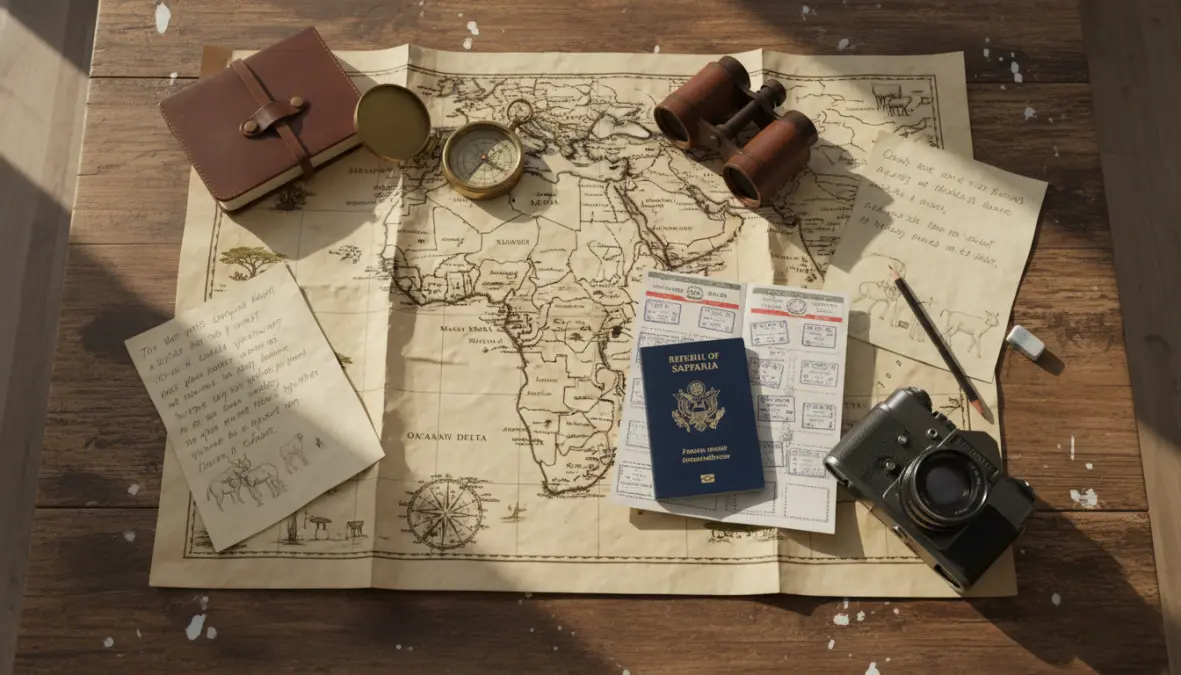
Documents and money: Passport (valid 6+ months), photocopies stored separately, travel insurance documents, vaccination certificates (Yellow Fever card mandatory for some borders), credit cards, some USD cash for tips (small denominations).
Luggage considerations: Soft-sided duffel bags are mandatory for small aircraft transfers to remote camps—hard suitcases won’t fit. Weight limits are strict (typically 15kg including hand luggage), so pack light. A small daypack for game drives carrying camera, binoculars, sunscreen, and water is essential.
What NOT to pack: Camouflage clothing (illegal in some African countries), excessive jewelry, white clothing (shows dust immediately), more than one pair of shoes beyond sandals and walking shoes, hair dryers (most lodges provide them), large amounts of toiletries (lodges typically provide basics).
Safari Planning Checklist for Beginners: Book accommodation 6-12 months ahead, arrange travel insurance, confirm vaccination requirements, obtain necessary visas, pack neutral-colored clothing in soft luggage, bring quality binoculars and camera, ensure malaria prophylaxis if needed, make photocopies of important documents, break in walking shoes before departure, and download offline maps of your destinations.
FAQ: Safari Planning Questions Answered
How much does an African safari cost?
Safari costs vary dramatically based on destination, season, and accommodation level. Budget safaris start around $200-300 per person daily (basic lodging, group tours), mid-range experiences run $400-700 daily, while luxury safaris exceed $800-1,500+ daily. Factor in international flights ($800-1,500), park fees, tips, and activities. A week-long mid-range safari typically costs $3,000-5,000 per person all-inclusive. Following tips for planning a budget safari, travel during shoulder season and book group tours to reduce costs significantly.
How far in advance should I book a safari?
Book 6-12 months ahead for peak season travel (July-October), especially for popular destinations like Masai Mara during migration or exclusive Botswana camps with limited capacity. This lead time secures preferred safari lodges, better rates, and comprehensive safari booking tips from operators. Shoulder and wet season safaris can be booked 3-6 months ahead, sometimes with last-minute deals available. Earlier booking provides more itinerary flexibility and accommodation choices.
Is an African safari safe?
Yes, safaris are remarkably safe when following professional guidance. Reputable operators prioritize guest safety, experienced guides understand animal behavior, and lodges maintain strict protocols. Wildlife encounters occur from vehicles or with armed guides during walking safaris. Medical facilities exist in major areas, though remote camps require evacuation insurance. The greatest risks are typically minor—sunburn, dehydration, or upset stomach—easily prevented with preparation. Road safety during transfers deserves attention; choose established operators with good safety records.
What’s the best first-time safari destination?
South Africa’s Kruger region and Kenya’s Masai Mara top first-timer recommendations. Kruger offers malaria-free options, excellent infrastructure, diverse accommodation from budget camps to luxury lodges, and easy self-drive possibilities. Kenya provides classic safari experiences with high wildlife density, the spectacular Great Migration, and well-developed tourism infrastructure. Both destinations deliver reliable big five animals sightings, English-speaking guides, and accommodations fitting every budget—perfect for how to prepare for a wildlife safari learning curves.
Do I need special vaccinations for safari?
Vaccination requirements vary by destination. Yellow Fever vaccination is mandatory for entry to Kenya, Tanzania, and some other countries—you’ll need proof of vaccination. Hepatitis A and B, Typhoid, Tetanus, and Rabies (for extensive bush time) are commonly recommended. Malaria prophylaxis is essential for most safari regions except South Africa’s malaria-free reserves. Consult a travel medicine specialist 6-8 weeks before departure for personalized recommendations based on your specific itinerary and health history.
What’s included in safari packages?
Typical safari packages include accommodation, all meals (breakfast, lunch, dinner), scheduled game drives (usually two daily), park entry fees, local beverages (often excluding premium alcohol), airport transfers, and guide services. Exclusions typically cover international flights, travel insurance, tips for guides and lodge staff, premium drinks, specialty activities (balloon safaris, spa treatments), laundry services, and personal purchases. Always verify inclusions before booking—packages vary significantly between operators, especially regarding drinks, activities, and guided tours frequency.
Your African safari represents more than a vacation—it’s a transformative journey into Earth’s most spectacular wilderness. With this comprehensive safari planning guide, you’re equipped to make informed decisions from destination selection through final packing. Remember, the best safari balances careful planning with flexibility for spontaneous magic—that unexpected leopard sighting or breathtaking sunset that wasn’t on any itinerary. Start planning today, and soon you’ll be living those sunrise game drives you’ve only dreamed about. For more travel inspiration and planning resources, check out our latest updates and guides.