Portugal’s Algarve Coast: Complete Travel Guide to Beaches, Towns, and Activities
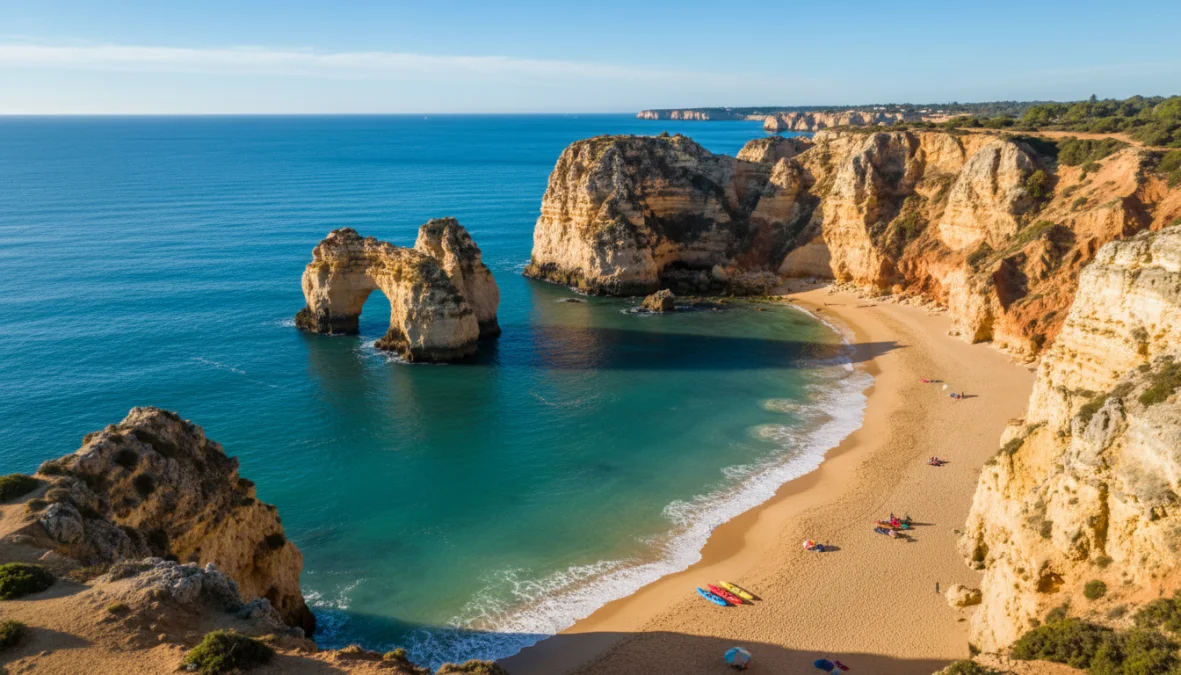
Picture this: dramatic golden cliffs plunging into turquoise waters, charming whitewashed towns perched on hillsides, and over 300 days of sunshine a year. Welcome to Portugal’s Algarve, a stunning stretch of coastline that’s become one of Europe’s most beloved beach destinations. Whether you’re planning your first visit or returning to explore hidden corners, this algarve travel guide will help you discover the best beaches, most enchanting towns, and unforgettable experiences along this magnificent Portuguese coastline.
Understanding the Algarve: Portugal’s Golden Coast
The Algarve occupies Portugal’s southernmost region, stretching approximately 150 kilometers along the Atlantic coast. This algarve portugal guide begins at Faro Airport, the region’s main gateway, which connects to major European cities year-round. The Algarve enjoys a Mediterranean climate with mild winters and hot, dry summers—making it an ideal destination nearly any time of year, though the best time to visit algarve coast is between May and September for perfect beach weather, or April and October for fewer crowds and pleasant temperatures.
The region divides into three distinct areas: the dramatic western coast around Lagos and Sagres features towering golden cliffs and rugged landscapes; the central Algarve near Albufeira offers tourist-friendly resorts and lively nightlife; while the eastern section around Tavira showcases tranquil beaches and authentic Portuguese culture. What sets the Algarve apart is its unique combination of stunning natural beauty, affordable prices compared to other Mediterranean destinations, and warm Portuguese hospitality that keeps travelers returning year after year.
Best Beaches and Coastal Highlights of the Algarve
The Algarve boasts some of Europe’s most spectacular coastline, with over 100 beaches ranging from secluded coves to expansive golden stretches. Understanding which algarve beaches match your travel style is key to planning the perfect vacation.
Dramatic Cliffs and Golden Sand: Western Algarve Beaches
The western Algarve delivers the region’s most Instagram-worthy scenery. Praia da Marinha, consistently ranked among the world’s most beautiful beaches, features stunning limestone formations rising from crystal-clear waters—arriving early morning helps you beat the crowds and capture those perfect photos. Just minutes away, Praia de Benagil serves as the launching point for visiting the famous Benagil caves, where sunlight streams through a circular opening onto a hidden beach inside a massive sea cave. Praia do Camilo near Lagos requires descending wooden stairs carved into cliffs, but rewards visitors with intimate coves surrounded by ochre rock formations. These beaches represent the best beaches in algarve portugal for photography enthusiasts and adventurous travelers seeking dramatic coastal landscapes.

Family-Friendly and Sheltered: Central and Eastern Beaches
If you’re traveling with children or prefer calmer waters, the central and eastern Algarve offers excellent family friendly beaches algarve. Praia da Falésia stretches for six kilometers beneath striking red cliffs, providing ample space and lifeguard services throughout summer. Albufeira’s town beaches offer convenient access to restaurants and facilities, with shallow waters perfect for young swimmers. Further east, Tavira Island beaches within the Ria Formosa Natural Park feature protected lagoons with gentle waves and soft white sand. These sheltered beaches provide excellent amenities including beach bars, umbrellas for rent, and easy parking—essential considerations when traveling with family.
Charming Algarve Towns and Where to Stay
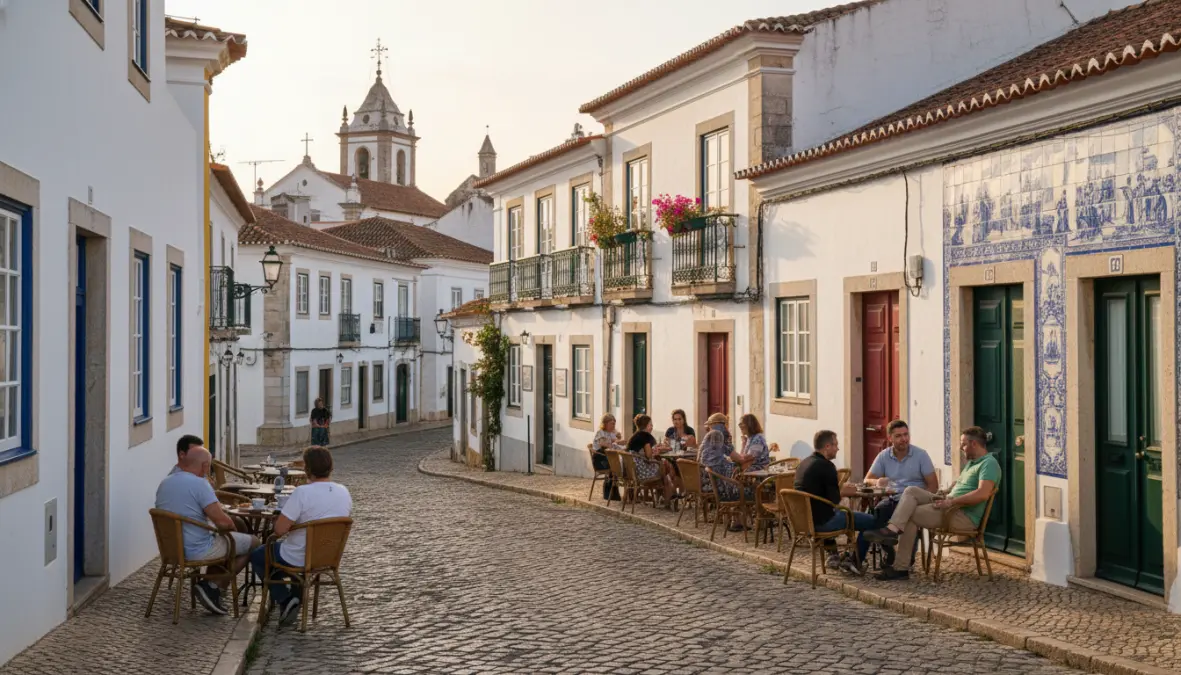
Choosing the right base for your Algarve adventure depends on what kind of experience you’re seeking, as each town offers distinct character and attractions. Lagos Portugal perfectly balances history and energy—this western coastal town features a charming old quarter with cobblestone streets, impressive city walls, and a vibrant nightlife scene. It’s ideal for younger travelers and anyone wanting easy access to the region’s most spectacular beaches and boat tours.
Albufeira dominates as the Algarve’s tourist epicenter, offering extensive accommodation options, bustling restaurants, and legendary nightlife along “The Strip.” While sometimes criticized for being overly commercialized, it provides excellent infrastructure for first-time visitors. In contrast, Tavira in the eastern Algarve preserves authentic Portuguese charm with its Roman bridge, historic churches, and laid-back atmosphere—perfect for travelers seeking cultural immersion away from resort crowds.
Faro, the regional capital, often gets overlooked as visitors rush to beach towns, but its beautiful old town (Cidade Velha) rewards exploration with cathedral views and traditional restaurants. Sagres at the Algarve’s southwestern tip attracts surfers and nature lovers with its wild, windswept beauty and proximity to dramatic clifftop trails. Meanwhile, Vilamoura caters to luxury seekers with its upscale marina, championship golf courses, and high-end dining. When planning your algarve vacation guide, consider splitting your stay between two towns to experience different facets of this diverse region.
Top Activities and Experiences Along the Algarve Coast
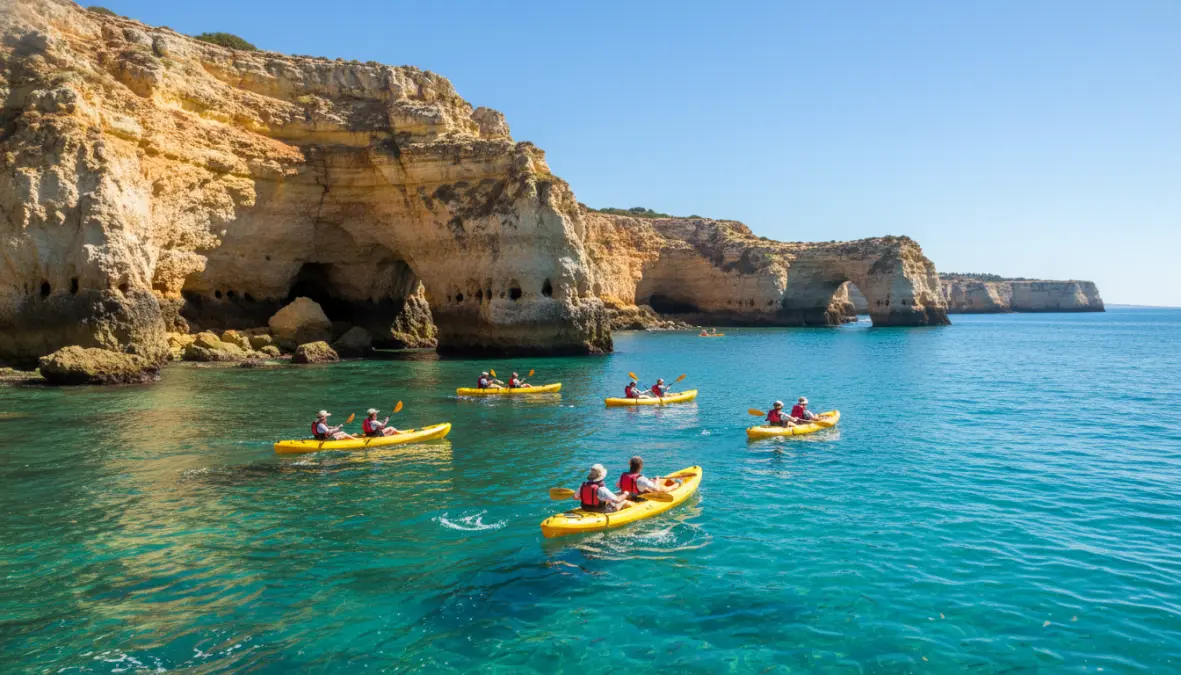
Beyond beach lounging, the Algarve offers diverse algarve coast activities that showcase the region’s natural beauty and cultural richness. Boat tours rank among the most popular things to do algarve, particularly excursions to the Benagil caves—these depart from several beaches including Benagil itself, Armação de Pêra, and Lagos. Morning tours typically offer calmer seas and better lighting for photography. For more active exploration, kayaking along the coast lets you access hidden grottoes at your own pace, while stand-up paddleboarding has become increasingly popular in sheltered bays.
Water sports algarve enthusiasts will find excellent conditions for surfing around Sagres and the western coast, where consistent Atlantic swells create ideal waves. Dolphin watching tours from Lagos and Albufeira offer high success rates for spotting these playful creatures in their natural habitat. On land, the Seven Hanging Valleys Trail between Praia da Marinha and Praia de Vale Centianes delivers one of Europe’s most scenic coastal hikes—the 12-kilometer route showcases dramatic clifftop views, hidden beaches, and diverse flora.
The Ria Formosa Natural Park protects 18,000 hectares of lagoons, salt marshes, and barrier islands—guided boat tours reveal this important ecosystem’s birdlife and traditional fishing methods. Golf enthusiasts will appreciate the Algarve’s reputation as Europe’s premier winter golf destination, with over 40 championship courses. Don’t miss exploring the region’s culinary scene at seafood restaurants algarve is famous for—try cataplana (seafood stew) at local tascas, or visit municipal markets in Loulé or Olhão for authentic Portuguese atmosphere. Wine tasting in the lesser-known interior offers a peaceful counterpoint to coastal activities.
FAQ: Planning Your Algarve Vacation
How many days do you need in the Algarve?
For a comprehensive algarve travel guide for first timers, plan at least 5-7 days. This allows time to explore 2-3 different towns, visit several beaches, take boat tours to caves, and enjoy some relaxation. A week provides a good balance between sightseeing and beach time without feeling rushed. Those with more time can easily spend two weeks discovering hidden gems algarve portugal offers throughout the region.
What is the best time to visit the Algarve?
May, June, and September offer ideal conditions with warm weather (24-28°C), lower prices, and fewer crowds than peak July-August. Swimming is comfortable from May through October. Winter (November-March) attracts golfers and those seeking mild temperatures (15-20°C), though some restaurants and attractions operate on reduced schedules. Avoid August if you prefer quieter beaches.
Do I need a car in the Algarve?
While buses connect major towns, renting a car significantly enhances your experience for an algarve coast road trip itinerary. Many stunning beaches and most beautiful towns in algarve sit away from public transport routes. Car rental is affordable, roads are well-maintained, and parking is generally available. Consider renting for at least a few days to explore beyond your base town.
Is the Algarve expensive?
The Algarve offers excellent value compared to other Mediterranean destinations. Budget travelers can manage on €50-70 daily with modest accommodation and local restaurants. Mid-range travelers spend €100-150 per person, while luxury seekers find high-end options at lower prices than comparable French or Italian resorts. Dining out costs significantly less than Northern Europe.
Which part of the Algarve is best for families?
The central Algarve around Albufeira, Vilamoura, and Praia da Falésia provides the best family infrastructure with calm beaches, water parks, and abundant child-friendly restaurants. Tavira in the east offers a quieter alternative with shallow lagoon beaches and authentic Portuguese atmosphere. The western coast’s dramatic cliffs suit families with older children who can navigate stairs and appreciate scenic beauty.
The Algarve’s enduring appeal lies in its ability to satisfy diverse travelers—from adventure seekers exploring sea caves to families building sandcastles on gentle shores, from history buffs wandering ancient towns to food lovers savoring fresh seafood at sunset. Start planning your Portuguese coastal escape, and discover why this golden stretch of coastline has captured travelers’ hearts for generations.