Kilimanjaro Hiking Guide: Routes, Costs, and Essential Tips for Your Summit
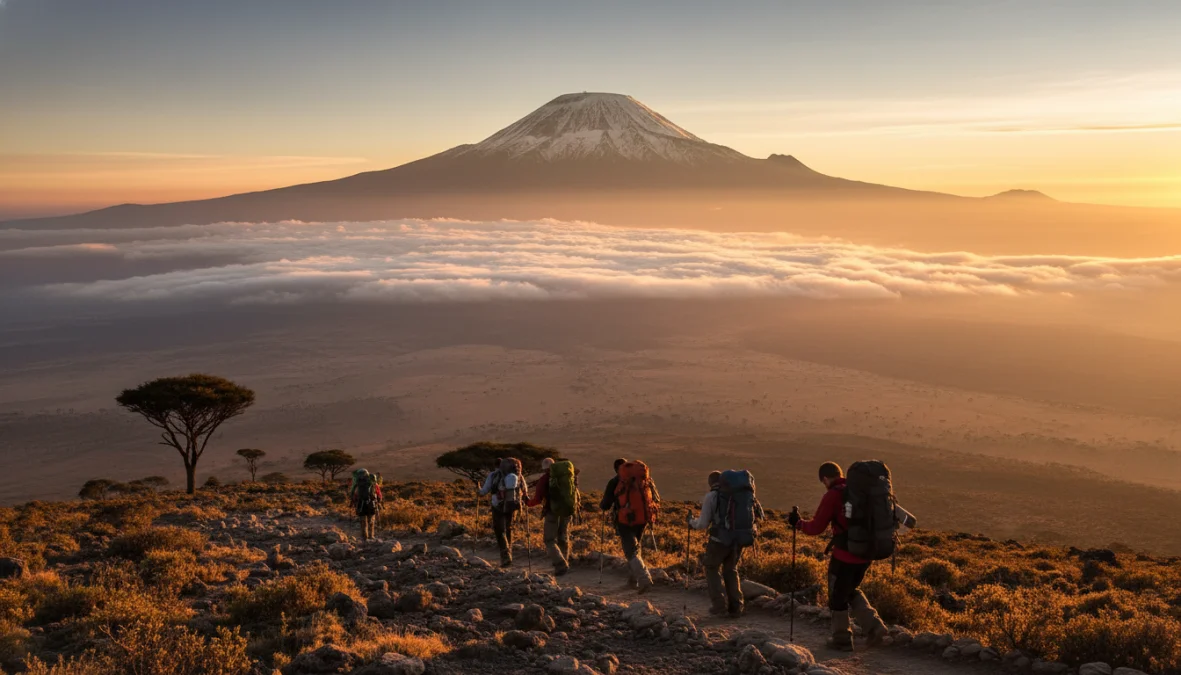
Standing at 5,895 meters (19,341 feet), Mount Kilimanjaro isn’t just Africa’s highest peak—it’s a bucket-list adventure that beckons thousands of trekkers each year. Unlike many high-altitude climbs, you won’t need technical mountaineering skills or ice axes to reach Uhuru Peak. But don’t let that fool you into thinking it’s easy. This kilimanjaro hiking guide breaks down everything you need to know about routes, costs, and the essential prep work that’ll maximize your chances of standing on the roof of Africa.
Choosing Your Mount Kilimanjaro Route
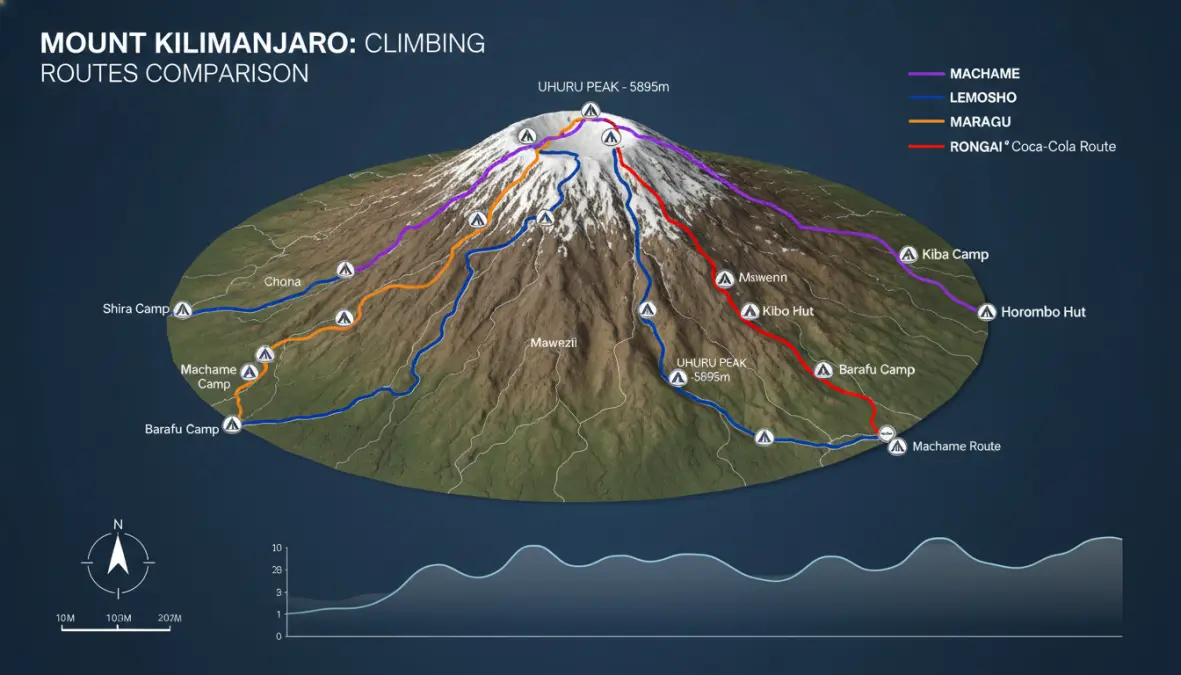
Kilimanjaro National Park offers seven established mount kilimanjaro routes, each with distinct characteristics that’ll shape your entire experience. The kilimanjaro trek difficulty varies significantly between paths, not just in physical demands but in scenery, acclimatization profiles, and daily trekking hours.
The Marangu Route (5-6 days) is often called the “Coca-Cola route” because it’s the only one with hut accommodations. The Machame Route (6-7 days) is the most popular, offering spectacular scenery and solid acclimatization. Lemosho (7-8 days) approaches from the west with excellent success rates. Rongai (6-7 days) is the only route from the north, quieter and drier. The Northern Circuit (8-9 days) is the longest and newest. Umbwe (5-6 days) is the steepest and most challenging. Mweka is descent-only.
When comparing the kilimanjaro machame route vs marangu route, Machame offers better acclimatization with its “climb high, sleep low” profile and camping under the stars, while Marangu provides hut comfort but a steeper acclimatization curve. Your kilimanjaro best route depends on your priorities: budget, time available, desire for solitude, and how much you value gradual altitude gain.
Best Routes for Success and Scenery
If you’re wondering about the easiest route to climb mount kilimanjaro, the answer is nuanced. Technically, all routes are non-technical scrambles. However, the Northern Circuit boasts the highest kilimanjaro summit success rate at over 90%, thanks to its extended duration allowing superior acclimatization. The extra acclimatization days give your body crucial time to adjust to altitude.
Lemosho and Machame strike the sweet spot between success rates (75-85%), stunning scenery, and reasonable duration. Both traverse diverse climate zones—from lush rainforest through alpine moorland to arctic summit conditions. The kilimanjaro climbing season affects route choice too: Rongai’s northern approach stays drier during the short rains, making it ideal for November treks when western routes might be muddy.
Understanding Kilimanjaro Trek Difficulty
Here’s the truth: Kilimanjaro is physically demanding but technically straightforward. You’re walking uphill for hours daily, covering 5-9 hours of trekking depending on the stage. The real challenge? Altitude sickness prevention is critical. Above 3,000 meters, your body struggles with reduced oxygen—headaches, nausea, and fatigue are common. This is why how long does it take to hike kilimanjaro matters: longer routes mean better acclimatization.
No prior african mountain climbing experience is required, but arrive with solid cardiovascular fitness. Train for 3-6 months before departure with hiking, running, or cycling. Practice walking 5-6 hours with a daypack on consecutive days. The mental game is equally important—summit night involves 6-8 hours of slow climbing in freezing darkness. Preparation beats raw athleticism every time.
Kilimanjaro Climbing Cost and What’s Included
When budgeting for this adventure, expect kilimanjaro climbing cost to range from $1,500 to $6,000+ per person. This wide range reflects route choice, group size, operator quality, and service level. But what exactly are you paying for?
Your climb fee covers Tanzanian climbing permits (about $800+ per person just for park entrance and camping fees), experienced kilimanjaro guide services, porters and crew who carry equipment and cook meals, tents and sleeping mats, and all meals on the mountain. Budget operators hover around $1,500-2,000 but often cut corners on crew welfare and equipment quality. Mid-range services ($2,500-3,500) offer better food, newer gear, and proper crew treatment. Premium operators ($4,000-6,000+) provide superior guide-to-client ratios, luxury camping setups, and comprehensive safety protocols.
How much does it cost to climb kilimanjaro includes extras you’ll need to budget separately: tips for guides and porters ($250-350 is standard), personal trekking gear requirements like quality boots and sleeping bags ($500-1,000 if buying new), Tanzania visa ($50-100), vaccinations, and crucially, travel insurance with emergency evacuation coverage ($100-200). Do you need a guide to climb kilimanjaro? Yes—Tanzanian law mandates all climbers use registered guides and enter through licensed operators.
Choose operators who treat their crews ethically. Look for companies partnered with the Kilimanjaro Porters Assistance Project (KPAP), which ensures fair wages, proper equipment, and weight limits for porters carrying your gear up the mountain.
Essential Planning: When to Go and What You Need
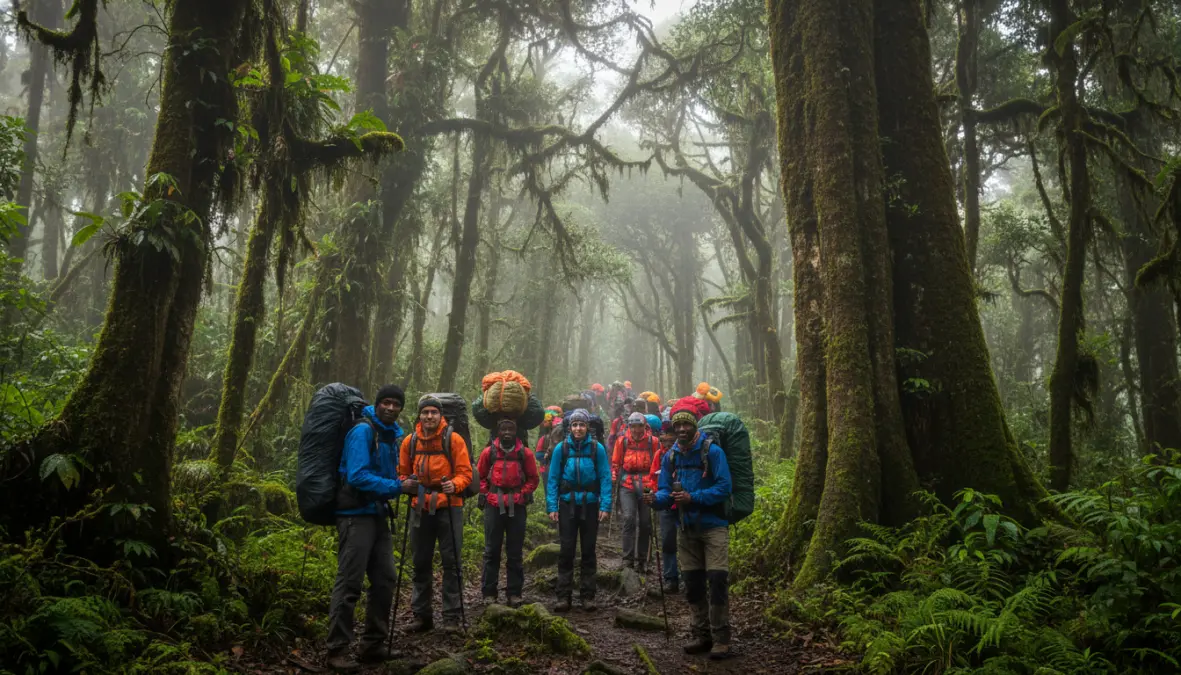
The best time of year to climb kilimanjaro falls into two primary windows: January through March and June through October. These dry seasons offer the most stable weather, clearer skies for that uhuru peak summit photo, and firmer trail conditions. January-March is slightly warmer with fewer crowds. June-October sees peak traffic but excellent weather—book early during these months.
Avoid April-May (long rains) and November (short rains) unless you’re on the drier Rongai route. Even during dry seasons, expect freezing summit temperatures (-10°C to -20°C) and daytime heat in lower zones. Kilimanjaro’s climate zones range from tropical at the base to arctic at the summit—you’ll experience massive temperature swings.
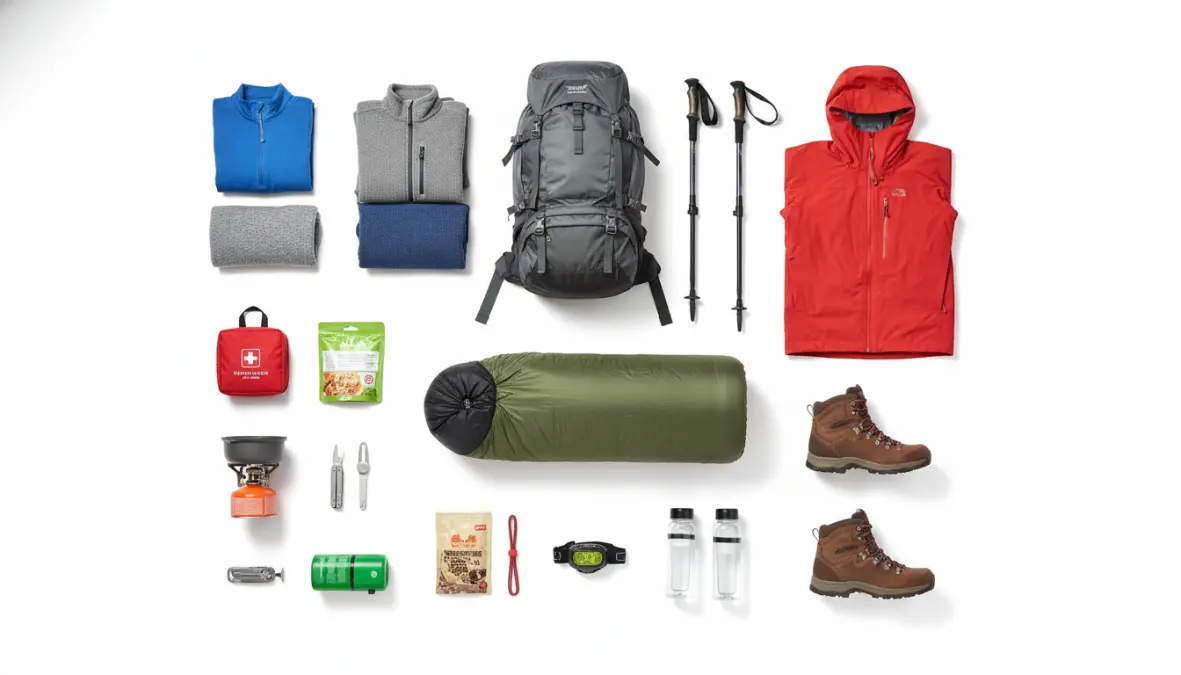
Your what to pack for kilimanjaro trek checklist should prioritize layering: moisture-wicking base layers, insulating mid-layers, waterproof outer shells, and a -15°C sleeping bag. Quality hiking boots broken in over months are non-negotiable. Don’t forget headlamp, trekking poles, water purification, and high-altitude sun protection. Most operators provide detailed packing lists, and you can rent specialized gear in Moshi or Arusha.
Start physical training 3-6 months out—focus on cardio endurance and leg strength. Obtain yellow fever vaccination (required) and consider typhoid, hepatitis, and altitude sickness medication like Diamox (consult your doctor). Secure comprehensive travel insurance covering emergency helicopter evacuation—this isn’t optional at high altitude.
FAQ
How long does it take to climb Kilimanjaro?
Most routes take 5-9 days. Shorter routes (5-6 days) have lower success rates due to rapid altitude gain. Seven to eight-day itineraries offer the best balance of acclimatization and summit success.
What is the success rate for reaching the summit?
The average kilimanjaro summit success rate is around 65%, but this varies dramatically by route. Northern Circuit tops 90%, while rushed 5-day climbs drop below 50%. Longer itineraries significantly improve your odds.
Can beginners climb Kilimanjaro?
Absolutely. No technical climbing skills are required, making it accessible to fit beginners. However, arrive in good cardiovascular shape and mentally prepared for long days of uphill trekking in challenging conditions.
What’s the best time to climb?
January-March and June-October offer the driest, most stable conditions. These months provide the highest success rates and best weather for enjoying the spectacular scenery on your way to the summit.
How much should I tip guides and porters?
Budget $250-350 total for your crew. Guidelines suggest $20-25/day for lead guides, $15-20/day for assistant guides, and $10-15/day for porters. These tips represent significant income for hardworking crew members.
Do I really need a guide?
Yes, it’s legally required. All climbers must hire registered guides through licensed tour operators. This regulation ensures safety standards and supports local employment in the Kilimanjaro region.
Conquering Kilimanjaro is an achievement that’ll stay with you forever. With the right route selection, proper preparation, and realistic expectations about altitude sickness prevention, you’ll dramatically increase your chances of standing atop Africa. Start planning early, invest in quality kilimanjaro guide services, and give yourself the gift of enough acclimatization days. Your summit success depends far more on smart preparation than superhuman fitness. Ready to make it happen?