Albania Riviera Guide: Discovering the Mediterranean’s Best-Kept Secret
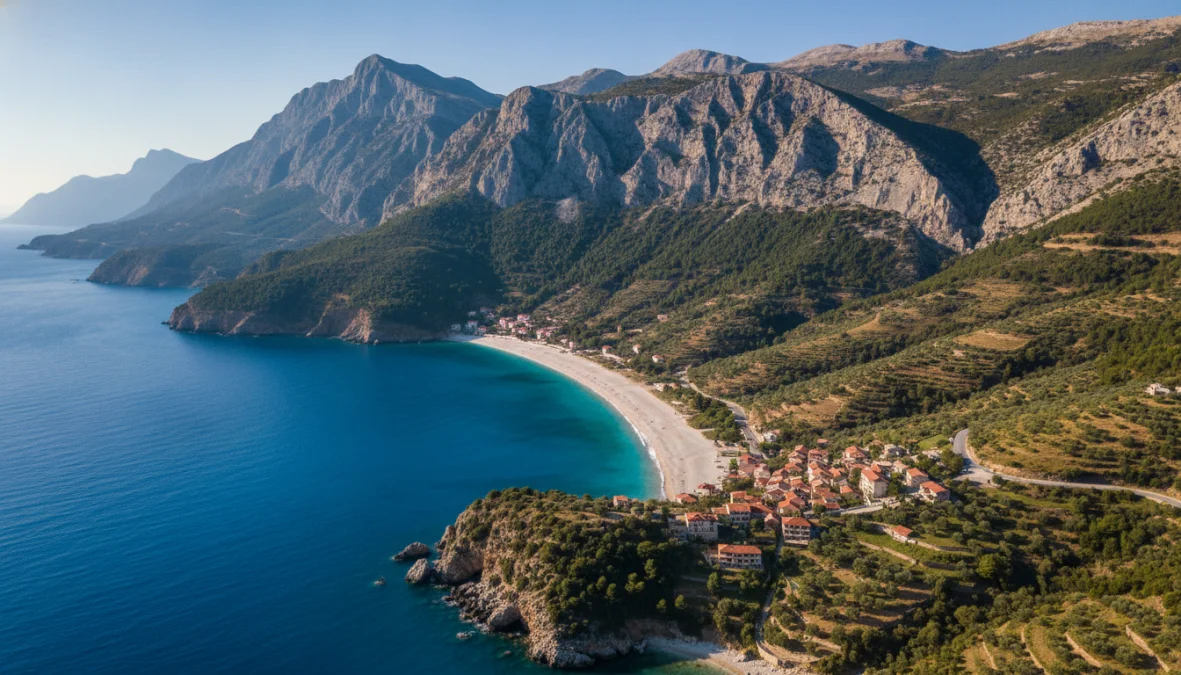
Picture this: crystal-clear turquoise waters lapping against pristine beaches, charming coastal villages where time seems to move slower, and dramatic mountain passes offering breathtaking sea views—all without the crowds and inflated prices of more famous Mediterranean destinations. Welcome to the Albanian Riviera, the albania riviera guide you’ve been waiting for to unlock one of Europe’s last unspoiled coastal paradises.
Why the Albanian Riviera Deserves Your Attention
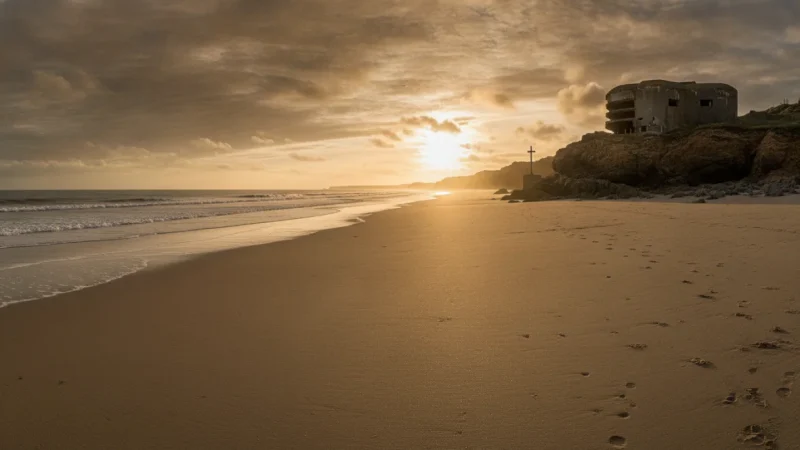
The riviera albania tourism industry is just starting to gain momentum, which means you can still experience this stunning stretch of the Ionian Sea Albania coastline before it becomes the next Santorini or Amalfi Coast. The albanian coast travel scene offers something increasingly rare in the Mediterranean: authenticity combined with affordability. While you’d easily spend €150 per night for a basic hotel room in Croatia or Greece, Albania’s Riviera offers excellent accommodations for a fraction of the cost—often €30-50 per night for quality guesthouses with sea views.
Stretching approximately 100 kilometers along the southwestern coast, this region benefits from a Mediterranean climate with hot, dry summers (June through September) and mild winters. The best time to visit is May-June or September-October when temperatures hover around 25-28°C, the sea is warm enough for swimming, and tourist numbers remain manageable. July and August bring peak crowds and higher prices, though still nothing compared to neighboring Greece. Much like planning European spring destinations, timing your Albanian Riviera trip can significantly enhance your experience.
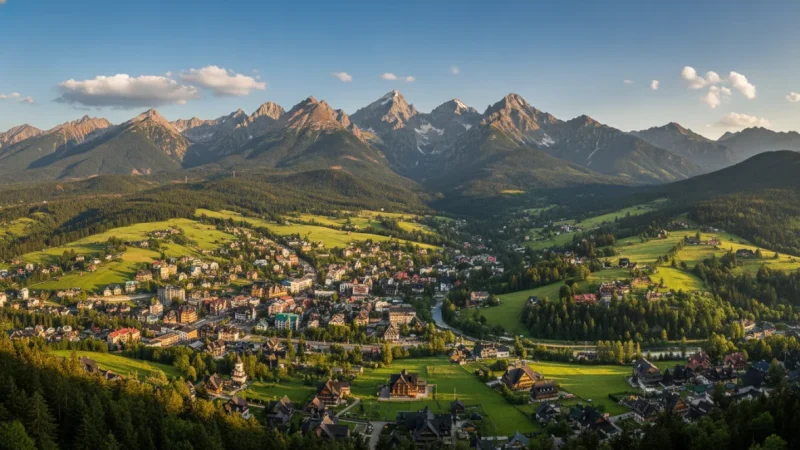
The landscape here is dramatically beautiful—the Ceraunian Mountains plunge directly into the Ionian Sea, creating secluded coves, hidden beaches, and some of the most photogenic coastal scenery in Europe. Unlike the overcrowded shores of neighboring countries, you can still find beaches where you’re one of only a handful of visitors, especially if you’re willing to hike to more remote spots.
Essential Albanian Riviera Towns and What Makes Each Unique
Understanding the personality of each albanian riviera towns destination is crucial for planning your perfect itinerary along the south albania coastline. This albania riviera guide breaks down the main coastal settlements to help you choose your base.
Saranda serves as the region’s unofficial capital and main tourist hub. This bustling town of about 20,000 residents transforms into a lively resort destination during summer, with a palm-lined promenade, numerous restaurants, and ferry connections to Corfu. It’s ideal for travelers who want easy access to amenities, nightlife, and day-trip opportunities to nearby attractions like the ancient ruins of Butrint and the mesmerizing Blue Eye spring. However, Saranda lacks the intimate village charm found elsewhere on the Riviera.
Ksamil, just south of Saranda, boasts the Ksamil beaches—arguably the most photographed spot on the Albanian coast. Four small islands sit just offshore in shallow, impossibly blue water that rivals anything in the Caribbean. The beaches here are sandy (rare for this region) and family-friendly, though they can get crowded in peak season. This tiny village is perfect for beach lovers who prioritize swimming and sunbathing above all else.
Himara offers a perfect middle ground: large enough to have good infrastructure but small enough to maintain an authentic feel. This historic town features both old stone houses climbing the hillside and modern beach development along the coast. It’s popular with young travelers and has a growing reputation for its beach bars and social atmosphere. Himara works well as a central base for exploring both north and south.
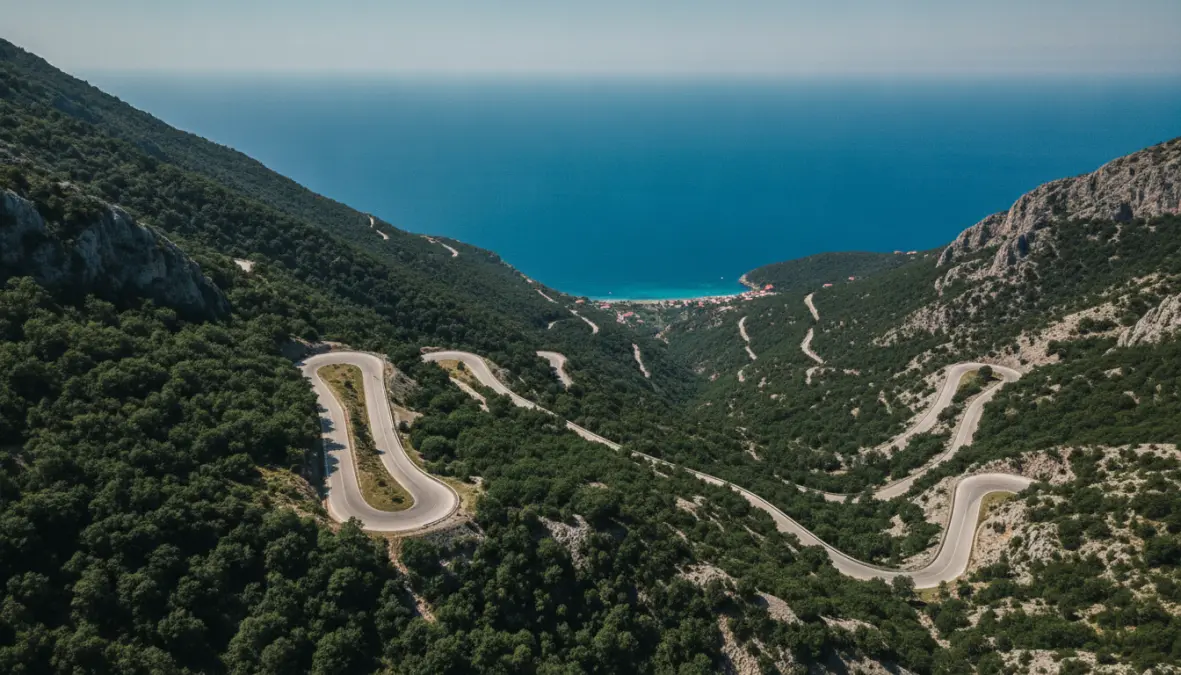
Dhermi sits perched on a hillside with spectacular views over its white pebble beach below. The upper village retains traditional architecture and a peaceful atmosphere, while the beach area comes alive in summer with beach clubs and water sports. Dhermi attracts a younger, more party-oriented crowd, especially during summer festivals. The dramatic drive through Llogara Pass to reach Dhermi from the north is an experience in itself—hairpin turns reveal panoramic views over the entire Mediterranean coast.
Borsh, further north, remains one of the least developed towns, offering the longest beach on the Albanian Riviera (over 7 kilometers). It’s perfect for travelers seeking tranquility and willing to sacrifice some tourist infrastructure for an authentic, local experience.
Beaches, Activities, and Practical Travel Tips for the Albanian Coast
The albanian riviera beaches vary significantly in character, and knowing what to expect helps you choose the right spots for your albanian coast travel adventure along the Ionian Sea Albania.
Best Beaches and Coastal Experiences
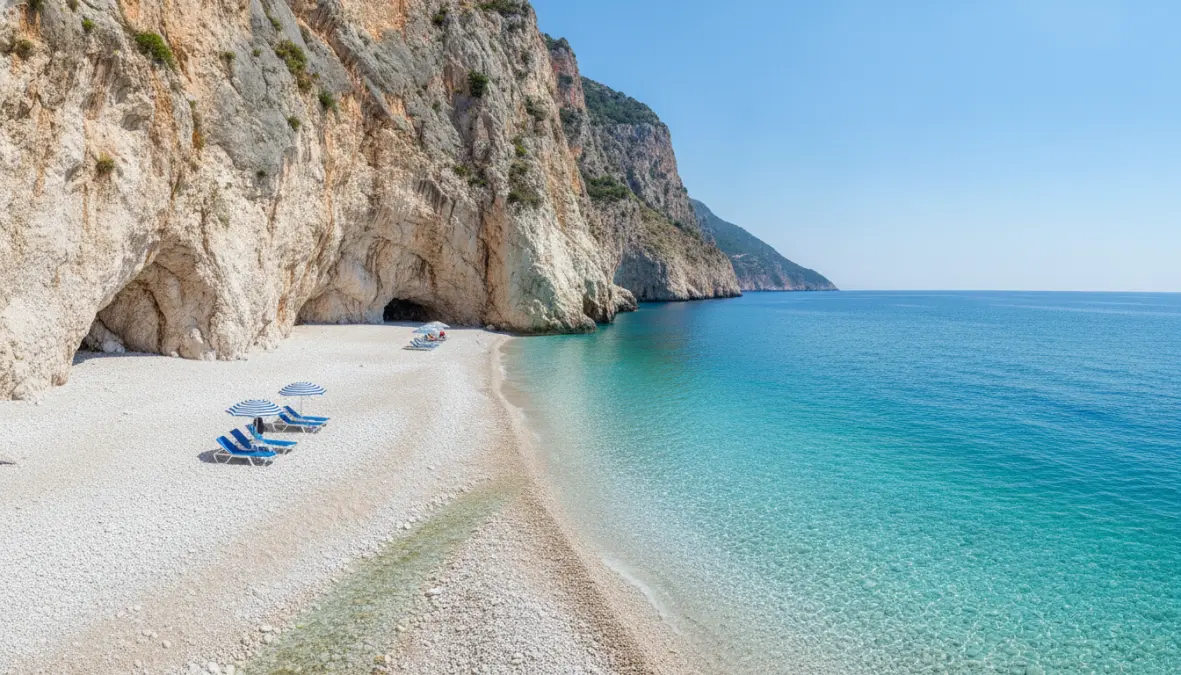
When considering the best beaches in albanian riviera, Gjipe Beach consistently tops the list. Accessible only by a 20-minute hike or by boat, this secluded canyon beach features dramatic cliffs on both sides, a small freshwater stream, and excellent camping opportunities. It’s perfect for adventurous travelers who don’t mind the lack of facilities.
Mirror Beach (Pasqyra Beach) near Sasaj lives up to its name with calm, reflective waters and a stunning backdrop of limestone cliffs. Bunec Beach offers a more family-friendly environment with shallow waters and some beach facilities. Jale Beach attracts a younger crowd with its beach bars and water sports, including kayaking and paddleboarding.
Most beaches along this coastline are pebble or small stone rather than sand—bring water shoes for comfortable swimming. The rocky seabed creates exceptionally clear water, making snorkeling rewarding even close to shore. Several operators in Himara and Saranda offer boat tours to hidden caves and remote beaches accessible only by sea, including the famous Pirate’s Cave near Dhermi.
Getting Around and Where to Stay
For those wondering how to visit albanian riviera, the main entry point is Tirana International Airport. From there, you can take a bus to Vlore (about 2.5 hours, €10) and continue south along the coast, or head directly to Saranda (6-7 hours total). During summer, direct buses run from Tirana to major Riviera towns. Alternatively, fly into Corfu and take a ferry to Saranda—a scenic 30-minute journey.
Renting a car provides maximum flexibility for exploring hidden beaches and mountain villages, and it’s surprisingly affordable (€25-35 per day). The coastal road between Vlore and Saranda is well-maintained, though the dramatic Llogara Pass section requires confident driving. Public buses connect major towns, but schedules can be unreliable and don’t serve smaller beaches.
Regarding where to stay in albanian riviera, guesthouses and small hotels offer the best value, typically €30-60 per night with breakfast included. Himara and Dhermi have growing numbers of modern apartments and boutique hotels, while Saranda offers everything from hostels (€10-15 per bed) to upscale resorts. For budget travel albanian riviera style, expect to spend €40-60 daily including accommodation, meals, and activities—significantly less than most Mediterranean destinations, making it comparable to budget-friendly destinations elsewhere in the world.
Albania uses the Lek (ALL), though euros are widely accepted. ATMs are available in larger towns. The region is very safe for tourists, with locals notably friendly and helpful. Wi-Fi is standard in accommodations, though mobile coverage can be spotty in remote areas.
FAQ: Planning Your Albanian Riviera Trip
How many days do you need for the Albanian Riviera?
A minimum of 5-7 days allows you to visit the main towns and beaches without rushing. Ten days to two weeks is ideal for exploring thoroughly, including day trips to inland attractions like Gjirokastër and the Blue Eye spring, plus time for hiking and relaxation.
Is the Albanian Riviera safe for tourists?
Yes, the Albanian Riviera is very safe for tourists. Albania has low crime rates, and coastal areas are particularly secure. Standard travel precautions apply—watch your belongings on crowded beaches and avoid leaving valuables in parked cars.
What’s the difference between the Albanian Riviera and the Albanian coast?
The Albanian Riviera specifically refers to the southern coastal stretch from Vlore to Saranda along the Ionian Sea, known for its dramatic scenery and tourist development. The Albanian coast includes the entire coastline, including the Adriatic Sea beaches north of Vlore, which have a different character—flatter, sandier, and less dramatic.
Do I need a car to explore the Albanian Riviera?
Not necessarily, but it helps significantly. Buses connect major towns, and taxis are affordable for short trips. However, a rental car provides freedom to discover hidden beaches, visit mountain villages, and travel on your own schedule—especially valuable for reaching spots like Gjipe Beach or exploring the pass roads.
What currency is used in Albania?
The official currency is the Albanian Lek (ALL), with approximately 100 Lek equaling €1. Euros are widely accepted in tourist areas, though you’ll get better value paying in Lek. Credit cards work in larger establishments, but carry cash for smaller guesthouses, beach bars, and local restaurants.
The Albanian Riviera represents what the Mediterranean used to be before mass tourism transformed it—a place where locals still outnumber visitors, where beaches remain pristine, and where your travel budget stretches comfortably. Whether you’re comparing the albanian riviera vs greek islands or simply seeking an off-the-beaten-path coastal escape, this stunning stretch of coastline delivers authentic experiences that feel increasingly rare in today’s travel landscape. Pack your swimsuit, download your albanian riviera travel guide, and discover this Mediterranean secret while it still feels like your own private discovery. For more tips on traveling responsibly to emerging destinations, check out this sustainable travel guide.