Chobe River Safari: Your Complete Guide to Botswana’s Best Boat and Game Drive Experience
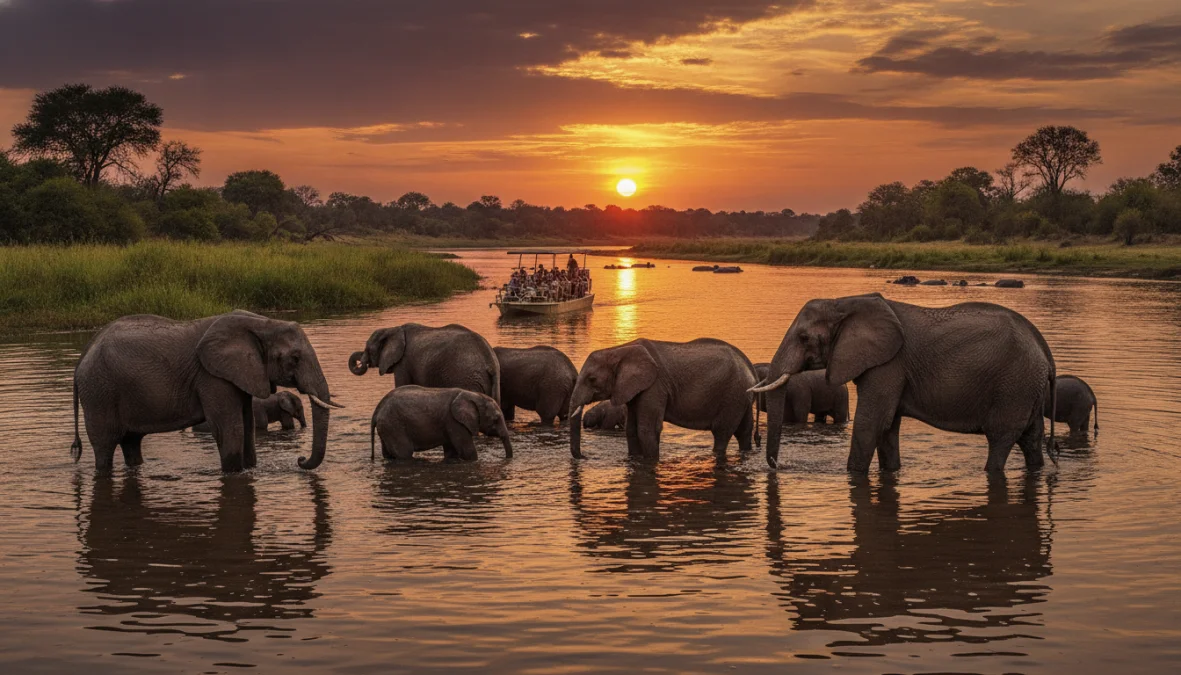
Picture this: you’re gliding silently along the Chobe River at sunset, watching a herd of elephants wade into the water just meters from your boat, while hippos snort nearby and hundreds of birds take flight in a spectacular display. That’s the magic of a chobe river safari – one of Africa’s most thrilling wildlife experiences that combines the best of both aquatic and terrestrial game viewing. Nestled in the northern corner of Botswana where four countries converge, Chobe National Park is home to the world’s second-largest elephant population and offers a safari experience unlike anywhere else on the continent.
What Makes Chobe River Safari Unique: Combining Water and Land Experiences
The chobe river safari stands out from typical African safaris because it offers two completely different perspectives on the same incredible ecosystem. The Chobe River forms the northern boundary of the park, creating a year-round water source that attracts an extraordinary concentration of wildlife – especially during the dry season when over 120,000 elephants migrate to the area.
What makes this destination truly special is its dual-safari format. A boat cruise along the river gives you eye-level access to animals as they drink, bathe, and interact with the water. You’ll witness elephants swimming between islands, crocodiles sunbathing on riverbanks, and massive pods of hippos floating just below the surface. Meanwhile, a traditional game drive through the park’s interior reveals a different side of the ecosystem – the predators, browsers, and grazers that inhabit the floodplains and woodlands.
These two experiences are genuinely complementary rather than repetitive. The boat safari excels during the heat of the day when animals congregate at the water’s edge, while game drives shine in the early morning and late afternoon when predators are most active. Together, they provide a 360-degree view of one of Africa’s most biodiverse environments. The seasonal variations add another layer of interest – during the dry season (May to October), wildlife viewing is at its peak as animals concentrate around the river, while the wet season (November to April) transforms the landscape into a lush, green paradise perfect for birdwatching and seeing newborn animals.
Planning Your Chobe River Safari: Boat Cruises, Game Drives, and What to Expect
Timing is everything when it comes to maximizing your chobe river safari experience. Most visitors opt for a morning game drive (typically 6:00-9:30 AM) followed by an afternoon boat safari (3:00-6:00 PM), though you can absolutely reverse this order depending on availability and preference.
Morning game drives capitalize on the cooler temperatures when predators like lions, leopards, and wild dogs are still hunting. You’ll explore the Chobe riverfront area and venture deeper into the park’s interior, where the changing light creates spectacular photography opportunities. These drives usually last 3-4 hours and cover significant ground in open safari vehicles.
Afternoon boat cruises are legendary for a reason. As temperatures rise, animals return to the river to drink and cool off, creating some of the most memorable wildlife encounters you’ll ever experience. A typical boat cruise lasts 2-3 hours and positions you remarkably close to the action – think elephants spraying water just meters away and hippos emerging right beside your vessel.
When it comes to what to bring, pack light but smart. Essentials include sunscreen, a wide-brimmed hat, polarized sunglasses, and layers (mornings can be chilly). For photographers, bring a telephoto lens (200-400mm is ideal), extra batteries, and a bean bag or stabilizer for shooting from the boat. Neutral-colored clothing (khaki, olive, beige) helps you blend in, and closed-toe shoes are recommended for game drives. Most importantly, bring binoculars – even budget models will dramatically enhance your experience.
If you’re planning multiple safari experiences in Africa, consider reading our guide on private safari vs group safari options to determine which format suits your travel style best.
Wildlife You’ll Encounter on Boat and Land
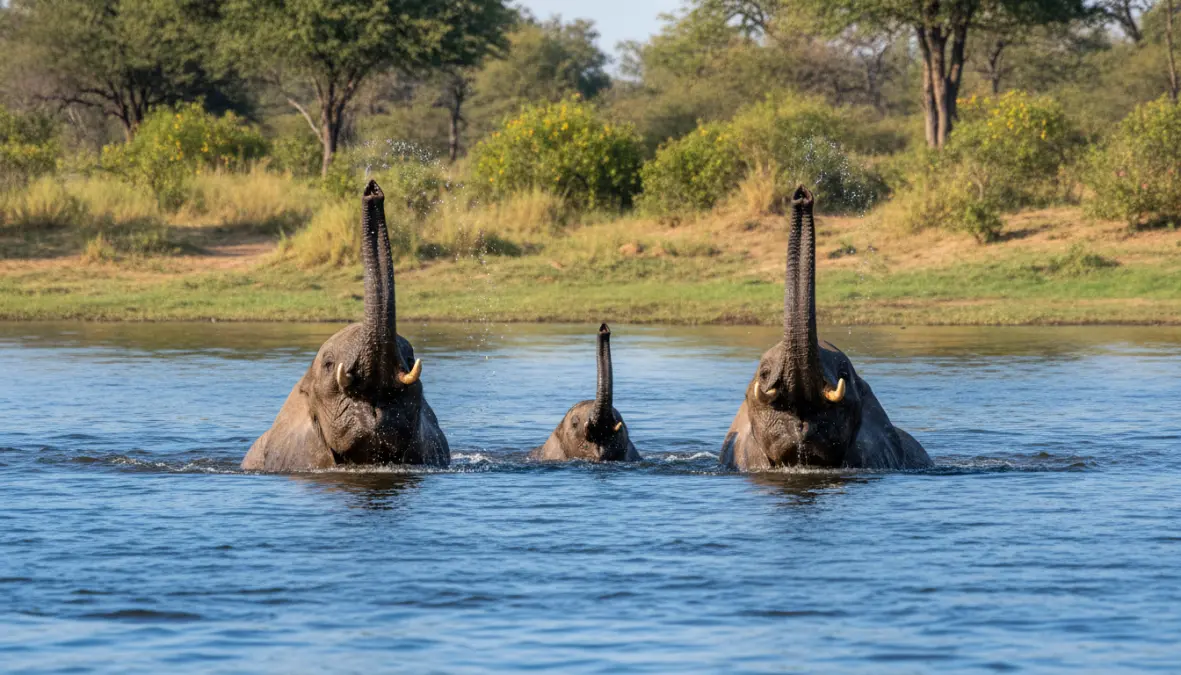
The wildlife diversity at Chobe is staggering, but what you see depends heavily on whether you’re on water or land. From the boat, elephants are the undisputed stars – watching entire family groups swim across the river or playfully spray water is unforgettable. You’ll also encounter massive hippo pods (sometimes 30+ individuals), basking crocodiles that can exceed 16 feet in length, and water monitors prowling the shoreline.
Birdwatchers will be in paradise, as Chobe hosts over 450 bird species. African fish eagles, malachite kingfishers, carmine bee-eaters, and sacred ibis are common sightings from the boat. During the wet season, migratory species swell these numbers even further.
Game drives reveal the terrestrial side of Chobe. While you might still spot elephants and buffalo near the riverfront, venturing inland increases your chances of seeing predators. Lions are relatively common, leopards frequent the woodland areas, and if you’re exceptionally lucky, you might encounter the endangered African wild dog. Antelope species abound – kudu, impala, waterbuck, and lechwe – along with giraffes, zebras, and warthogs.
The behavioral differences are fascinating. River elephants are often more relaxed and playful, while those in the bush tend to be more cautious. Hippos that seem docile in water can be surprisingly aggressive on land during night movements.
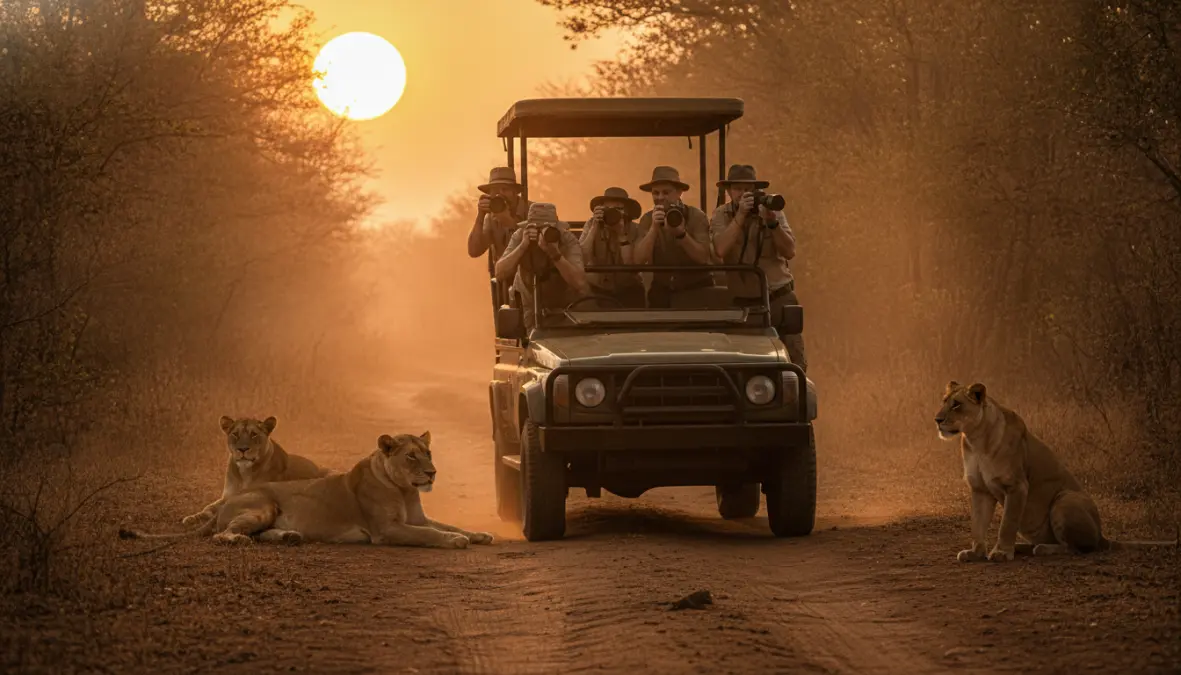
Choosing Your Safari Option: Day Trips vs Multi-Day Packages
Most visitors base themselves in Kasane, the gateway town to Chobe National Park, and choose between day trips and longer packages. Day trips are popular and practical – you can easily combine a morning game drive with an afternoon boat cruise for around $80-150 per person, depending on the operator and group size. These typically include park entry fees, experienced guides, and sometimes light refreshments.
Multi-day packages offer deeper immersion and better value if you have the time. A 2-3 day stay at one of the lodges inside or near the park (ranging from $200-800+ per person per night) usually includes multiple game drives, boat safaris, all meals, and accommodations. Luxury options provide private vehicles, expert guides, and prime locations for wildlife viewing.
When choosing a tour operator, prioritize experience and knowledge over the cheapest price. Professional guides make an enormous difference in what you see and learn. Check reviews carefully, ask about vehicle quality and group sizes (smaller is better), and confirm exactly what’s included – some operators charge extra for park fees or drinks.
For those interested in other unique safari experiences, our Okavango Delta safari guide explores another spectacular Botswana destination just a few hours south of Chobe.
Frequently Asked Questions About Chobe River Safari
How long is a typical Chobe river safari?
A boat cruise typically lasts 2-3 hours, while a game drive runs 3-4 hours. Many visitors do both in a single day – a morning drive followed by an afternoon cruise, or vice versa. This combination gives you 5-7 hours of wildlife viewing from different perspectives.
Is Chobe river safari safe?
Absolutely. Experienced guides understand animal behavior and maintain safe distances while still providing excellent viewing opportunities. Boats are stable and designed for safari use, and game drive vehicles are built for both safety and visibility. As long as you follow your guide’s instructions – never standing up without permission, staying quiet when requested – you’ll be perfectly safe.
Can you do both boat and game drive in one day?
Yes, this is actually the most common format. The combination typically works as either a full-day package or split between morning and afternoon. Many operators specifically design their tours to include both experiences, recognizing that each offers unique wildlife encounters that complement each other perfectly.
What’s the best time of day for Chobe river safari?
For boat cruises, late afternoon (3:00-6:00 PM) is magical – the light is beautiful for photography, animals are active at the water’s edge, and you’ll often catch a spectacular sunset. Game drives are best in early morning (6:00-9:30 AM) when temperatures are cool and predators are still active. The midday heat is generally the least productive time for wildlife viewing on land.
Do I need a visa for Botswana?
Many nationalities (including US, UK, EU, and Australian citizens) receive a free 90-day tourist visa on arrival. However, requirements change, so always check current regulations before traveling. If you’re combining Chobe with Victoria Falls in Zimbabwe or Zambia, you may need additional visas – a KAZA UniVisa covers both Zambia and Zimbabwe if you’re doing cross-border trips.
A chobe river safari delivers exactly what you hope for from an African adventure – close encounters with incredible wildlife, stunning landscapes, and experiences you’ll remember for a lifetime. Whether you have just a day or can spare several, combining boat and land safaris gives you the complete Chobe experience. Start planning your journey to this remarkable corner of Botswana, and prepare to witness nature at its most spectacular.