
Marrakech Souks Shopping Guide: How to Navigate Markets and Haggle Like a Local
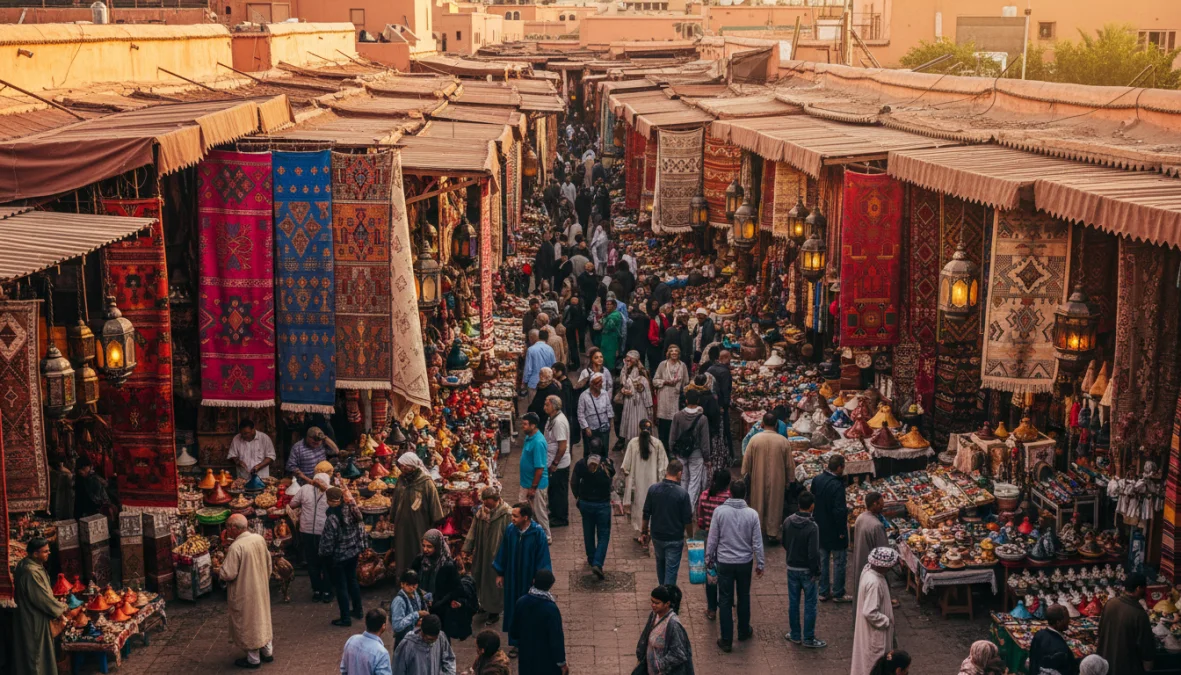
The labyrinthine souks of Marrakech are a sensory explosion that can overwhelm even seasoned travelers. Narrow alleyways overflow with vibrant textiles, the air thick with exotic spices, and merchants calling out in a melodic mix of Arabic, French, and Berber. This marrakech souks guide will help you navigate the maze like a confident local, score authentic treasures, and master the delicate dance of negotiation without getting lost—literally or financially.
Understanding the Marrakech Souks: Layout and Main Market Areas
The marrakech medina shopping experience begins at the iconic Djemaa el Fna square, your compass point for navigating the sprawling marrakech bazaar guide. From this bustling epicenter, the souks spread northward like arterial veins, each specializing in different crafts and goods. Understanding this layout is your first step toward confident exploration.
Souk Semmarine serves as the main covered thoroughfare leading north from Djemaa el Fna. This wide, shaded passage is your primary navigation route, lined with shops selling everything from colorful babouches to intricate lanterns. Branch off from here and you’ll discover specialized souks: Souk el Attarine for aromatic spices and perfumes, Souk Cherratine for leather goods, and the photogenic Souk des Teinturiers where vibrant dyed fabrics hang like rainbow waterfalls.
The best time to visit marrakech souks is early morning (9-11 AM) when the crowds are thinner and shopkeepers are fresh and friendly. Late afternoon brings locals doing their shopping, creating authentic atmosphere but more congestion. Most shops close during Friday prayers and in August many vendors take vacations. Pro tip: Download an offline map before entering—GPS signals can be spotty in the covered passages, and getting slightly lost is part of the adventure, but knowing your general direction helps.
Souk Semmarine and the Spice Markets
Souk Semmarine marrakech is your gateway to everything: textiles cascade from ceiling hooks, ceramic tajines stack in precarious pyramids, and ornate lanterns and lamps cast dancing shadows. But venture deeper toward Souk el Attarine and you’ll enter the intoxicating realm of the marrakech spice market.
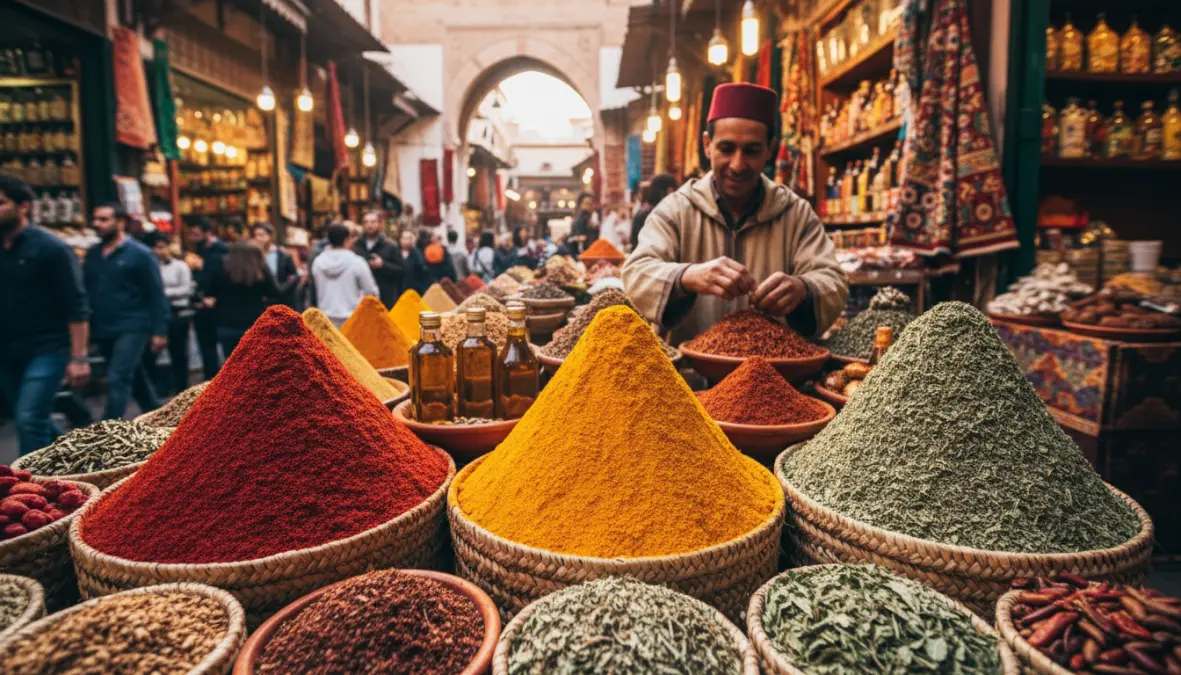
Pyramids of vibrant spices create a photographer’s paradise—crimson paprika, golden turmeric, earthy cumin, and the prized saffron threads. The signature Moroccan spice blend, ras el hanout (literally “top of the shop”), contains up to 30 different spices. Quality argan oil products are abundant here, but beware of diluted versions; authentic culinary argan oil should smell nutty and cost around 100-150 dirham for a decent bottle. Look for cooperatives’ labels as authenticity markers.
When buying spices, purchase small quantities to ensure freshness. Ask vendors to grind whole spices in front of you—pre-ground versions lose potency quickly. A 100-gram bag of quality ras el hanout should cost 20-40 dirham after negotiation.
Leather Goods and Artisan Quarters
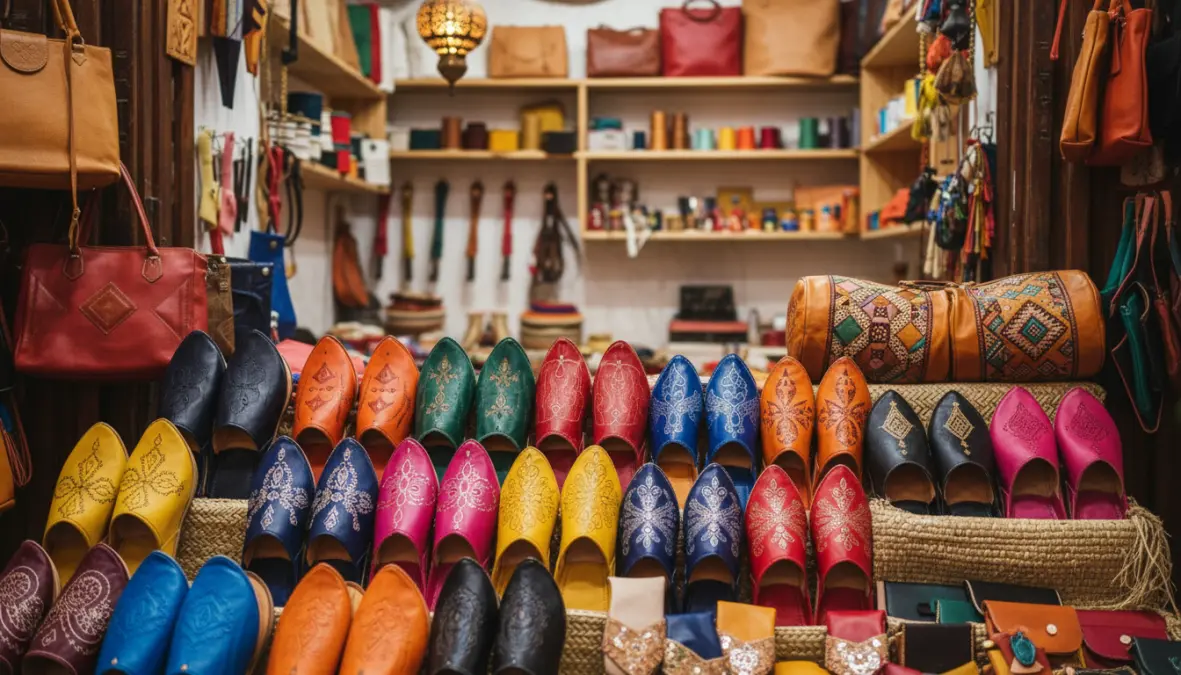
The marrakech leather goods section centers around Souk Cherratine and nearby Souk Smata. Here you’ll find everything from soft leather babouches (traditional slippers) to messenger bags, poufs, and jackets. The famous tanneries lie just beyond the main souk area—visiting them offers insight into the traditional leather-making process, though the pungent smell isn’t for everyone.
Quality indicators for leather: suppleness, even coloring, and tight stitching. Genuine soft leather babouches should cost 80-150 dirham after haggling, while a quality leather bag ranges from 300-800 dirham depending on size and craftsmanship. Beware of synthetic leather passed off as genuine—real leather has an irregular texture and distinctive smell. Visit artisan workshops tucked in the souk’s corners where craftsmen work; buying directly from makers often yields better prices and guaranteed authenticity.
Mastering the Art of Haggling in Moroccan Souks
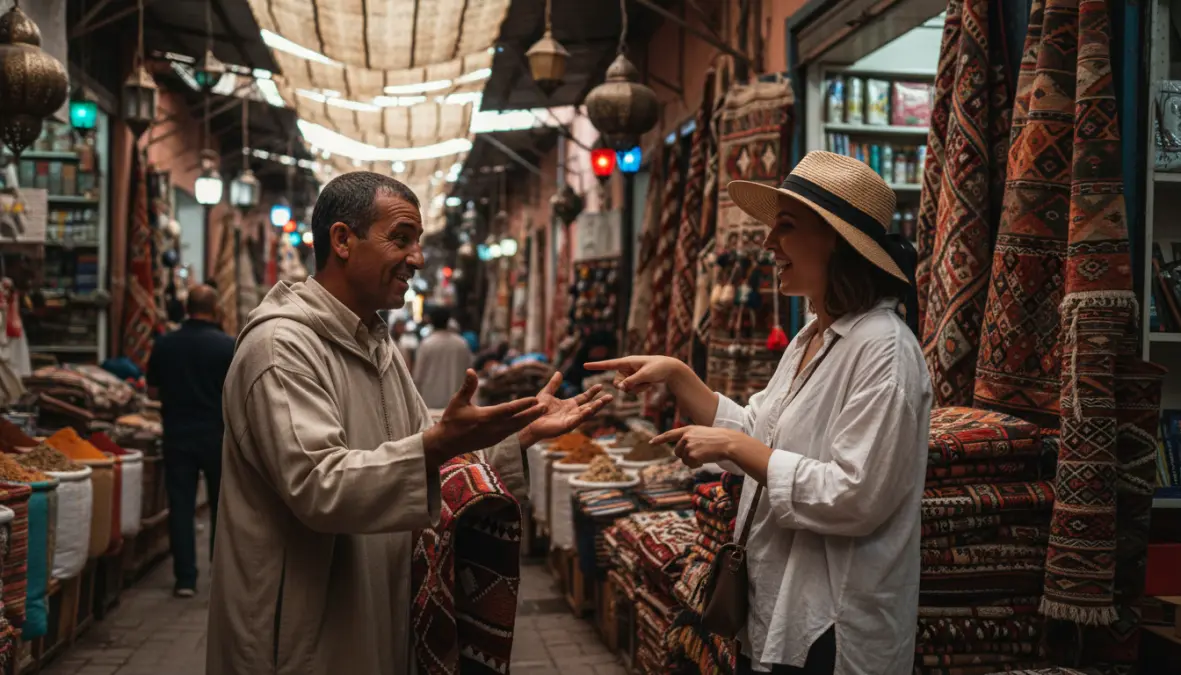
Understanding haggling in morocco is essential—it’s not just accepted, it’s expected and forms part of the social fabric. Refusing to negotiate might actually offend vendors who view the back-and-forth as relationship-building. Here’s how to haggle in marrakech markets effectively.
Start by browsing without commitment. When something catches your eye, ask the price casually. The initial quote will be inflated—sometimes 3-5 times the actual value. Counter with 30-40% of their asking price. The vendor will act shocked, you’ll shrug and start walking away, they’ll call you back with a lower number. This dance continues until you meet somewhere around 50-60% of the original price for most items.
Negotiating prices effectively requires reading the situation. For berber rugs and high-ticket items, expect longer negotiations. A vendor might serve you mint tea—accepting doesn’t obligate you to buy, but does create social pressure. Use this to your advantage: ask about the item’s origin, craftsmanship, and materials. Genuine interest often yields better prices than aggressive tactics.
Useful phrases: “Shwiya” (a little) when they quote a price, “Bzaf” (too much), “Safi” (okay/enough) when you’ve reached your limit. Learn numbers in Arabic for clarity. Body language matters—appear relaxed and willing to walk away. Buying multiple items from one vendor significantly improves your bargaining position.
Fixed-price items include food, pharmacy goods, and clearly marked cooperative shops. Don’t haggle at these establishments. For everything else, negotiate respectfully. Remember: if you agree on a price, you’re ethically obligated to complete the purchase. Fair pricing means both parties feel satisfied—not that you’ve squeezed every dirham out of a small artisan. Similar to planning sustainable travel, consider the ethical implications of your bargaining.
Essential Shopping Tips and Local Insider Advice
Smart marrakech medina shopping starts with preparation. Always carry cash in dirham—most souk vendors don’t accept cards, and you’ll lose money at poor exchange rates if paying in euros or dollars. ATMs near djemaa el fna market dispense dirham, but withdraw larger amounts to minimize fees.
You’ll encounter unofficial “guides” offering help—politely decline unless you’ve hired someone legitimate through your riad. These individuals receive commissions from shops they lead you to, inflating your prices. If someone insists on showing you around, a firm “La, shukran” (No, thank you) usually suffices.
What to buy in marrakech souks? Top authentic souvenirs include moroccan handicrafts like handwoven Berber rugs (ask for certificates of authenticity), traditional ceramics from Safi or Fez (distinguished by intricate patterns), culinary argan oil, quality spices, leather babouches, silver Berber jewelry, decorative tajines (cooking vs. serving styles exist), and hand-hammered tea sets. Among textile merchants, look for genuine silk scarves and embroidered pillows.
Avoid mass-produced “Moroccan” items actually manufactured in China—telltale signs include perfectly uniform patterns, synthetic materials, and suspiciously low prices. For large purchases like rugs or furniture, reputable shops offer international shipping services (factor this into your budget and negotiations).
How to avoid scams in marrakech souks: Watch your belongings constantly—pickpockets target distracted tourists. Don’t let vendors “gift” you items then demand payment. Compare prices across multiple shops before committing. For expensive items like carpets, consider a guided tour of marrakech souks with a certified guide who can verify authenticity and assist with fair negotiations.
Want less touristy experiences? Visit Mellah Market for local produce and daily goods, or explore the souks in the Gueliz neighborhood where Moroccans shop. Just as travelers seek authentic experiences when visiting destinations covered in guides like the European spring city break guide, venturing beyond main tourist areas reveals Marrakech’s genuine character.
FAQ: Marrakech Souks Shopping
What time do the Marrakech souks open and close?
Most souks open around 9 AM and close between 7-8 PM, though hours vary by season and individual vendors. Friday mornings see reduced activity due to prayers. Some shops close for lunch (1-3 PM), particularly in summer heat.
Is it safe to shop in the medina souks?
Yes, the souks are generally safe during daylight hours. Stick to populated areas, watch your belongings, and trust your instincts. Avoid empty alleyways after dark. Solo travelers should take the same precautions as in any crowded tourist area worldwide.
How much should I haggle in Marrakech markets?
Aim to pay 40-60% of the initial asking price for most items. Start your counter-offer at 30-40% and negotiate upward. For high-value items like quality rugs, settling around 50% is reasonable. Food and marked-price shops don’t negotiate.
What are the best things to buy in Marrakech souks?
Top purchases include argan oil, spices (ras el hanout, saffron), leather goods (babouches, bags), Berber rugs, traditional ceramics, lanterns, silver jewelry, and handcrafted textiles. Focus on items difficult to find elsewhere that showcase genuine Moroccan craftsmanship.
Can I use credit cards in the souks?
Rarely. The vast majority of souk vendors operate cash-only. Some larger, tourist-oriented shops accept cards but may add surcharges. Bring sufficient dirham in small denominations for easier transactions and negotiations.
Shopping the Marrakech souks transforms from overwhelming chaos into exhilarating adventure once you understand the rhythm. Embrace the haggling, trust your instincts about quality, and remember that the best souvenirs carry stories of genuine human connection—that spirited negotiation over mint tea, the artisan who showed you his workshop, the unexpected turn down a silent alley that revealed a hidden gem. These memories, like the treasures you’ll carry home, are priceless.