Victoria Falls Guide: Everything You Need to Know About the World’s Largest Waterfall
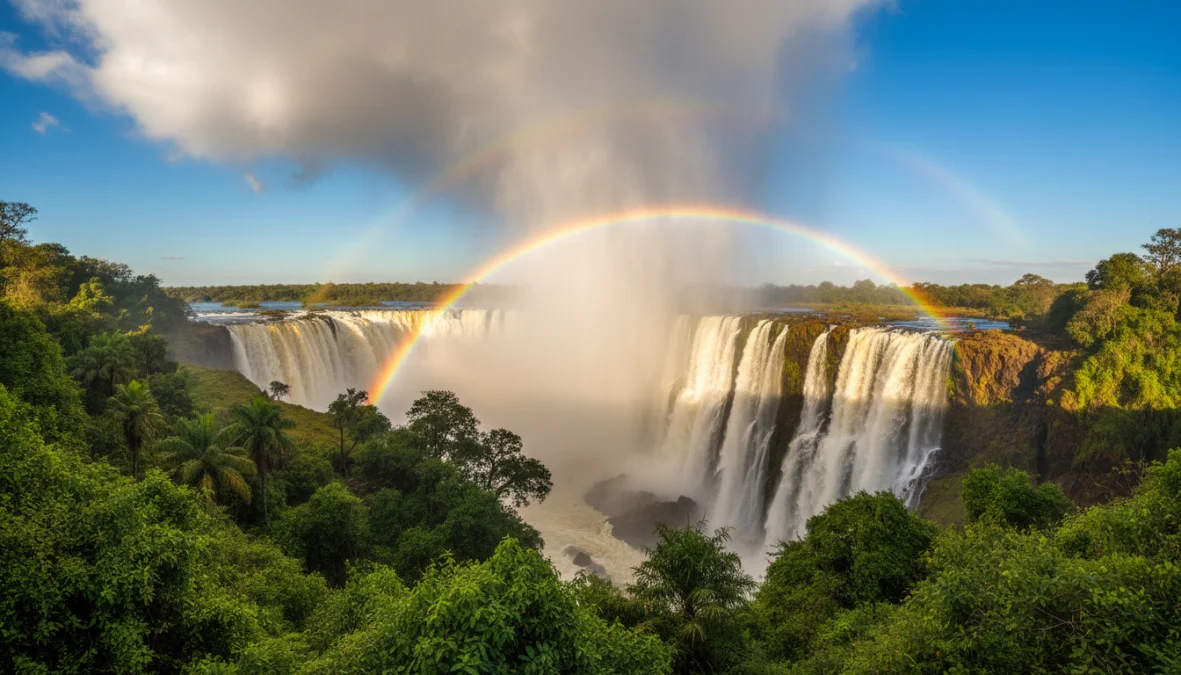
Standing at the edge of Victoria Falls, with the roar of 550 million liters of water plunging over a 108-meter cliff every minute, you’ll understand why the local name means “The Smoke That Thunders.” Whether you’re planning your first visit or dreaming about this natural wonder, this victoria falls guide covers everything you need to transform your trip into an unforgettable adventure. From choosing between the Zimbabwe and Zambia sides to timing your visit for Devil’s Pool or catching a rare lunar rainbow, let’s dive into what makes Victoria Falls one of the planet’s most spectacular destinations.
Understanding Victoria Falls: Location, Best Time to Visit & What to Expect
Located on the border between victoria falls zimbabwe zambia, this UNESCO World Heritage Site straddles the mighty Zambezi River. The local Kololo tribe named it Mosi-oa-Tunya (The Smoke That Thunders), a name that perfectly captures the massive spray cloud visible from 30 kilometers away. While not technically the tallest or widest waterfall globally, Victoria Falls claims the title of world’s largest due to its combined width (1,708 meters) and height (108 meters), creating the largest sheet of falling water on Earth.
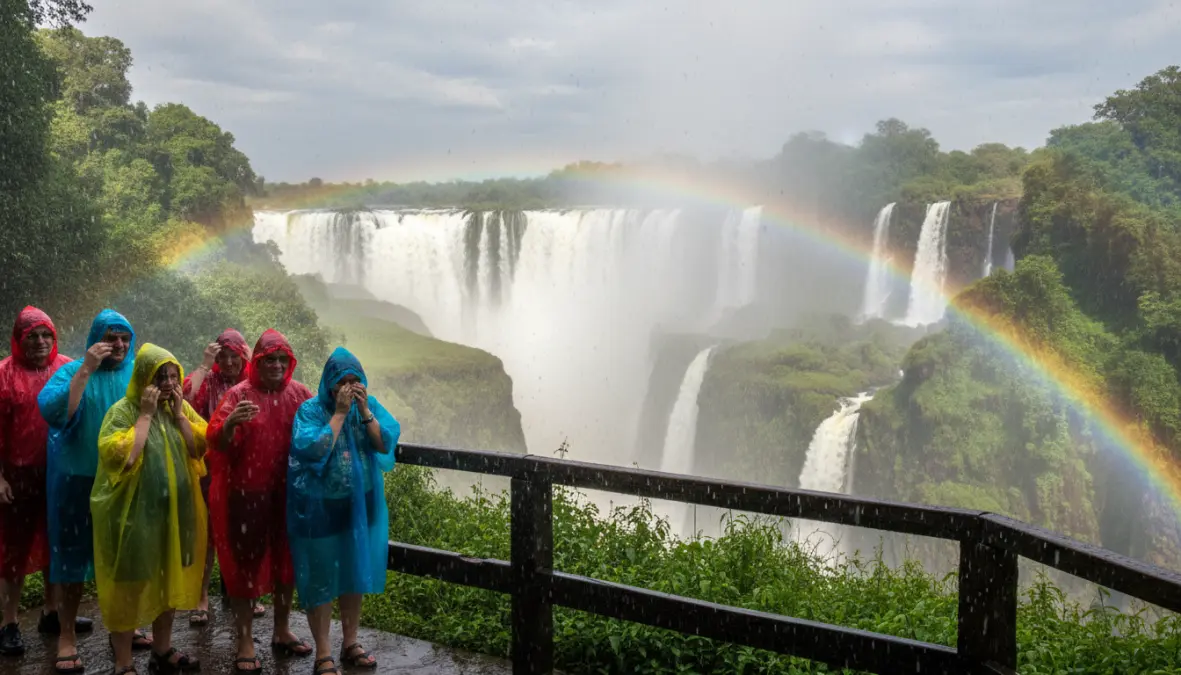
Understanding seasonality is crucial for victoria falls tourism. The wet season (February to May) brings peak water flow, creating an absolutely thunderous spectacle with spray reaching 400 meters high—you’ll get drenched even from viewpoints. The dry season (September to December) reduces flow by up to 90%, but reveals the falls’ geological structure and allows access to Devil’s Pool. For the best time to visit victoria falls, consider your priorities: April-May for maximum drama and the rare lunar rainbow (full moon nights), September-December for Devil’s Pool and clearer photography, or June-August for balanced water levels and pleasant temperatures (15-27°C).
Top Victoria Falls Activities and Attractions
Your victoria falls travel guide wouldn’t be complete without exploring the incredible range of victoria falls activities available. The falls themselves are just the beginning—this destination offers everything from serene wildlife encounters to heart-pounding adventure sports.
Viewpoints and Walking Trails
The Zimbabwe side offers the classic Rainforest Walk, a paved 2-kilometer trail with 16 designated viewpoints that showcase different sections of the falls. You’ll experience the Main Falls, Horseshoe Falls, Rainbow Falls, and the dramatic Devil’s Cataract. During high water season, bring waterproof bags for cameras and phones—the spray is intense enough to soak you completely. The Zambia side features fewer tourists and a different perspective, with the Knife-Edge Bridge providing breathtaking views directly over the Eastern Cataract. For photographers seeking the best angles, Danger Point (Zimbabwe) and the Boiling Pot viewpoint offer spectacular opportunities, especially during golden hour when rainbows dance through the mist.
Adventure Activities and Wildlife Experiences
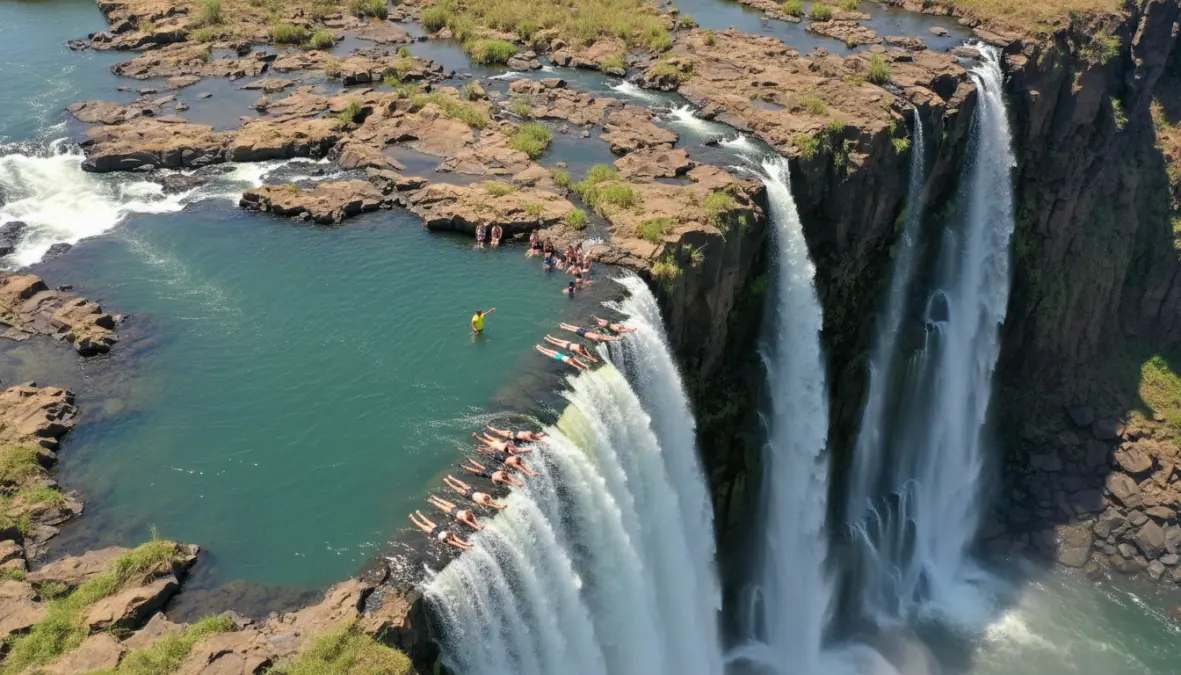
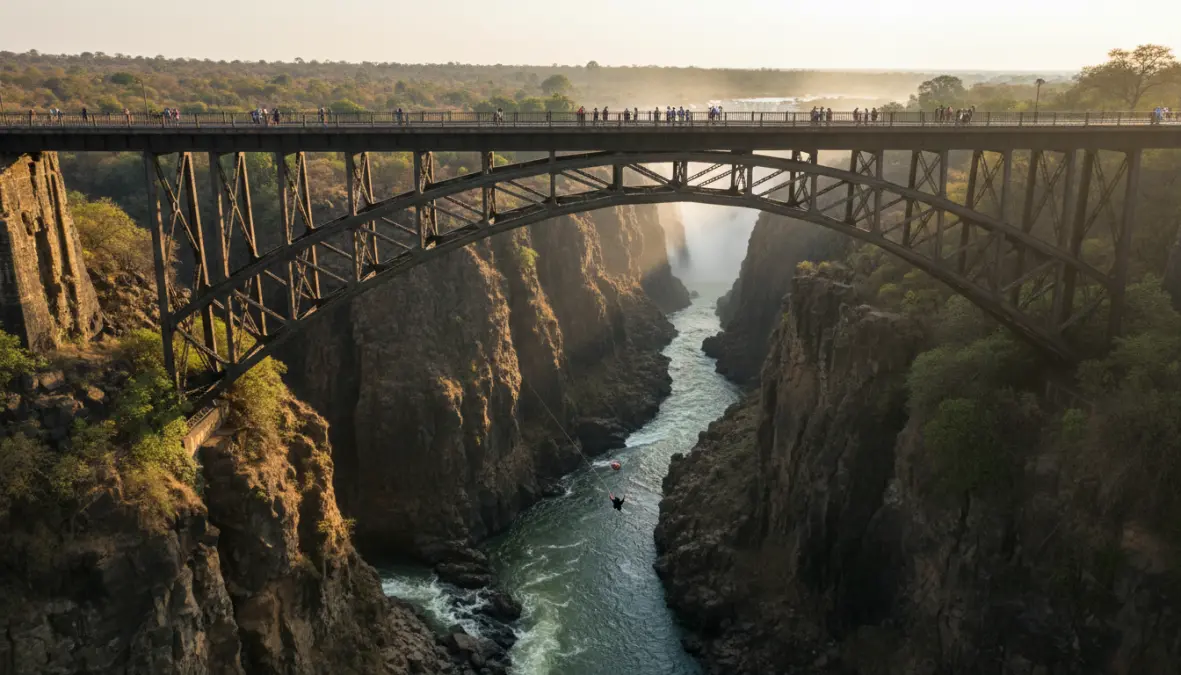
Devil’s Pool tops many bucket lists—this natural infinity pool on the Zambian edge lets you swim right to the precipice during low water months (typically September-December). Book months in advance as spots fill quickly. For adrenaline junkies, bungee jumping from the 111-meter-high Victoria Falls Bridge delivers an unforgettable 4-second freefall with the gorge rushing up to meet you.
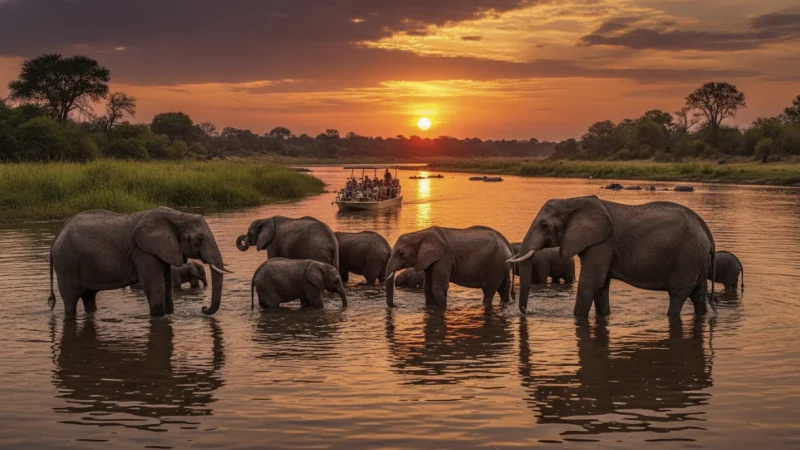
White water rafting on the Zambezi below the falls ranks among the world’s best, with Grade 5 rapids offering wild rides through narrow gorges (best during low water season). Sunset cruises provide a gentler alternative, gliding past hippos and elephants while sipping sundowners. The victoria falls helicopter tour cost runs $150-330 for 13-25 minute “Flight of Angels” experiences—absolutely worth it for aerial perspectives of the entire falls and zigzagging gorges.
Beyond the falls, wildlife safaris in Zambezi National Park (Zimbabwe) or Mosi-oa-Tunya National Park (Zambia) offer walking safaris with rhinos and game drives spotting elephants, buffalo, and lions. Zip-lining, gorge swings, and canopy tours add variety to any victoria falls day trip itinerary.
Practical Information for Visiting Victoria Falls
Planning the logistics for visiting victoria falls requires understanding the two-country setup. You can fly into Victoria Falls Airport (Zimbabwe) or Livingstone Airport (Zambia), both serviced by regional carriers from Johannesburg, Cape Town, and Nairobi. The airports sit just 20-25 minutes from the falls on their respective sides.
The big question: which side to choose? Zimbabwe offers more viewpoints (about 75% of the falls’ frontage) and better infrastructure, making it ideal if you have limited time. Zambia provides closer encounters with certain sections, easier access to Devil’s Pool, and generally fewer crowds. Most travelers spending 2-3 days visit both sides using the KAZA UniVisa ($50, valid for both countries) or separate visas. Day-trip visas cost around $30-50 depending on nationality. Cross the Victoria Falls Bridge on foot for a unique border crossing experience.
Entry fees to the national parks run approximately $30-50 per person. For victoria falls hotels and accommodation, Zimbabwe’s Victoria Falls town offers everything from backpacker lodges ($20-40/night) to the historic Victoria Falls Hotel ($400+/night). Livingstone town on the Zambian side provides similar ranges, often with slightly better value. Book adventure activities in advance, especially during peak season (July-October).
Essential packing for what to do at victoria falls: waterproof bags and phone cases, quick-dry clothing, sturdy hiking shoes with good grip (trails get slippery), and anti-malarial medication—this is a malaria zone, so take prophylaxis and use insect repellent. Both countries use US dollars widely, though local currencies (Zimbabwean Bond notes and Zambian Kwacha) work too.
FAQ
Which side of Victoria Falls is better Zimbabwe or Zambia?
Zimbabwe offers more viewpoints and better infrastructure, while Zambia provides fewer crowds and access to Devil’s Pool. Visit both if time allows.
How many days do you need at Victoria Falls?
2-3 days is ideal—one day for viewpoints on both sides, one for adventure activities, and one for wildlife or relaxation.
Can you swim in Victoria Falls?
Yes, but only in Devil’s Pool (Zambia side) during low water season (September-December) with guided tours. Swimming elsewhere is extremely dangerous.
Is Victoria Falls worth visiting during dry season?
Absolutely. You’ll see the geological structure, access Devil’s Pool, enjoy clearer photography, and still witness impressive (though reduced) water flow.
What does Mosi-oa-Tunya mean?
It means “The Smoke That Thunders” in the Kololo language, referring to the massive spray cloud created by the falls.
Do I need a visa to visit Victoria Falls?
Most nationalities need visas for both Zimbabwe and Zambia. The KAZA UniVisa ($50) covers both countries for 30 days.
So, is victoria falls worth visiting? Without question. While debates like victoria falls vs iguazu falls spark traveler discussions, Victoria Falls’ unique combination of raw power, diverse activities, and accessible wildlife creates an experience unlike anywhere else. Whether you’re standing in the spray at Danger Point, plunging off the bridge on a bungee cord, or floating in Devil’s Pool at the edge of the abyss, Victoria Falls delivers moments that will stay with you forever. Start planning your journey to The Smoke That Thunders—this natural wonder isn’t just worth visiting, it’s essential.