Exploring Morocco’s Blue City: A Complete Chefchaouen Travel Guide
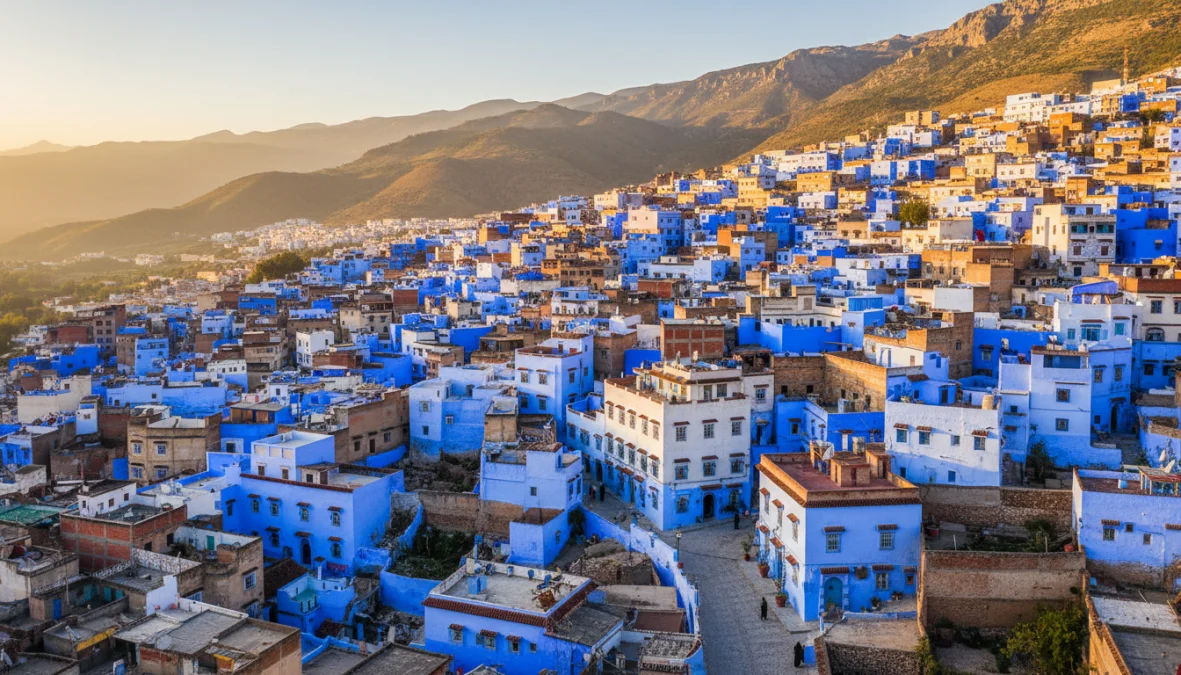
Nestled high in the Rif Mountains of northwest Morocco, Chefchaouen emerges like a dream painted in endless shades of blue. This enchanting mountain town, often called the Blue Pearl, has become one of Morocco’s most photographed destinations, and once you wander through its azure-washed streets, you’ll understand why. Whether you’re planning a quick escape or a leisurely exploration, this chefchaouen travel guide will help you discover everything this magical city has to offer.
Introduction to Chefchaouen: Morocco’s Mesmerizing Blue Pearl
Founded in 1471 as a fortress to defend against Portuguese invasions, Chefchaouen Morocco has evolved from a strategic mountain stronghold into one of the country’s most beloved destinations. But what makes this city truly special is its distinctive color palette. The tradition of painting buildings blue is believed to have been introduced by Jewish refugees who settled here in the 1930s, viewing the color as a symbol of the divine and a reminder to lead a spiritual life.
Perched at 600 meters above sea level in the dramatic Rif Mountains, the blue city Morocco offers a refreshing escape from the scorching plains below. The cooler mountain climate makes it pleasant year-round, though the best time to visit Chefchaouen is during spring (April-May) or fall (September-October) when temperatures are mild and the surrounding mountains are at their most beautiful. Summer brings warmth but also crowds of tourists captivated by the Instagram-worthy streets.
The local culture reflects a unique blend of Berber, Arab, and Andalusian influences, creating a laid-back atmosphere that’s distinctly different from Morocco’s busier imperial cities. When you visit Chefchaouen, you’ll find the locals welcoming and the pace of life refreshingly slow—perfect for travelers seeking authenticity over tourist traps.
Top Things to Do in Chefchaouen
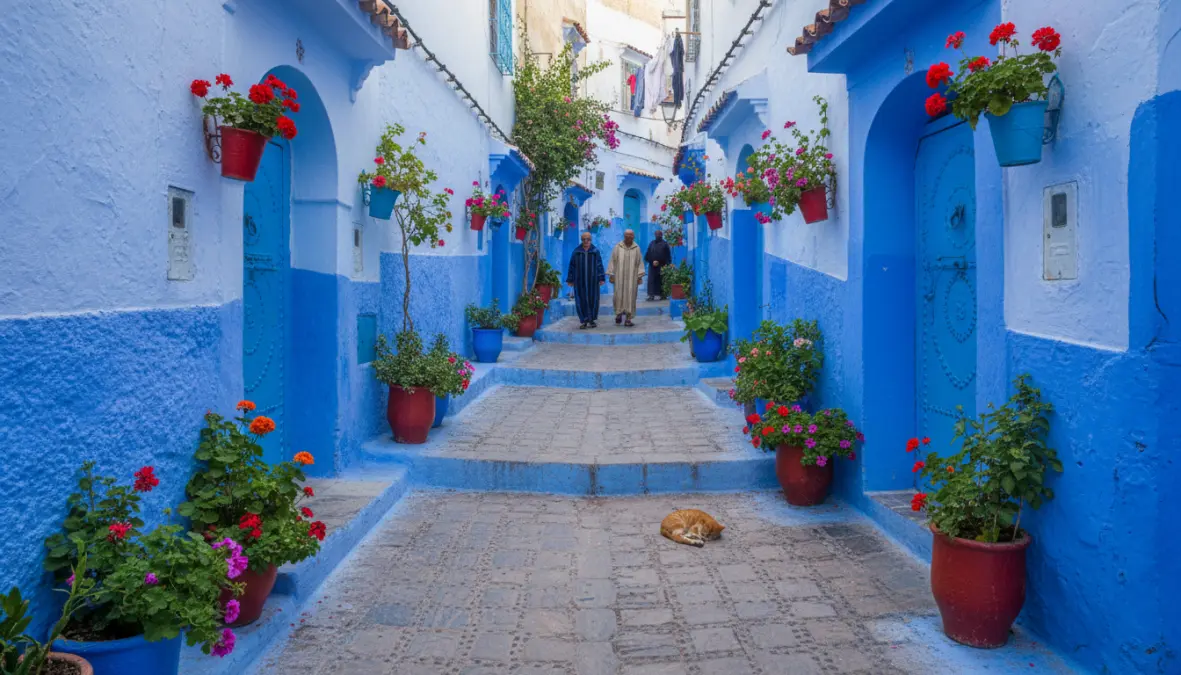
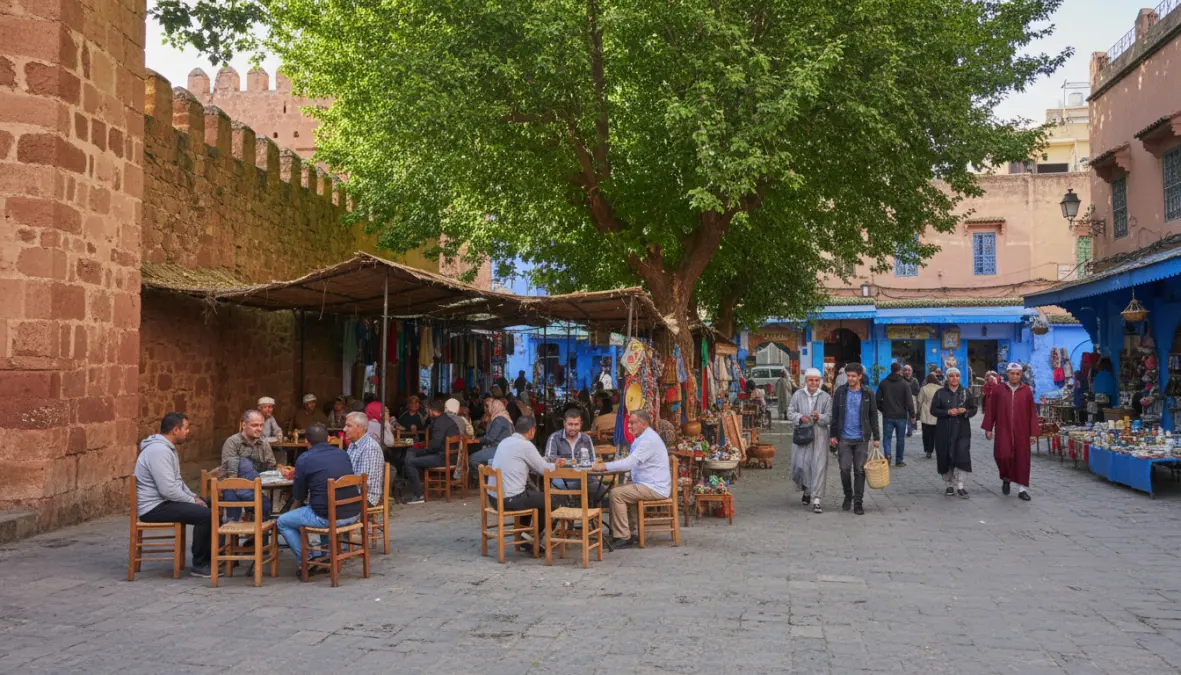
The heart of any chefchaouen guide lies in exploring the medina and its labyrinth of blue painted walls. Start your journey at Plaza Uta el Hammam, the main square where locals and visitors gather at outdoor cafés beneath the shade of trees. This bustling plaza serves as the perfect orientation point and is home to the Grand Mosque with its distinctive octagonal minaret.
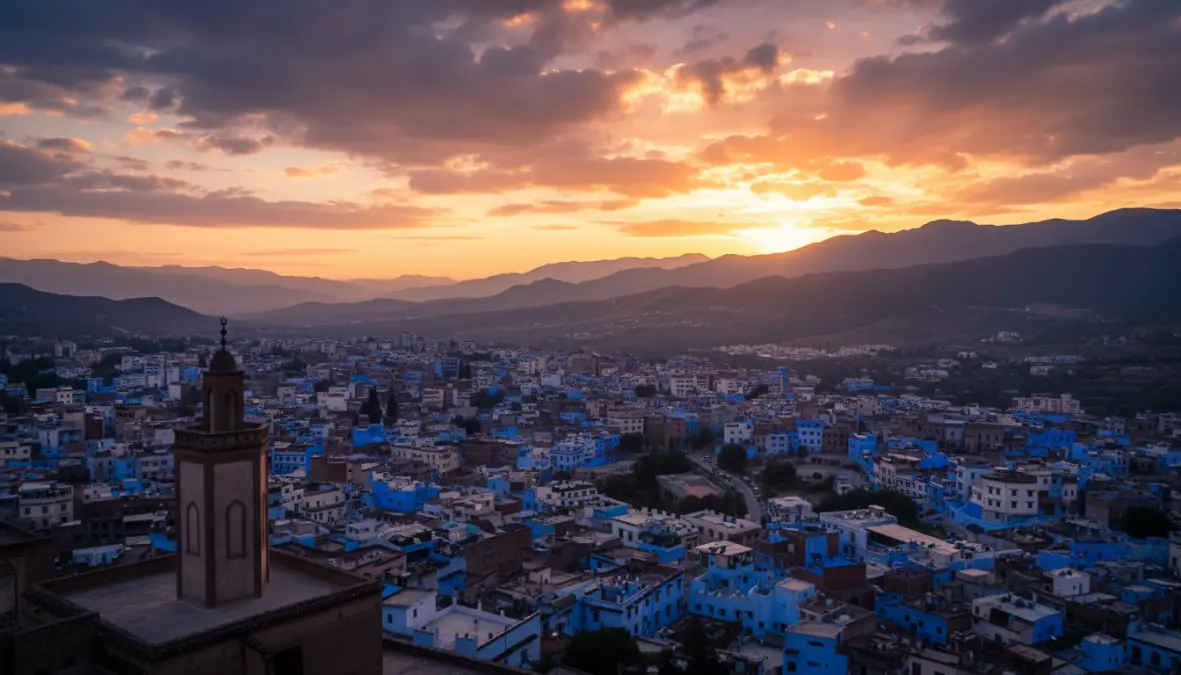
Adjacent to the plaza stands the Kasbah Museum, a 15th-century fortress featuring beautiful gardens, a small ethnographic museum, and an art gallery. The real treasure here is climbing to the tower for panoramic views over the medina’s blue rooftops—one of the best chefchaouen photography spots you’ll find. Entry costs around 60 dirhams and is well worth it for history buffs and photographers alike.
Shopping for moroccan handicrafts is a highlight among things to do chefchaouen. Unlike the aggressive sales tactics in Marrakech or Fes, shopping here feels relaxed and genuine. Browse the medina’s shops for locally woven blankets, leather goods, traditional wool garments called djellabas, and aromatic oils. The quality is excellent, and prices are reasonable—just remember to haggle politely.
For sunset seekers, hiking to the Spanish Mosque is practically mandatory. This abandoned mosque sits on a hillside about 30 minutes’ walk from the medina, offering spectacular views over Chefchaouen as the blue city glows in golden hour light. The hike is moderate and suitable for most fitness levels. Many travelers consider this the absolute best spot for chefchaouen photography spots.
Adventure enthusiasts shouldn’t miss trekking opportunities in the surrounding Rif Mountains. The Akchour waterfalls, located about 45 minutes from town, offer excellent hiking through stunning mountain scenery. You can opt for the shorter trail to the small waterfall (2 hours round trip) or continue to the impressive God’s Bridge rock formation and larger cascade (5-6 hours). Local guides can be hired at Ras El Ma waterfall, a smaller spring just outside the medina walls where locals gather to wash clothes—a glimpse into authentic daily life.
Don’t miss experiencing the local food scene. Traditional Moroccan dishes like tagine and couscous are excellent here, often prepared with fresh mountain ingredients. Several rooftop restaurants offer meals with breathtaking views of the blue streets below. For the best restaurants in chefchaouen, try Restaurant Beldi Bab Ssour for authentic local cuisine or Café Clock for a modern twist on traditional dishes.
Planning Your Chefchaouen Itinerary: Practical Travel Tips
When planning your chefchaouen itinerary, most travelers find that 2-3 days provides the perfect balance for exploring without rushing. One full day allows you to wander the medina and catch sunset at the Spanish Mosque, while additional time lets you venture into the mountains or simply soak in the relaxed atmosphere. While a chefchaouen day trip from tangier is technically possible (about 2.5 hours each way), it feels rushed and doesn’t do justice to this magical place.
Getting to Chefchaouen requires some planning, as there’s no train station. How to get to chefchaouen from fes is a common question—the CTM bus takes about 4 hours and costs around 75 dirhams. From Tangier, buses run regularly and take approximately 2.5-3 hours. From Casablanca, expect a longer journey of 5-6 hours, often requiring a connection. Many travelers opt for shared grands taxis, which are faster but less comfortable than buses.
For accommodations, deciding where to stay in chefchaouen depends on your preferences and budget. Staying inside the medina puts you at the heart of the action with the most atmospheric riads and guesthouses, though be prepared to navigate narrow streets with luggage. Expect to pay 200-500 dirhams per night for a decent riad with breakfast. Budget travelers can find hostels for 80-150 dirhams, while those seeking luxury should look for boutique hotels with mountain views just outside the medina walls.
Photography enthusiasts planning a chefchaouen blue streets walking tour should wake early—the soft morning light creates magical conditions, and you’ll have the streets mostly to yourself before 9am. The best light for photos occurs between 8-10am and 5-7pm. Respect residents’ privacy and always ask before photographing people. A wide-angle lens is ideal for capturing the narrow alleyways.
Pack comfortable walking shoes, as the medina’s streets are steep and cobblestoned. Modest clothing is appreciated, though Chefchaouen is quite relaxed by Moroccan standards. Bring layers, as mountain temperatures can drop significantly in evenings. A good camera or smartphone is essential—this is one of the most photogenic destinations you’ll ever visit. Budget approximately 300-500 dirhams daily for meals, entry fees, and local transport, plus accommodation costs.
Frequently Asked Questions About Visiting Chefchaouen
Why is Chefchaouen blue? The tradition began in the 1930s when Jewish refugees painted buildings blue as a spiritual reminder. Today, residents maintain the tradition, with different theories suggesting the color repels mosquitoes, provides cooling effects, or simply maintains tourism appeal.
Is Chefchaouen safe for tourists? Absolutely. Chefchaouen Morocco is considered one of Morocco’s safest cities, with low crime rates and friendly locals. Standard travel precautions apply, but most visitors feel very comfortable walking around even at night.
How many days should I spend in Chefchaouen? Two full days is ideal for most travelers, allowing time to explore the medina thoroughly, hike to viewpoints, and take a day trip to nearby waterfalls without feeling rushed.
What is the best time to visit Chefchaouen? Spring (April-May) and fall (September-October) offer perfect weather and fewer crowds. Summer is warm and busy, while winter can be chilly but beautifully quiet.
Can I do a day trip to Chefchaouen? While possible from Tangier or Fes, day trips feel extremely rushed. Is chefchaouen worth visiting for longer? Definitely—this magical blue city Morocco deserves at least an overnight stay to truly appreciate its unique charm and slower pace of life.